Hilton and Marriott, two of the biggest hotel chains in the U.S., are also well-established around the world, from Australia to Zambia and many places in between.
So if you’re looking to join a hotel loyalty program, which one should you choose? Whether you want a budget-friendly place to sleep or a full-service luxury stay, both chains' rewards programs have benefits to offer.
We'll look at Hilton's and Marriott’s availability, fees and elite status programs to determine which one comes out ahead.
Availability
Winner for number of brands and properties: Marriott
Marriott wins with more properties and brands than Hilton. Both companies offer a wide range of experiences from cheap and cheerful to full luxury.
Marriott
Marriott has over 30 brands and over 9,700 properties in 143 countries and territories. The brand’s portfolio offers options across most budgets, from stays at top-notch brands like St. Regis or The Ritz-Carlton to lower-key experiences at Moxy or City Express.
Marriott brands
AC Hotels.
Aloft Hotels.
Apartments by Marriott Bonvoy.
Autograph Collection Hotels.
CitizenM.
City Express.
Courtyard by Marriott.
Delta Hotels.
Design Hotels.
Edition.
Element by Westin.
Fairfield by Marriott.
Four Points by Sheraton.
Four Points Flex by Sheraton.
Gaylord Hotels.
Homes & Villas by Marriott Bonvoy.
JW Marriott.
Le Méridien.
Marriott.
Marriott Executive Apartments.
MGM Collection.
Moxy Hotels.
Outdoor Collection.
Protea Hotels.
Renaissance Hotels.
Residence Inn by Marriott.
Ritz-Carlton Reserve.
Series by Marriott.
Sheraton.
SpringHill Suites.
St. Regis.
StudioRes.
The Luxury Collection.
The Marriott Vacation Clubs.
The Ritz-Carlton.
TownePlace Suites.
Tribute Portfolio.
W Hotels.
Westin.
Hilton
Hilton has 25 brands that operate more than 9,000 properties in 141 countries and territories. These hotels offer travelers a variety of price points, from luxury stays at the Waldorf Astoria to budget-friendly Spark hotels.
Hilton brands
Canopy by Hilton.
Conrad Hotels and Resorts.
Curio Collection by Hilton.
DoubleTree by Hilton.
Embassy Suites by Hilton.
Graduate by Hilton.
Hampton by Hilton.
Hilton Hotels and Resorts.
Hilton Club.
Hilton Garden Inn.
Hilton Grand Vacations Club.
Hilton Vacations Club.
Home2 Suites by Hilton.
Homewood Suites by Hilton.
LivSmart Studios by Hilton.
LXR Hotels and Resorts.
Motto by Hilton.
NoMad Hotels.
Outset Collection by Hilton.
Signia by Hilton.
Spark by Hilton.
Tapestry by Hilton.
Tempo by Hilton.
Tru by Hilton.
Waldorf Astoria Hotels and Resorts.
» Learn more: Questions to ask before joining a hotel loyalty program

By signing up, you will receive newsletters and promotional content and agree to our Terms of Use and acknowledge the data practices in our Privacy Policy. You may unsubscribe at any time.
Fees
Winner for lowest fees: Hilton
Hotels often charge extra fees for bringing a pet, on-site parking and using resort amenities. To compare fees across hotel brands, NerdWallet analyzed the cost of resort and parking fees.
Hilton’s resort fee is less than Marriott’s, but its parking fee is more than Marriott’s. Hilton charges less to bring a pet than Marriott does, making Hilton the winner in this category.
Hilton
Hilton’s average resort fee is $33, and it charges $58 on average to park on site. In NerdWallet’s analysis, Hilton ranked fifth out of six hotel brands for resort and parking fees.
For those traveling with a pet, Hilton’s pet fees are $85 on average. This fee is the third-highest of seven hotel chains studied, lower than Marriott and Hyatt’s pet fees.
Marriott
Marriott charges resort fees for many of its properties, which average $36 per stay. Note that these fees are required for all guests, even those who are redeeming points for stays. Parking fees, which may cover valet or self-park options, typically average $56, a couple of bucks less than Hilton’s fees.
Marriott’s pet fee is significantly more than Hilton’s: $121 on average vs. Hilton’s $85 on average, according to NerdWallet’s analysis. It’s also the highest fee among the seven hotel chains reviewed.
Elite status and rewards programs
Overall winner: Marriott Bonvoy
When NerdWallet ranked six hotel loyalty programs based on their rewards rates, credit card offerings and elite status offerings, Marriott and Hilton ended up with very different scores: Marriott Bonvoy earned 3.84 stars out of 5 and Hilton Honors garnered 2.70 stars out of 5, placing last.
Marriott loyalists appreciate the program’s higher rewards rates while those who frequent Hiltons enjoy better perks for elite members. We’ll look at both of these features, as well as credit card offerings, in more detail below.
Comparing rewards rates
Both programs reward loyalty by issuing points based on the price of the room as well as other factors, including a customer’s elite status in the program. Then, these points can be redeemed for free stays and other perks, including earning elite status.
To compare the rewards rate between the two brands, NerdWallet calculated the percent value you receive per every dollar spent. Marriott’s program wins with an 8% earning rate compared with Hilton’s 4%, the lowest of all hotels surveyed.
» Learn more: The complete guide to earning Hilton Honors points
Marriott Bonvoy
Members earn 10x Marriott Bonvoy® points at most Marriott brands except for the following, which earn 5x points: Residence Inn, TownPlace Suites, Element, Protea Hotels, City Express, FourPoints Express, Series and Marriott’s Apartments and Homes and Villas. You’ll earn 4x points at StudioRes and 2.5 points at Marriott Executive Apartments.
You can also earn Marriott Bonvoy points by:
Registering for points promotions.
Spending on Marriott co-branded credit cards.
Using Uber when you link your Marriott Bonvoy and Uber accounts.
Joining the Eat Around Town program.
Booking Marriott tours and activities.
Marriott Bonvoy allows members to transfer points to another member.
Marriott Bonvoy uses a dynamic pricing model, so it’s difficult to know in advance how much an award night might cost. NerdWallet values Bonvoy points at 0.7 cent each, which is better than Hilton.
» Learn more: How to earn Marriott points
Hilton Honors
Hilton Honors members earn 10x points at all Hilton properties except Home2 Suites, Homewood Suites, Spark and Tru, which earn 5x points and 3x points at LivSmart Studios. You can earn points on up to four rooms per stay if they are all on one bill.
You can also earn Hilton Honors points by:
Registering for points promotions.
Spending on Hilton co-branded credit cards.
Using Lyft when you link your Hilton Honors and Lyft accounts.
Participating in the Hilton Honors Dining program.
Hilton Honors allows you to transfer points to another member or pool them so you can combine your earning power. You’re limited to six transfers per calendar year, and you can receive up to 2 million points or send up to 500,000 points.
To redeem points, Hilton uses a dynamic pricing model, so the number of points required for a stay will depend on the current cash price of the room. This can make it difficult to plan out how many points you’ll need for a specific trip. NerdWallet values Hilton Honors points at 0.4 cent each, which isn’t great, but if you can get a stay with a better redemption rate, you know you’re getting decent value.
Elite status
Points can add up quickly for basic members of Hilton Honors and Marriott Bonvoy, but customers with elite status can really rack up the points. Status also comes with privileges like free Wi-Fi, food and beverage credits and suite upgrades.
Hilton Honors
Hilton Honors elite status has four tiers: Silver, Gold, Diamond and Diamond Reserve. Status is earned based on the number of nights, number of stays or total spending with Hilton.
Here’s what it takes to reach each tier:
Silver: 10 nights, 4 stays or $2,500 in spending.
Gold: 25 nights, 15 stays or $6,000 in spending.
Diamond: 50 nights, 25 stays or $11,500 in spending.
Diamond Reserve: 80 nights or 40 stays, in addition to $18,000 spent on eligible Hilton purchases.
» Learn more: Your guide to hotel bonus point promotions
Marriott Bonvoy
Marriott Bonvoy elite status has five levels: Silver, Gold, Platinum, Titanium and Ambassador Elite. Status is awarded based on the number of nights stayed at Marriott properties.
Here’s how many nights you need to reach each tier:
Silver: 10 nights.
Gold: 25 nights.
Platinum: 50 nights.
Titanium: 75 nights.
Ambassador Elite: 100 nights plus $23,000 qualifying spending per year.
All Bonvoy members receive free Wi-Fi and member room rates, as well as the fifth night free on any award stay.
Hotel credit cards
Overall winner: Marriott Bonvoy
Hotel credit cards can be a great way to boost points and reach elite status faster, and many cards include benefits that can improve your stay, from late checkouts to welcome amenities, lounge access and complimentary elite status.
Both hotels’ credit card offerings are solid, with nearly every card providing complimentary elite status at some level. That said, most of Marriott’s cards also give cardholders a free award night each year, and some have the opportunity to earn additional nights through spending.
Hilton Honors credit cards
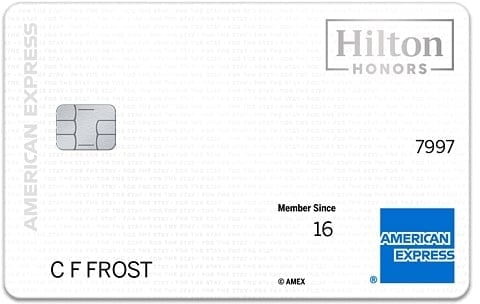
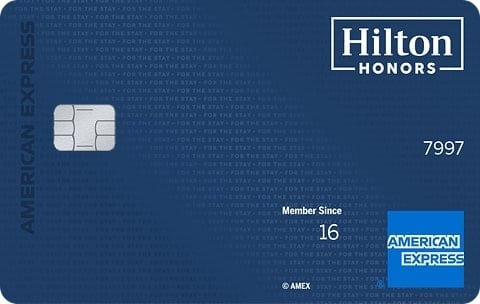
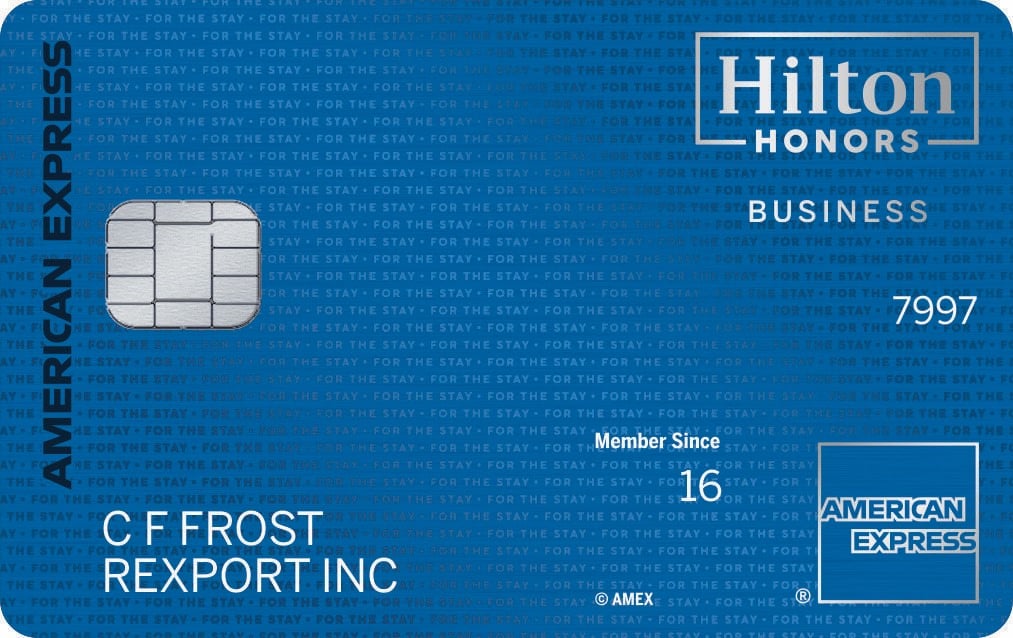
There are four Hilton Honors credit cards, all issued by American Express. Three cards are for personal use, while one is a business card. All four cards can help you earn more points toward free stays as well as provide elite status.
Cards that earn Hilton points
Annual fee
Earning rates
Welcome offer
Learn more
Terms apply.
» Learn more: How to build the best Hilton credit card strategy
Marriott Bonvoy credit cards
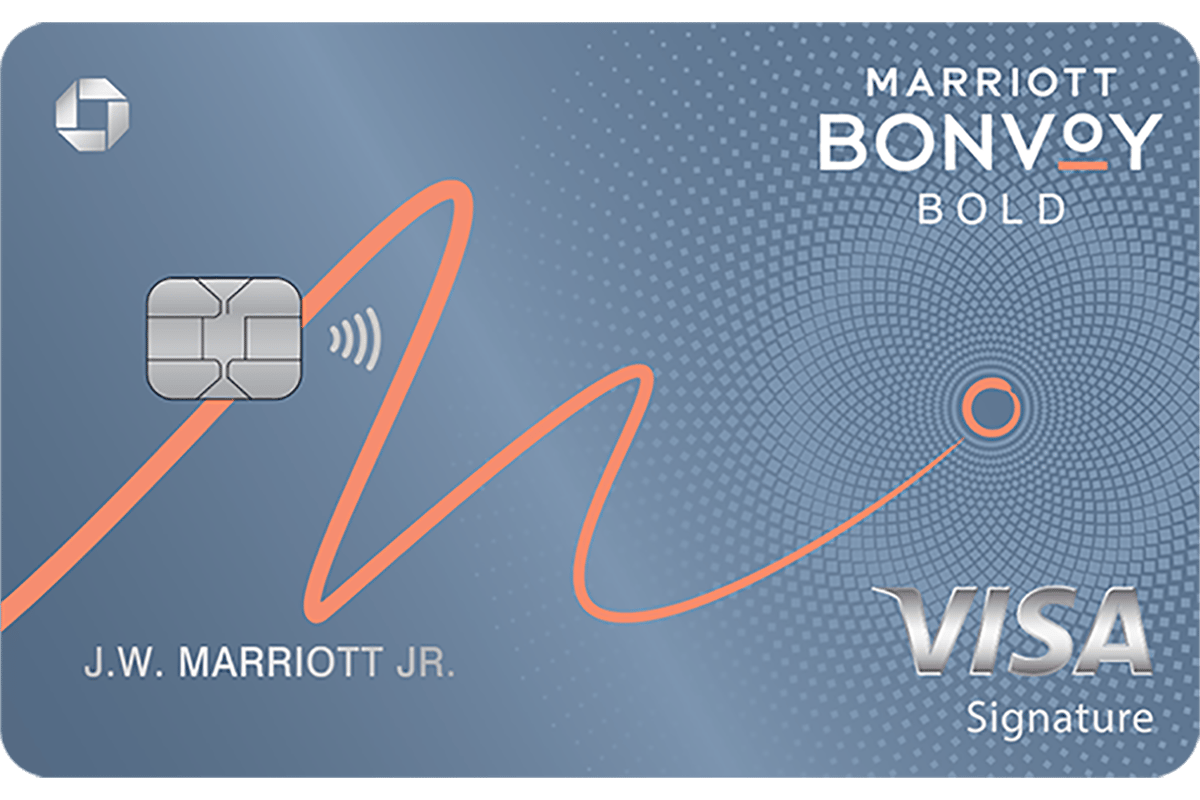
Marriott Bonvoy offers a total of six credit cards — including personal cards and a business card issued by Chase or American Express. All but one card provides elite status, and most cards give you at least one free night each year with the opportunity to earn even more through spending.
Cards that earn Marriott points
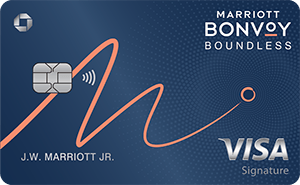
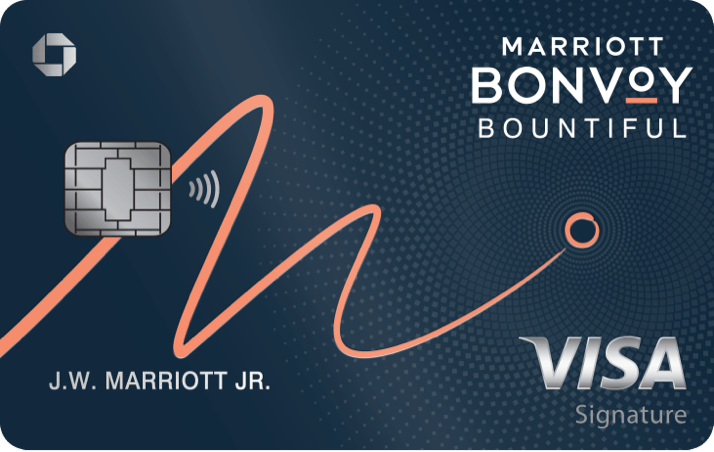
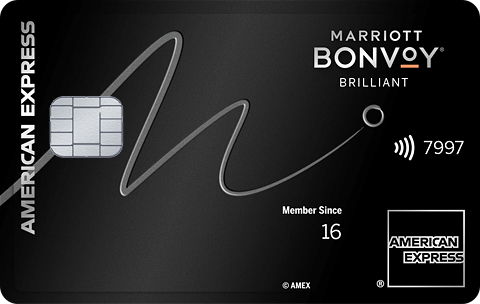
Annual fee
Rewards
• 6 Marriott Bonvoy® points per $1 at participating Marriott Bonvoy hotels.
• 4 points per $1 on up to $15,000 a year in combined purchases at grocery stores and on dining.
• 2 points per $1 on all other eligible purchases.
New cardholder offer
There is one additional consumer card and one business card in the Marriott credit card portfolio.
Marriott Bonvoy Bevy® American Express® Card has a $250 annual fee (see rates and fees). It comes with complimentary Gold elite status and earns 6x points at Marriott hotels. It also includes 1,000 bonus points per stay, a free night worth up to 50,000 points (after spending $15,000) and 15 Elite Night Credits.
The Marriott Bonvoy Business® American Express® Card has a $125 annual fee (see rates and fees). It grants Gold elite status and 6x points at Marriott hotels. The card also provides a free night award up to 35,000 points with the option to earn a second night, a 7% room rate discount and 15 Elite Night Credits.
» Learn more: 8 valuable benefits of Marriott Bonvoy credit cards
Hilton Honors vs. Marriott Bonvoy recapped
When it comes to Hilton Honors versus Marriott Bonvoy, the latter has many compelling reasons to book a stay: Marriott has more locations and a better rewards rate for its points. It also has a wide array of credit cards that offer elite status at various levels as well as free award nights.
However, if it’s optimal elite status that you're after, Hilton wins, providing its loyalists with more perks sooner than Marriott and its Bonvoy program. Certain fees are also lower.
So which one is better? It depends on what’s important to you. If you want to simply earn and redeem points for free nights, Marriott Bonvoy has a higher rewards rate, so you’d probably get more value for your points there.
However, if earning elite status and its associated perks is what you’re looking for, Hilton Honors is your best bet. Take a look at places you usually travel and see which chain has a better presence. That could be what makes your choice easier.
All information about Marriott Bonvoy Bountiful™ Card has been collected independently by NerdWallet. Marriott Bonvoy Bountiful™ Card is no longer available through NerdWallet.
*More from American Express
American Express relies on airlines to submit the correct information on airline transactions to identify incidental fee purchases. If you do not see a credit for a qualifying incidental purchase on your eligible Card after 8 weeks, simply call the number on the back of your Card. Qualifying airlines are subject to change. See terms & conditions for more details
How to maximize your rewards
You want a travel credit card that prioritizes what’s important to you. Here are some of the best travel credit cards of 2026:
Flexibility, point transfers and a large bonus: Chase Sapphire Preferred® Card
No annual fee: Wells Fargo Autograph® Card
Flat-rate travel rewards: Capital One Venture Rewards Credit Card
Bonus travel rewards and high-end perks: Chase Sapphire Reserve®
Luxury perks: American Express Platinum Card®
Business travelers: Ink Business Preferred® Credit Card