

Picture this: You're browsing airline credit cards online, mesmerized by a 100,000-point welcome bonus and dreaming of first class lounges. The card promises free checked bags, priority boarding and elite status, and you can afford the annual fee. It seems like a no-brainer.
But here's what most airline credit card advice misses: Those flashy perks are valuable only if you can actually use them. And that depends largely on your home airport.
Understanding whether your airport operates as a hub or spoke in an airline's network can mean the difference between maximizing your card's value and paying annual fees for benefits you'll rarely enjoy.
Understanding the hub-and-spoke system
Before diving into card strategy, you need to understand how airlines organize their operations. Most major carriers use a hub-and-spoke model, where a hub airport sits at the center, with routes (spokes) radiating outward to smaller airports.
For airlines, this system is incredibly efficient. Instead of flying direct routes between every possible city pair, they funnel passengers through major hubs where they can connect to their final destinations. Delta Air Lines’ hub in Atlanta, for example, connects travelers from dozens of smaller Southeastern cities to destinations worldwide.
In some cases, airlines may also have focus cities, which offer substantial service to an airport without the massive flight volume of a true hub.

By signing up, you will receive newsletters and promotional content and agree to our Terms of Use and acknowledge the data practices in our Privacy Policy. You may unsubscribe at any time.
Why hubs and spokes matter
Everything good about airline credit cards and their loyalty programs gets amplified at hub airports. That includes:
More flight options. If your airport is a hub for a specific airline, it will typically offer more total flights compared to smaller airports. An expanded schedule can improve your chances of finding award availability and convenient departure times.
Better award availability. Airlines typically reserve more award availability for hub routes, making it easier to snag tickets with your miles.
Smoother travel experience. When weather or mechanical issues strike, hub airports have the staff, equipment and alternative flights to get you moving again quickly.
More lounge access and services. Hubs tend to offer more robust airline amenities, including airline lounges.
Bottom line: If you live near an airline’s hub airport, that airline's credit card should be at the top of your list so you’ll actually be able to use the benefits the card promises.
If your airport is a hub, capitalize on it
Living near a hub airport is like winning the airline lottery. Your first step is confirming which airlines actually consider your airport a hub or a focus city. Check out our comprehensive list below for guidance.
If your airport is a hub for just one airline, it may make sense to apply for one of that airline’s credit cards so you can make the most of its benefits.
If you're fortunate enough to live near an airport that serves as a hub to multiple airlines, you have the option to focus on a single airline or diversify your rewards and benefits across more than one frequent flyer program.
Concentrating on one program can help you rack up rewards faster, maximize benefits and potentially reach elite status. On the flip side, diversifying your miles across multiple programs can give you more flexibility, but it can take longer to accumulate meaningful rewards.
Hubs for major airlines
Here’s a look at hub airports and focus cities for some of the largest U.S.-based airlines:
Alaska Airlines
Daniel K. Inouye International Airport (HNL).
Los Angeles International Airport (LAX).
Portland International Airport (PDX).
San Diego International Airport (SAN).
San Francisco International Airport (SFO).
Seattle-Tacoma International Airport (SEA).
Ted Stevens Anchorage International Airport (ANC).
American Airlines
Charlotte Douglas International Airport (CLT).
O'Hare International Airport (ORD).
Dallas-Fort Worth International Airport (DFW).
John F. Kennedy International Airport (JFK).
LaGuardia Airport (LGA).
Los Angeles International Airport (LAX).
Miami International Airport (MIA).
Philadelphia International Airport (PHL).
Phoenix Sky Harbor International Airport (PHX).
Ronald Reagan Washington National Airport (DCA).
Delta Air Lines
Boston Logan International Airport (BOS).
Detroit Metropolitan-Wayne County Airport (DTW).
Los Angeles International Airport (LAX).
Minneapolis-St. Paul International Airport (MSP).
Hartsfield-Jackson Atlanta International Airport (ATL).
John F. Kennedy International Airport (JFK).
LaGuardia Airport (LGA).
Salt Lake City International Airport (SLC).
Seattle-Tacoma International Airport (SEA).
Frontier Airlines
Denver International Airport (DEN).
While the airline has only one major hub, it has several focus cities, including Atlanta, Chicago, Cincinnati, Cleveland, Dallas, Las Vegas, Phoenix and Orlando.
JetBlue Airways
John F. Kennedy International Airport (JFK).
The airline has only one major hub, but it also has a handful of focus cities, including Boston, Fort Lauderdale-Hollywood, Orlando and San Juan, Puerto Rico.
Southwest Airlines
Rather than using the hub-and-spoke system, Southwest operates on a point-to-point system, which provides more direct flights.
However, the airline has several operating bases where flight options are more plentiful, including:
Baltimore/Washington International Thurgood Marshall Airport (BWI).
Chicago Midway International Airport (MDW).
Dallas Love Field Airport (DAL).
Denver International Airport (DEN).
Harry Reid International Airport (LAS).
Hartsfield-Jackson Atlanta International Airport (ATL).
Los Angeles International Airport (LAX).
Nashville International Airport (BNA).
Oakland International Airport (OAK).
Orlando International Airport (MCO).
Phoenix Sky Harbor International Airport (PHX).
William P. Hobby Airport (HOU).
United Airlines
O’Hare International Airport (ORD).
Denver International Airport (DEN).
Houston/George Bush Intercontinental Airport (IAH).
Los Angeles International Airport (LAX).
Newark Liberty International Airport (EWR).
San Francisco International Airport (SFO).
Washington Dulles International Airport (IAD).
Cards for earning airline rewards


Annual fee
Earning rates
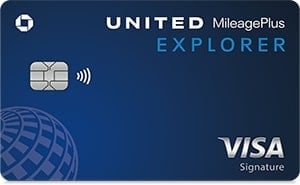
• 5 miles per $1 on prepaid hotels booked through United.
• 3 miles per $1 on United purchases. Earn 3 additional miles per $1 on United airfare (excluding taxes and fees) just for holding the card.
• 2 miles per $1 at restaurants and hotels (when booked directly with hotel).
• 1 mile per $1 on all other purchases.
• 2 points per $1 on Southwest purchases.
• 2 points per $1 at gas stations and grocery stores on the first $5,000 in combined purchases per anniversary year.
• 1 point per $1 on all other purchases.
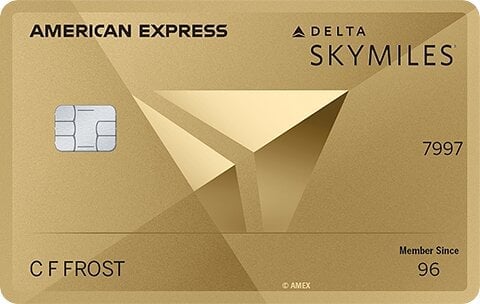
• 2 miles per $1 on purchases made directly with Delta and at U.S. supermarkets and restaurants worldwide (including takeout and delivery in the U.S.).
• 1 mile per $1 on all other eligible purchases.
Terms apply.
Still not sure?
What to do if your airline is a spoke
Not everyone can live near a hub airport, but don’t let that discourage you. With smart strategies, you can work around some of the limitations.
Here are just a few steps you can take:
Expand your search
Research major hubs within driving distance and evaluate whether it's worth the trip for savings and better flight options. You may also consider using positioning flights, which involve booking your main flight from a major hub airport, and then purchasing a separate ticket from your home airport to the hub.
Leverage airline partnerships
Codeshare agreements and alliance partnerships can expand your options by allowing you to book flights on partner airlines using your main carrier’s miles.
Prioritize flexible points over airline loyalty
Currencies like Chase Ultimate Rewards® or American Express Membership Rewards might deliver better value than loyalty to an airline that barely serves your market. That's because these points can be transferred to various airline or hotel programs. You can also use them to make purchases on issuer travel portals, among other things.
Don’t forget about airport amenities
In addition to checking hub status, it’s also important to look at your home airport’s amenities to determine whether a credit card is right for you.
For example, a card promising Priority Pass lounge access sounds amazing until you realize your airport only has a Delta Sky Club. However, some major airports have multiple lounges, giving you fewer limitations when selecting a card based on its perks.
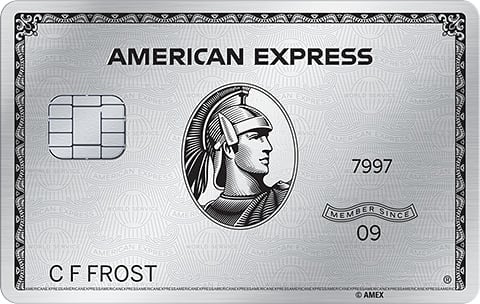
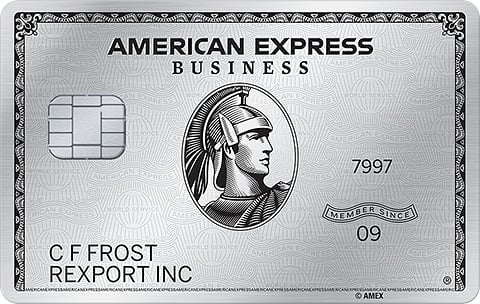
The same logic applies to other perks. For instance, TSA PreCheck and CLEAR+ credits provide enormous value at busy airports with long security lines but matter less at smaller airports where regular security takes five minutes.
Cards with TSA PreCheck or CLEAR credits

Annual fee
Airport security line benefits
Learn more
The bottom line
The best airline credit card is the one that matches your actual travel habits. A card promising amazing lounge access means nothing if those lounges don't exist at your home airport, and premium upgrades sound incredible until you realize your local routes use only regional jets.
Before you apply for your next airline credit card, spend some time researching your home airport's hub status and available amenities. Understand which airlines actually serve your market with the frequency and destinations that make air travel more convenient and less expensive.
How to maximize your rewards
You want a travel credit card that prioritizes what’s important to you. Here are some of the best travel credit cards of 2026:
Flexibility, point transfers and a large bonus: Chase Sapphire Preferred® Card
No annual fee: Wells Fargo Autograph® Card
Flat-rate travel rewards: Capital One Venture Rewards Credit Card
Bonus travel rewards and high-end perks: Chase Sapphire Reserve®
Luxury perks: American Express Platinum Card®
Business travelers: Ink Business Preferred® Credit Card