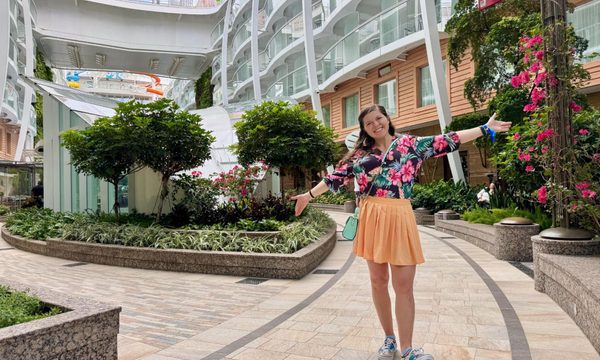





Big cities might have big appeal — but they’re not the only places worth visiting.
The term “second cities” traditionally refers to a region’s second-largest city, but it generally describes other populous but often overlooked urban centers that deliver much of what major metropolises do.
To be clear, these aren’t small towns off the highway. Second cities have the cultural richness, culinary chops and charisma of the better-known metropolises, but usually with fewer crowds and sometimes lower prices. They're well worth adding to your itinerary, or even planning a full trip around.
By signing up, you will receive newsletters and promotional content and agree to our Terms of Use and acknowledge the data practices in our Privacy Policy. You may unsubscribe at any time.
Why second cities strike the sweet spot
Second cities offer the best of both worlds when you're looking for a destination with things to do, but slightly less touristy.
Here’s what makes them appealing:
Less chaos: With fewer tourists and less traffic, second cities often feel less stressful than their bustling counterparts. For a relaxing trip, that might be exactly what you’re looking for.
Your friends likely haven’t been there yet: By visiting a second city, you’ll be able to experience the culture, food and history of a certain region beyond the usual tourist checklist. And your trip might be more memorable because of it.
Easy transportation: In many second cities, you can walk or rely on occasional rideshares. That saves on rental cars, gas and parking fees.
Free or cheap things to do: Much like their larger counterparts, second cities often pack in cultural institutions, scenic parks, historic sites and local entertainment — often for little or no cost.
What makes a great second city? Look to San Antonio
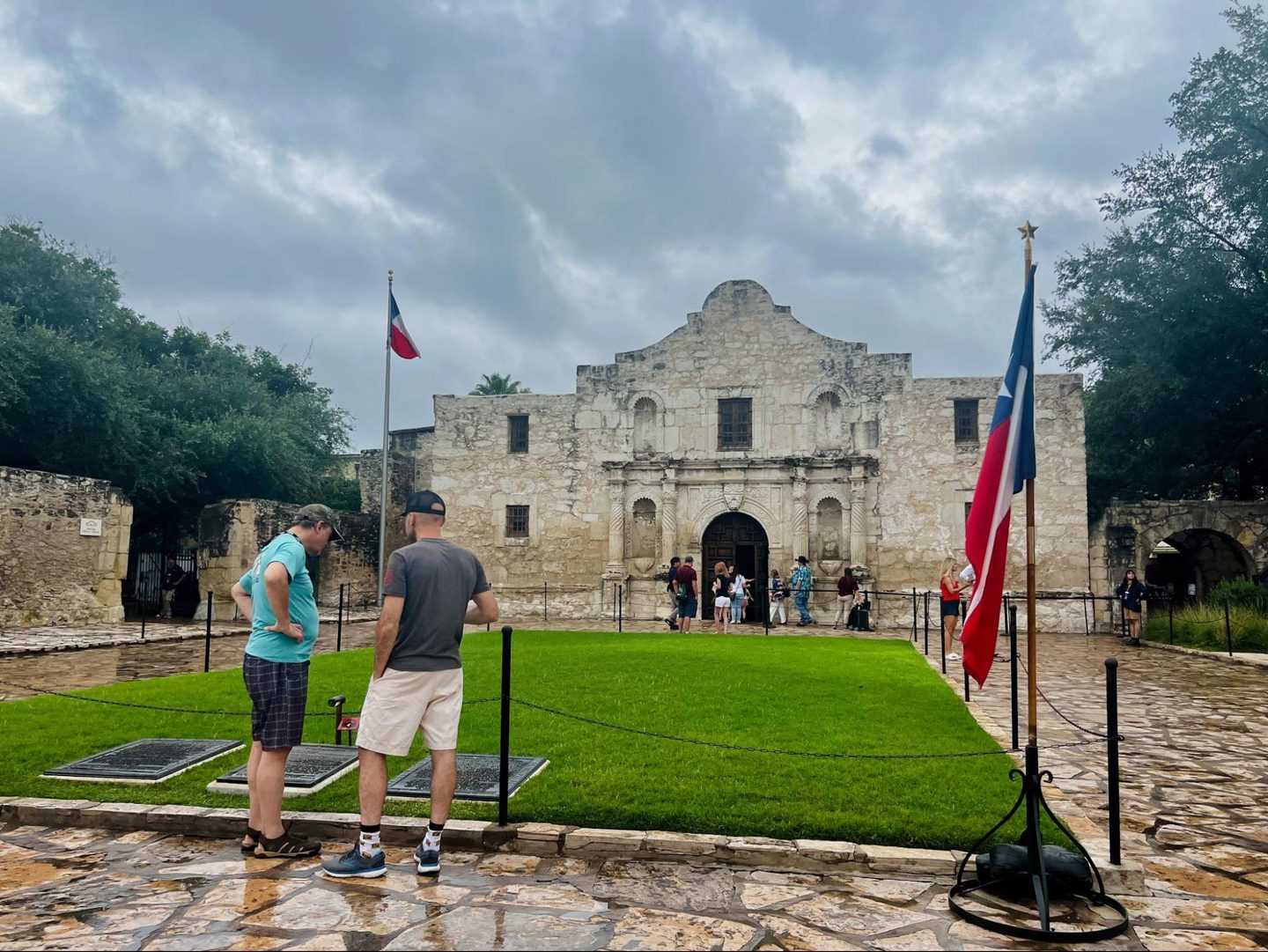
If you need a second city to test this theory, San Antonio, Texas, is ready for its close-up. It’s not just a stop on the way to Houston, nor is it a flashback to 1836 (though yes, the Alamo is very much still there).
Just a three hour drive away from Houston — Texas’ largest city and a major business hub — San Antonio— offers a more visitor-friendly experience, with walkable attractions, lower prices and historic charm. is It can also be slightly more affordable. According to NerdWallet’s cost of living calculator, entertainment costs are 4% lower, and food costs are 6% lower, all factoring into the city’s 4% lower cost of living.
Plus, many of San Antonio’s top attractions are either free or cheap. You can explore much of the iconic Alamo at no cost, stroll the San Antonio River Walk (one of the country’s most charming pedestrian corridors), or wander through the Japanese Tea Garden — all without spending a dime.
Tickets to the Witte Museum, a natural history and science center, cost less than $20 — less than what you'd pay at Houston’s natural history museum.
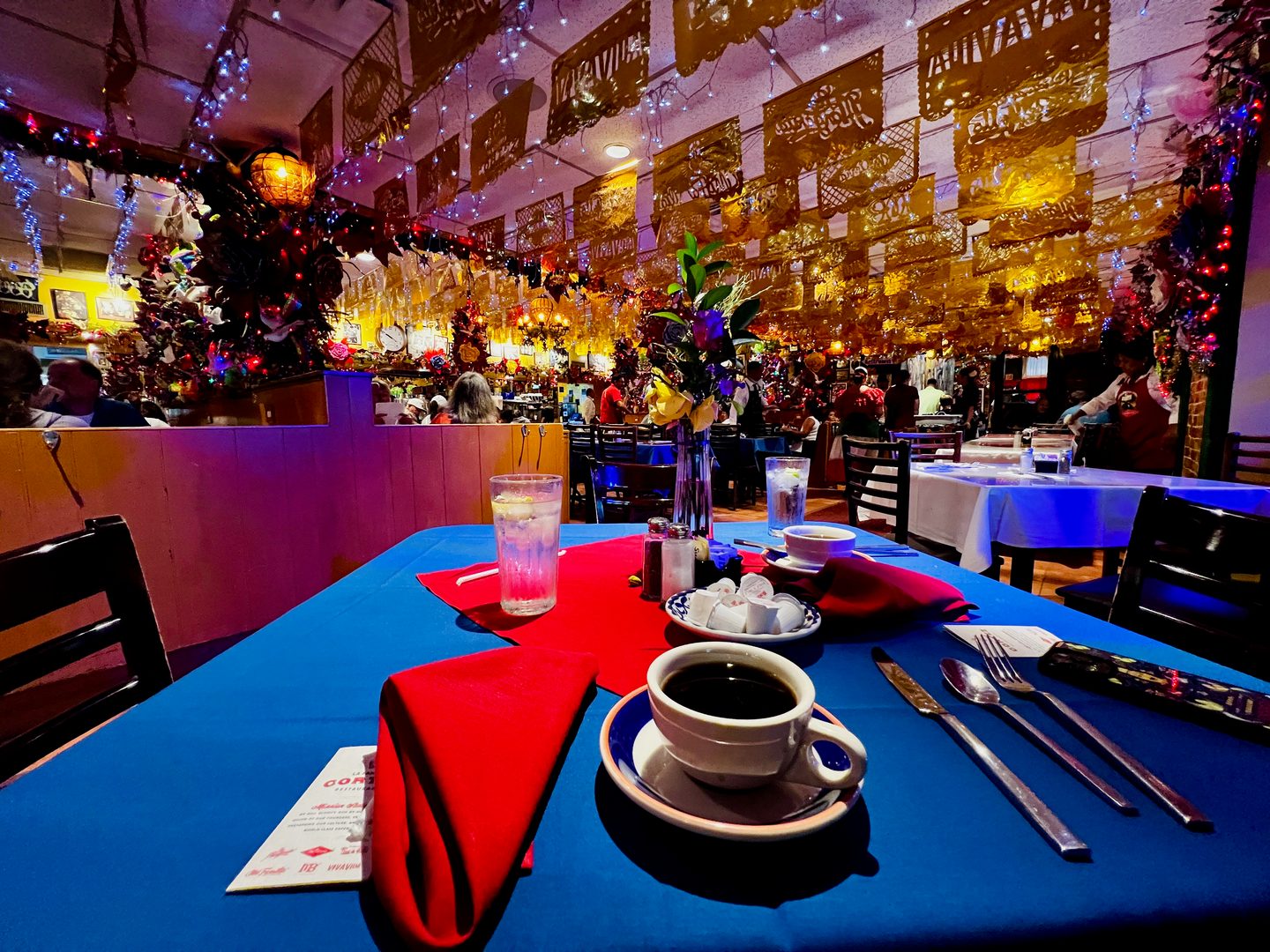
Even the dining scene proves that you don’t need to overspend to eat well. At Rosario’s, one of the city’s most stylish Mexican restaurants with a hip rooftop bar, most dinner entrees ring in under $20 (and many lunch entrees are under $10). Similarly, Mi Tierra Cafe y Panaderia — located in Historic Market Square — bucks the trend of overpriced restaurants in major tourist areas by offering entrees under $20 in a festive atmosphere.
But if you do want to splurge, at least you’ll spend a little less. San Antonio has one restaurant with a Michelin star. That’s Mixtli, where a high-end Mexican tasting menu runs $160 per person. Houston has five restaurants with a Michelin star, but its lone Michelin-starred Mexican restaurant, Tatemó, will run you a heftier $175 per person.
Second cities in the U.S. that are worth a look
We compiled some of the second cities that make great vacation destinations. This isn't a formal ranking or an exhaustive list — just some of our favorite spots.
Looking at Las Vegas? Try Reno, Nevada
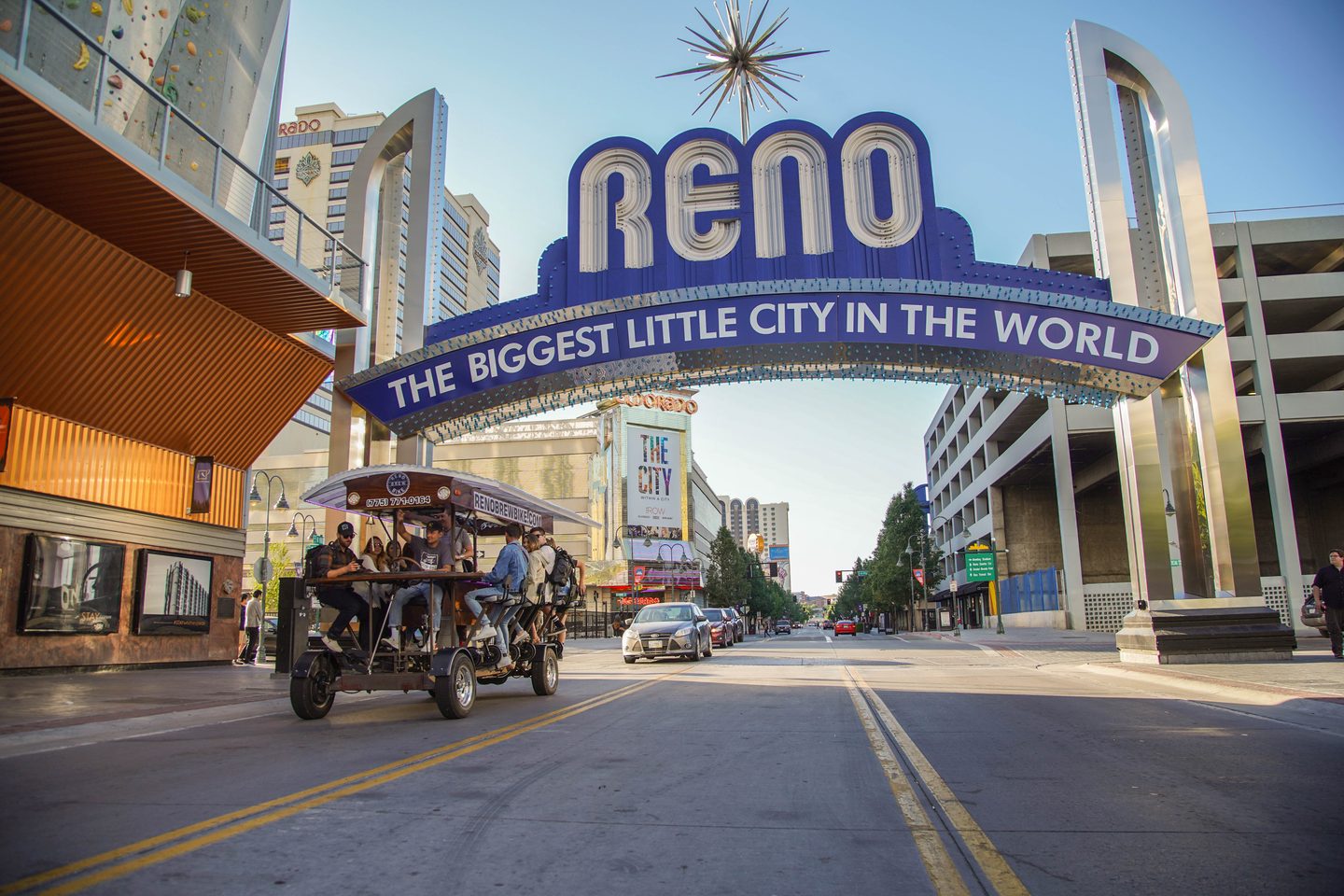
Reno has long lived in Las Vegas’ shadow, but that’s part of the appeal. You’ll still find casinos, nightlife and glitzy entertainment, just without the overwhelming scale (and prices) of the Strip.
It’s also incredibly easy to get your trip started. Reno-Tahoe International Airport is just a short drive from downtown, meaning you can be checked into your hotel or sitting down to dinner within minutes of landing.
And when it comes to where to eat, head straight to Midtown, the city’s most vibrant, creative neighborhood. The standout is Malayà, a Filipino restaurant that’s quickly become a local favorite. What started as a farmers market pop-up in 2023 grew into a food truck, then a full restaurant by early 2026. Today, it’s a warm, community-driven space that captures the spirit of Reno’s evolving food scene better than anywhere else.
Reno also makes it easy to pair city time with the outdoors. From downtown, you’re less than 30 minutes from Mt. Rose, an under-the-radar spot for skiing and tubing, and under an hour from Palisades Tahoe, one of California’s top ski resorts (traffic permitting). Even if you stay in town, you can get a dose of adventure at BaseCamp Climbing Gym inside the Whitney Peak Hotel, home to the world’s tallest artificial climbing wall, according to Guinness World Records.
For travelers who like the idea of Las Vegas but want something more manageable — with better access to nature and a growing local food scene — Reno offers a compelling alternative.
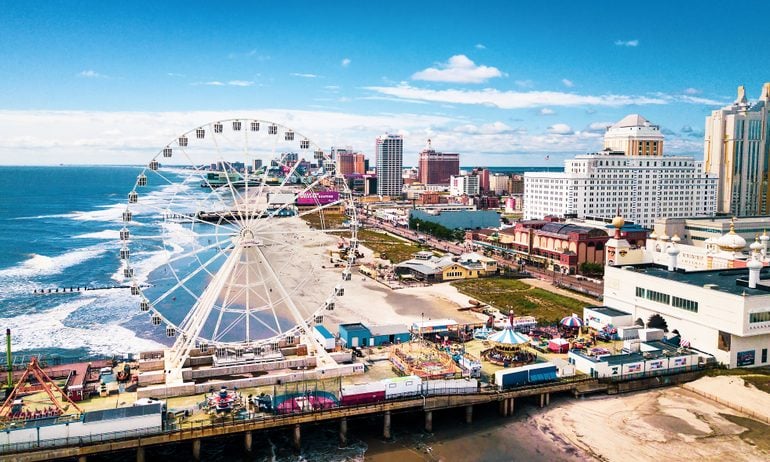
Looking at New York City? Try Atlantic City, New Jersey
Just over two hours by bus or train from Manhattan, Atlantic City delivers many of the same urban draws: headline concerts, high-end dining, boutique shopping and even a budding arts scene. But where New York commands premium prices at every turn, Atlantic City still offers off-peak hotel rooms under $100.
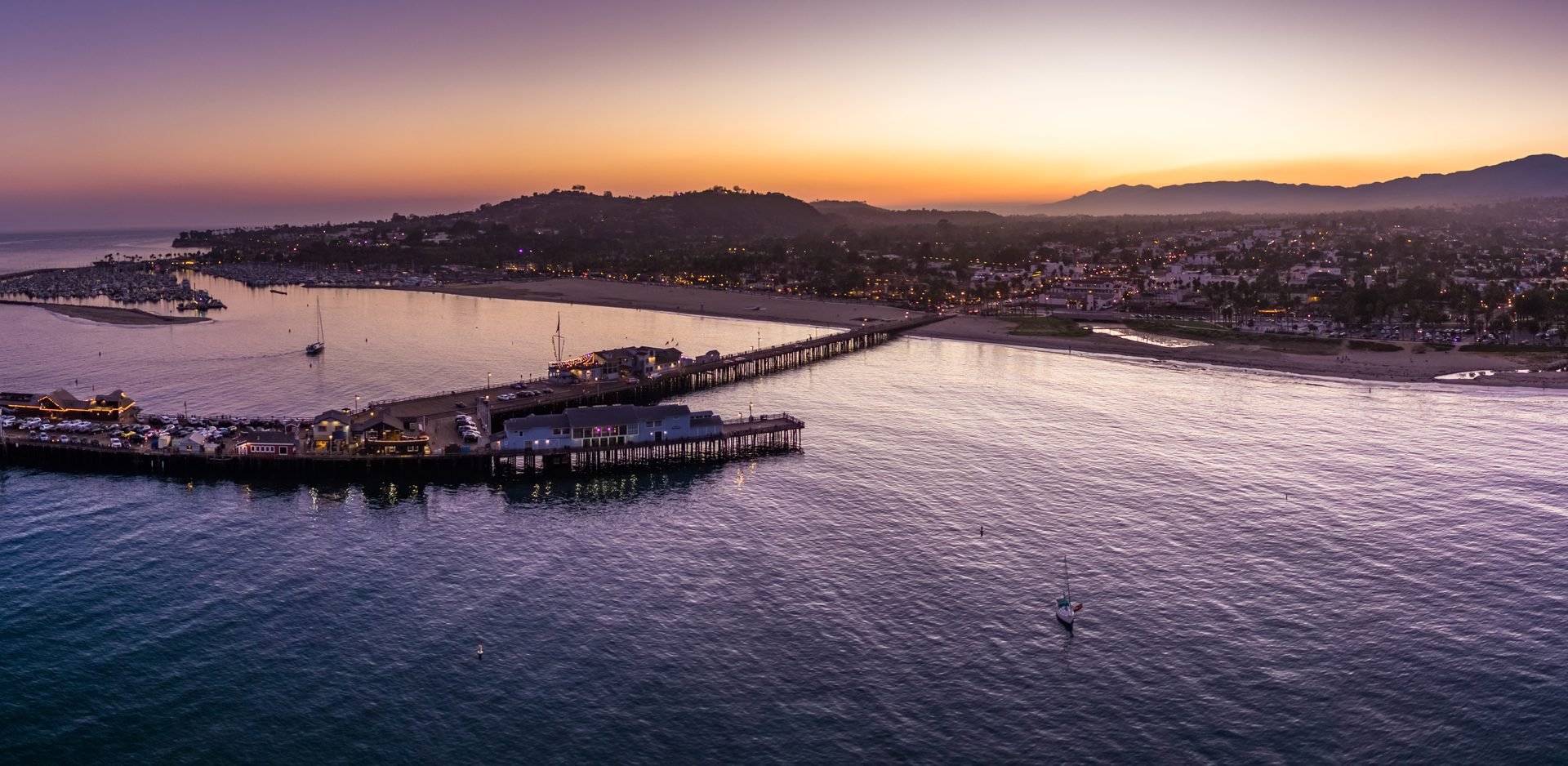
Looking at Los Angeles? Go for Santa Barbara, California
Think glamping, kayaking, wine-tasting and art galleries. Santa Barbara has it all with Pacific views and way less traffic.
For hotels bookable on points and miles in the downtown area, options include the Hotel Virginia Santa Barbara, Tapestry Collection by Hilton and the Courtyard Santa Barbara Downtown.
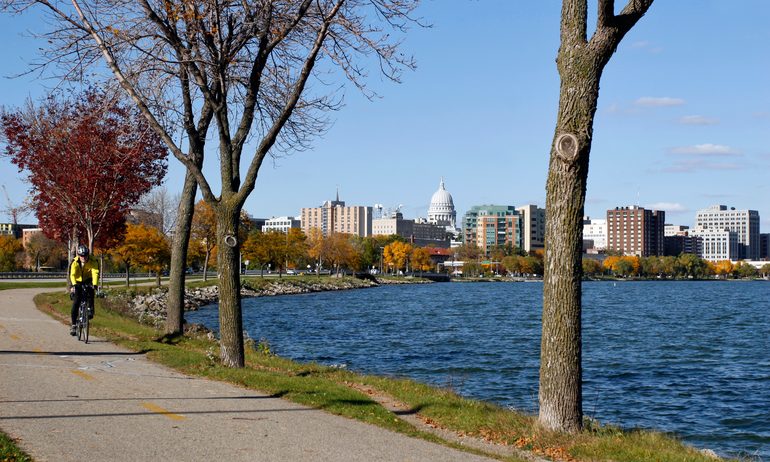
Looking at Chicago? Visit Madison, Wisconsin
Chicago is the original second city, earning the nickname in the 1890s when it became the second-largest city in the U.S. behind New York. (Now it's third, behind Los Angeles.) But if you’re looking for another great destination near Chicago, Madison is worth a visit. Pedal around the lakeside trails, stroll through the Dane County Farmers’ Market, then unwind at a brewery or kayak launch just steps from the Capitol dome.
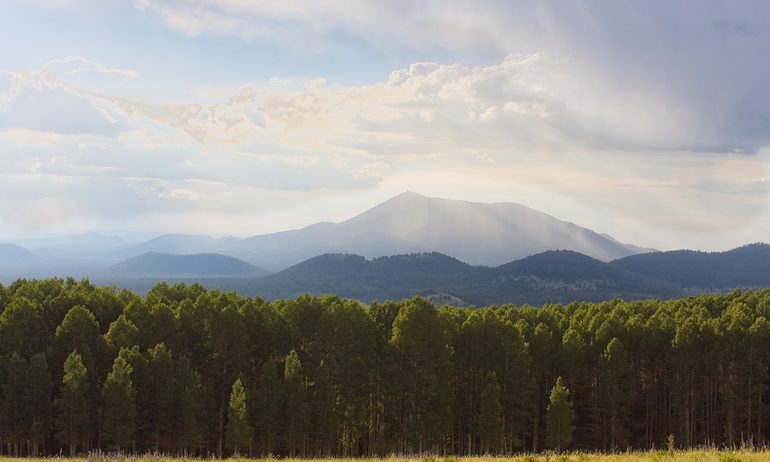
Looking at Phoenix? Head to Flagstaff, Arizona
Flagstaff’s neon signs, retro diners and ties to the historic Route 66 highway make it a memorable road trip destination. Nature lovers can cool off beneath Ponderosa pines and explore volcanic caves in this laid-back mountain town.
How to maximize your rewards
You want a travel credit card that prioritizes what’s important to you. Here are some of the best travel credit cards of 2026:
Flexibility, point transfers and a large bonus: Chase Sapphire Preferred® Card
No annual fee: Wells Fargo Autograph® Card
Flat-rate travel rewards: Capital One Venture Rewards Credit Card
Bonus travel rewards and high-end perks: Chase Sapphire Reserve®
Luxury perks: American Express Platinum Card®
Business travelers: Ink Business Preferred® Credit Card