

Dining at Disney is known for being expensive — but with some smart moves, you can get more bang for your buck. Kiersti Torok, the creator of deals website Torok Coupon Hunter, is an expert at stretching her food dollars at Walt Disney World. She’s the kind of person who maximizes digital coupons, which the mom of two estimates save her as much as 70% off the regular price at grocery stores.
But at Disney World, her secret weapon is the Disney Dining Plan.

By signing up, you will receive newsletters and promotional content and agree to our Terms of Use and acknowledge the data practices in our Privacy Policy. You may unsubscribe at any time.
What to know about the Disney Dining Plan
The Disney Dining Plan is a prepaid meal program where you pay an upfront cost and get a set allotment of meals. Meals vary depending on the type of plan you purchase, so some users can go to fancier, table-service restaurants that include drinks and dessert, while others are limited to counter-service restaurants.
The cheaper plan, the Disney Quick-Service Dining Plan, costs about $60 per adult per day. The standard Disney Dining Plan costs about $100 per adult per day and includes the following:
One table-service meal per day.
One quick-service meal per day.
One snack or drink per day.
One refillable mug.
The Disney Dining Plan isn’t necessarily a deal on its own. In fact, if you spend meal credits on lower-cost meals (e.g. a vegetarian meal that would cost less than a meat entree, or non-alcoholic drinks versus boozy ones), it’s entirely possible to end up spending more money on the Dining Plan than you would just buying items a la carte.
If you wanted three meals a day, you’d have to pay out of pocket for the third one, though many people say the meals (coupled with the snack) are more than enough food for a day.
For many vacationers, the value of the Disney Dining Plan is less about savings and more about removing the pain of paying on vacation. Paying for your meals upfront can make it easier to budget. And once you’re in the Disney bubble, you won’t have to whip out your wallet at every restaurant.
But for Torok, the Disney Dining Plan is something to be hacked. She spent $727.56 on a standard Disney Dining Plan for her family’s trip to Walt Disney World, documenting purchases in a YouTube video series. Had she paid for every meal, snack and drink in cash, she would have spent $913.18 — 26% more than what she paid for the plan — netting her nearly $200 in savings.
Here’s how she did it, and how you can too.
1. Order the pricey menu items
When choosing where to eat, ignore the usual advice about visiting the most affordable Disney restaurants. To get the most value from your Disney Dining Plan credits, spend them at the most expensive restaurants.
For example, don’t waste your credits on a $9.99 Caesar salad from the Pinocchio Village Haus in Magic Kingdom when you could get double the value with an $18.99 lobster roll from Columbia Harbour House, just steps away.
Here are some of the best quick-service restaurants to spend your Disney Dining Plan credits at, broken down by theme park:
Magic Kingdom: Columbia Harbour House. Order the lobster roll with fries.
Epcot: Regal Eagle Smokehouse. Order the ribs.
Disney’s Hollywood Studios: Docking Bay 7 Food and Cargo. Order the poke.
Disney’s Animal Kingdom: Flame Tree Barbecue. Order the meat platter sampler.
And here are some of the best table-service restaurants:
Magic Kingdom: The Crystal Palace. This buffet-style restaurant doubles as a character meal where you can meet characters from the Winnie the Pooh franchise.
Epcot: Garden Grill. This buffet-style restaurant doubles as a character meal where you can meet Disney characters including Chip ‘n’ Dale.
Disney’s Hollywood Studios: The Hollywood Brown Derby. Order the filet mignon.
Disney’s Animal Kingdom: Tiffins Restaurant. Order the Surf & Turf.
Note that not every restaurant on Disney property accepts the Disney Dining Plan. Many character meals and fine dining restaurants do not.
2. Plan ahead
Torok attributes her savings to roughly two months of trip planning. During that time, she analyzed menus (which Disney posts online) to find out which items she could order to maximize value.
High-demand restaurants during peak seasons can book up quickly, so plan ahead to score a coveted reservation at restaurants like The Crystal Palace. Table service restaurants allow reservations up to 60 days in advance and can be booked online.
3. Hack kids’ credits for adult-sized portions
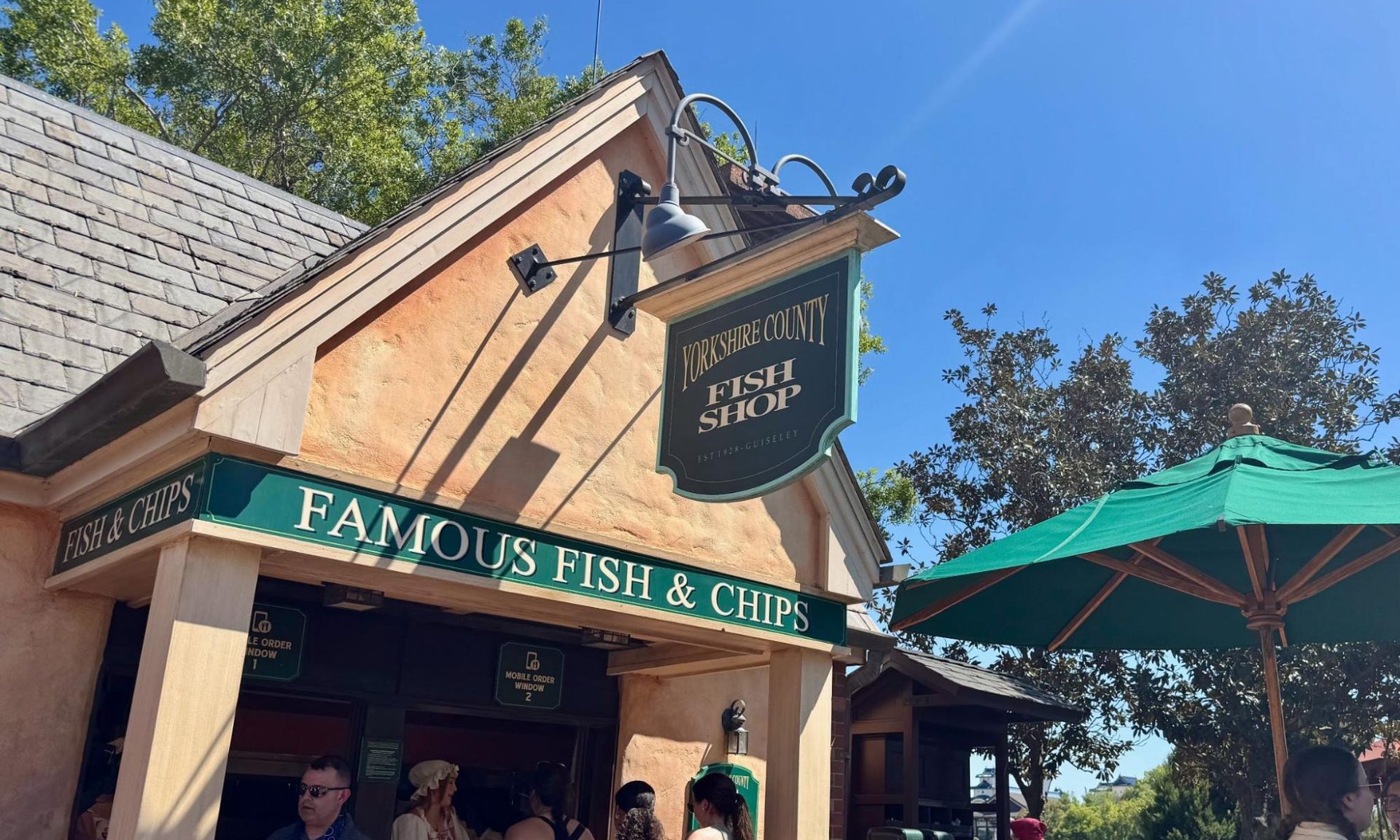
Kids’ dining plans are only issued to children ages 3 to 9. Typically, credits from these plans are only redeemable for kids’ meals. But at restaurants that don’t have a children’s menu, kids can order from the standard menu.
That’s possible at places like the Yorkshire County Fish Shop in Epcot. There, Torok used a kids’ dining credit to get an adult-sized fish and chips meal worth around $13.50.
“They don’t offer a kids’ menu, but they still have to accept kids’ credits,” she said. “We’d walk up and say, ‘Hey, my kid wants fish and chips,’ and they’d give us the regular portion.”
That gets you way more value than using the credits on a standard kids’ meal, which typically costs less than $10.
4. Think of snacks as small meals, not filler
The standard Disney Dining Plan only includes two meals per day, but it comes with daily snack credits. These cover typical snacks like soft-serve ice cream (about $6) or a bag of chips (about $3), which Torok says are low value.
She points to other items that qualify for the snack credit, but are more like small meals. For example, you might redeem it at the Magic Kingdom at Gaston’s Tavern, inspired by “Beauty and the Beast.” The snack credit can buy you a $7 cinnamon roll that might be bigger than Gaston’s own forearms.
If you visit during a seasonal festival, such as the Epcot International Flower & Garden Festival, you can take advantage of the temporary pop-up food booths that serve higher-quality (and typically more filling) snacks, like pork-filled bao buns or a jerk chicken drumstick.
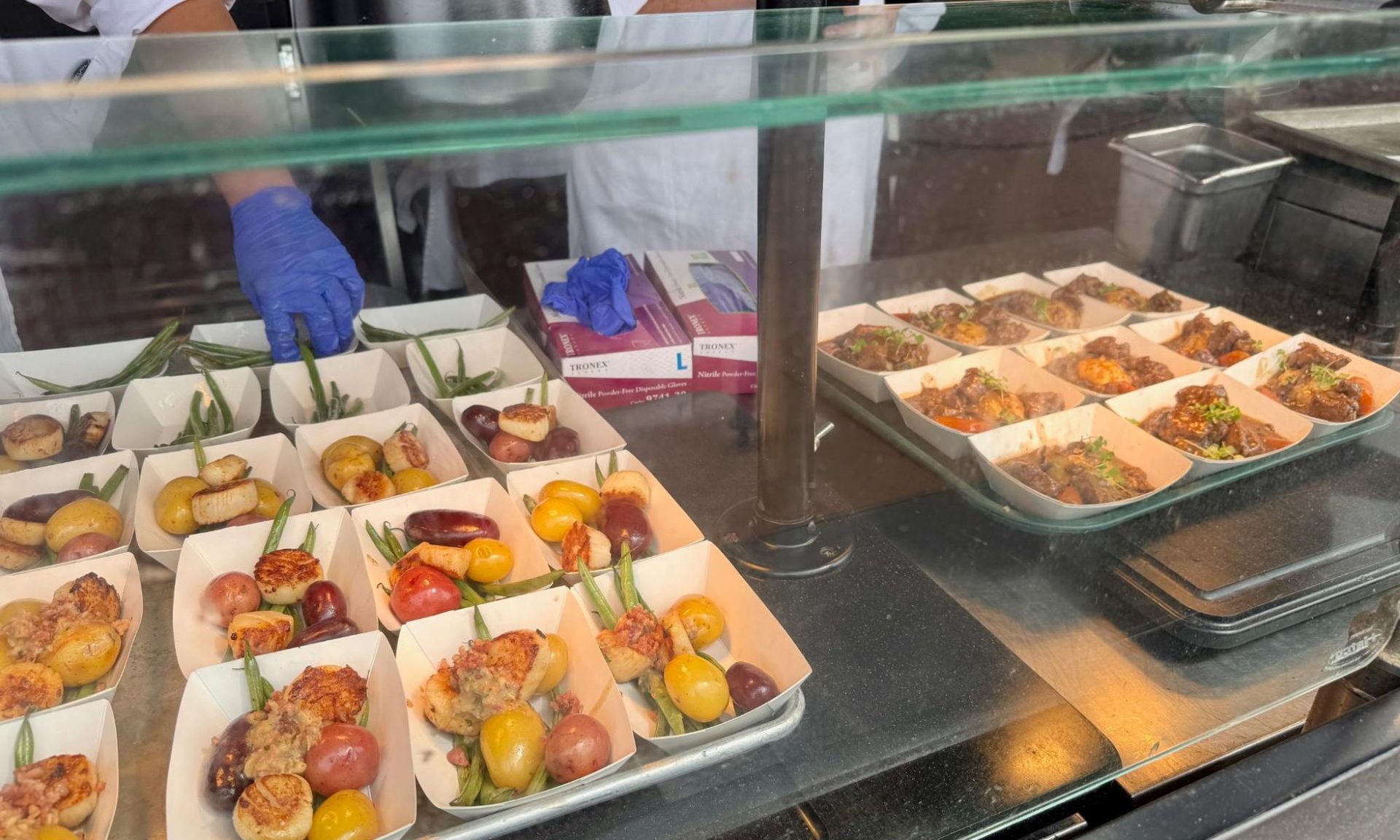
At one booth, Torok used a snack credit on bone marrow that retailed for more than $10 — double the average snack value.
“People forget about their snack credits,” she said. “We used them intentionally as meals.”
5. BYO food — and a suitcase to carry it in
As much as Torok loves the dining plan, she also saves money by packing food. Walt Disney World allows outside food, aside from a few exceptions (e.g. no alcohol and no glass containers).
“We dedicate a suitcase just for snacks,” Torok says, adding that her go-to snacks are peanut butter, jelly, bread, nuts, bars and squeeze pouches. “We snack all day, then do one big family meal at a buffet — like at Ohana [in Disney's Polynesian Village Resort]— and it works beautifully.”
However, if you’re packing those snacks on the plane too, just understand the rules around bringing food through airport security.
6. Know when the dining plan isn’t worth it
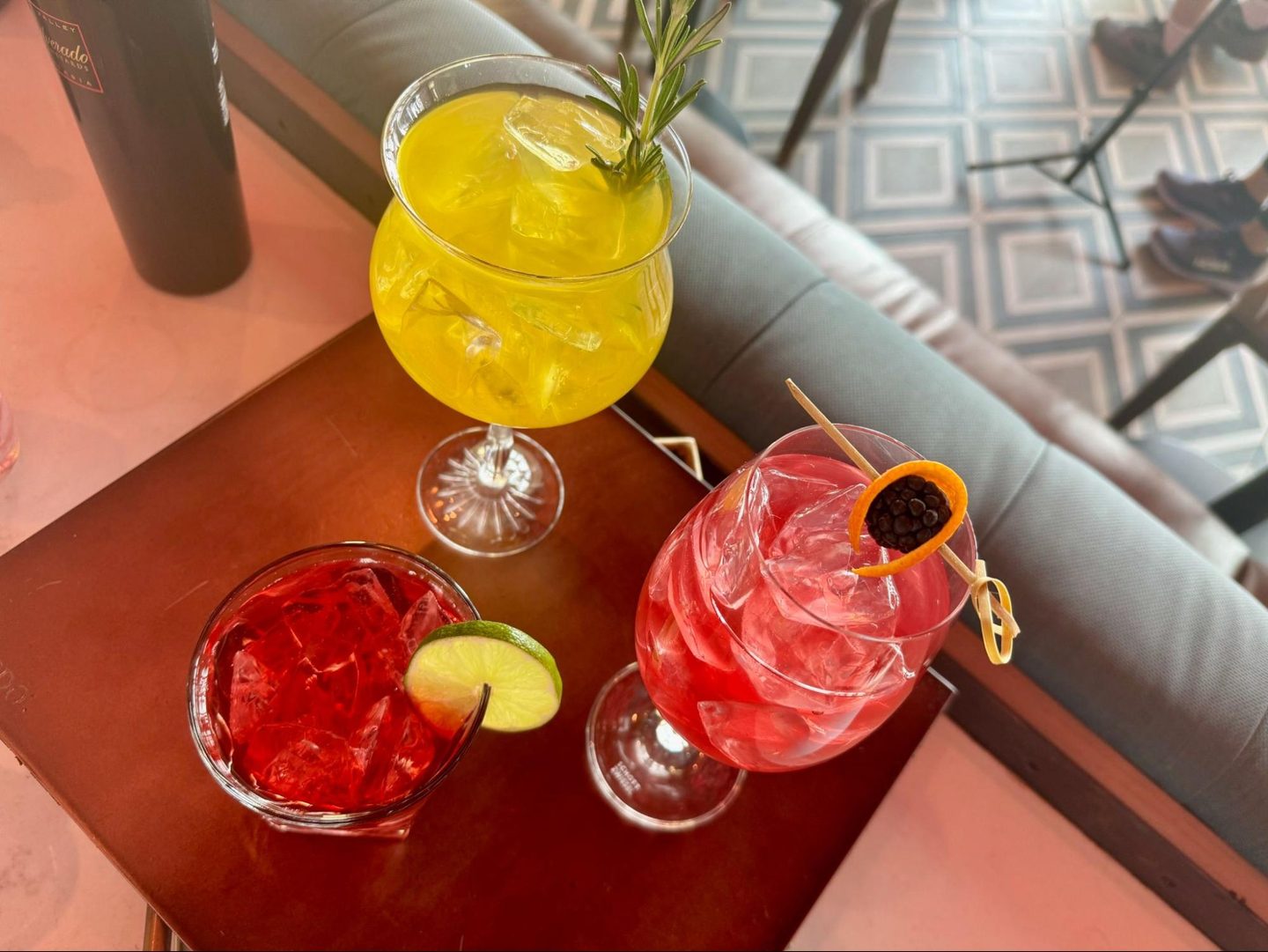
Torok admits the dining plan isn’t for everyone. Because many plant-based entrees are cheaper than their meat counterparts, vegetarians may end up paying more for the plan than you would a la carte. Same goes for teetotalers, since alcoholic drinks are included for adults on the dining plan.
“If you’re vegetarian, if you don’t drink, if you’re not a planner, the value probably isn’t there,” she said.
Torok says Disney Dining Plan is worth getting if you…
Enjoy planning meals in advance.
Have more kids in your room than adults.
Enjoy “mommy juice adult beverages,” as she calls them (that’s alcohol).
Don’t have food restrictions.
Prefer ease and convenience over saving money.
She says it's likely not worth getting if you…
Don’t eat meat.
Don’t drink alcohol.
Don’t have kids ages 3 to 9 in your room.
Don’t want to plan your meals in advance.
Don’t enjoy sharing food.
“If you’re going to buy the dining plan, make sure you’re actually getting your value. Otherwise, it’s just another convenience upcharge,” she says.
But if you’re willing to plan and play the game?
“You really can eat like royalty — and still come out ahead.”
Disney Dining Plan deals are getting more generous
You can squeeze out even more value from the Disney Dining Plan by staying at a Walt Disney World hotel and taking advantage of available promotions.
The 2026 Disney Dining Plan deal: This year’s offer is one of the best offers we've seen yet. If you book a Walt Disney Travel Company package that includes a room at a Disney Resorts Collection hotel and you purchase a Disney Dining Plan for the adults in your room, then all the kids ages 3 to 9 will get their Disney Dining Plan for free.
Unlike last year's 2025 deal, this one is stackable with other discounts.
How to maximize your rewards
You want a travel credit card that prioritizes what’s important to you. Here are some of the best travel credit cards of 2026:
Flexibility, point transfers and a large bonus: Chase Sapphire Preferred® Card
No annual fee: Wells Fargo Autograph® Card
Flat-rate travel rewards: Capital One Venture Rewards Credit Card
Bonus travel rewards and high-end perks: Chase Sapphire Reserve®
Luxury perks: American Express Platinum Card®
Business travelers: Ink Business Preferred® Credit Card