





Not having a Social Security number can be a serious stumbling block when you want to apply for a credit card, since most card issuers specifically ask for one on your application.
But there are ways to get a credit card without a Social Security number. In fact, some alternative credit cards readily advertise that they don't require one. This can be a huge benefit to the right applicant, especially to international students who may lack both a U.S. credit history and a U.S. Social Security number.
Here's what to know about your options and where to look.
1. Get an Individual Taxpayer Identification Number
In general, only U.S. citizens and noncitizens authorized to work in the U.S. are eligible for a Social Security number. But you’re “generally not required” to provide one if you don’t have one, according to the Social Security Administration.
Instead, you can obtain an Individual Taxpayer Identification Number, or ITIN, which is available regardless of your immigration status. It follows the same nine-digit format as a Social Security number (XXX-XX-XXXX) and can be used in place of one on credit card applications.
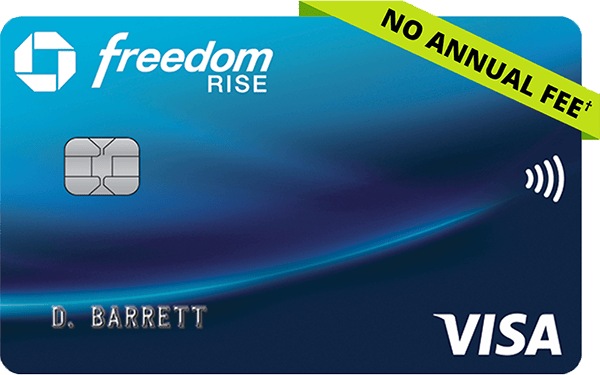
The Chase Freedom Rise® is one card that allows you to apply with an ITIN number. It’s an option that has built-in features to help you establish credit. Another potential benefit: It allows you to be considered for a credit limit increase within six months of using the card responsibly and making payments on time. This increase could benefit your credit score if you keep your credit utilization low. The card also earns 1.5% cash back on all eligible purchases.
2. Ensure you meet credit history qualifications
Of course, even if you do have a Social Security number or taxpayer ID number to put on a credit card application, that alone is not enough to guarantee approval. Most traditional credit card issuers will also look at your credit history, and that creates an entirely different challenge, especially for non-U.S. citizens. Even if you had a positive credit history in your country of origin, foreign credit history typically can’t be transferred to the United States. As far as most American credit card issuers are concerned, you have no credit history at all.

If you have a Social Security number but a thin credit file, you may need to start building your U.S. credit history by applying for a secured credit card. With these cards, you provide a deposit, usually $200 or more, that the issuer holds in case you don't pay your bill. In most cases, your deposit becomes your credit limit — put down a $500 deposit, for example, and your credit limit is $500.
You'll also need income to qualify for a credit card. Card issuers want to see that you'll be able to pay for things you charge. If you're 21 or older, you can list any income to which you have access, including that of a spouse or partner. If you're under 21, you can list only your own income on a credit card application.
3. Consider cards that don't require a Social Security number
Some credit card issuers use nontraditional underwriting to approve you without a Social Security number, or even a credit history. Some of those options to consider include:
Zolve Classic Credit Card
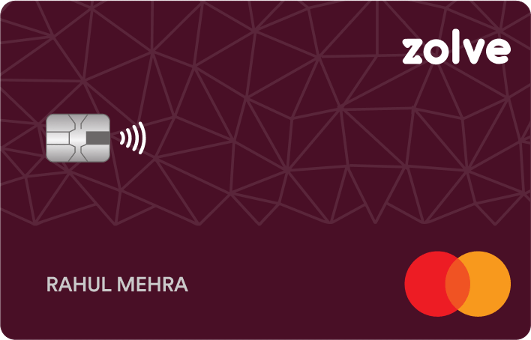
The Zolve Classic Credit Card is available to international students, as well as H-1B and L-1 work visa holders who can qualify with a passport and valid U.S. visa. You may also need to provide additional documentation such as job offer letters or payslips, or an I-20 form if you’re a student.
The card has a good combination of features for beginners: There's no deposit or credit history requirement, the annual fee is $0, and it even earns modest rewards. You'll get 1% cash back on all eligible purchases.
Payments are reported to all three major U.S. credit bureaus, which is ideal because those bureaus collect the data used to calculate your credit scores.
Neu Card
The Neu Card doesn't require a credit history or a security deposit upfront. Instead, it charges a monthly fee of $4 or $7 ($48 or $84 annually), which is determined based on information you provide in the application. It doesn’t work like a traditional credit card; interest charges and other fees don't apply because you can’t carry a balance from one month to the next.
The $4 monthly plan provides a $200 credit limit, and the $7 monthly plan offers a minimum credit limit of $350. The higher-monthly-fee plan also offers the opportunity to grow your credit limit over time, up to $1,000, if you frequently pay on time and meet other requirements. Regardless of which plan you're on, the card also earns 1.25% cash back on all eligible purchases.
The Neu Card reports payments to all three major credit bureaus: TransUnion, Equifax and Experian. When you’re establishing credit, it’s ideal to have a card that reports to all three major U.S. credit bureaus. Even with a monthly cost, the Neu Card still merits consideration if your options are limited as an international student. Without a Social Security number, you can potentially qualify with a Visa stamp that has six months until it expires.
4. Build your credit, with or without a Social Security number
Even if you don't have a Social Security number, the U.S. credit bureaus will use other information about you, such as your name, address and birthdate, to gather information about your credit activity all in one place.
To build good credit, you’ll need to show positive payment history over time. This means making regular purchases and paying off your balance on time every month.
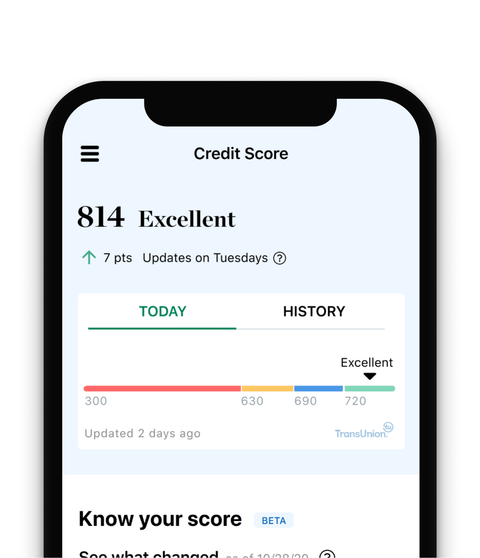
It takes about six months of credit activity for a FICO credit score to be created. Once you have a FICO score — the score most commonly used by lenders to determine your creditworthiness — you may find a wider variety of credit cards available to you. You could move up to an unsecured credit card (one that doesn't require a deposit) and eventually cards that offer juicy rewards.