

Home warranties usually don’t cover mold removal, but they may repair issues that cause mold, such as leaking pipes, broken appliances or poor ventilation.
Home warranties usually don’t cover mold
Home warranties don’t generally cover the costs to clean up mold. They pay to repair issues caused by everyday use, such as a part in your oven wearing out over time. But mold doesn’t pop up because of normal wear and tear. It’s typically caused by a maintenance, workmanship or ventilation issue.
Home warranties treat mold issues as something homeowners can prevent with proper home maintenance. So they tend to treat mold removal as the homeowner’s responsibility.
When a home warranty covers a related issue
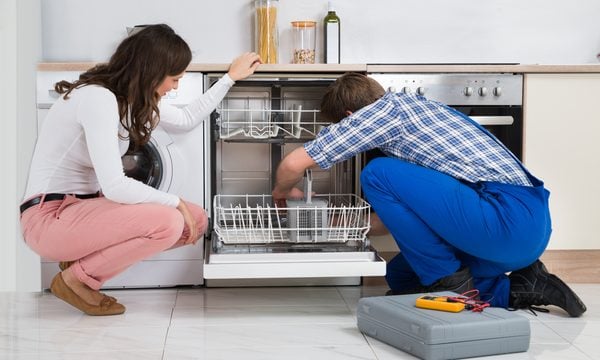
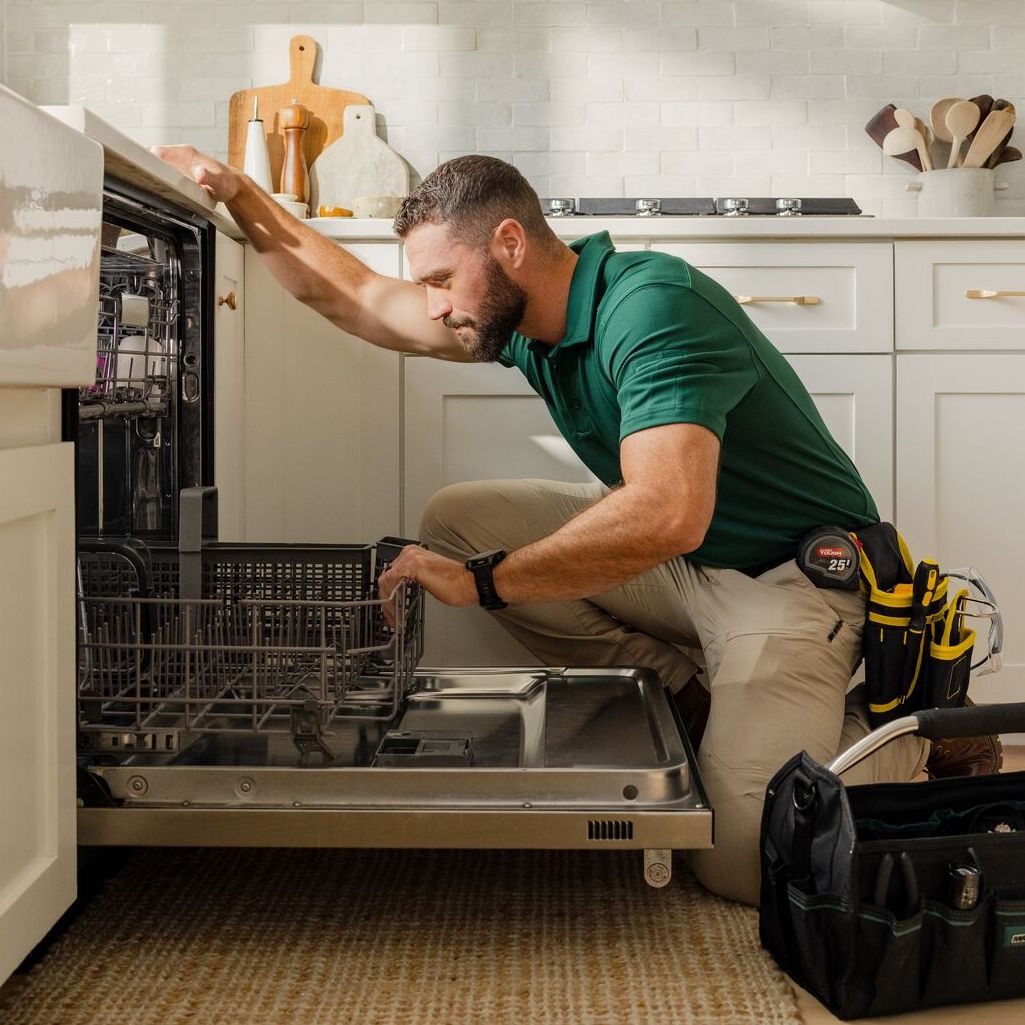
Even though home warranty plans don’t generally cover mold, they typically repair plumbing leaks and moisture issues that can cause mold. These include covered leaks in pipes, HVAC systems and appliances that happen because of normal wear and tear. For example, a home warranty might cover leaking drain lines or worn out toilet seals, which if left unresolved could lead to a mold problem.
Keep in mind that while home warranties may cover repair or replacement of the faulty item, these plans will not cover the costs to remove mold that resulted from the issue.
Home warranties also vary in what coverage they offer for appliances or systems that could cause mold to grow in your home. For example, some companies, such as American Home Shield, include roof leak coverage in one or more plans. Other companies, such as Liberty Home Guard and Select Home Warranty, offer optional coverage for roof leaks that you can add on to existing plans for an extra fee.
» MORE: What does a home warranty cover?
Compare home warranties
Coverage, pricing and features — see one which fits your budget

Working to prevent mold in your home
Even with a home warranty, it’s up to you to watch for mold and maintain your systems and appliances to find and report covered leaks to your home warranty company early. This way you can get your covered issues repaired before mold has time to grow.
In addition to maintenance, here are some other important steps you can take to prevent mold:
Use dehumidifiers to keep the humidity in your home between 30% and 50%.
Be sure your home is properly insulated to avoid condensation.
Make sure the land slopes away from your home’s foundation to avoid water collecting against your house.
Open a window (weather permitting) or use an exhaust fan when running your dishwasher or showering.
Maintain your roof and gutters to keep water from leaking into your house.
Check A/C lines and drip pans regularly for leaks and obstructions.
Mold coverage with homeowners insurance
In most cases, homeowners insurance doesn’t cover mold removal if mold was caused by a lack of home maintenance, such as clogged or broken roof gutters or backed up drains or sewers. If homeowners insurance covers the situation that caused the mold, such as a burst pipe or water entering your home from a storm, your homeowners insurance may pay to clean up the mold. Some home insurance companies offer an optional add-on called a mold endorsement that covers hidden mold caused by other situations, such as slow ongoing leaks and moisture.
 | Best coverage for specific situations  |  |
Call Choice Home Warranty | Call American Home Shield | Call Select Home Warranty |
Limited-Time Deal: $75 off and 1st month of membership for free on Choice Home Warranty's website | on American Home Shield's website | Limited-Time Deal: $150 off any plan on Select Home Warranty's website |
Monthly fees About $49 and up Based on quotes without discounts collected in September 2025. | Monthly fees $20 and up Based on quotes without discounts collected in August 2025. | Monthly fees $60 and up Based on quotes collected in June 2025. |
Service fees $100 per claim | Service fees $100 or $125 per claim | Service fees $75-$100 per claim |
Plan types Comprehensive | Plan types Systems-only and comprehensive | Plan types Appliance-only, systems-only and comprehensive |
Frequently Asked Questions
Do home warranties cover problems that may have caused mold?
Home warranties don’t generally cover mold removal. However these plans might repair leaks that could have led to the growth of mold. These covered issues may include leaking refrigerators, dishwashers and water heaters as well as faulty hoses and seals on washing machines. Plans vary on their coverage, so you’ll want to read through your service agreement to see what situations are covered.
If my home warranty claim for mold is denied, can I file a homeowners insurance claim?
You’re always free to contact your homeowners insurance for a claim assessment if your home warranty denies a mold claim. Be aware that most standard home insurance policies will only pay for mold removal if the mold occurred due to a covered peril such as water leaking in from a severe storm.