








Mercury is a major player in the startup banking space. But a few other banks and fintech companies offer excellent business checking accounts worth a look.
Some platforms on this list — Brex, Rho and Meow — look a lot like Mercury. They have polished websites, few required fees and even similar bank account features, like free wire transfers. They aim to serve the same startup audience.
Others, like Bluevine and Relay, may be better for smaller companies without outside investors.
Most of these companies began as venture-backed startups themselves. For that reason, I’m not evaluating them solely by feature set. I’m also considering factors like funding rounds, time in business, pending acquisitions and bank charter status. Those offer clues about where these companies are headed and what kinds of customers they’re focused on.
» MORE: Read our full review of Mercury
Brex

Brex and Mercury have long been linked. Both were even founded in 2017.
But Brex more narrowly focuses on venture-backed startups and mid-market companies. (You can view their requirements here.) Mercury opens its doors wider and may be easier to qualify for. If you’re eligible for a Brex account, though, it’s a great choice. You’ll still get free wires, plus some things Mercury lacks — built-in travel booking and 24/7 phone support.
Brex and Mercury have also plotted different paths for their futures. Capital One completed an acquisition of Brex in April 2026. It’s not yet clear how much of an impact that will have on Brex customers. As of this writing seven months later, I haven’t seen any reporting that suggests Brex users are unhappy with the merger.
Mercury, on the other hand, applied to get its own bank charter. It received conditional approval for this in April 2026. Becoming a bank itself means Mercury won’t have to rely on a partner for banking services.
Although it’s now part of Capital One, Brex still partners with Column, N.A., an FDIC-insured bank, for its checking account. Read our review of the Brex business bank account.
Features head to head: Mercury vs. Brex
Mercury | Brex | |
Free wire transfers | Yes. | Yes. |
Customer support | 24/7 support in the app or phone support on weekdays from 6 a.m. to 5:30 p.m. PT. | 24/7 via phone, SMS, email or live chat. |
Check deposit hold times | Checks are manually reviewed. Once approved, funds can take up to 5 business days to clear. | Checks usually clear 2-5 business days after deposit. |
Built-in corporate card with spend management tools | Yes. | |
Insured cash sweep on certain accounts | Yes, up to $5 million. | Yes, up to $6 million. |
Currency exchange fees | All customers pay a 1% exchange fee to send international wires in non-USD currencies. Only Mercury customers on partner banks Column N.A. and Choice Financial Group can receive wires in foreign currencies. | All customers pay a 1% exchange fee to send international wires in non-USD currencies. |
Rho

Like Brex, Rho offers 24/7 phone support. (I tested online business bank accounts’ customer support in early 2025, and Rho’s callback option worked very well.) Mercury touts 24/7 support via its app only. Mercury told NerdWallet in November 2026 that phone support is available on weekdays from 6 a.m. to 5:30 p.m. PT, but it doesn’t publish that information publicly.
Other than that, Rho and Mercury’s platforms look a lot alike. Both offer checking accounts, savings accounts, treasuries and corporate cards. Both have free wire transfers and 1% fees on currency conversions. If you ever need cash, Mercury allows ATM withdrawals; Rho doesn’t.
Rho was founded a year after Mercury, in 2018. It closed its Series B round in 2021, according to Crunchbase. That may suggest Rho is focused on acquiring customers right now.
Rho partners with Webster Bank N.A., and Lead Bank, both FDIC members, for its checking and card services. Read our review of Rho.
Features head to head: Mercury vs. Rho
Mercury | Rho | |
Free wire transfers | Yes. | Yes. |
Customer support | 24/7 support in the app or phone support on weekdays from 6 a.m. to 5:30 p.m. PT. | 24/7 via phone, email or live chat. |
Check deposit hold times | Checks are manually reviewed. Once approved, funds can take up to 5 business days to clear. | 2-3 business days. Potentially 6-7 if risk-based monitoring is necessary. |
Built-in corporate card with spend management tools | Yes. | Yes. |
Insured cash sweep on certain accounts | Yes, up to $5 million. | Yes, up to $75 million through Rho Savings. |
Currency exchange fees | All customers pay a 1% exchange fee to send international wires in non-USD currencies. Only Mercury customers on partner banks Column N.A. and Choice Financial Group can receive wires in foreign currencies. | All customers pay a 1% exchange fee to send international wires in non-USD currencies. |
Ramp
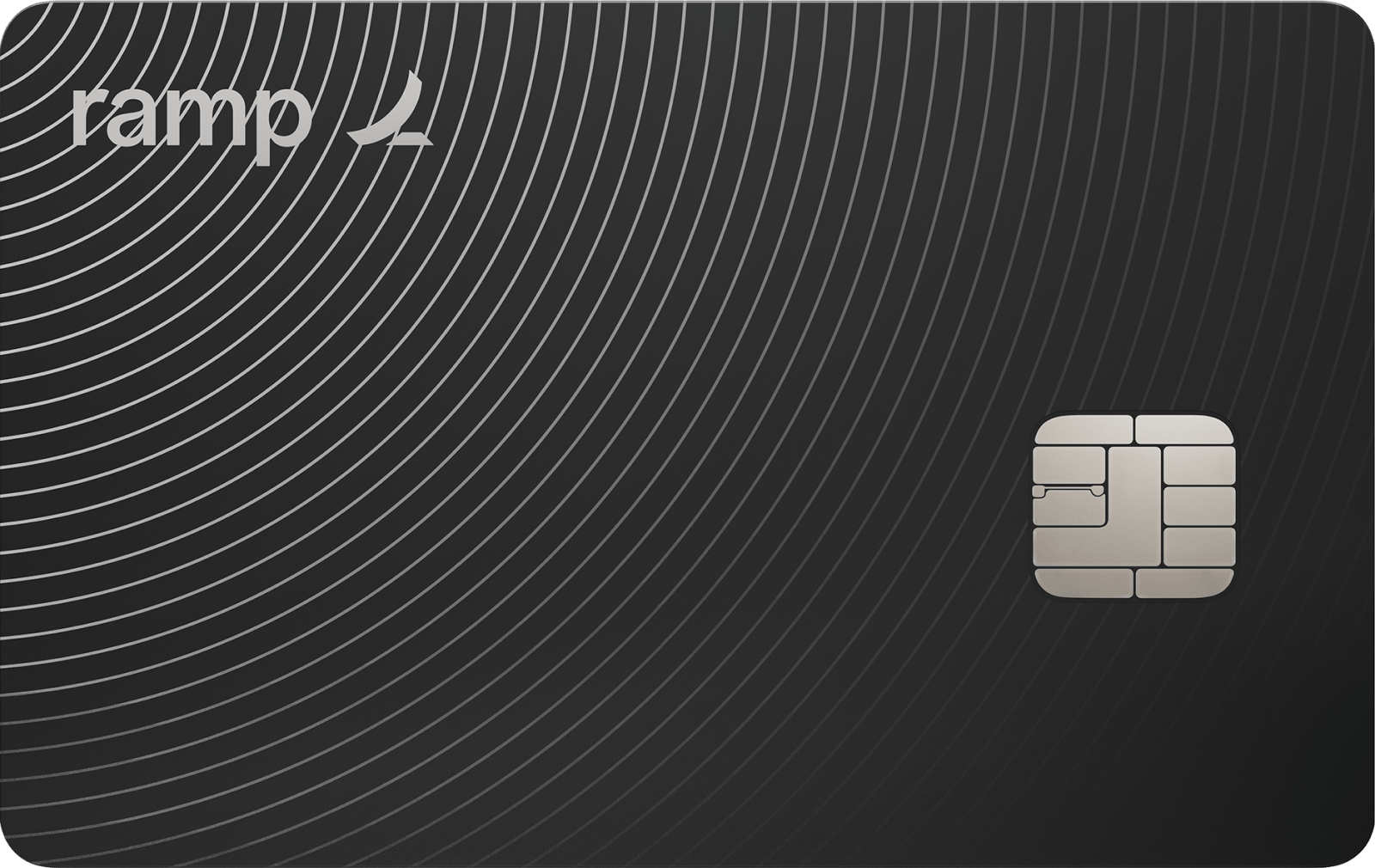
Ramp started out as a corporate card and spend management software company. But it now offers checking and investment accounts too. That makes it look a lot more like a head-to-head competitor with Mercury.
Both companies are working to become full-service finance platforms. But in general, Mercury’s tools are designed for owner-operators who help run their company’s finances. Ramp’s are built for large teams with finance departments seeking efficiency.
Each company’s AI tools illustrate the difference. Mercury’s Command tool is a natural language assistant that can do things like send payments to vendors or issue new virtual cards. Mercury Books, the company’s AI-based bookkeeping tool, costs $35 per month. Ramp’s agents approve certain expenses and flag suspicious transactions. Users can also create agents with their own budgets, so they can make their own purchases.
Qualification requirements reflect it too. Ramp users must have a U.S.-registered corporation, LLC or LP and at least $25,000 in a linked bank account. Mercury doesn’t have a minimum balance.
Ramp applied for a trust bank charter in October 2026. If approved, Ramp would offer fiduciary investment management and digital-asset custody. It doesn’t plan to hold deposits. (Mercury’s national bank charter would allow this.) Ramp customer funds are held at First Internet Bank, Member FDIC. Read our review of Ramp.
Features head to head: Mercury vs. Ramp
Mercury | Ramp | |
Free wire transfers | Yes. | Yes. |
Customer support | 24/7 support in the app or phone support on weekdays from 6 a.m. to 5:30 p.m. PT. | Phone and in-app support available 24/7. |
Check deposit hold times | Checks are manually reviewed. Once approved, funds can take up to 5 business days to clear. | Checks take up to 5 business days to settle. |
Built-in corporate card with spend management tools | Yes. | Yes. |
Insured cash sweep on certain accounts | Yes, up to $5 million. | Yes, up to “tens of millions of dollars.” Ramp doesn’t give a specific limit. |
Currency exchange fees | All customers pay a 1% exchange fee to send international wires in non-USD currencies. Only Mercury customers on partner banks Column N.A. and Choice Financial Group can receive wires in foreign currencies. | Currency exchange is provided by Wise. Wise sets the exchange rate, but Ramp does not charge an additional conversion fee. |
Grasshopper

Banking with a financial technology company isn’t for everyone. If you’d rather work directly with an FDIC-insured bank, consider Grasshopper.
This online-only bank was founded in 2019 and serves startups and small businesses. You’ll get low-cost outgoing domestic wires ($10 each) and up to $125 million in insured cash sweep coverage. Plus, Grasshopper offers phone support on weekdays.
What Grasshopper lacks compared to Mercury: Easy wire transfers in currencies other than USD. You’ll have to turn to a different brand for a corporate card, too. (Grasshopper has a referral partnership with Ramp, though, that could net you a $1,000 bonus.) Read our review of Grasshopper.
Features head to head: Mercury vs. Grasshopper
Mercury | Grasshopper | |
Free wire transfers | Yes. | Incoming domestic wires are free. Incoming international wires cost $5. Outgoing domestic wires cost $10 and outgoing international wires cost $25. |
Customer support | 24/7 support in the app or phone support on weekdays from 6 a.m. to 5:30 p.m. PT. | Via phone from 9 a.m. to 9 p.m. ET on weekdays. Chat and email support are also available. |
Check deposit hold times | Checks are manually reviewed. Once approved, funds can take up to 5 business days to clear. | Some of the deposit amount may be available the next business day. The remainder may take up to 7 business days. |
Built-in corporate card with spend management tools | Yes. | No. |
Insured cash sweep on certain accounts | Yes, up to $5 million. | Yes, up to $125 million. |
Currency exchange fees | All customers pay a 1% exchange fee to send international wires in non-USD currencies. Only Mercury customers on partner banks Column N.A. and Choice Financial Group can receive wires in foreign currencies. | To send a wire in a currency other than USD, Grasshopper accountholders need to contact client services. |
Relay

Relay is a fintech company with an online banking platform well suited to small and medium-sized companies. Relay supports cash deposits, which may make it a better choice for companies that do business in person.
Relay’s wire transfers aren’t free, but they’re cheaper than nearly every competitor. Using local payment networks, you’ll pay up to just $8 for outgoing domestic wires and $5 for outgoing international wires on the free plan. Fees drop if you pay for a monthly subscription.
Beyond that, Relay lets you create up to 20 business checking accounts for different purposes. If you’re loyal to the profit-first accounting method, that can include profit and owner’s pay, along with ongoing expenses like payroll. And all users get built-in expense management tools like receipt matching and expense categorization.
Relay was founded in 2018 and held its most recent funding round (Series B) in March 2024. The company received an additional $50 million investment from General Catalyst, a VC firm, in spring 2026.
Relay partners with Thread Bank, Member FDIC, for its banking services. Read our review of Relay.
Features head to head: Mercury vs. Relay
Mercury | Relay | |
Free wire transfers | Yes. | Incoming wires are generally free. Outgoing domestic wires are $5 or $8 depending on your Relay subscription plan. Outgoing international wires cost $1.50-$5 if you use a local payment network or $20 or $25 if you use the SWIFT network. |
Customer support | 24/7 support in the app or phone support on weekdays from 6 a.m. to 5:30 p.m. PT. | Via phone from 9 a.m. to 8 p.m. ET on weekdays. Virtual support is also available. |
Check deposit hold times | Checks are manually reviewed. Once approved, funds can take up to 5 business days to clear. | Up to 7 business days. |
Built-in corporate card with spend management tools | Yes. | Available to existing Relay customers by invitation only. |
Insured cash sweep on certain accounts | Yes, up to $5 million. | Yes, up to $3 million. |
Currency exchange fees | All customers pay a 1% exchange fee to send international wires in non-USD currencies. Only Mercury customers on partner banks Column N.A. and Choice Financial Group can receive wires in foreign currencies. | Currency exchange fees on non-USD wires start at 1%. |
Bluevine

Mercury’s tools are best suited to fast-growing startups that frequently make large transfers. If your business is smaller and its operations are simpler, Bluevine’s business checking account may be easier to navigate.
You’ll still get insured cash sweep services, free incoming wires and operator-friendly tools like invoicing. Beyond that, Bluevine pays a competitive APY on your checking balance — 1.30% or potentially higher if you sign up for a subscription plan. To earn yield with Mercury, you’ll have to take the extra step of moving funds into treasuries.
Bluevine currently partners with Coastal Community Bank, Member FDIC, for banking services. But in 2026, Valley National Bancorp announced a deal to acquire Bluevine. Customer funds will be transferred from Coastal Community Bank to Valley in the first half of 2027, according to reporting in Banking Dive.
This acquisition is still a few steps behind the Brex acquisition, so we know even less about how it will impact customers. But changing the bank behind Bluevine’s account will at least mean new account routing numbers. If you don’t want to have to change that information for things like payroll and ACH vendor payments, it might be wise to wait until this deal closes. Read our review of Bluevine.
Features head to head: Mercury vs. Bluevine
Mercury | Bluevine | |
Free wire transfers | Yes. | Incoming wires are free. Outgoing domestic wires range from $7.50 to $15 depending on your Bluevine subscription plan. Outgoing international wires range from $12.50 to $25. |
Customer support | 24/7 support in the app or phone support on weekdays from 6 a.m. to 5:30 p.m. PT. | Via phone from 8 a.m. to 8 p.m. ET on weekdays. Email and chat support are also available. |
Check deposit hold times | Checks are manually reviewed. Once approved, funds can take up to 5 business days to clear. | Same or next business day. If a hold is placed on the check, 3 to 6 business days. |
Built-in corporate card with spend management tools | Yes. | No. (A business credit card is available to certain customers by invite only.) |
Insured cash sweep on certain accounts | Yes, up to $5 million. | Yes, up to $3 million. |
Currency exchange fees | All customers pay a 1% exchange fee to send international wires in non-USD currencies. Only Mercury customers on partner banks Column N.A. and Choice Financial Group can receive wires in foreign currencies. | Bluevine charges 1% to 1.5%, depending on your subscription plan, to send wires in currency other than USD. |
Meow
Meow was founded in 2021 and closed a Series B funding round in October 2026. The lead investor, Stifel, plans to white-label Meow’s software for commercial banks, according to Meow.
Meow is the smallest company on this list — its LinkedIn page says it has 11 to 50 employees. That could mean major changes are still ahead as the company grows or searches for product-market fit.
Meow is the only institution on this list that directly deals with crypto, though. Users can send and receive USDC from Ethereum, Solana and Base via their Meow Global Account, which appears beside the checking account.
Mercury, in contrast, supports buying crypto but not holding non-fiat currencies in your account. Brex announced in September 2025 that it would start supporting stablecoin payments in “the coming months.” But there are no results in its help center for “stablecoin,” “USDC” or “fiat” as of this writing.
Meow partners with Cross River Bank, N.A. and Grasshopper Bank, N.A., Members FDIC, for banking services. (Yes, that's the Grasshopper Bank listed above.)
Features head to head: Mercury vs. Meow
Mercury | Meow | |
Free wire transfers | Yes. | Yes. |
Customer support | 24/7 support in the app or phone support on weekdays from 6 a.m. to 5:30 p.m. PT. | Via email or Meow's app during U.S. business hours. Meow does not specify what those hours are, nor does it list a support phone number. |
Check deposit hold times | Checks are manually reviewed. Once approved, funds can take up to 5 business days to clear. | Meow holds funds for six to 11 days before processing starts. On the next business day, eligible accounts have access to $6,725. On the sixth business day after processing starts — potentially two to three weeks after you deposited the check — the full amount is available. Newer accounts may take even longer. |
Built-in corporate card with spend management tools | Yes. | Yes. |
Insured cash sweep on certain accounts | Yes, up to $5 million. | Yes, up to $125 million. |
Currency exchange fees | All customers pay a 1% exchange fee to send international wires in non-USD currencies. Only Mercury customers on partner banks Column N.A. and Choice Financial Group can receive wires in foreign currencies. | Meow does not publish fees for currency conversions. |
Who should consider alternatives to Mercury?
Mercury is a popular platform with a lot to offer. But it may not be a fit in the following cases:
If you're skeptical about fintech companies. Mercury is a neobank that currently works with two FDIC-insured banks, Column N.A. and Choice Financial Group.
The company is in the process of securing its own bank charter, which would make it an FDIC-insured institution itself. Mercury Bank received a conditional charter from the Office of the Comptroller of the Currency in April 2026. It now has to organize itself internally and apply for approval from the FDIC and the Federal Reserve.
That change doesn’t mean Mercury users’ funds are unsafe right now. Both Column and Choice are FDIC insured. If either were to fail, customer funds would be protected up to the FDIC insurance limit of $250,000 per depositor, per account (or more if they use insured cash sweep). But if Mercury were to go under, customers might have to track down and recoup their own funds.
If the bank receives its full charter, Mercury customer funds will presumably move to Mercury Bank. That would eliminate the middleman. The same company would provide the banking services and the software on top.
Historically, chartered banks and neobanks have been separate companies. Banks have been slow to develop great software and software companies have balked at pursuing bank charters. But that’s changing. Traditional banks agreed to acquire Brex and Bluevine, adding a software layer to their banking services. And Mercury is pursuing that underlying banking infrastructure. In a few years, “neobank” companies may just be banks themselves.
For now, though, it’s important to know where Mercury sits. And if you’d rather work with an FDIC-insured bank right away, consider Grasshopper, which already has its own charter.
If you want 24/7 phone support. Mercury encourages customers to use its app to contact support and call for urgent issues. That may be plenty for your business. But if you value the ability to pick up the phone 24/7, explore Rho and Brex instead.
If your company handles cash. Mercury was designed with digital-first startups in mind. It's expanded to serve Main Street by adding features like ATM withdrawals, but still lacks cash deposits. Fintech companies like Relay and Bluevine offer that feature, which you'll need if you have customers who pay cash.
Relay is a financial technology company, not a bank. Banking services provided by Thread Bank, Member FDIC. The Relay Visa Debit Card is issued by Thread Bank, Member FDIC, pursuant to a license from Visa U.S.A. Inc. and may be used anywhere Visa cards are accepted.
Methodology
NerdWallet’s writers and editors evaluate more than 60 business bank accounts from national, regional and online banks. Collectively, these accounts represent the largest banks by assets and the largest credit unions by membership, along with notable and emerging fintech companies and online banks.
We consider more than 20 data points for each account, including services, fees, features and rewards. We gather this information from rates and fees documents, deposit account agreements, financial institution websites and company representatives.
Our editorial team regularly reviews and updates our data to ensure consistency and accuracy. We also update our scoring on an ongoing basis to reflect changing industry norms and business owner needs. For instance, in 2026, we adjusted our expectations for APYs due to falling interest rates.
Final ratings range from one to five stars. A five-star score represents the best available product for the largest number of business owners. Learn more about how we rate business checking accounts.