

Many vacation goers who spend time exploring the Caribbean islands choose to do so by cruise ship. A cruise can be a stress-free way to soak up the sun and sand at incredible tropical destinations while unpacking just once.
If you're new to cruising, you may wonder: how much is a Caribbean cruise? The answer depends heavily on which cruise line you choose and what kind of experience you're looking for. The total cost of a cruise can vary depending on many factors, such as the departure port, itinerary, length, travel dates and the type of cabin booked. Additionally, the desired experience you're going for can significantly influence the cost.
A luxury, all-inclusive cruise will cost significantly more, while a no-frills Caribbean cruise can be cheaper. Before booking, find out what considerations you should make to determine the cost of a Caribbean cruise.
Average Caribbean cruise costs by cruise line
Caribbean cruise prices in 2026 vary dramatically depending on which cruise line you choose. Here's what to expect across different cruise lines for comparable 3-5 night Caribbean sailings:
Budget-friendly options:
Royal Caribbean: $550-$710 per person (inside cabin, 3-5 nights).
Carnival: Often the lowest prices by a long shot — but extras like drink packages tend to cost far more than competitors.
MSC Cruises: Low base fares (7-night sailings tend to start around $439 per person) with a more international, European onboard feel.
Premium options:
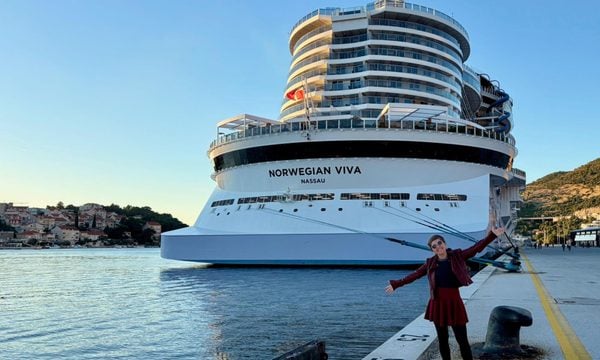
Norwegian Cruise Line: Slightly higher than Royal Caribbean, typically $600-$800 per person.
Disney Cruise Line: $1,400-$1,900 per person (inside cabin, 3-5 nights).
According to data provided by Cruise Critic to NerdWallet, Royal Caribbean sailings to the Caribbean, Bahamas and Bermuda in 2026 average more than 60% cheaper than Disney Cruises for most of the year. During peak summer months of June through September, the price gap widens even further.
The takeaway? Your choice of cruise line matters just as much as when you sail or which cabin you book. If budget is your primary concern, Royal Caribbean, Carnival and MSC offer excellent family experiences at significantly lower prices than premium brands like Disney.

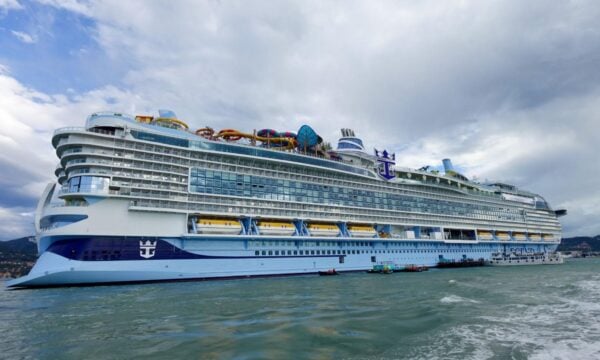
But even within cruise lines, certain ships can command higher price tags. For example, Royal generally fits in the budget-friendly bucket. But if you choose to sail on one of Royal Caribbean’s flagship Icon Class vessels like the Star of the Seas or the newer Legend of the Seas, your budget should increase. Those ships are far more detailed and high-end with Broadway-caliber shows, multiple waterslides and impressive art. You get what you pay for, and with newer ships you're generally paying more but getting more.

By signing up, you will receive newsletters and promotional content and agree to our Terms of Use and acknowledge the data practices in our Privacy Policy. You may unsubscribe at any time.
How much is a short-term cruise to the Caribbean?
Short Caribbean cruises (3-5 nights) are ideal for first-time cruisers or those with limited vacation time. Based on 2026 pricing across multiple cruise lines, expect to pay:
Budget lines (Royal Caribbean, Carnival, MSC):
Inside cabin: $350-$600 per person for 3-4 nights.
Balcony cabin: $500-$900 per person for 3-4 nights.
Premium lines (Disney, Celebrity):
Inside cabin: $700-$1,200 per person for 3-4 nights.
Balcony cabin: $1,000-$1,800 per person for 3-4 nights.
» Learn more: The best ways to book a cruise
How much is a weeklong cruise to the Caribbean?
Seven-night Caribbean cruises give you more time to explore multiple islands and enjoy onboard amenities. Based on 2026 pricing:
Budget lines:
Inside cabin: $500-$800 per person.
Balcony cabin: $800-$1,300 per person.
Premium lines:
Inside cabin: $1,200-$2,000 per person.
Balcony cabin: $1,800-$3,000 per person.
Here's a sample comparison of 7-night Caribbean cruises across different cruise lines:
Cruise line | Destination(s) | Length | Base price |
|---|---|---|---|
Carnival Cruise Line | New Orleans to Key West, Florida; Freeport, Bahamas and Nassau, Bahamas. | 7 nights. | $614. |
Celebrity Cruises | Fort Lauderdale, Florida to Nassau, Bahamas; Cozumel, Mexico and Grand Cayman, Cayman Islands. | 7 nights. | $799. |
MSC Cruises | Miami to Isla de Roatan, Honduras; Belize City, Belize; Costa Maya, Mexico and Nassau, Bahamas. | 7 nights. | $439. |
Royal Caribbean | Tampa, Florida to Puerto Costa Maya, Mexico; Cozumel, Mexico and Roatan, Honduras. | 7 nights. | $492. |
Virgin Voyages | Miami to Roatan, Honduras; Costa Maya, Mexico and Bimini, Bahamas. | 6 nights. | $833. |
» Learn more: The best cruise lines
What's included in Caribbean cruise prices?
Understanding what's included in your base fare helps you budget accurately and avoid surprise charges.
Typically included:
Accommodations for the cruise duration.
Main dining room meals and buffet access.
Basic beverages like water, coffee, tea and juice (excludes soda and alcohol on most lines).
Onboard entertainment including shows, live music and deck parties.
Kids' clubs and youth programming.
Pools, waterslides and fitness centers.
Access to private islands on many Caribbean itineraries.
Not included (expect extra charges):
Gratuities: $14-$20 per person, per day (automatically added to your bill).
Alcoholic beverages: $10-$15 per drink, or $50-$80/day for unlimited drink packages.
Specialty dining: $30-$75 per person, per meal.
Shore excursions: $50-$300+ per person, per excursion.
Wi-Fi: $15-$30 per day.
Spa services and premium fitness classes.
Photos, casino gambling and shopping.
Private island access is increasingly valuable
Many cruise lines now operate their own private island or beach club destinations, which have become one of the strongest arguments for cruising over a traditional land-based beach vacation. You get a curated, crowd-controlled beach day — typically with cleaner facilities, shorter lines,and more amenities than a public port beach — bundled into your fare.
What's included varies by line and destination, but most private islands offer free beach access, lounge chairs, pools and basic food options as part of your cruise fare, with paid upgrades available for premium experiences.
A few notable examples across cruise lines:
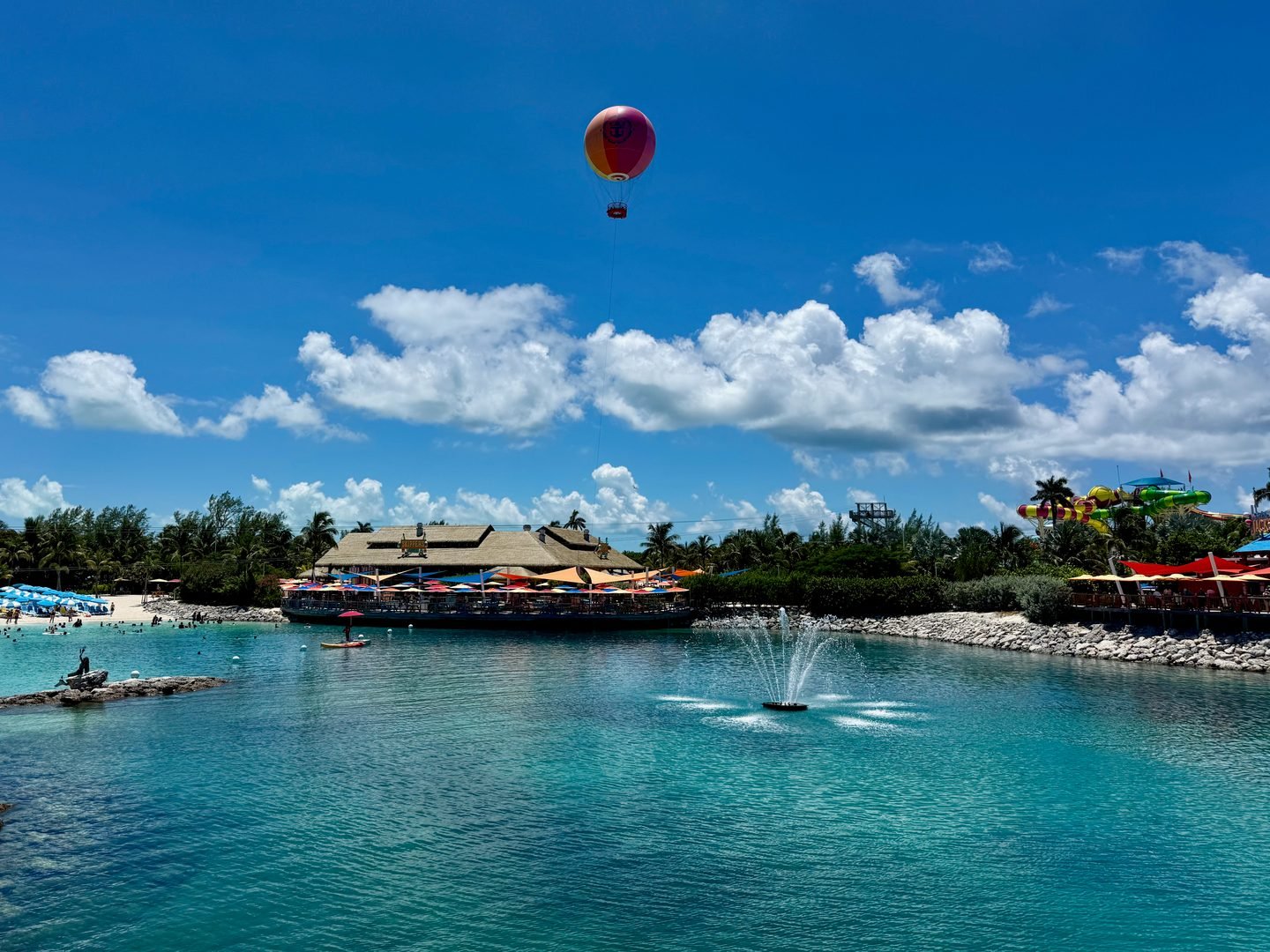
Royal Caribbean — Perfect Day at CocoCay (Bahamas): Free beach access, snorkeling, and the Caribbean's largest freshwater pool are included. Paid upgrades include the Thrill Waterpark (home to a 135-foot waterslide, the tallest in North America) and Coco Beach Club with overwater cabanas. Royal Caribbean also opened the Royal Beach Club Paradise Island in Nassau in December 2025 — a separately ticketed private beach experience (day passes from $129.99) that has genuinely transformed Nassau from one of cruising's least-loved port stops into a highlight.
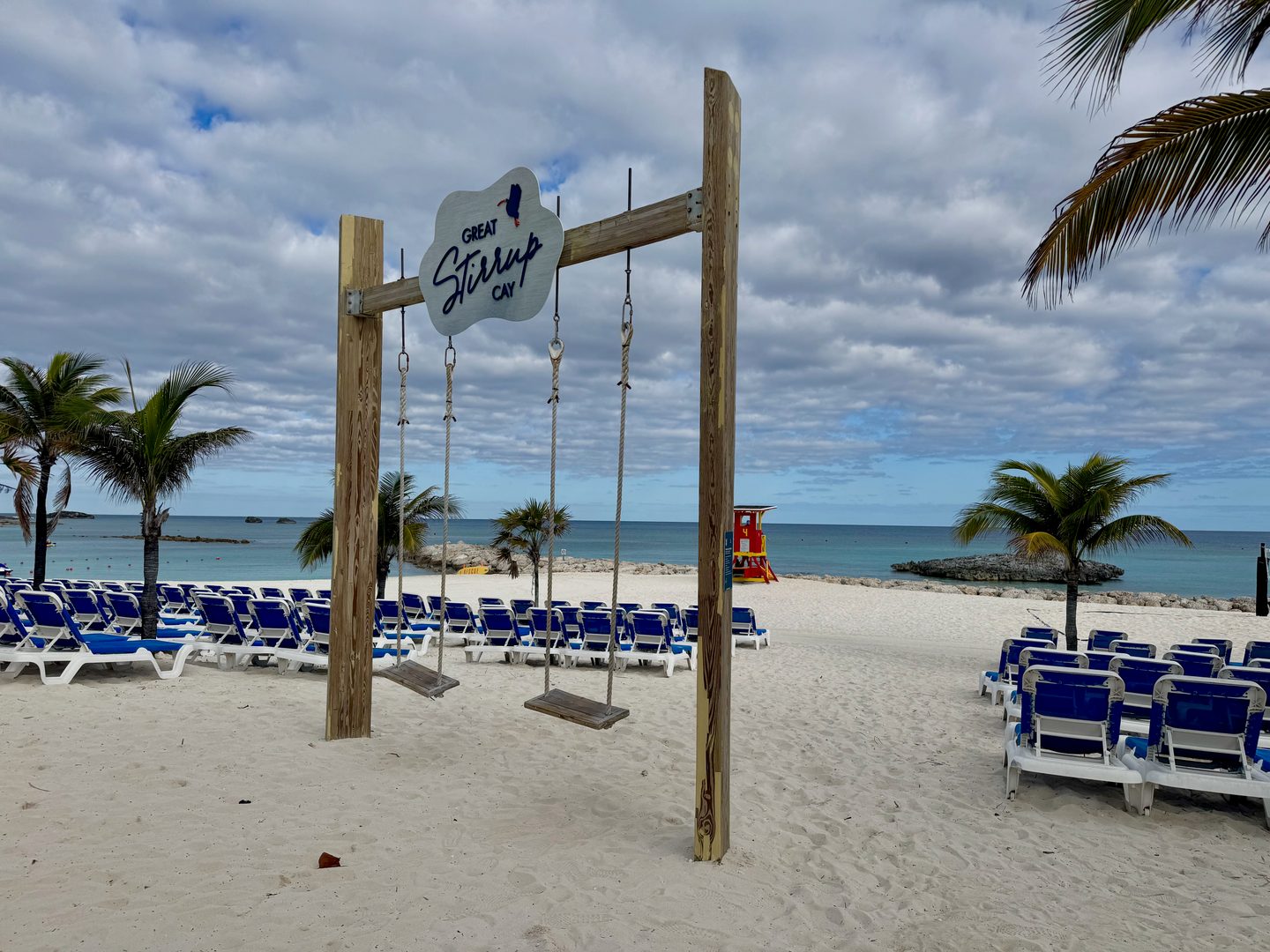
Norwegian Cruise Line — Great Stirrup Cay (Bahamas): NCL's private island includes free beach access and water activities, with paid upgrades for cabanas, snorkeling gear and zipline experiences. It's smaller than CocoCay but highly regarded for its natural snorkeling paths.
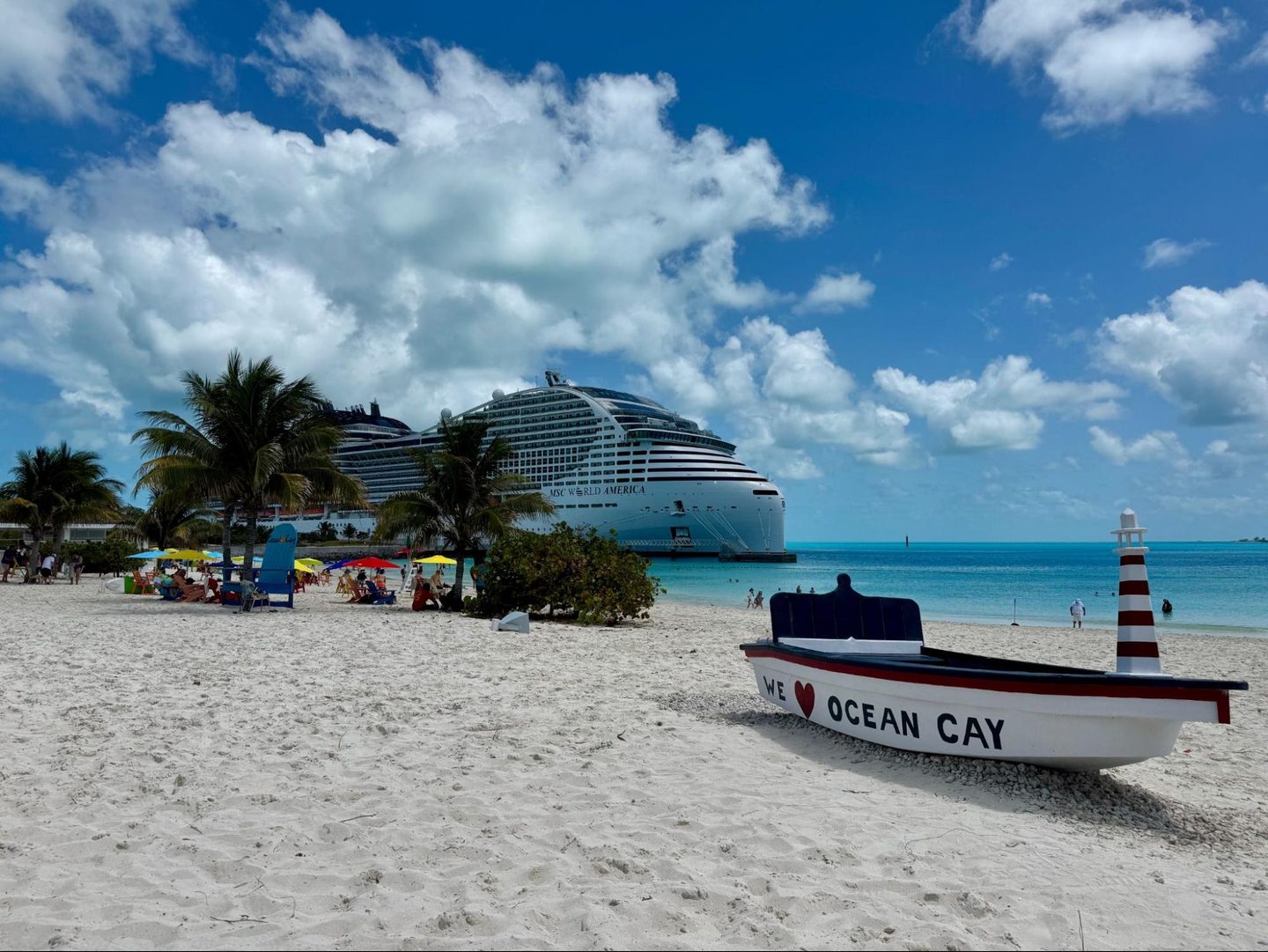
MSC Cruises — Ocean Cay Marine Reserve (Bahamas): MSC's private island is a former industrial site transformed into a marine reserve with shallow, clear water and minimal development. Beach access is included in your fare, with paid options for premium beach clubs and cabanas. A lighthouse serves as the island's centerpiece and doubles as a music venue at night.
"Hidden" costs to budget for on any cruise
The advertised cruise price is just the starting point. Here are the additional expenses that can significantly increase your total cost:
Taxes and port fees
These mandatory charges typically add $100-$200 per person to your cruise cost. They're not included in advertised base prices, so factor them into your budget from the start.
Gratuities
Some cruise lines allow you to prepay for gratuities when booking, but it's still an added expense, no matter when you pay,
If you don't prepay, many cruise lines will automatically bill gratuities to your onboard account during your cruise. Be sure to research policies and costs before booking your cruise so you're not surprised at the end of your trip.
Pre- and post-cruise travel
Unless you live near the departure port, budget for:
Flights: Roundtrip airfare can range from $200-$800+ per person depending on your location.
Hotels: Many cruisers book a hotel the night before departure ($100-$300/night).
Airport transfers or parking: $15-$30/day for cruise port parking, or $50-$100 for transfers.
Cabin upgrades
Advertised prices typically reflect inside cabins. Upgrades cost considerably more:
Oceanview cabin: Add $100-$300 per person.
Balcony cabin: Add $300-$700 per person.
Suite: Add $800-$3,000+ per person.
For many cruisers, an inside cabin is perfectly adequate. You'll spend most of your time exploring the ship or on shore excursions anyway, so skipping the balcony can save $500-$1,500 per couple.
Premium meals
When you book a cruise, various food offerings are included in the price you pay.
Typically you'll have access to buffets, dining room offerings and casual poolside fare. However, you may wish to splurge on premium beverages or dine at specialty restaurants. If that's the case, expect to budget for these additional costs.
Alcohol
It can be pricey to drink on a cruise. If you're paying per drink, expect to spend a lot of money.
Most cruise lines offer alcoholic drink packages that include specific types of beverages for a set price. You'll want to plan for this extra cost if you plan to drink on your vacation.
Excursions
Booking shore excursions can be a great way to participate in local experiences at each port of call.
While booking through the cruise operator is convenient, it may cost more than exploring the port on your own. Plan to pay for any tours or activities you book, many of which start at $100 or more for a half-day adventure.
How to save money on the cost of a Caribbean cruise
Caribbean cruises are hot — pun intended. According to data provided by AAA to NerdWallet in 2025, 72% of U.S. cruise passengers go to the Caribbean, making it the most popular destination for U.S. cruisers.
Given the high demand, you'll need to be savvy to find the best deals on Caribbean cruises.
Choose the right cruise line
Your biggest opportunity to save is selecting the right cruise line. Royal Caribbean, Carnival and MSC offer comparable experiences to premium lines at 40-60% lower prices.
Save Disney for when you specifically want character experiences — otherwise, you're paying a significant premium for a brand name. Royal Caribbean's newest ships (Icon of the Seas and Star of the Seas) now rival Disney on family amenities at a fraction of the price.
Look for deals — which can mean either booking super early or super late
Cruise prices follow a predictable pattern:
18-24 months out: Lowest prices when inventory first opens.
6-12 months out: Moderate prices.
3-6 months out: Highest prices (worst time to book).
30-90 days out: Last-minute discounts as cruise lines try to fill remaining cabins.
Use the right credit card

Having the right credit card in your wallet may help you save money on a cruise, and cruise line-specific credit cards can be a good fit for brand loyalists. For example, the Disney® Inspire Visa® Card can make sense if you take a Disney cruise at least once per year. Among the benefits it offers in exchange for its $149 annual fee is 200 Disney Rewards Dollars after you spend $2,000 on U.S. Disney Resort stays and Disney Cruise Line bookings each anniversary year.
Once you have collected enough points, you can redeem them for room upgrades, onboard credit, companion fares or even a discounted sailing.
Join loyalty programs
Many cruise lines have free loyalty programs that can offer valuable benefits. Becoming a member can earn discounts or qualify for upgrades or other perks that make your next cruise more enjoyable.
These programs are best for loyal cruise-goers, but even first-time cruisers may find value in joining.
» Learn more: Seven tips for getting the best deal on your next cruise
Caribbean cruise cost: The bottom line
Caribbean cruising offers genuine value compared to other vacation types — especially when you factor in that accommodations, food, entertainment and often a private beach day are all bundled into the fare.
If you're strategic — picking a budget-friendly line, booking at the right time, prepaying gratuities and using a travel rewards card to cover flights — a Caribbean cruise can be one of the most cost-effective vacation formats available.
How to maximize your rewards
You want a travel credit card that prioritizes what’s important to you. Here are some of the best travel credit cards of 2026:
Flexibility, point transfers and a large bonus: Chase Sapphire Preferred® Card
No annual fee: Wells Fargo Autograph® Card
Flat-rate travel rewards: Capital One Venture Rewards Credit Card
Bonus travel rewards and high-end perks: Chase Sapphire Reserve®
Luxury perks: American Express Platinum Card®
Business travelers: Ink Business Preferred® Credit Card