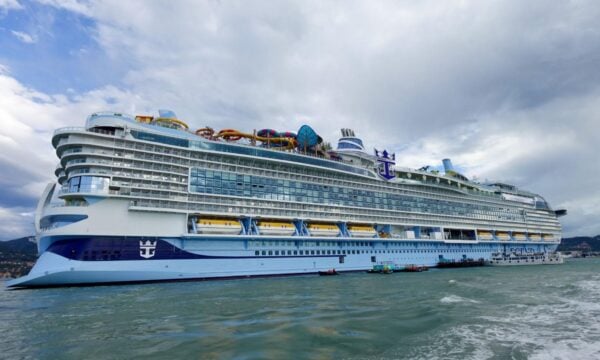


Cruise pricing is largely fixed, meaning that most cruise lines require agencies to sell at the same fare. For you, that means you're very unlikely to find a meaningfully cheaper price by shopping around.
That doesn't mean you can't still find deals. Depending on where you book, you might get different "extras," like onboard credit, prepaid gratuities and how much hand-holding you get if something goes wrong.
But the real money-saving decisions happen elsewhere, including how you book excursions, whether you buy the drink package, who you book through, and whether you use points instead of cash.
My podcast cohost Meghan Coyle and I created an entire episode all about cruising (I've been on 10 cruises, and I've learned a lot along the way!). Tune in to hear my money-saving tips, and read on for even more.
Here's your ultimate guide to booking a cruise (and saving money on it):
Book shore excursions separately from the cruise line
The cruise line's own shore excursions are the easy, default option that most people book. And for many travelers, it makes sense for one key reason: if the excursion runs long and you miss the ship's departure, the cruise line is on the hook to get you to the next port, making that "return to ship" guarantee highly valuable.
But cruise-line excursions also tend to be large groups — often two or three dozen people (or more). In practice, that means either a lot of time on a shuttle or a lot of standing around waiting for the group to regroup, and comparatively little actual time doing the thing you sailed there to do.
It can often make more sense to book independently through a company like Shore Excursions Group, which offers the same return-to-ship guarantee as the cruise line, but with tours that are often run by small, local operators instead of a mass-market tour company.

On a recent food tour in Nassau booked through Shore Excursions Group, the group was just four people, led by a guide who was born and raised on the island. The tour was only about $10 cheaper than a similar tour offered through the cruise ship. However, the intimate group size made for a far better experience than a 30-person walking group, as we actually got to talk to our guide. Plus, the whole group can move at a pace that works for four people instead of the slowest common denominator in a crowd.
Here's another thing that the cruise industry won't tell you: It's often worth skipping the shore excursion entirely. If the city has enough amusement that you could reasonably do on your own (e.g. wandering a city center, finding your own beach) just do that, and skip paying for an excursion at all. The freedom to pop into a shop, stop for photos or get (intentionally) lost down wandering streets is something you can't do when you have to follow a guide.
However, if there's something you can't easily do independently, like a boat tour, a guided food tour or a walking tour with real local knowledge, book it through an independent operator with a return-to-ship guarantee rather than defaulting to the cruise line's version.
» Learn more: The best cruise lines
Don't assume the drink package is a good deal
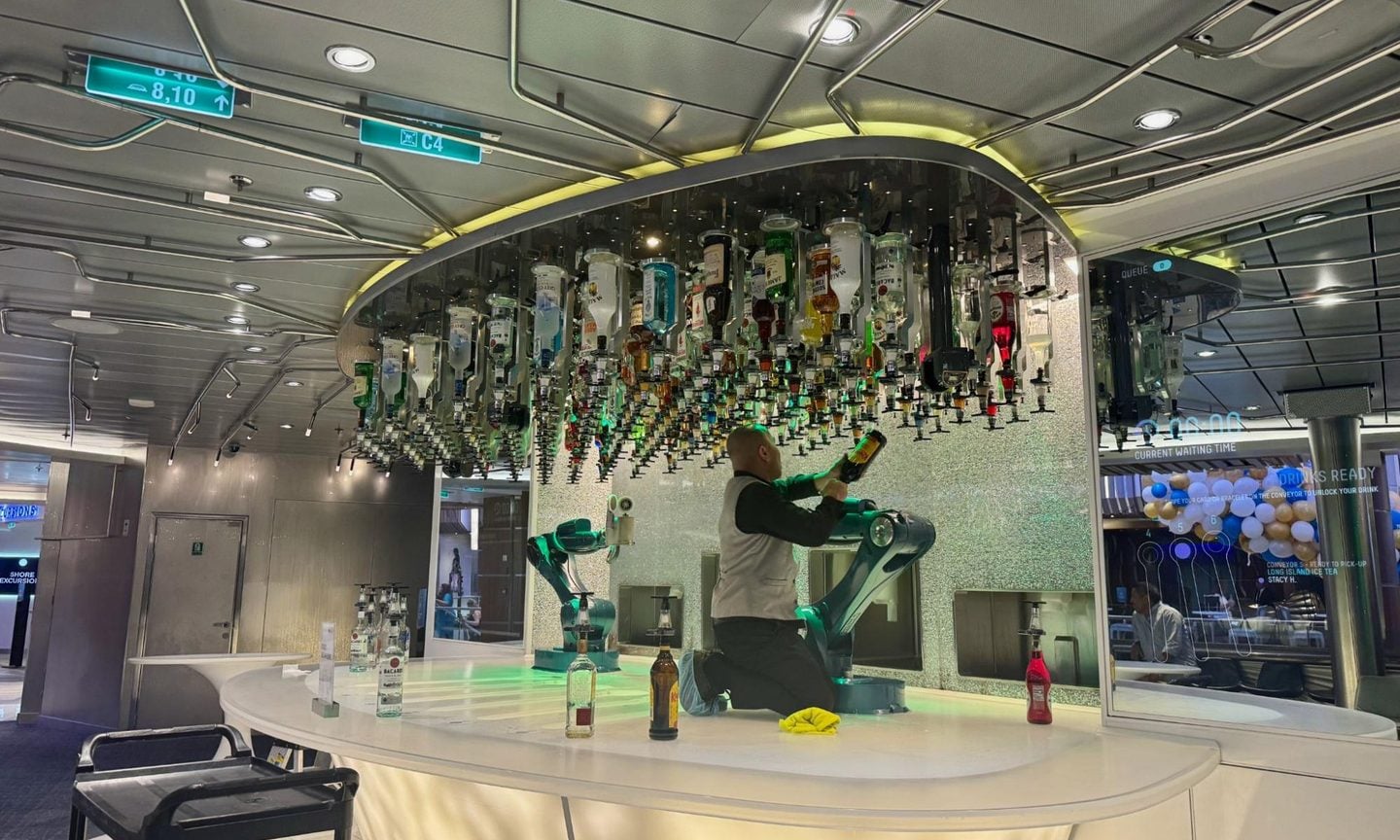
Most cruise lines sell unlimited beverage packages. For heavy drinkers, they can pencil out, but the break-even point is higher than people often assume. Depending on the ship and the package, you typically need to be having somewhere around four to six drinks a day just to break even on the cost — and that's before you've gotten any actual savings.
Be honest with yourself about whether that's really your pace (because you need to keep up with that pace every day, too).
Additionally, remember that the package typically only covers what you drink on the ship. It doesn't help you at all in port, where some of the best drinks are the ones you can't get onboard anyway (some exceptions being that drink packages extend to cruise line private islands). And a real Bahama Mama in Nassau or a glass of wine actually in Italy is part of the experience, and you'll be paying out of pocket for that regardless of whether you bought the package.
The drink package is best thought of as a prepaid convenience where you know your bar tab in advance so you don't have to think about the bill after. However, ahead of the sailing you should do the math on your own likely drinking pace before assuming it's automatically the better deal.
» Learn more: The cheapest months to cruise
Consider booking through a travel advisor
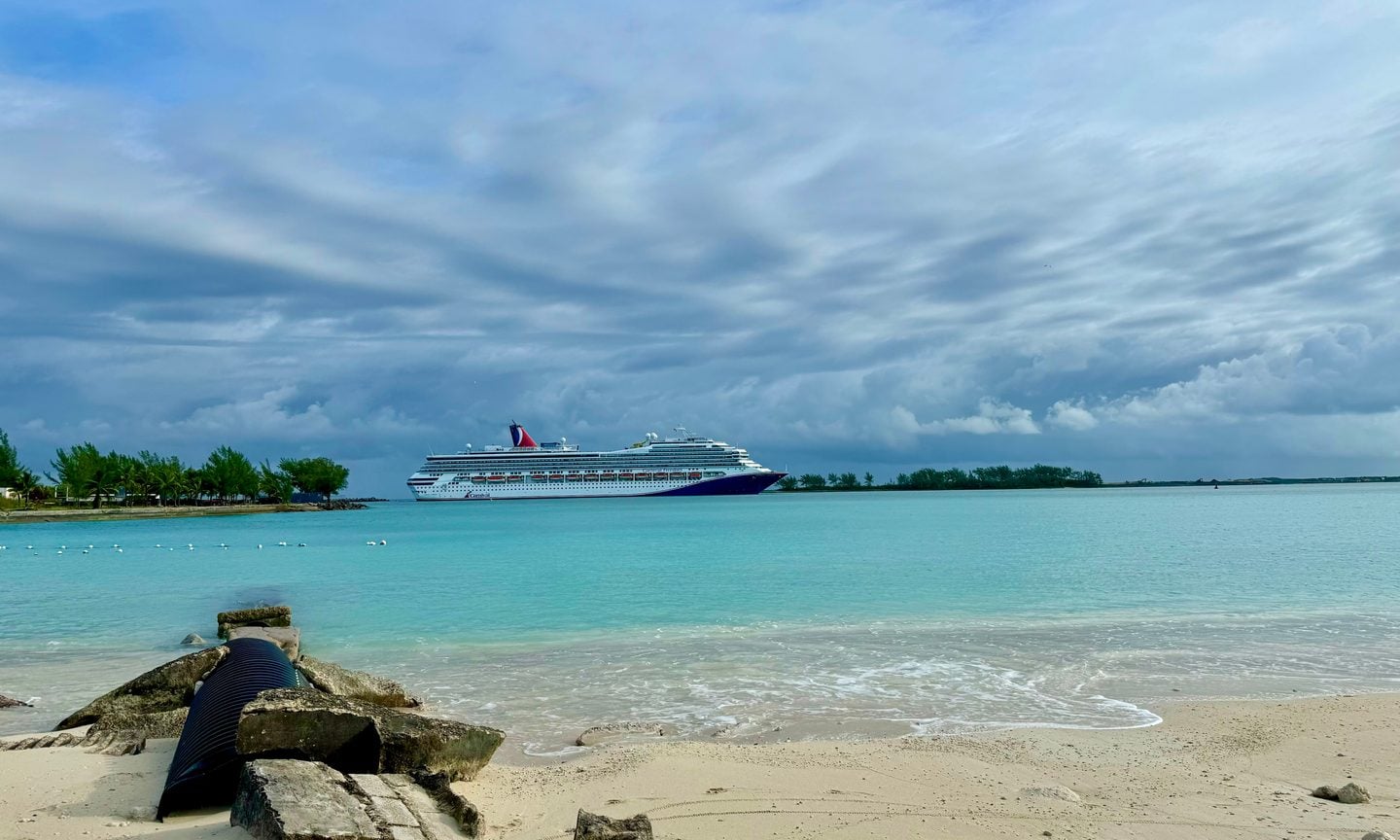
A lot of people assume using a travel advisor means paying more, but most cruise-focused advisors are paid on commission by the cruise line (not by you), so there's often no added cost to book through one instead of booking direct.
In exchange, you get someone who can answer questions before you book, help you navigate itinerary and cabin choices, and — because many advisors have ongoing relationships with cruise lines — sometimes arrange small perks that regular direct bookers don't get, like a room upgrade or a welcome amenity such as chocolate-covered strawberries waiting in your cabin.
Look specifically for an advisor who doesn't charge a planning fee. Plenty of good ones don't, and there's little reason to pay extra for services that are often available for free.
» Learn more: Tips for getting the best cruise deals
Use points and miles for cruises

For a long time, using credit card points to book a cruise was a bad redemption, as you'd get far less value per point than booking a flight or hotel. But that's shifted in recent years. Chase Travel, for instance, now lets you redeem points directly toward cruise bookings.
It's also worth checking whether your card's travel portal is running a cruise-specific promotion before you book. These come and go, but they can be meaningful when they're good. Chase, for example, has previously run promotions on Norwegian Cruise Line bookings made through Chase Travel that included a $50 onboard credit, unlimited Starbucks for the sailing or a complimentary night of specialty dining — all on top of the usual bonus points you'd earn for booking travel with an eligible Chase card. Check what's currently available before you book elsewhere, since these portal-specific perks are exactly the kind of thing that's easy to miss if you go straight to the cruise line.
Travel cards with cruise benefits


Annual fee
Welcome offer
Cruise benefits
- Redeem miles as a statement credit to cover spending on cruises.
- Book with your card to get automatic travel insurance coverage for your cruise.
- Earn 2x points on travel spending, including cruises and some ship excursions.
- Book with your card to get trip delay reimbursement, trip cancellation coverage and other travel assistance services.
- Get American Express Cruise Privileges Program benefits when you book at least five nights with eligible cruise lines. Terms apply.
- Cruise program benefits include $300 credit redeemable toward dining and spa services plus amenities like wine, chocolates and champagne. Terms apply.
Still not sure?
How to compare cruise booking sites
Because cruise pricing is generally fixed, comparing sites mostly comes down to comparing the extras layered on top, plus practical differences like customer service and cancellation flexibility. Here are a few worth knowing about:
CheapCaribbean focuses specifically on Caribbean, Mexico and Central America sailings, with a best-price guarantee and daily customer service. It charges a processing fee per reservation.
Cruise Critic isn't a booking site so much as a research tool built around traveler reviews and message boards, with a metasearch function and a price tracker showing recent trends. Click through and you'll actually book elsewhere.
CruiseDirect is a straightforward cruise-only search site (no flights or hotels) with bonus offers and a best-price guarantee, though its promotions generally aren't exclusive.
Priceline has grown well beyond its old "Name Your Own Price" branding into a full travel agency, including cruises. It regularly offers onboard credit and waived deposits. Just know the fine print on its best-price guarantee can make it harder to actually invoke than it sounds.
TripAdvisor functions as a broad cruise metasearch with a large volume of traveler reviews attached to specific ships, which is useful for research even if you end up booking elsewhere.
Avoya Travel matches you with an independent vacation planner rather than letting you book instantly online. It's a good option if you want human help, but not for anyone who wants live, self-service pricing.
Airline and hotel loyalty portals (like AAdvantage, Delta SkyMiles, United MileagePlus and Marriott Bonvoy) let you earn miles or points on a cruise booking, sometimes with deposit waivers thrown in. Read the fine print on the earning structure, though, as some awards are capped regardless of how much you spend. Note that Marriott Bonvoy's point redemption value in particular tends to be weak compared to other travel redemptions.
Costco Travel offers members extra value through Executive Membership rewards and occasional gift cards or onboard credit bundled with a cruise package, but you do need a Costco membership to access it.
Booking directly with the cruise line removes any middleman, which matters if something goes wrong with your reservation as you're dealing with one company instead of two pointing fingers at each other. The tradeoff is that you may miss out on the extras third-party sites compete on.
Protect your booking with travel insurance
Standalone travel insurance is worth considering for any cruise, given how disruptive a missed embarkation or a mid-cruise medical issue can be. Before buying a separate policy, though, check whether a credit card you already have includes travel insurance as a cardholder benefit when you pay for the cruise with that card — some premium travel cards include trip protection at no extra cost, which can make a standalone policy redundant.
Book a cruise like a pro
Cruise demand is high, which can make it tough to find a good deal. Luckily, there's no shortage of websites seeking your business.
Several cruise booking sites set themselves apart from the competition by offering additional benefits to encourage booking through them. Additionally, being able to book other parts of your trip — like flight and excursions — on the same site, or offering access to a travel agent, distinguishes some of the best cruise websites.
When prices are the same, we recommend cruise bookers compare the perks being offered, then book on the site with the most appealing bonuses, like onboard credits, airline miles, hotel points or cash back.
How do I know if a website is legit to book a cruise?
Are last-minute cruise deals worth it?
What happens if the price drops after I book my cruise?
How to maximize your rewards
You want a travel credit card that prioritizes what’s important to you. Here are some of the best travel credit cards of 2026:
Flexibility, point transfers and a large bonus: Chase Sapphire Preferred® Card
No annual fee: Wells Fargo Autograph® Card
Flat-rate travel rewards: Capital One Venture Rewards Credit Card
Bonus travel rewards and high-end perks: Chase Sapphire Reserve®
Luxury perks: American Express Platinum Card®
Business travelers: Ink Business Preferred® Credit Card