

Every time.
We believe everyone should be able to make financial decisions with confidence. While we don't cover every company or financial product on the market, we work hard to share a wide range of offers and objective editorial perspectives.
So how do we make money? Our partners compensate us for advertisements that appear on our site or when you click to or take an action on their website. This compensation helps us provide tools and services - like free credit score access and monitoring. With the exception of mortgage, home equity and other home-lending products or services, partner compensation is one of several factors that may affect which products we highlight and where they appear on our site. Other factors include your credit profile, product availability and proprietary website methodologies.
However, these factors do not influence our editors' opinions or ratings, which are based on independent research and analysis. Our partners cannot pay us to guarantee favorable reviews. Here is a list of our partners.
10 Best Low Interest Credit Cards of October 2026


A low interest credit card saves you money by reducing the cost of debt. When you're paying less in interest, you can pay back what you've borrowed more quickly because there are more dollars available to whittle down the actual balance.
Read MoreShow Less
What to look for in a low interest credit card
"Low interest" can mean one of two things when it comes to credit cards. The first is a card that saves you money on interest because it has a low introductory APR. That intro rate — usually 0%, which is as "low interest" as you can possibly get — lasts for a period of months, after which the APR resets to a higher rate. This is by far the more common type, and if you're looking for a low interest card from a major issuer, it's pretty much the only kind you'll find. Intro 0% periods can last from a few months all the way up to 21 months. Look for one that's at least a year. Many of these cards also offer rewards, which gives them long-term value even after the intro rate expires. There's typically a trade-off, though: The 0% period on rewards cards typically tops out at 12 to 15 months. For a longer 0% period on purchases, you're usually looking at a non-rewards card.
The other kind of low interest card is one with a low ongoing APR. With these cards, the rate you pay on balances carried month to month is significantly lower than typical credit card interest rates. To find this kind of card, you'll generally have to go with a smaller community bank or credit union. Major issuers experimented with low interest cards in the early to mid-2010s, when interest rates were at rock bottom; they moved away from them when rates rose and never really went back. When evaluating cards with a low ongoing APR, compare their rate to the current prime rate. The smaller the spread between the prime rate and the card's ongoing rate, the better. But you're never going to find a card with an ongoing lower than prime.
If you must carry a balance, having a 0% intro APR or a low ongoing APR is better than paying typical credit card interest rates, but carrying a balance is not a habit you want to get into. These cards can help when you have a major expense you need to finance. If you find yourself consistently spending more on your card than you can afford to pay in full when the bill comes due, you'll be digging a hole regardless of how low your rate is.
How NerdWallet chose these low interest credit cards
This page includes a variety of options for both kinds of low interest credit cards, with an eye toward identifying something for everyone. It includes cards whose defining feature is an extra-long 0% APR period (18 months or more), rewards cards with a shorter 0% period (at least 15 months) but greater long-term value, and cards with an ongoing rate reasonably within shouting distance of the prime rate. None of these cards charge annual fees. Learn more about our picks for 0% intro APR cards, learn more about our picks for a low ongoing rate, or see more about our methodology.
See NerdWallet's best low interest credit cards
BEST LOW INTEREST CREDIT CARDS OF OCTOBER 2026
Bank of America® Customized Cash Rewards credit card: Our pick for customizable cash back
Wells Fargo Reflect® Card: Our pick for longest intro APR period
BankAmericard® credit card: Our pick for longest intro APR period
Chase Slate®: Our pick for longest intro APR period
Blue Cash Everyday® Card from American Express: Our pick for grocery, gas and online rewards
Bank of America® Unlimited Cash Rewards credit card: Our pick for simplicity + relationship rewards
Capital One Quicksilver Cash Rewards Credit Card: Our pick for simple rewards
U.S. Bank Shield™ Visa® Card: Our pick for longest intro APR period + side perks
Bank of America® Travel Rewards credit card: Our pick for travel rewards
Chase Freedom Unlimited®: Our pick for all-around cash back
Expert tip: Even at low interest, have a payoff plan
Paul Soucy, content director: "A card with a 0% period or a low rate can be a useful tool for planned spending or dealing with an emergency, but don't let yourself slide into bad habits. If you're going to carry debt on a credit card, do so with a clear plan to pay that debt down to zero as soon as possible. With a 0% card, the clock is always ticking toward double-digit interest rates. With a low ongoing rate, you're still paying a significant amount of money in interest. I've used 0% cards for major dental work, for new gutters, to replace home appliances and even to buy an engagement ring without depleting savings all at once. But each time, I mapped out a repayment plan before the charge ever hit the card."
Our pick for: Longest intro APR period
Purchase intro APR0% intro APR on Purchases for 21 billing cyclesBalance transfer intro APR0% intro APR on Balance Transfers for 21 billing cycles for any balance transfers made in the first 60 daysRegular APR15.24%-26.24% Variable APRAnnual fee$0Rewards rateN/AIntro offerN/ARecommended credit scoreCard details
- 0% Intro APR for 21 billing cycles for purchases, and for any balance transfers made in the first 60 days. After the Intro APR offer ends, a Variable APR that’s currently 15.24% - 26.24% will apply. A 5% fee applies to all balance transfers. Balance transfers may not be used to pay any account provided by Bank of America.
- No annual fee.
- No penalty APR. Paying late won't automatically raise your interest rate (APR). Other account pricing and terms apply.
- This offer may not be available elsewhere if you leave this page. You can take advantage of this offer when you apply now.
NerdWallet's take
The BankAmericard® credit card has a simple value proposition: nearly two years without interest. If you have excellent credit, you may qualify for an ongoing rate lower than what competitors charge, although it's always best to avoid paying credit card interest at all.
Read full reviewProsFew cards on the market offer a longer intro APR period. A couple of cards match it, as seen on this page, but you won't easily find one that exceeds it.
$0 annual fee.
ConsNo rewards or bonus offer. When the intro APR period runs out, there's not a lot to do with this card.
Our pick for: Longest intro APR period
Purchase intro APR0% intro APR on purchases for 21 monthsBalance transfer intro APR0% intro APR on balance transfers for 21 monthsRegular APR18.49%-28.49% Variable APRAnnual fee$0Rewards rateN/AIntro offerN/ARecommended credit scoreCard details
- 0% Intro Offer- Enjoy 0% Intro APR for 21 months on purchases and balance transfers, then a variable APR of 18.49% - 28.49% thereafter
- No Annual Fee- You won't have to pay an annual fee for all the great features that come with your Slate Card
- Zero Liability Protection & Fraud Protection - You won’t be held responsible for unauthorized charges made with your card. We help safeguard your credit card purchases using sophisticated fraud monitoring. We monitor for fraud 24/7 and can text, email or call you if there are unusual purchases on your credit card.
- Chase Pay Over Time- Access more options to pay over time for eligible purchases made with your participating Chase credit card. With Pay Over Time, you can break up eligible purchases you've already made
- Get more purchasing power: Chase Slate® cardmembers may be eligible for a credit limit increase in as few as six months.
- Stay protected with purchase & travel benefits - Enjoy peace of mind with purchase protection, which safeguards your eligible new items against damage or theft for 120 days from the date of purchase, up to $500 per item. Plus, extended warranty protection adds an extra year to U.S. manufacturer warranties of three years or less, giving you up to four full years of coverage from the date of purchase
- Credit Journey: Access your credit score, receive customized score improvement plans from Experian™, and benefit from identity monitoring—all for free with Chase Credit Journey®
- Member FDIC
- View Rates & Fees
NerdWallet's take
The Chase Slate® doesn't require a lot of complicated explanation. You get one of the longest introductory APR periods available from a major credit card issuer. If you're looking to get out from under high-interest debt, it's for you.
Read full reviewProsThis extra-long introductory APR period on this card is the whole story, outpacing most cards on the market.
$0 annual fee.
ConsNo rewards, so this card's value beyond the 0% period is limited.
No bonus offer.
Our pick for: Customizable cash back
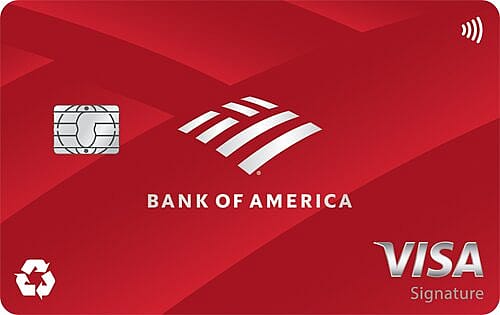 Apply Nowon Bank of America's websiteon Bank of America's websitePurchase intro APR0% intro APR on Purchases for 15 billing cyclesBalance transfer intro APR0% intro APR on Balance Transfers for 15 billing cycles for any balance transfers made in the first 60 daysRegular APR17.74%-27.74% Variable APRAnnual fee$0Rewards rate1%-6%CashbackIntro offer$200Recommended credit score
Rewards breakdown
6%Cash back for the first year in the category of your choice (up to $2,500 in combined choice category/grocery store/wholesale club quarterly purchases).3%Cash back in the category of your choice after the first year (up to $2,500 in combined choice category/grocery store/wholesale club quarterly purchases).2%Cash back at grocery stores and wholesale clubs (up to $2,500 in combined choice category/grocery store/wholesale club quarterly purchases).1%Cash back on all other purchases.Card details
- $200 online cash rewards bonus after you make at least $1,000 in purchases in the first 90 days of account opening.
- Earn 6% cash back for the first year in the category of your choice. You’ll automatically earn 2% cash back at grocery stores and wholesale clubs, and unlimited 1% cash back on all other purchases. After the first year from account opening, you’ll earn 3% cash back on purchases in your choice category.
- Earn 6% and 2% cash back on the first $2,500 in combined purchases each quarter in the choice category, and at grocery stores and wholesale clubs, then earn unlimited 1% thereafter. After the 3% first-year bonus offer ends, you will earn 3% and 2% cash back on these purchases up to the quarterly maximum.
- No annual fee and cash rewards don’t expire as long as your account remains open.
- Turn daily purchases into everyday wins. Simply use your Customized Cash Rewards credit card for the things you already buy - from gifts to groceries - BofA Rewards™ members earn more cash back.
- 0% Intro APR for 15 billing cycles for purchases, and for any balance transfers made in the first 60 days. After the Intro APR offer ends, a Variable APR that’s currently 17.74% - 27.74% will apply. A 3% Intro balance transfer fee will apply for the first 60 days your account is open. After the Intro balance transfer fee offer ends, the fee for future balance transfers is 5%. Balance transfers may not be used to pay any account provided by Bank of America.
- This offer may not be available elsewhere if you leave this page. You can take advantage of this offer when you apply now.
NerdWallet's take
The Bank of America® Customized Cash Rewards credit card combines a good interest-saving intro APR offer with a semi-customizable rewards structure that lets you choose which purchases earn the highest cash-back rate.
Read full reviewProsNo interest on purchases for more than a year.
Customizable rewards: 3% cash back (6% in the first year) in a category you choose and 2% at grocery stores and wholesale clubs, on up to $2,500 per quarter in combined spending in those categories. All other purchases earn 1% cash back. (You can change your 3% category once a month.)
Cardholders who are eligible for the BofA Rewards™ program can earn up to 75% higher rewards rates.
Bonus offer: $200 online cash rewards bonus after you make at least $1,000 in purchases in the first 90 days of account opening.
$0 annual fee.
ConsThe rewards structure is somewhat complicated.
Because the amount of spending eligible for the 3% and 2% rewards is capped, you might earn more rewards with a simple flat-rate card that pays an unlimited 1.5% or 2% on everything.
Our pick for: Long intro period + side perks
Purchase intro APR0% intro APR on purchases for 21 billing cyclesBalance transfer intro APR0% intro APR on balance transfers for 21 billing cyclesRegular APR17.24%-28.24% Variable APRAnnual fee$0Rewards rate4%CashbackIntro offerN/ARecommended credit scoreRewards breakdown
4%Cash back on prepaid air, hotel and car reservations booked directly in the Travel Center.Card details
- 0% intro APR on purchases and balance transfers for 21 billing cycles. After that, a variable APR currently 17.24% - 28.24%.
- 4% cash back on prepaid air, hotel and car reservations booked directly in the Travel Center when you use your card.
- Get a $20 annual statement credit for 11 consecutive months of purchases.
- No annual fee.
- Cell Phone Protection: Your eligible cell phone can be reimbursed up to $600 in the event it is stolen or damaged when you pay your monthly cell phone bill with your card.
- Terms and conditions apply.
- View Rates & Fees
NerdWallet's take
The U.S. Bank Shield™ Visa® Card offers a long breather from interest, and it even comes with a few extras.
Read full reviewProsSignificant interest-free period of close to two years.
Rewards: 4% cash back on prepaid air, hotel and car reservations booked directly through U.S. Bank’s Rewards Center.
Cell phone protection.
$0 annual fee.
ConsIf you're willing to accept a slightly shorter intro APR window, you can find cards with superior rewards.
Our pick for: All-around cash back
Purchase intro APR0% intro APR on purchases for 15 monthsBalance transfer intro APR0% intro APR on balance transfers for 15 monthsRegular APR18.49%-27.99% Variable APRAnnual fee$0Rewards rate1.5%-5%CashbackIntro offer$200Recommended credit scoreRewards breakdown
5%Cash back on travel purchased through Chase Travel℠.3%Cash back on drugstore purchases.3%Cash back on dining at restaurants, including takeout and eligible delivery services.1.5%Cash back on all other purchases.Card details
- Earn a $200 Bonus after you spend $500 on purchases in your first 3 months from account opening
- Enjoy 5% cash back on travel purchased through Chase Travel℠, our premier rewards program that lets you redeem rewards for cash back, travel, gift cards and more; 3% cash back on drugstore purchases and dining at restaurants, including takeout and eligible delivery service, and 1.5% on all other purchases.
- No minimum to redeem for cash back. You can use points to redeem for cash through an account statement credit or an electronic deposit into an eligible Chase account located in the United States!
- Enjoy 0% Intro APR for 15 months from account opening on purchases and balance transfers, then a variable APR of 18.49% - 27.99%.
- No annual fee – You won't have to pay an annual fee for all the great features that come with your Freedom Unlimited® card
- Keep tabs on your credit health, Chase Credit Journey helps you monitor your credit with free access to your latest score, alerts, and more.
- Member FDIC
- View Rates & Fees
NerdWallet's take
The Chase Freedom Unlimited® starts you out with an good no-interest period (and a nice bonus offer) and delivers ongoing value with its cash back rewards.
Read full reviewProsNo interest on purchases for more than a year.
Rewards: 5% cash back on travel booked through Chase; 3% cash back at restaurants and drugstores; and 1.5% on other purchases.
Rewards can be transferred to Chase's Sapphire cards for greater redemption value.
Earn a $200 Bonus after you spend $500 on purchases in your first 3 months from account opening.
$0 annual fee.
ConsDepending on your spending patterns and appetite for complexity, juggling multiple bonus categories and rates can be complicated compared with a card that earns a flat rewards rate.
Our pick for: Longest intro APR period
Purchase intro APR0% intro APR for 21 months from account opening on purchasesBalance transfer intro APR0% intro APR for 21 months from account opening on qualifying balance transfersRegular APR17.74%, 24.24%, or 28.49% Variable APRAnnual fee$0Rewards rateN/AIntro offerN/ARecommended credit scoreCard details
- Apply Now to take advantage of this offer and learn more about product features, terms and conditions.
- 0% intro APR for 21 months from account opening on purchases and qualifying balance transfers. 17.74%, 24.24%, or 28.49% variable APR thereafter; balance transfers made within 120 days qualify for the intro rate, BT fee of 5%, min: $5.
- $0 annual fee.
- Up to $600 of cell phone protection against damage or theft. Subject to a $25 deductible.
- Through My Wells Fargo Deals, you can get access to personalized deals from a variety of merchants. It's an easy way to earn cash back as an account credit when you shop, dine, or enjoy an experience simply by using an eligible Wells Fargo credit card.
- View Rates & Fees
NerdWallet's take
The introductory APR period on the Wells Fargo Reflect® Card is close to two years. That's a lot of interest you don't have to pay.
Read full reviewProsNo interest on purchases for an exceptionally long time. The 0% intro APR period beats most cards on the market.
Cell phone protection.
$0 annual fee.
ConsNo ongoing spending rewards, so the card's long-term value is limited.
Our pick for: Grocery and gas rewards
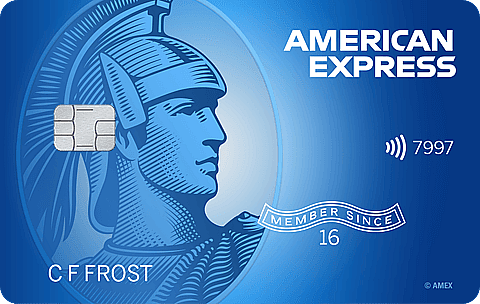 Apply Nowon American Express' websiteon American Express' websitePurchase intro APR0% intro APR on purchases for 15 months from the date of account openingBalance transfer intro APR0% intro APR on balance transfers for 15 months from the date of account openingAPR19.74%-28.74% Variable APRAnnual fee$0Rewards rate1%-3%CashbackIntro offerAs High as $200 cash back. Find Out Your Offer.Recommended credit
Rewards breakdown
3%Cash back at U.S. supermarkets (up to $6,000 per year in purchases, then 1%).3%Cash Back on U.S. online retail purchases (up to $6,000 per year, then 1%).3%Cash Back at U.S. gas stations (up to $6,000 per year, then 1%).1%Cash Back on other purchases.Card details
- Apply and find out your welcome offer. As High As $200 cash back* after you spend $2,000 in purchases on your new Card within the first 6 months of Card Membership. Welcome offers vary and you may not be eligible for an offer. Apply, and if approved: 1. Find out your offer amount 2. Accept the Card with your offer 3. Spend $2,000 in 6 months 4. Receive the cash back. *Cash back is received in the form of Reward Dollars that can be redeemed for a statement credit or at Amazon.com checkout.
- No Annual Fee.
- Enjoy 0% intro APR on purchases and balance transfers for 15 months from the date of account opening. After that, your APR will be a variable APR of 19.74%-28.74%.
- Earn 3% cash back at U.S. supermarkets, 3% cash back on U.S. online retail purchases, 3% cash back at U.S. gas stations, on eligible purchases for each category on up to $6,000 per year in purchases (then 1%). Cash back is received in the form of Reward Dollars that can be redeemed as a statement credit and at Amazon.com checkout.
- Get up to a $7 monthly statement credit after using your enrolled Blue Cash Everyday® Card for a subscription purchase, including a bundle subscription purchase, at DisneyPlus.com, Hulu.com, or Stream.ESPN.com U.S. websites. Subject to auto-renewal.
- Terms Apply.
- View Rates & Fees
NerdWallet's take
The Blue Cash Everyday® Card from American Express combines a lengthy intro APR period with elevated rewards in common household spending categories.
Read full reviewProsNo interest on purchases for more than a year.
Rewards: 3% cash back at U.S. supermarkets, at U.S. gas stations and on U.S. online retail purchases (on up to $6,000 per year in spending in each category); 1% cash back on other purchases.
Welcome offer: You may be eligible for as high as $200 cash back after spending $2,000 in purchases on your new Card in the first 6 months. Welcome offers vary and you may not be eligible for an offer. Cash back is received as Reward Dollars, redeemable for statement credit or at Amazon.com checkout. Terms Apply.
$0 annual fee.
Terms apply.
ConsBonus rewards are capped.
Depending on your spending patterns, a flat-rate card that earns the same rewards rate on all purchases might be less of a hassle.
Terms apply.
Our pick for: Travel rewards
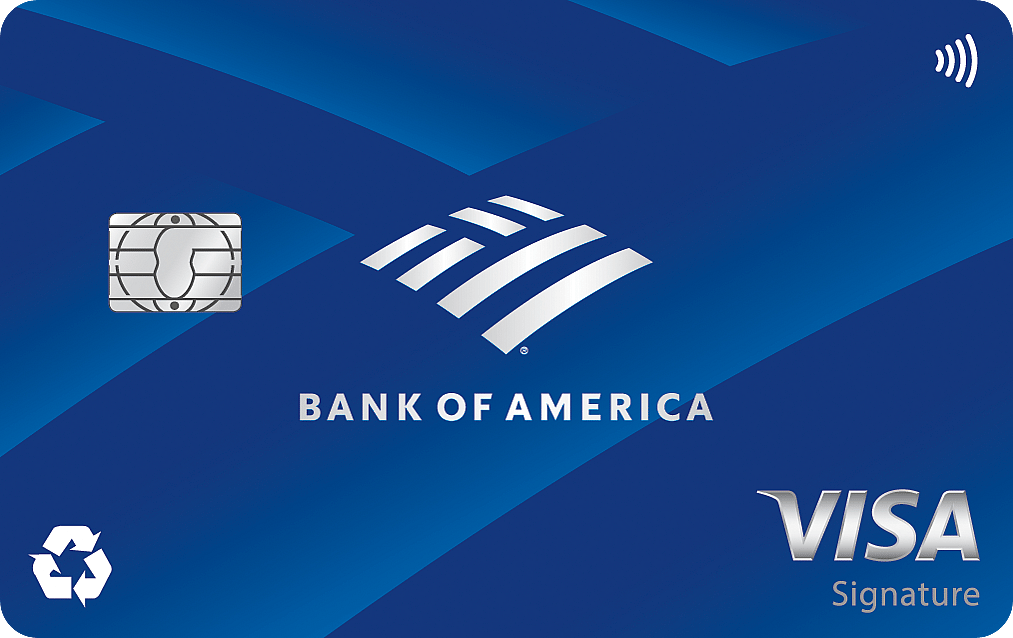 Apply Nowon Bank of America's websiteon Bank of America's websitePurchase intro APR0% intro APR on Purchases for 15 billing cyclesBalance transfer intro APR0% intro APR on Balance Transfers for 15 billing cycles for any balance transfers made in the first 60 daysRegular APR17.74%-27.74% Variable APRAnnual fee$0Rewards rate1.5x-3xPointsIntro offer25,000pointsRecommended credit score
Rewards breakdown
3xPoints per $1 spent on travel purchases booked through BofA Travel.1.5xPoints per $1 spent on everyday purchases.Card details
- 25,000 online bonus points after you make at least $1,000 in purchases in the first 90 days of account opening - that can be a $250 statement credit toward travel purchases.
- Earn unlimited 1.5 points per $1 spent on everyday purchases, with no annual fee and no foreign transaction fees and your points don't expire as long as your account remains open.
- Earn 3 points per $1 spent on travel purchases booked through BofA Travel.
- Turn daily purchases into everyday wins. Simply use your Travel Rewards credit card for the things you already buy - from gifts to getaways - BofA Rewards™ members earn more points.
- Use your card to book your trip how and where you want - you're not limited to specific websites with blackout dates or restrictions.
- Redeem points for a statement credit to pay for travel or dining purchases, such as flights, hotel stays, car and vacation rentals, baggage fees, and also at restaurants, including takeout.
- 0% Intro APR for 15 billing cycles for purchases, and for any balance transfers made in the first 60 days. After the Intro APR offer ends, a Variable APR that’s currently 17.74% - 27.74% will apply. A 3% Intro balance transfer fee will apply for the first 60 days your account is open. After the Intro balance transfer fee offer ends, the fee for future balance transfers is 5%. Balance transfers may not be used to pay any account provided by Bank of America.
- This offer may not be available elsewhere if you leave this page. You can take advantage of this offer when you apply now.
NerdWallet's take
Interest-saving offers are rare on dedicated travel rewards cards — and when you do see them, they usually aren't as long as what you get with the Bank of America® Travel Rewards credit card.
Read full reviewProsNo interest on purchases for more than a year.
Rewards: 1.5 points per dollar spent. Points can be reeemed for a wide array of travel expenses at 1 cent per point.
If you're a member of the issuer's loyalty program, you can boost your rewards rates by up to 75%.
Bonus offer: 25,000 online bonus points after you make at least $1,000 in purchases in the first 90 days of account opening - that can be a $250 statement credit toward travel purchases.
$0 annual fee.
ConsLonger-term, big spenders and frequent travelers may be better off with a card that offers bonus rewards for travel purchases.
Our pick for: Simple cash back
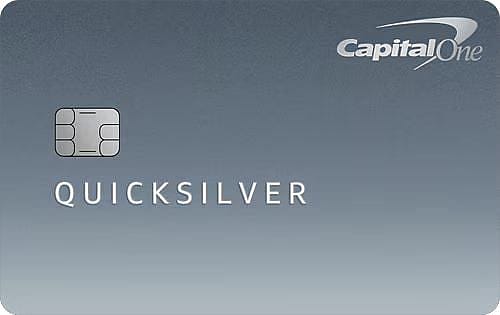 Apply Nowon Capital One's websiteon Capital One's websitePurchase intro APR0% intro on purchases for 15 monthsBalance transfer intro APR0% intro on balance transfers for 15 months; balance transfer fee appliesRegular APR18.74%-28.74% Variable APRAnnual fee$0Rewards rate1.5%-5%CashbackIntro offer$200Recommended credit score
Rewards breakdown
5%Cash back on hotels, vacation rentals and rental cars booked through Capital One Travel.1.5%Cash back on every purchase, every day.Card details
- Earn a one-time $200 cash bonus after you spend $500 on purchases within 3 months from account opening
- Earn unlimited 1.5% cash back on every purchase, every day
- $0 annual fee and no foreign transaction fees
- Earn unlimited 5% cash back on hotels, vacation rentals and rental cars booked through Capital One Travel
- No rotating categories or sign-ups needed to earn cash rewards; plus, cash back won't expire for the life of the account and there's no limit to how much you can earn
- 0% intro APR on purchases and balance transfers for 15 months; 18.74% - 28.74% variable APR after that; balance transfer fee applies
- Top rated mobile app
- View Rates & Fees
NerdWallet's take
The Capital One Quicksilver Cash Rewards Credit Card might be the best-known name in the 1.5% cash back game, but it also starts you off with a good intro APR period that saves you money on interest.
Read full reviewProsNo interest on purchases for more than a year.
Simple rewards: 1.5% cash back on purchases, plus 5% cash back on hotels, vacation rentals and rental cars booked through Capital One Travel.
Bonus offer: Earn a one-time $200 cash bonus after you spend $500 on purchases within 3 months from account opening.
$0 annual fee.
ConsDepending on your spending patterns, you might earn more rewards with a card that pays higher rates in specific categories. Still, simplicity is a primary part of this card's appeal.
Our pick for: Simplicity + relationship rewards
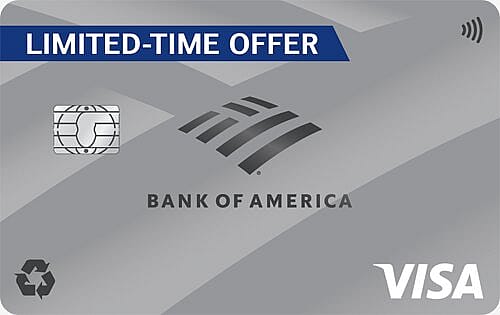 Apply Nowon Bank of America's websiteon Bank of America's websitePurchase intro APR0% intro APR on Purchases for 15 billing cyclesBalance transfer intro APR0% intro APR on Balance Transfers for 15 billing cycles for any balance transfers made in the first 60 daysRegular APR17.74%-27.74% Variable APRAnnual fee$0Rewards rate1.5%CashbackIntro offer$250Recommended credit score
Rewards breakdown
1.5%Cash back on all purchases.Card details
- Limited Time Offer! $250 online cash rewards bonus after you make at least $1,000 in purchases in the first 90 days of account opening.
- Earn unlimited 1.5% cash back on all purchases.
- No limit to the amount of cash back you can earn and cash rewards don't expire as long as your account remains open.
- No annual fee.
- Turn daily purchases into everyday wins. Simply use your Unlimited Cash Rewards credit card for the things you already buy - from gifts to groceries - BofA Rewards™ members earn more cash back.
- 0% Intro APR for 15 billing cycles for purchases, and for any balance transfers made in the first 60 days. After the Intro APR offer ends, a Variable APR that's currently 17.74% - 27.74% will apply. A 3% Intro balance transfer fee will apply for the first 60 days your account is open. After the Intro balance transfer fee offer ends, the fee for future balance transfers is 5%. Balance transfers may not be used to pay any account provided by Bank of America.
- This offer may not be available elsewhere if you leave this page. You can take advantage of this offer when you apply now.
NerdWallet's take
The Bank of America® Unlimited Cash Rewards credit card gives you a good rewards rate on all purchases, plus a good intro APR period if you need time to pay them off.
Read full reviewProsNo interest on purchases for more than a year.
Simple rewards.
If you're a member of the issuer's BofA Rewards™ program, you can boost your rewards rates by up to 75%.
Bonus offer: $250 online cash rewards bonus after you make at least $1,000 in purchases in the first 90 days of account opening.
$0 annual fee.
ConsYou don't have to keep track of bonus categories, but you'll also miss out on the elevated rewards rates that a bonus-category card can offer.
1.5% cash back on everything is a good ongoing rate, but a growing number of cards pay 2%.
Compare the Best Low Interest Credit Cards
| Credit card | NerdWallet rating | Annual fee | Intro APR | Regular APR | Learn more |
|---|---|---|---|---|---|
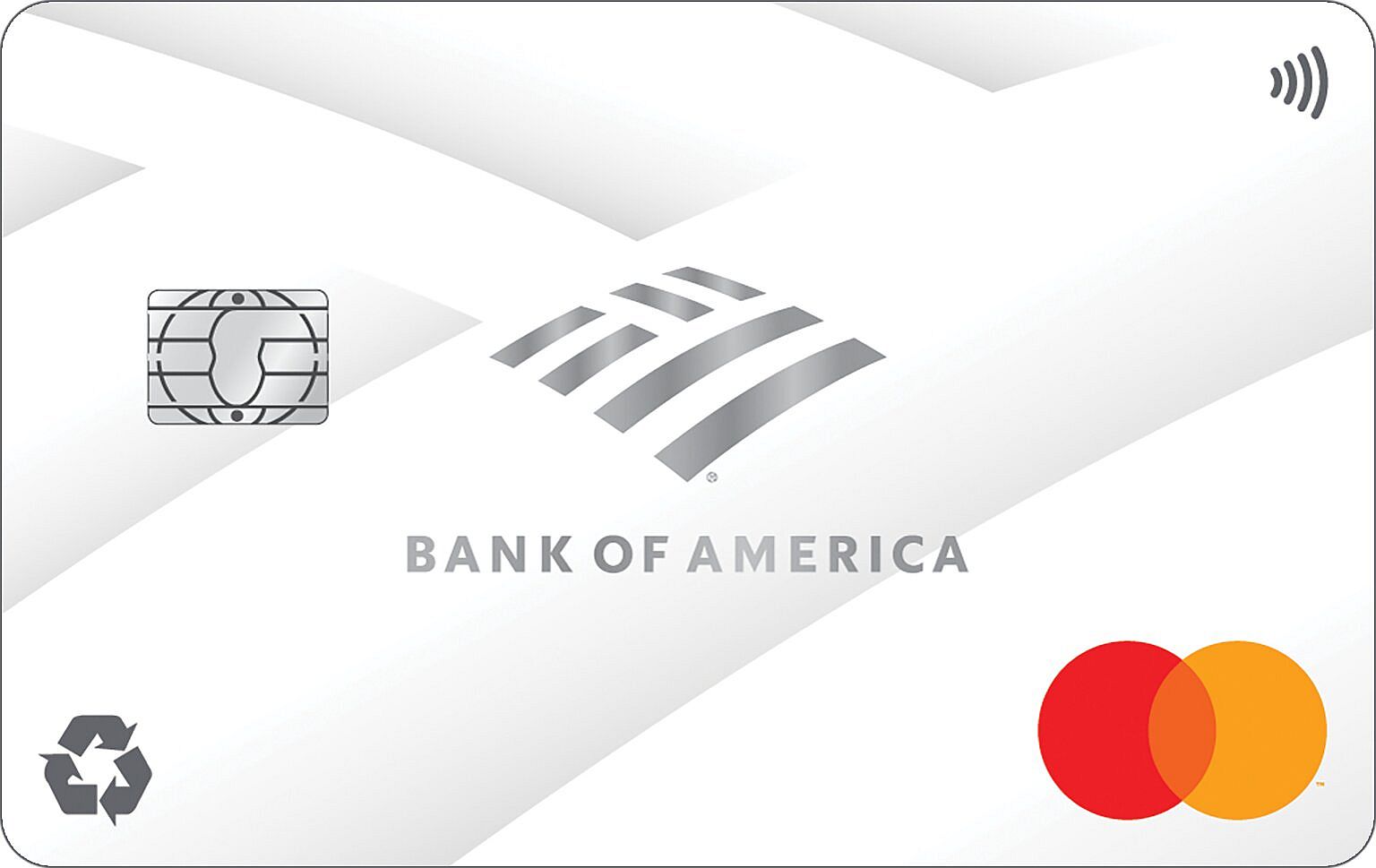 BankAmericard® credit card BankAmericard® credit cardApply Nowon Bank of America's website on Bank of America's website | Best for Longest intro APR period | $0 | 0% intro APR on Purchases for 21 billing cycles and 0% intro APR on Balance Transfers for 21 billing cycles for any balance transfers made in the first 60 days | 15.24%-26.24% Variable APR | Apply Nowon Bank of America's website on Bank of America's website |
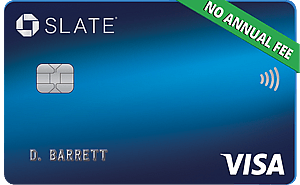 Chase Slate® Chase Slate®Apply Nowon Chase's website on Chase's website | Best for Longest intro APR period | $0 | 0% intro APR on Purchases and Balance Transfers for 21 months | 18.49%-28.49% Variable APR | Apply Nowon Chase's website on Chase's website |
| Bank of America® Customized Cash Rewards credit card Apply Nowon Bank of America's website on Bank of America's website | Best for Customizable cash back | $0 | 0% intro APR on Purchases for 15 billing cycles and 0% intro APR on Balance Transfers for 15 billing cycles for any balance transfers made in the first 60 days | 17.74%-27.74% Variable APR | Apply Nowon Bank of America's website on Bank of America's website |
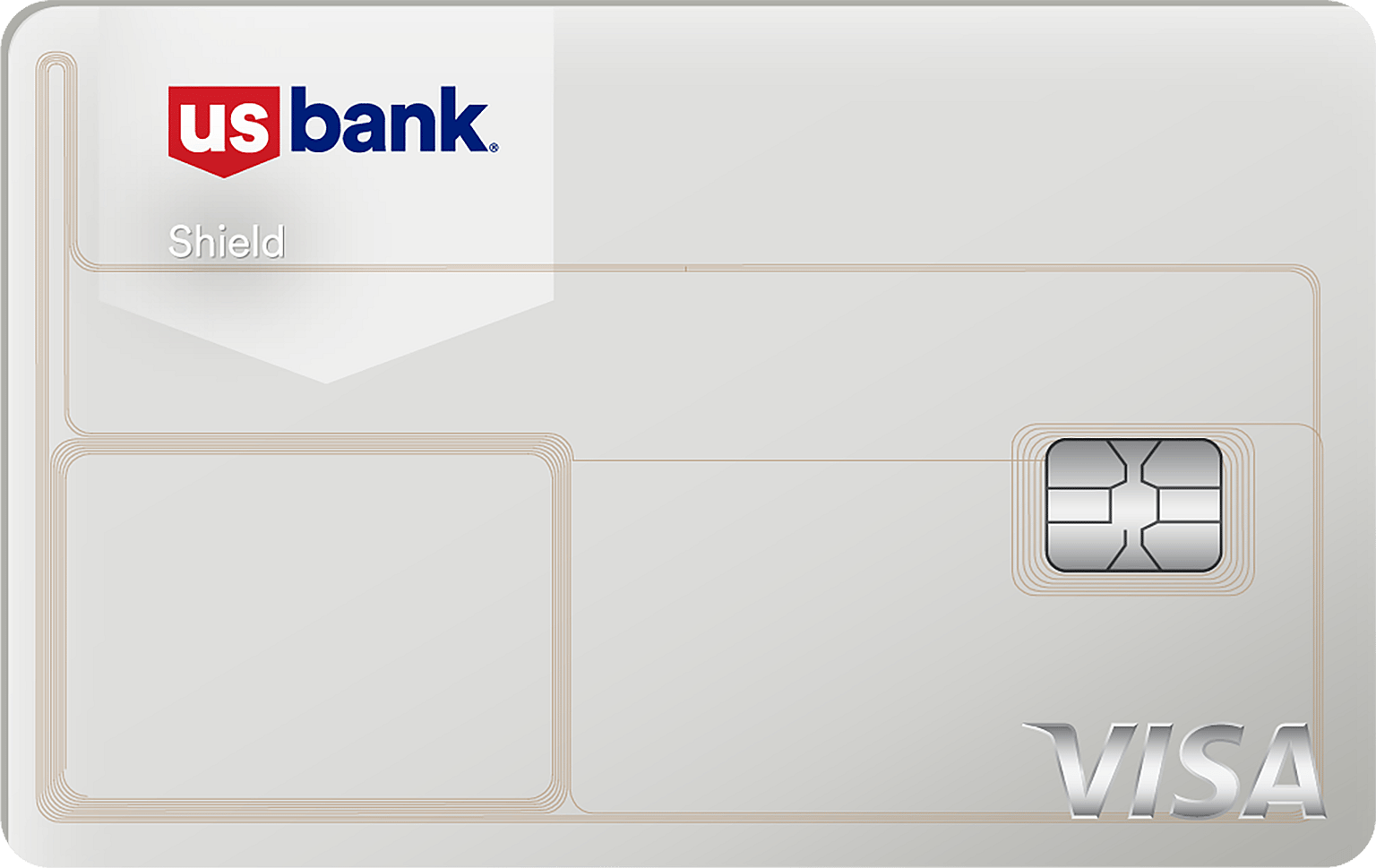 U.S. Bank Shield™ Visa® Card U.S. Bank Shield™ Visa® CardApply Nowon U.S. Bank's website on U.S. Bank's website | Best for Long intro period + side perks | $0 | 0% intro APR for 21 billing cycles on purchases and balance transfers | 17.24%-28.24% Variable APR | Apply Nowon U.S. Bank's website on U.S. Bank's website |
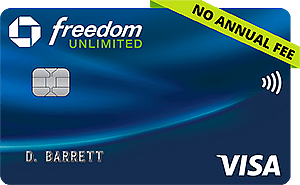 Chase Freedom Unlimited® Chase Freedom Unlimited®Apply Nowon Chase's website on Chase's website | Best for All-around cash back | $0 | 0% intro APR on Purchases and Balance Transfers for 15 months | 18.49%-27.99% Variable APR | Apply Nowon Chase's website on Chase's website |
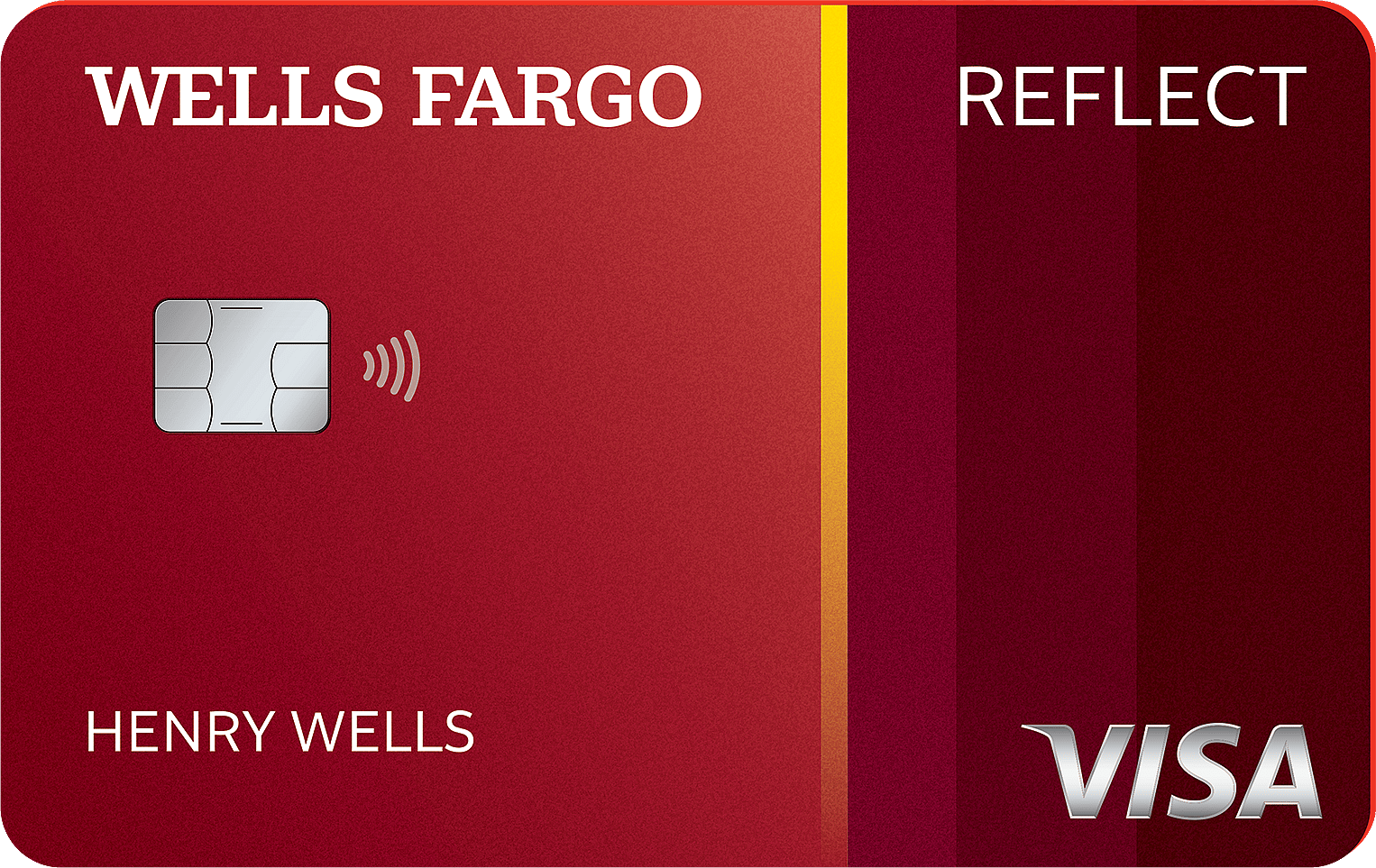 Wells Fargo Reflect® Card Wells Fargo Reflect® CardApply Nowon Wells Fargo's website on Wells Fargo's website | Best for Longest intro APR period | $0 | 0% intro APR for 21 months from account opening on purchases and qualifying balance transfers | 17.74%, 24.24%, or 28.49% Variable APR | Apply Nowon Wells Fargo's website on Wells Fargo's website |
| Blue Cash Everyday® Card from American Express Apply Nowon American Express' website on American Express' website | Best for Grocery and gas rewards | $0 | 0% intro APR for 15 months on purchases and balance transfers | 19.74%-28.74% Variable APR | Apply Nowon American Express' website on American Express' website |
| Bank of America® Travel Rewards credit card Apply Nowon Bank of America's website on Bank of America's website | Best for Travel rewards | $0 | 0% intro APR on Purchases for 15 billing cycles and 0% intro APR on Balance Transfers for 15 billing cycles for any balance transfers made in the first 60 days | 17.74%-27.74% Variable APR | Apply Nowon Bank of America's website on Bank of America's website |
| Capital One Quicksilver Cash Rewards Credit Card Apply Nowon Capital One's website on Capital One's website | Best for Simple cash back | $0 | 0% intro APR for 15 months on purchases and balance transfers; balance transfer fee applies | 18.74%-28.74% Variable APR | Apply Nowon Capital One's website on Capital One's website |
| Bank of America® Unlimited Cash Rewards credit card Apply Nowon Bank of America's website on Bank of America's website | Best for Simplicity + relationship rewards | $0 | 0% intro APR on Purchases for 15 billing cycles and 0% intro APR on Balance Transfers for 15 billing cycles for any balance transfers made in the first 60 days | 17.74%-27.74% Variable APR | Apply Nowon Bank of America's website on Bank of America's website |
More about our picks: Cards with an intro APR period
As discussed above, the term "low interest credit card" has multiple meanings, so there's no single "best" low interest credit card. Some people want short-term relief in the form of an intro APR period. Others simply want a card with a lower "permanent" rate. This page presents both. It's not a ranked list ordered from best to worst, but a roundup of what we considered to be the best options for a variety of use cases. (There may be "ties," though, among cards with equally strong value propositions.)
Below, we dive a little deeper on the cards featured on this page — what makes them stand out and what kind of cardholder would benefit most from them. If you're still unsure about your decision, this additional context may help.
BEST LOW INTEREST CREDIT CARDS OF OCTOBER 2026
Wells Fargo Reflect® Card: Our pick for longest intro APR period
Chase Slate®: Our pick for longest intro APR period
BankAmericard® credit card: Our pick for longest intro APR period
U.S. Bank Shield™ Visa® Card: Our pick for longest intro APR period + side perks
Bank of America® Travel Rewards credit card: Our pick for travel rewards
Chase Freedom Unlimited®: Our pick for all-around cash back
Capital One Quicksilver Cash Rewards Credit Card: Our pick for simple rewards
Bank of America® Unlimited Cash Rewards credit card: Our pick for simplicity + relationship rewards
Blue Cash Everyday® Card from American Express: Our pick for grocery, gas and online rewards
Bank of America® Customized Cash Rewards credit card: Our pick for customizable cash back
Wells Fargo Reflect® Card
Our pick for: Longest intro APR period
The value proposition on the Wells Fargo Reflect® Card is about as simple as it gets: an introductory APR period of almost two years for both purchases and balance transfers, which is one of the lengthiest breaks from interest offered by any major card issuer. The promotional rate for transfers is good for 120 days from the time you open the account; that's a longer window than on some competing cards, which might offer only 60 days. On the other hand, the balance transfer fee on this card is on the high end of the typical range. Like most cards in its class, it doesn't offer many compelling reasons to keep using it once the intro APR period ends. There are no rewards, no significant perks beyond cell phone insurance, and no bonus offer. If you don't actually need 21 months to eliminate your debt, a cash back card with a shorter 0% promotion might be a better alternative. But if your aim is as much 0% as you can get, it's a good choice. Read our review of the Wells Fargo Reflect® Card.
» For a lower intro balance transfer fee: Citi Simplicity® Card.
Chase Slate®
Our pick for: Longest intro APR period
The Chase Slate® offers a simple value proposition, with one of the longest introductory APR periods on any card from a major issuer. Put a major purchase on this card, or transfer a balance to it, and you don't have to worry about interest for nearly two years. That's the extent of its appeal, however. The card doesn't have a bonus offer or earn rewards, so there's not a lot of long-term value once the clock runs out on the APR promotion. If you don't actually need the full 21 months to pay down your debt, you might even be better off with a rewards card that has a shorter 0% offer but will put cash back in your pocket. Unlike an earlier version of the Slate, this card charges a balance transfer fee of 5%, which is on the higher end. Still, if a super-long 0% period is what you're after, you'll find it with this card. Read our review of the Chase Slate®.
» For a lower balance transfer fee and rewards: Citi Double Cash® Card
BankAmericard® credit card
Our pick for: Longest intro APR period
If you want to avoid paying interest as long as possible, the BankAmericard® credit card can give you that reprieve thanks to an introductory APR period approaching two years. The APR promotion applies to purchases and to balance transfers made within 60 days of account opening. However, this card doesn’t earn rewards, nor does it come with a bonus offer. (If you have a big purchase coming up that you'll be able to pay off in 12-15 months, consider a cash back card with a 0% intro APR period; the spending rewards combined with the bonus could effectively provide a significant discount on that purchase.) The lack of rewards also limits the card's long-term value. And there's a 5% balance transfer fee, which is on the high end of the typical range. Nevertheless, if your primary goal is simply putting interest on hold, this card can make it happen. Read our review of the BankAmericard® credit card.
» For a lower intro balance transfer fee: Citi Simplicity® Card.
U.S. Bank Shield™ Visa® Card
Our pick for: Long intro period + side perks
While primarily a card for paying down debt, the U.S. Bank Shield™ Visa® Card adds a few perks that might push it ahead of its rivals. In addition to its lengthy 0% intro APR period for purchases and balance transfers, the card offers cell phone insurance, an annual statement credit after making a purchase in 11 consecutive months, and 4% back on certain travel booked through U.S. Bank’s Rewards Center. Sure, none of those perks are groundbreaking, but other cards in its class have almost nothing to offer beyond their 0% period. (Tip: Put a subscription on the card, set the card to autopay and that annual credit becomes automatic.) If all you're looking for is the longest possible break from interest, then you've read as far as you need to. But if you aren't going to need more than a year or so to pay down your debt, consider a card with a shorter intro APR period plus rewards that give it greater lasting value (or even a sign-up bonus for immediate value). Read our review of the U.S. Bank Shield™ Visa® Card.
» For a long break from interest and low balance transfer fee: Citi Simplicity® Card.
Bank of America® Travel Rewards credit card
Our pick for: Travel rewards
At one time, the Bank of America® Travel Rewards credit card was NerdWallet's hands-down choice as the best general-purpose travel credit card that didn't charge an annual fee. That status is far more debatable nowadays, given the evolution of the travel space. Even so, it has a few strong points in its favor. First is simplicity: You earn a solid rewards rate of 1.5 points per dollar spent on every purchase, and those points can be redeemed for travel at a rate of 1 cent per point, with none of the kinds of redemption restrictions you get with branded airline miles or hotel points. It's the same basic value equation as what made Capital One's Venture card (which has an annual fee) one of the most popular products in the industry. If you're a member of the BofA Rewards program, you could even earn a higher rewards rate than the Venture. Bank of America® also has a generous and expansive definition of "travel," giving you additional flexibility in how you use your rewards. Finally, this is also the rare — very rare — travel rewards card with an introductory APR offer. If you're looking for VIP perks, though, forget it. When you're paying $0 a year for a travel card, you can't expect frills. The bulk of the value will come from rewards on spending. Read our review of the Bank of America® Travel Rewards credit card.
» For triple points in multiple categories with no annual fee: Wells Fargo Autograph® Card
Chase Freedom Unlimited®
Our pick for: All-around cash back
The Chase Freedom Unlimited® isn't all things to all people, but it is a lot of things to a lot of people, which is why it's so popular — and why it appears on so many of NerdWallet's roundups for the best credit cards in a particular category. It's the rare card that pays uncapped bonus cash back in common spending categories and earns more than 1% cash back on all other spending. (Usually you get one or the other.) It's a good fit for someone looking for one card they can use everywhere. Flexible rewards also make it a good pairing with one of Chase's Sapphire-branded travel cards, and the lengthy 0% introductory APR period gives you a decent option for managing debt. There aren't a lot of drawbacks, but if you don't spend much in the card's bonus categories (restaurants, drugstores, travel booked through Chase), you'd be better off with a flat-rate 2% cash back card. Read our review of the Chase Freedom Unlimited®.
» For a simpler rewards structure: Citi Double Cash® Card
Capital One Quicksilver Cash Rewards Credit Card
Our pick for: Simple cash back
With a simple, flat 1.5% cash back rate on all purchases and a ubiquitous ad campaign to make people aware of it, the Capital One Quicksilver Cash Rewards Credit Card blazed a trail that the rest of the credit cards industry followed. That industry has effectively caught up with Quicksilver, and there are other $0-annual-fee cards that offer 1.5% cash back with a sign-up bonus and an introductory APR period (see rates and fees). In terms of rewards, some cards now pay a flat 2% cash back. But this card's combination of benefits remains strong, and it has some unique features in its favor. Notably, it earns 5% cash back on hotels, vacation rentals, and car rentals booked through Capital One. If you’re happy to book through a travel portal, it’s an opportunity to get more value. Read our review of the Capital One Quicksilver Cash Rewards Credit Card.
» For 2% back on all purchases: Citi Double Cash® Card
Bank of America® Unlimited Cash Rewards credit card
Our pick for: Simplicity + relationship rewards
The ongoing rewards rate on the Bank of America® Unlimited Cash Rewards credit card is solid but not spectacular. Taken in combination with the card's other features, though, this could become a strong contender as your top-of-wallet card. If you're a member of the BofA Rewards program, the 1.5% base rewards rate could get bumped to 2.25% or even higher, and suddenly this option is lapping the crowded field of 2% credit cards. Even if you're not in BofA Rewards (which requires substantial balances in Bank of America® and Merrill accounts to qualify for stepped-up rewards), the card is attractive for its bonus offer for new cardholders and an intro APR period that can save you a lot of money on interest. Read our review of the Bank of America® Unlimited Cash Rewards credit card.
» For a 1.5% card with bonus categories, too: Chase Freedom Unlimited®
Blue Cash Everyday® Card from American Express
Our pick for: Grocery, gas and online rewards
True, the Blue Cash Everyday® Card from American Express doesn't have the industry-leading rewards rates boasted by its more expensive sibling, the Blue Cash Preferred® Card from American Express. But households that spend a lot of money in its bonus categories can still earn hundreds of dollars a year in cash back. The card earns 3% at U.S. supermarkets, at U.S. gas stations and on U.S. online retail purchases. Those categories are each capped at $6,000 in annual spending (after which you earn 1%), and some households will undoubtedly exceed those limits, especially for groceries and online purchases. But it's not as if the Preferred gives you a higher spending cap for U.S. supermarkets, even with its annual fee, and that card doesn't offer bonus rewards on online purchases. The Everyday card also has a good introductory APR period, which pairs nicely with its bonus cash back on online retail. Say you have a large purchase coming up but want to finance it to maintain a positive cash flow. You could make the purchase online, put it on this card and effectively get a 3% discount (and maybe also earn the card's new cardholder bonus offer), then use the APR promotion to pay it off over time without interest. Terms apply. Read our review of theBlue Cash Everyday® Card from American Express.
» For bigger rewards on groceries: Blue Cash Preferred® Card from American Express.
Bank of America® Customized Cash Rewards credit card
Our pick for: Customizable cash back
The Bank of America® Customized Cash Rewards credit card appears on a lot of our best-credit-cards roundups because of the do-it-yourself nature of its rewards. The ability to choose which eligible category (from a list of six) earns the highest cash back rate makes it a contender for lists like "best credit cards for restaurants" and "best credit cards for online shopping" and "best credit cards for home improvement," among others. But keep in mind that the rewards structure also means it can be the best credit card for only one of those things at any one time, since you can change your selection just once a month. This card also stands out for its $2,500 quarterly cap on spending eligible for bonus rewards; that's the equivalent of $833 a month. Many comparable cash back cards carry monthly, quarterly or annual limits that average out to $500 a month. That higher cap, the customizable categories, the bonus offer and the good introductory APR period make this card especially valuable for a big purchase right after you open the account. Downsides? Choosing your category can be a bit of a hassle. But unlike cards that require you to periodically "activate" your categories, once you make a choice with this one, it's locked in until you change it. Read our review of the Bank of America® Customized Cash Rewards credit card.
» For uncapped restaurant and grocery rewards: Capital One Savor Cash Rewards Credit Card
More about our picks: Cards with a low ongoing rate
It's always best to pay your credit card bill in full each month; when you do that, you never get charged interest, so the APR on your credit card doesn't really matter. But life happens and sometimes it's necessary to carry debt, which can get expensive. In fact, the average rate on accounts that accrued interest was 22.15% as of May 2026, according to the Federal Reserve.
Credit cards from major issuers commonly offer 0% introductory APR periods, as you can see from the list above. But their ongoing rates — the rates that apply after that introductory period runs out — tend to be high, even for cardholders with good credit.
True low-interest cards are available, but they're typically offered by regional banks and credit unions. Not everyone will be eligible for such cards, whether because of membership requirements, geographic restrictions on the product or the bank that issues it, or a credit history that's not good enough to qualify for a card's lowest rate. But if think you'll end up carrying a balance, here are some cards to consider that feature low ongoing interest rates.
AFCU Platinum Visa® Cash Back Credit Card
Annual fee: $0
APR: As of August 2026, this card was advertising ongoing APRs as low as 9.9%, which was just 3.15 percentage points above the prime rate of 6.75%.
In addition to a lower potential ongoing rate, this card also earns competitive rewards on everyday spending, which puts it on par with some of the best rewards credit cards on the market. But you must be a member of Aerospace Federal Credit Union to apply for the card. Being an employee of The Aerospace Corp. is one membership path, among other specific options. Immediate family members of those who are eligible to join the credit union can also apply for the card.
Lake Michigan Credit Union Prime Platinum Card
Annual fee: $0.
APR: As of August 2026, this card was advertising an ongoing APR of 9.75%, which was just 3 percentage points above the prime rate of 6.75%.
As far as ongoing rewards and benefits go, the card offers none. But individuals who plan on carrying a balance from month to month will find its unusually low interest rate appealing. Keep in mind, though, that you’ll need excellent credit (FICO scores of at least 720) to qualify for the card's lowest rate. And beyond that, you'll have to join Lake Michigan Credit Union to get this card, although doing so isn't that difficult.
NASA Federal Platinum Advantage Rewards Credit Card
Annual fee: $0.
APR: As of August 2026, this card was advertising ongoing APRs as low as 12.9%, which was 6.15 percentage points above the prime rate of 6.75%.
The card’s rewards are a bit lackluster (1 point for each $1 spent), but its lowest possible APR may make up for it, if you can qualify for that rate. The NASA Federal Credit Union offers a number of other cards with reasonably low interest rates. But you must be a member of the NASA Federal Credit Union to qualify for these cards.
Navy Federal Credit Union® Platinum Credit Card
Annual fee: $0.
APR: As of August 2026, this card was advertising ongoing APRs of 10.24% to 18%, which was as little as 3.49 percentage points above the prime rate of 6.75%.
Beyond its low regular APR, the card doesn't come with any rewards or ongoing benefits. Navy Federal Credit Union offers additional cards that come with potentially low ongoing APRs. But as with other military-affiliated credit unions, Navy Federal Credit Union has membership requirements that can be tough to meet.
Soarion Federal Credit Union Visa Platinum Rewards Credit Card
Annual fee: $0.
APR: As of August 2026, this card was advertising an ongoing APR of 14.75%, which was 8 percentage points above the prime rate of 6.75%.
Membership in the credit union is required to get this card. Prior to April 2024, Soarion was known as Air Force Federal Credit Union — but you don't have to be affiliated with the military to join. In addition to military association, you can become a member by being a volunteer at a number of eligible companies, living or working in certain Mississippi counties or donating to an eligible foundation, among other requirement options.
Star One Credit Union Visa Platinum Credit Card
Annual fee: $0.
APR: As of August 2026, this card was advertising ongoing APRs as low as 7.75%, which was just 1 percentage point above the prime rate of 6.75%.
The best APR on this card dips about as close to the prime rate as you're going to get, although not everyone will qualify for it. This issuer also offered rewards cards with ongoing rates as low as 8.75%. To get these cards, you must be a member of Star One Credit Union, which is available to people who live, work or attend school in nine counties in northern California or work at one of its corporate partners.
USAA® Rate Advantage Visa Platinum® Card
Annual fee: $0.
APR: As of August 2026, this card was advertising an ongoing APRs at low as 10.4%, or 3.65 percentage points above the prime rate of 6.75%.
Becoming a member of USAA isn’t as easy as it is for credit unions that offer shortcuts to join. Membership is generally limited to active military members, retired or honorably discharged service members, service academy students and eligible family members such as spouses or children.
Simmons Bank Visa
Annual fee: $0.
APR: As of August 2026, this was was advertising an ongoing APR as low as 13.75%. or 7 percentage points above the prime rate of 6.75%.
Unlike with cards from credit unions, you don’t have to be affiliated with any group or be a member to get the Simmons Bank Visa.
Understanding interest rates and APRs
The annual percentage rate, or APR, is the interest rate your credit card issuer charges on any debt you carry on your card. Some cards charge a single rate for all debt on the card; others charge different rates for different kinds of debt (purchases, cash advances, etc.). APRs are listed on your monthly credit card statement.
Issuers commonly set their rates at a certain number of percentage points above the prime rate, which is the rate big banks charge their best customers. For example, your rate might be "prime + 12 points." If the prime rate was 6.75%, as was the case in 2026, your APR would be 18.75%. With the exception of promotional periods with a 0% or super-low "teaser" rate, you're not going to find a credit card APR lower than the prime rate.
Although interest rates are expressed in annual terms, they're usually charged on a daily basis. An annual rate of 18.75%, for example, would translate to a daily rate of about 0.0514%. So for every $1,000 in debt, you'd pay about 51 cents a day in interest. That doesn't seem like much ... but over the course of a month and a year, it really adds up.
How to avoid paying credit card interest entirely
Most credit cards offer a "grace period" that allows you to avoid paying any interest at all.
If you pay your balance in full each month, then you will not owe any interest on your purchases.
If you carry debt over from month to month, then interest will start accruing on purchases as soon as they're posted to your account.
If you're what the credit card industry refers to as a "transactor" — someone who uses their card for convenience and rewards and pays the bill in full every month — then your APR is pretty much irrelevant, because you'll never pay a dime in interest.
On the other hand, if you're a "revolver" — someone who uses cards to float purchases they can't pay off all at once and carries debt from month to month — then your APR is very important, because it dictates how much you pay in interest.
What's the difference between interest and APR?
When you're talking about credit cards, there is no difference between your interest rate and APR. They're the same thing.
That leads to another question: Why do credit card issuers refer to it as the "APR" rather than the interest rate? Mostly because federal truth-in-lending laws require it. The APR is the “real” annual cost of borrowing money, and it takes into account not just interest on the money you borrow, but also fees and other charges.
With some financial products, such as mortgages, the APR can be significantly different from the stated interest rate. Credit card APR calculations, however, don’t include those other charges, in large part because card issuers cannot predict who will have to pay which fees or how much they will pay. And as discussed above, if you pay your bill in full every month, you won't pay any interest at all, so the stated APR on your account isn't even charged to you.
How do low interest credit card offers work?
As mentioned at the top of this page, there are really two ways to define a low interest credit card:
A card with a promotional APR period. This is the most common interest-saving feature on credit cards today. The promotional period typically starts when you open the account. But card issuers will sometimes offer a promotional APR on a card you’re already carrying, as an incentive to get you to use it more often.
A card with a low ongoing interest rate. The ongoing interest rate is the card’s “regular” APR — the rate that applies in the absence of any promotion.
A “low” ongoing rate isn’t easily defined, because credit card APRs go up and down with interest rates in general. Cards with low ongoing rates were more widely available during the mid-2010s, when interest rates in general sat at historic lows for a prolonged period. But as interest rates have risen, so has the definition of a low rate.
As a rule of thumb, if you can get a rate lower than prime + 5%, that’s a great rate for a credit card, and less than prime + 10% is a very good rate. However, this emphasizes just how high credit card interest rates are. The average rate on credit card accounts charged interest was 22.15% as of May 2026.
A key point to understand about the difference between cards with a low promotional APR and cards with a low ongoing rate is that in the first case, the interest savings are big but last for only a limited time, while in the latter case, the savings might be smaller but are available for the long term. So a card with an introductory APR promotion is better for a big purchase you’ll need time to pay off, while a low ongoing rate is better for someone who expects to consistently carry debt.
Glossary of APR terms
Purchase APR. This is the rate your card charges when you pay for things with the card. Most credit cards offer a grace period: If you pay your balance in full every month, you won't have to pay interest on purchases. But if you roll over debt from one month to the next, then interest will start adding up on a purchase as soon as you make it.
Balance transfer APR. This is the rate on debt that you've moved to the card from somewhere else. To attract your business, card issuers often offer a low rate on transferred debt.
Cash advance APR. This is the rate charged when you use your credit card to get cash from an ATM. Interest usually starts adding up on cash advances immediately. Grace periods don't apply.
Introductory APR. Sometimes called a promotional rate or "teaser rate," this is a low interest rate offered when you first open your account. Many credit cards offer people with good credit an introductory rate of zero percent on purchases for a year or more.
Ongoing APR. This is the "regular" rate that goes into effect once any introductory APR period expires. In the absence of an intro APR promotion, this is the rate that applies from the start.
Variable APR. Most credit card interest rates are tied to the prime rate. When the prime rate goes up (or down), your credit card's interest rate will usually go up (or down) an equal amount. "Variable APR" just means your current rate is not permanent and could change if the prime rate does.
How credit card issuers set interest rates
Credit card issuers are required by law to clearly state the interest rate on a credit card before you apply. You can find the interest rate (or rates) charged by a card in its terms and conditions, sometimes referred to as the “fine print.” When looking at a card online, look for a link that says something like "See terms and fees" or "View rates and fees" or "Offer details." The rate will be prominently displayed in a large chart known as the Schumer box.
With some cards, everyone has the same APR. This is common, especially with cards for people with bad credit (in which the rate is very high) or super-low-interest cards for people with good credit.
Many cards charge a range of APRs. It's common to see a card saying it charges something like "15.99% to 23.99%." When a card has a range of available APRs, the rate you get will usually depend on your creditworthiness. See below for how your credit score affects your interest rate.
Rewards cards tend to charge higher APRs. Cash-back and travel-rewards programs are expensive, and one of the ways credit card issuers pay for them is by charging higher interest rates on balances on rewards cards.
How to compare low interest credit cards
When choosing a low interest credit card, let your specific needs be your guide:
If you have a big purchase coming up and will need time to pay it off, your best bet is a card with a lengthy introductory APR period. Many rewards cards offer a year or more at zero percent, which allow you to collect rewards on your purchase, then pay it off interest-free. Check our our best zero-percent credit cards for further options.
If you find you're consistently carrying a balance a from month to month, look for a card with a low ongoing interest rate. Cards with an introductory 0% period tend to charge higher rates down the road.
If you want to transfer a balance to pay it down at a lower cost, you'll want a card with a 0% intro period and a low balance transfer fee. Many of the cards on this list are good for transfers, but check out our best balance transfer credit cards for further options.
Once you've decided what type of card to look for, compare cards based on the following factors.
Introductory APR period
Ongoing APR
Balance transfer fee
Required credit profile
Penalty policies
Annual fee
Free credit score
Rewards and bonus offers
Other cards to consider
Looking to transfer a balance to save money? Our roundup of the best balance transfer cards evaluates cards — including many of the cards on this page — with that specific goal in mind.
Do you even need a low interest card? You might not. If you pay your balance in full every month, the APR on your credit card doesn't matter, because you're never actually charged interest. In that case, consider a rewards credit card, which gives you a little something back very time you make a purchase. Rewards cards fall into two major categories: cash back credit cards and travel credit cards.
• • •
NerdWallet's Funto Omojola contributed to this article.
To view rates and fees of the Blue Cash Everyday® Card from American Express, see this page.
How we choose the best credit cards
Our team of credit card experts has developed a rigorous methodology to determine how much value a card delivers and how it stacks up against its competitors.
400+
Cards reviewed

400+
Cards reviewed
NerdWallet’s experts have reviewed more than 400 cards, from the most popular options at the biggest banks to store cards to niche cards from startups and small issuers.
8
Categories scored

8
Categories scored
Credit cards are so diverse that properly rating them with a single formula is impossible. We’ve built eight rubrics, plus variations, so we can score each card on what matters.
50+
Data points analyzed

50+
Data points analyzed
Our ratings consider not just a card’s rates, fees, rewards and perks, but also how easy or hard it is to get that card, manage it and enjoy its advertised benefits.
Star rating categories
What you want out of, say, a cash back credit card is fundamentally different from what you’re looking for in a balance transfer card or a card for building credit. That’s why we have different scoring models that put weight on different features.
Cash back cards
General travel cards
Balance transfer cards
Branded airline cards
Branded hotel cards
Credit builder cards
College student cards
Small business cards
Cash back cards
Our formula looks at how much cash back you could expect to earn from typical household spending. We consider rewards rates and categories, bonus offers and the cash value of other benefits, as well as any annual fee. The rating is also influenced by the complexity of the rewards structure.
General travel cards
We consider how many points you could expect to earn from typical household spending, along with per-point values and redemption options. We add in the cash value of bonus offers and other benefits, subtract annual fees and other costs, and take into account the complexity of the rewards structure.

Balance transfer cards
Our balance transfer rubric calculates how much money a card could save you with a low or 0% interest rate. Primary factors include the length and structure of the introductory APR period and the balance transfer fee. We also consider long-term value, such as whether the card offers rewards.

Branded airline cards
We calculate how many miles you could expect to earn from typical household spending and what those miles are worth based on our valuations. We add in the cash value of bonus offers and perks such as free checked bags and lounge access, and we subtract annual fees and other costs.

Branded hotel cards
We calculate how many points you could expect to earn from typical household spending and what those points are worth based on our valuations. We add in the cash value of bonus offers and perks such as free nights and automatic elite status, and we subtract annual fees and other costs

Credit builder cards
Our rubric focuses on accessibility (such as whether a credit check is required), out-of-pocket costs (such as annual fees or minimum security deposits), credit-building features (such as bureau reporting and access to a free credit score) and upgrade options when you’re ready to move on.

College student cards
Our formula calculates the rewards you could expect to earn on spending typical for a college student and takes into account the cash value of bonus offers and other benefits. Accessibility to students without established credit is a key consideration, as is the effort required to manage the card.

Small business cards
Our star ratings criteria for small business credit cards are similar to those for consumer cards, although they account for potentially higher spending levels and higher credit limits, as well as rewards structures and bonus categories tailored specifically to entrepreneurs and business operators.

NerdWallet's Credit Cards team selects the best low interest credit cards based on overall consumer value, as evidenced by star ratings, as well as their suitability for specific kinds of consumers. Factors in our evaluation include annual fees, the length of a card's introductory APR periods (if any) on purchases and balance transfers, ongoing APRs, balance transfer fees, bonus offers for new cardholders, rewards rates and redemption options, and other noteworthy features such as fee waivers or the ability to qualify with less than good credit. Because different consumers can have markedly different needs, preferences and spending habits, we recognize that there is rarely a single credit card that is "best" for everyone. That's why this page includes a variety of options to suit an array of circumstances. Also, a single card is eligible to be chosen as among the "best" in multiple categories.
Our star ratings provide a quick way to compare credit cards. We assess the features of a card, score those features according to how they compare with other options on the market, and assign the card a rating of 1 to 5 stars based on those features. In general, a card that rates 4.5 stars will be a better value for more people than a card that rates 4.0 stars. However, the 4.0 card might be better than the 4.5 card for an individual consumer depending on that person’s circumstances. Further, ratings are only comparable within categories. If you're looking for rewards, for example, a 3.5-star cash back card will be of greater value than a 5.0-star balance transfer card or a 4.5-star credit-builder card. Star ratings are an important consideration in which cards appear on our "best" pages, but they are not the sole determining factor. Learn how NerdWallet rates credit cards.
