




Buying a tiny house comes with a lower price tag and less upkeep than a traditional home, but it also comes with certain barriers. From how to finance it to where to locate it, here are things to consider when deciding whether tiny living is right for you.
What is a tiny house?
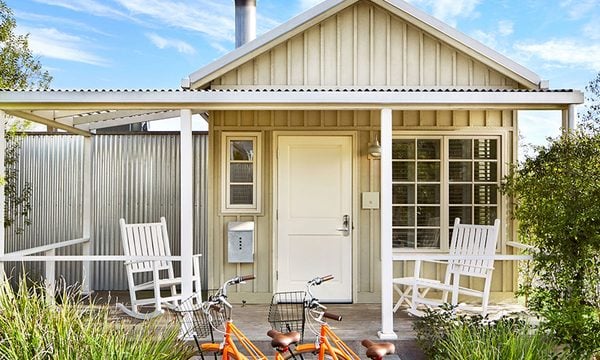
A tiny house is generally considered 400 square feet or less. That’s much smaller than the median size of a new single-family home, which is about 2,140 square feet, according to 2025 U.S. Census Bureau data.
There are two types of tiny houses:
Movable homes, also known as tiny houses on wheels. A trailer, which is the base of a tiny house on wheels, allows it to be moved, unlike a single-family home, townhouse or condominium.
Tiny homes on a foundation. They may be on a lot by themselves. Or they may be designated as accessory dwelling units, or ADUs, which are smaller, independent residential dwellings located on the same lot as a single-family home.
How much is a tiny house?
Tiny homes have been growing in popularity as people seek more affordable housing.
They are a cheaper alternative to detached single-family homes, the most common type of dwelling in the United States. While tiny houses are also priced lower than townhomes and condominiums, your overall costs depend on where you place your home and whether you buy the land or lease it.
If you don’t already have a place to put your tiny home, you'll have to buy land or lease a lot. If you put your home on vacant land, you’ll need to factor in the cost of getting utilities to your property. And, depending on where you live, if your tiny home is on a foundation, you may have to pay property taxes.
Owners of tiny homes on wheels don't have to pay property taxes on the house. But you can’t put your tiny house on wheels just anywhere. Because of zoning laws, you'll have to pay for a place to park it, and depending on where that is, real estate taxes could apply.
Where to buy a tiny house
You can purchase move-in ready tiny homes or tiny house shells through a tiny home builder. If you have carpentry skills, you can buy a tiny home kit and do a lot of the work yourself.
Zoning codes vary by city across the U.S. Local regulations determine whether you can build and live in a tiny house.
In addition, tiny homes are subject to building codes such as a minimum ceiling height and the dimensions of the loft area.
Homeowners can be more successful in their efforts to buy a tiny home by researching communities around the country that are more favorable to tiny house living. Zoning and building rules may be less stringent in less populated, rural areas.
How to pay for a tiny house
Getting financing for a tiny house can be challenging. Minimum home loan amounts can start at $50,000, and lenders require that homes have a permanent foundation, making mortgages for tiny homes difficult.
If you have enough money saved up, you could pay for the house in full. Sixty-eight percent of tiny homeowners have no mortgage, compared with about 40% of all U.S. homeowners.
You could also finance your home with a personal or unsecured loan from a bank, online lender or credit union. Loan repayment terms for personal loans are typically shorter than a traditional mortgage. While individuals with excellent credit, typically scores of 720 or above, may qualify for the lowest rates, the annual percentage rate on personal loans can run from 6% to 36%.
Here are some other financing options for tiny homes:
If you're working with a tiny home builder, they may be able to help you secure a loan through a lender.
If you own a house and want to add a tiny house to your land, a home equity loan or line of credit may be possible.
If you can certify your tiny house on wheels as an RV with the RV Industry Association, you may qualify for an RV loan, with the stipulation that it must be your permanent residence.
Technically, you could charge your tiny home on a credit card if your available balance is large enough. However, unless you have the savings to pay off the bill right away and not accrue high interest charges, this isn't a recommended strategy.
Pros and cons of tiny houses
Many people interested in tiny houses are attracted to the low cost. Others like the reduced environmental footprint or the minimalist lifestyle.
Here are some other pros and cons of tiny houses:
Pros
You may be able to save up to purchase your home outright or pay it off more quickly than a larger single-family home.
You don’t have to pay property taxes for tiny homes on wheels.
Tiny homes typically consume less energy, resulting in lower utility bills.
Less square footage means there’s less to clean in a tiny house.
Tiny homes on wheels can give you mobility and freedom of movement.
If you have a tiny house built, you can customize it to your liking.
Cons
Financing a tiny home can be difficult.
You may have to purchase or lease a lot to put the house on.
Your tiny home will be subject to zoning and building regulations.
It may be difficult to get insurance for your home.
Tiny homes can be challenging to resell.
There's less living and storage space.
Tiny-home living isn’t for everyone. Whether it’s a short term stay or your forever home, tiny homes can be a big adventure.