





The Pinnacle Cash Back Visa Signature credit card may be an option if you live in certain Texas counties or belong to qualifying organizations or institutions that make you eligible to join Greater Texas Credit Union.
But even if you're eligible to apply, you'll have to weigh whether this no-annual-fee card and its terms are right for you. The rewards structure can be tricky to navigate because of deposit requirements and a cap on the amount of cash back you can earn.
Still, if you can easily clear those hurdles, the card's value is as solid as its steel exterior.
Here’s what you need to know about the Pinnacle credit card.
1. Not everyone is eligible to join
As an institution, Greater Texas Credit Union is more exclusive than others. Some credit unions let you qualify by joining a partner organization with a donation, but this one limits membership to its region. To be eligible to join, you must meet one of the following requirements:
Live, work, worship or attend school, businesses or other legal entities in Brazos County, Bastrop County, Dallas County, Harris County, Hays County, Hidalgo County, Bexar County, Tarrant County and Travis County.
Be a student, alumni, faculty or staff of Texas A&M University.
Be a student or employee at Texas State University or central Texas school districts (Bastrop ISD, Bastrop High School, Cedar Creek High School, Elgin ISD, Hays CISD, Leander ISD and Northwest Lineman College).
Work for an eligible employer (see list here).
Have an immediate family member or member in your household who is eligible to join.
2. You can earn up to 3% back, but with major caveats
The rewards program has caps and requirements that make it more complicated than you’ll find on other cards.
For starters, to qualify for the card’s “bonus earn” rewards rate, you'll need to meet a “relationship requirement." That entails having an active checking account with Greater Texas Credit Union and making monthly deposits of $1,000 or more. You can add funds via ACH, mobile deposits, an ATM check, as cash or a check in branch, to name some options. You won’t have to think about it, though, if you can set up direct deposits.
The Pinnacle credit card’s bonus earn rate is 3% cash back on groceries, restaurants and fuel, on up to $4,000 spent per year in each category. If you were to max out that rate in all three categories, you'd earn a total of $360 in bonus cash back for the year. Once you hit that $4,000 cap in a 3% category, you'll either earn an unlimited 2% cash back (if you continue to meet the deposit requirement) or 1.5% back on those purchases and all others as well — for the rest of the year.

You can redeem your cash back as statement credit or a deposit into an eligible Greater Texas Credit Union or Aggieland Credit Union checking or savings account. Cash back redemptions expire at the end of the third calendar year from the day they were earned.
3. The base rate for cash back is 1.5%
If you don’t meet the “relationship requirement,” you’ll earn only 1.5% cash back on all purchases. Many other credit cards can offer similar or greater value than 1.5% back and do not impose limits or additional requirements. The Capital One Savor Cash Rewards Credit Card, for instance, earns an unlimited 3% cash back on dining, purchases at grocery stores (not including Walmart and Target), on entertainment and on popular streaming services, in addition to rewards in other categories.
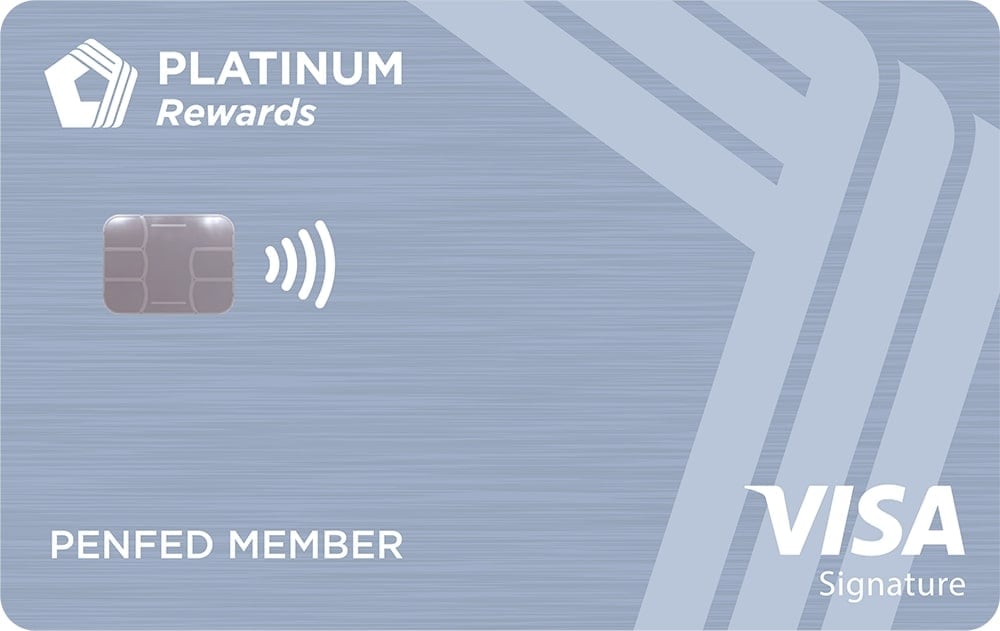
If you prefer a credit union credit card, consider the PenFed Platinum Rewards Visa Signature® Card, which offers 5 points per dollar spent on gas at the pump and EV charging stations; 3 points per dollar spent points on supermarket purchases (including most Target and Walmart locations), restaurants and dining, plus TV, radio, cable and streaming services; and 1 point per dollar on all other purchases.
4. There’s no welcome bonus for new cardholders
Unlike other credit cards, the Pinnacle credit card doesn’t feature a bonus offer for new applicants. A welcome offer is one way to get more value upfront on a new credit card.
The aforementioned Capital One Savor Cash Rewards Credit Card, for example, offers a sign-up bonus, if you qualify: Earn a one-time $200 cash bonus once you spend $500 on purchases within the first 3 months from account opening. The PenFed Platinum Rewards Visa Signature® Card also offers a chance at one: 15,000 points after $1,500 spend during first 3 months of card open date.
5. The interest rate is lower by comparison
The Pinnacle Credit Card has a variable APR of 18%, which is lower than average. Rates are typically capped at federally chartered credit unions, making them less expensive than those on credit cards at big banks. For comparison, the average APR charged for credit card accounts that incurred interest was 22.15% as of May 2026, according to the Federal Reserve.
Carrying a balance on this card is still not ideal, but if you are planning to do so it’s a less expensive option. You could still save more money with a low interest credit card elsewhere, even if it doesn’t earn rewards.