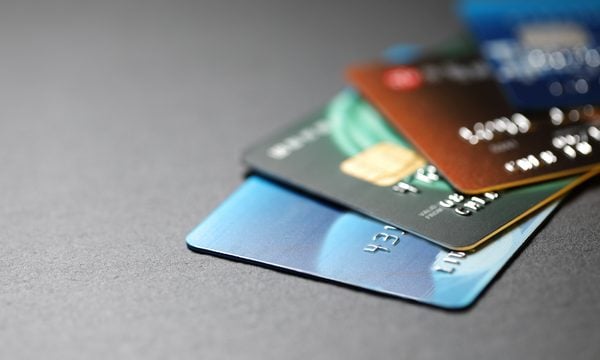
Some people are hardcore credit-card optimizers: They carry a wallet packed with plastic and pull out a different credit card for every situation. Others put a premium on simplicity: They find one card that works just fine for them in most situations, and that's all they need.
Is it a mistake to carry just one credit card? Absolutely not. A one-card lifestyle carries some benefits. But as with just about everything that has an upside, there are some potential downsides, too.
The benefits of a one-card lifestyle
- Simplicity. You only have to worry about one balance, one credit limit, one due date. This makes it easy to maintain a good credit score, since hitting your limit or forgetting to pay your bills on time can knock points off.
- Faster rewards payout. If you’ve invested time in choosing a good rewards credit card and use it consistently, you’ll see your rewards balance pile up more quickly than you would if you were spreading your spending around. If your card has a minimum redemption, amount, you'll be able to cash out more quickly.
- Lower identity theft risk. The more cards you have, the more exposed you are to data theft. Further, the more card accounts you're juggling, the longer it might take for you to notice it someone is using your card information fraudulently.

One-card risks to consider
- High credit utilization ratio. Using more than 30% of your available credit can dent your credit score in a big way. If you only have one card, you’ll need to pay particular attention to how much you’ve charged because you won’t have other open accounts to buffer a big spending month.
- Rejection will sting. Credit cards get rejected for all kinds of reasons. Your card's EMV chip might be malfunctioning, the issuer may consider the transaction suspicious, or maybe the merchant simply doesn’t accept the type of card you’re carrying. Keeping just one credit card in your wallet means there’s no margin for error if your card gets declined.
- You’re probably not maximizing rewards. Although using one credit card will help you build rewards faster, you’re probably not maximizing the miles, points or cash back you're earning. This is because some cards earn more on certain types of spending.
If you’re only using one card, you might not have the opportunity to earn, say, double points on dining. Or get 5% cash back in rotating categories. Keeping multiple cards in your wallet will allow you to optimize the rewards you’re earning on every dollar you spend.
One card or many?
The "right" number of credit cards is a highly personal matter.
If you consider yourself a plastic professional and feel comfortable managing multiple cards, there’s no harm in doing so. Be sure each card meets a different need. For instance, if you spend a lot on gas and dining, look for cards that will reward you for each type of expense. Also, keep careful track of your payment due dates and spending levels on each card. This way, you won’t run into any trouble with your credit.
On the other hand, if you don’t have a long track record of making smart choices with credit cards, it’s best to just use one until you get your bearings. Rewards are great, but only if you’re paying your bills on time and in full every month.
Finally, regardless of the number of credit cards you decide to keep, carry more than one form of payment. For most people, a credit card a debit card and a little bit of cash is the bare minimum of what should be in your wallet.
» MORE: NerdWallet's best credit cards