Do you own an Owala or Stanley water bottle? How about a Labubu? Any Jellycat plushies or bag charms, or squishy toys like NeeDohs?
If so, you’re a part of the “trinket trend.”
The trinket trend, which involves collecting or trading small items such as toys and accessories, has exploded over the past few years. And it’s hard to avoid.
I didn’t plan on joining. Yet these things keep showing up in my home anyway.
My 6-year-old and 3-year-old have accumulated roughly a thousand squishy toys from birthday parties, dentist visits and museum trips (OK, it’s probably closer to a dozen, but it feels like more). We’ve got dinosaurs, rabbits, cats, Hulk, you name it.
You might find, like I did, that these little objects can fill you with joy or regret. It’s a fine line.
What’s with all the trinkets?
Gen Z is a major force behind the trinket trend.
More than half of Gen Zers aren’t confident that the economy will improve this year, said MaryLeigh Bliss, chief content officer at the youth research organization YPulse. She spoke during the National Retail Federation’s State of Retail & the Consumer event in March.
With high living costs and a tough job market, it’s easy to understand why many people don’t feel optimistic.
Gen Z is also more likely than other age groups to say their top financial priority is buying the things they want, Bliss said. These factors are driving Gen Zers to seek out “little pieces of joy,” she said.
“It’s not necessarily that huge splurge, but the more consistent purchases, that they can have that little dopamine hit to kind of get through the weeks,” she said.
Trinkets scratch that itch: They’re small and often affordable. Funko characters retail for about $15, and NeeDoh squeeze toys are around $5.
Trinket culture is popular among other generations, too. Sensory toys are especially big with Gen Alpha right now, and many adults find trinkets cute or satisfying.
More than 90,000 people search “NeeDoh” on Google monthly, and “squishies” and “sensory toy” searches are hitting new highs as people look for products.
This plays into the larger trend of “kidulting,” where adults engage in activities or collect toys that are traditionally designed for kids. It’s a way to feel comforted from the daily grind and pressures of adult life, says Kiki Jacobson, a licensed mental health counselor in Wilmington, North Carolina.
Fads and collectibles are nothing new. My fellow millennials might remember the craze surrounding Beanie Babies, troll dolls, Tamagotchis or jelly bracelets.
Products like Sonny Angels, Funko POP! figures and Trader Joe’s tote bags are just modern equivalents.
But TikTok, Instagram and other social media platforms can make today’s trends feel more intense, says Jacobson, who specializes in financial therapy.
Algorithms amplify what captures attention, she says. Surprise reveals, unboxings and product “drops” create emotional hooks and a sense of scarcity.
The feel-good power of tiny treasures
While I have my grievances — we’ll get to those later — I can’t say that trinkets don’t spread joy.
My kids love them. I can’t help but smile when I catch my daughter tucking her squishy animal “babies” into blankets and kissing them goodnight, or when my son involves his figures in epic battles between heroes and villains.
But there’s more to these toys than entertainment.
Trinkets can serve as tools for identity and self-expression, Jacobson says. Squishy toys in particular can help relieve stress for anyone, and provide sensory regulation for people with ADHD or autism, she says.
Collecting trinkets can create a sense of community and belonging, too. I’ve seen it firsthand — trading keychains has become a bonding ritual for my son and his classmates.
It’s not all fun and games, though
While spending money on trinkets probably won’t keep you from buying a house, the costs can mount quickly. One purchase can easily turn into three or four.
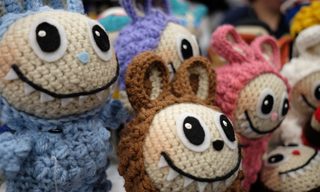
Low prices aren’t always guaranteed, either. Demand for items like Labubu monsters, and more recently, NeeDoh toys, has sent them flying off shelves. Some of these hard-to-find trinkets have sold for hundreds, or even thousands, of dollars on the resale market.
Cost isn’t the only possible downside to the trinket trend. Here are some of my biggest grievances:
Trinkets create clutter. Toy boxes, bookshelves and countertops are overflowing in my house. I’d much rather underconsume than fill my home with cheap junk that my kids don’t really need.
They can cause stress. My kids fight over them, and I’m constantly reminding my toddler not to put them in her mouth.
They’re easily lost and broken. Keychains fall off of backpacks. Tiny toys get stuffed into pockets only to be forgotten and destroyed in the laundry. My daughter popped a squeeze toy recently — water beads exploded all over the car. Cleanup was not fun.
How to do the trinket trend the right way
Trinkets don’t have to take over your life or your budget. Here’s how to keep the trend in check:
Don’t rush into anything. Buy a trinket because you truly like it, not because it’s going viral and you don’t want to miss the boat. Take some time to think about what makes you happy and where you want your money to go.
Set boundaries. Give yourself a spending limit. Knowing how much money — and space — you have to work with can keep you from getting carried away.
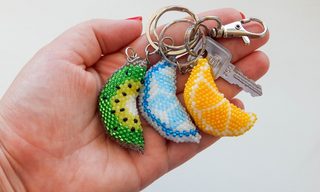
Don’t spend what you don’t have. It might be tempting to use buy now, pay later or credit cards to get those cute, fruit-shaped bag charms. But they are not worth going into debt. Save up for something you really want if you can’t afford it right now.
Look for free or low-cost ways to participate. Consider buying off-brand to save money. Is a NeeDoh cube really that different from a look-alike? You might also find free knicknacks and toys through neighborhood or parent groups on social media. Look for trinket trade boxes or events in your area, too.
(Labubu photo by Paul Butterfield/Getty News Images via Getty Images)