





Mortgage rates are still drifting higher for their fourth straight week, and fresh inflation data suggests home buyers may not see much relief anytime soon.
The average rate on a 30-year fixed-rate mortgage rose four basis points to 6.46% APR in the week ending May 28, according to rates provided to NerdWallet by Zillow. (A basis point is one one-hundredth of a percentage point.) We calculate our weekly average using daily APRs recorded over the past five business days.
All things considered, four basis points is a relatively modest increase given the ongoing instability in the Middle East. This week brought a mix of headlines, from new U.S. strikes on Iranian targets to a possible peace framework that could reopen the Strait of Hormuz, a key route for global oil shipments.
Since the war in Iran began, bond markets have been rattled by every twist in the conflict. Today’s mortgage rates tend to follow bond yields, so they’ve been jumpy, too.
Explore mortgages today and get started on your homeownership goals
Get personalized rates. Your lender matches are just a few questions away.Inflation data points to more pressure ahead
New inflation data released this morning from the Bureau of Economic Analysis showed consumer prices accelerating in April at their fastest annual pace in nearly three years.
Rising energy prices tied to the conflict in the Middle East are contributing to inflation. Any disruption to the world’s oil supply puts upward pressure on energy prices. As energy costs rise, so do transportation costs — and, in turn, inflation follows like a shadow.
Under that pressure, the Personal Consumption Expenditures Price Index (PCE) showed inflation rose in April at an annual rate of 3.8% — the highest since May 2023, when the economy was still recovering from pandemic-era supply chain shocks.
That’s a grim statistic, but it shouldn’t come as a surprise if you’ve filled up your gas tank or grocery cart in the past few months.
“Inflation appears to be quickening, both due to the oil price shock and its downstream effects, and the ongoing impact of tariffs,” says Elizabeth Renter, NerdWallet senior economist. “While prices are rising faster than comfortable, incomes are not, putting consumers in an uncomfortable spot.”
As inflation and mortgage rates rise, home buyers may find their budgets stretching far less than they did just a few months ago. If money’s tight, it’s more important to shop around for a mortgage lender to get the best rate. Comparing at least three lenders can save you thousands of dollars over the life of the loan.
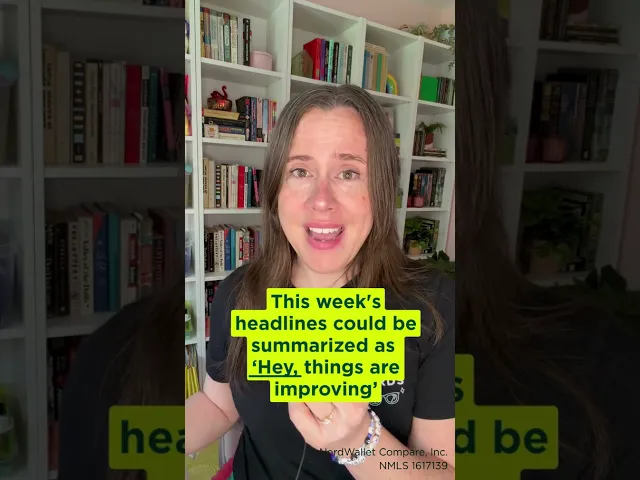
🤓 From the Nerds: Kate on Rates

The Fed faces a tough balancing act
Today’s PCE data, as the Federal Reserve’s preferred measure of inflation, is likely to get the central bankers’ attention. Federal Reserve Chair Kevin Warsh now faces the difficult task of cooling inflation without pushing the economy too far off balance. The Federal Reserve’s next meeting is June 16-17.
If prices continue rising at this pace, future Fed rate hikes could be in our future. And because mortgage rates tend to rise ahead of expected moves from the Fed, home buyers may need to prepare for borrowing costs to stay elevated for a while longer.