
When traveling, packing less makes it easier to experience more. When you’re not weighed down by bulky bags, you have more freedom to jump on public transit or walk long distances without tiring. You’ll have fewer worries about repacking or losing items. With carry-ons only, you’ll avoid checked bag fees, waiting at the luggage carousel and the risk of lost luggage.
If you travel backpack-only, you'll be forced to leave even more at home than you otherwise would with a full suitcase. It means sacrificing just-in-case items.
And that’s where my 10-$10 rule comes in.

By signing up, you will receive newsletters and promotional content and agree to our Terms of Use and acknowledge the data practices in our Privacy Policy. You may unsubscribe at any time.
What is the 10-$10 rule?
The 10-$10 rule is a packing strategy that helps you decide what to bring and what to leave behind. The premise is straightforward: If you can acquire a just-in-case item upon arrival for less than $10 and within 10 minutes, don’t pack it.
For cheap, small items that you’ll absolutely use — say a toothbrush, deodorant or underwear — pack them regardless. But for large or just-in-case items, buy them upon arrival, as long as they cost less than about $10 and are easily purchasable within 10 minutes.
Under the 10-$10 rule, items you generally shouldn’t pack include:
Books (perhaps pack one, but will you really read that second one?).
First-aid kits.
Over-the-counter medications that you only sometimes use (e.g. antacid tablets or ibuprofen).
Weather-contingent items like ponchos and umbrellas (particularly if it’s not even rainy season).
Of course, the 10 minutes is key. There probably aren't drugstores in the wilderness, in which case packing something like a first-aid kit for a camping trip can make sense.
I’ve come up with this rule over the years of traveling carry-on only, and then progressing to backpack-only. When all your possessions are on your back, overpacking is not just unnecessary weight, but it makes it especially tough to sift through the items you really need.
» Learn more: 14 must-pack items we refuse to travel without
Make the 10-$10 rule your own
The 10-$10 is more of a guideline than a rigid, one-size-fits-all rule. Embrace its spirit, and adjust the timing and dollar figure to your liking. Factors you consider might include:
Group type
A single, able-bodied adult might easily pop into a store and make a quick purchase. Others who are less mobile, or families with kids, might find that a single convenience store run exceeds 10 minutes. If that's you, packing more from home makes sense.
Item size
I sometimes make exceptions for an item’s size depending on the likelihood of using it.
Antihistamine cream is small and easy to pack, but I’ll never know whether I need it for a bug bite until it happens. Though such an item might never get used, I’ll more likely use it on a lakefront vacation in Florida than a trip in downtown Denver, where high elevations make it relatively bug-free.
Meanwhile, bulky items like beach towels never make the cut.
Budget
For budget-conscious travelers who can’t afford inflated hotel gift shop prices, the $10 threshold might be too high. Adjust it according to the flexibility of your budget.
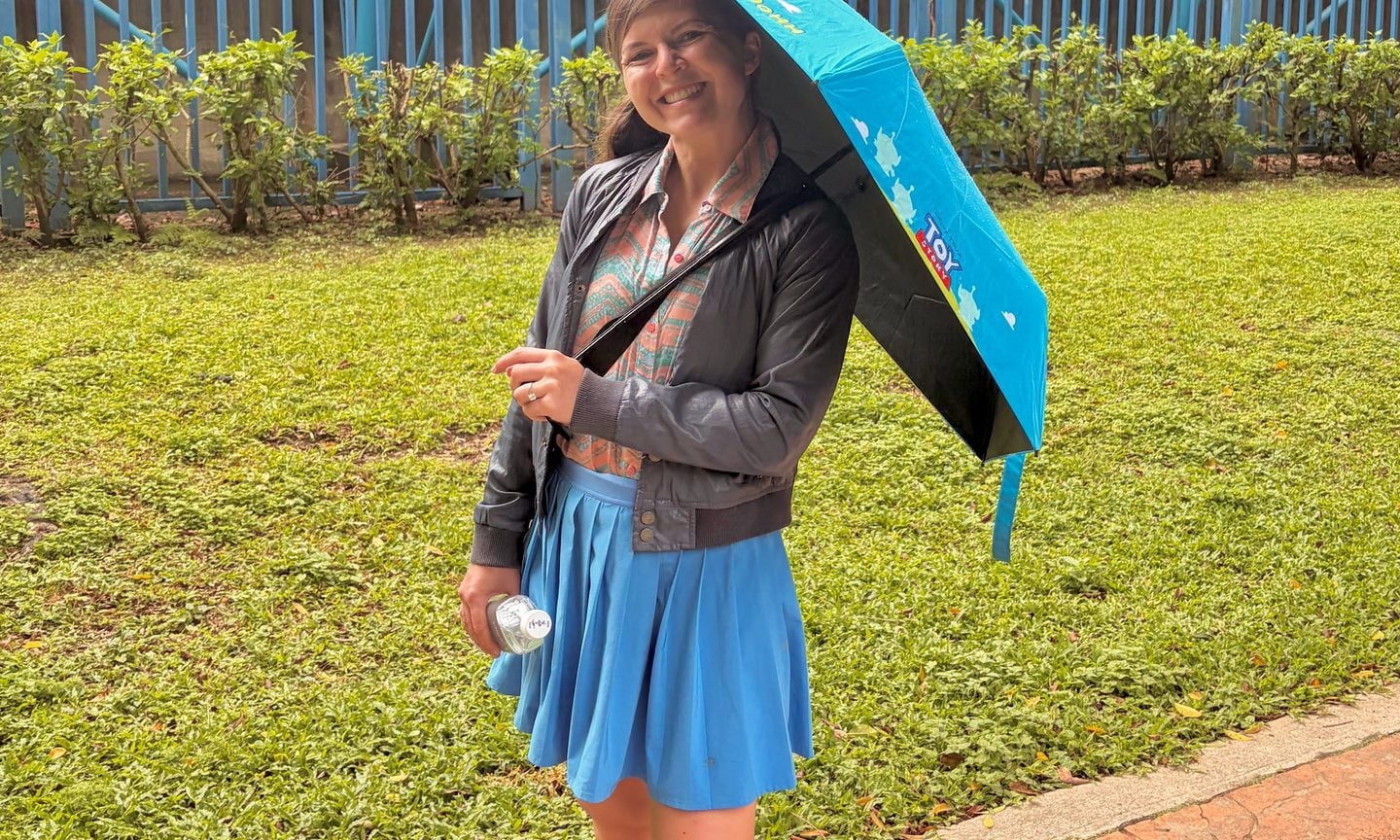
As my own savings account has grown, I’m more willing to push the $10 rule higher. But in my younger years, my $10 rule was more like a $3 rule. Back then, I was more likely to pack a just-in-case umbrella, because the thought of forking over cash amidst a downpour felt wasteful. These days, I’m usually willing to gamble that it won’t rain.
Your own flexibility
If you’re picky, realize that it might take more than 10 minutes to find the item you want, in which case the 10-$10 rule doesn’t apply. I’m generally OK using any sort of skincare products. But if you demand a specific brand, pack your own.
And in some situations, like traveling with babies, taking 10 minutes to track down something like diaper cream might not be worth it when you could have packed it from home. The 10-$10 rule isn’t for you.
Location
Items that make the 10-$10 cut on one trip might not on another. In New York City, where there’s no shortage of retailers, I’m more willing to underpack. That’s less often the case on trips to small towns or national parks where storefronts are limited.
Don’t overpack, but don’t overshop either
It’s usually OK to spend a little more than you would to buy the same things at home. I don’t mind paying the markup for sunscreen sold on the beach versus dealing with checked luggage to pack sunscreen from home.
On the other hand, watch out for wasteful spending. Once you’ve found a cheap souvenir stall, it can be tempting to buy anything under $10 — like fanny packs, sunglasses and hats. Don’t overlook the minimalist spirit of the 10-$10 rule, which is not only packing what you absolutely need — but also only buying what you absolutely need.
Benefits of the 10-$10 rule
Packing light taught me that I often don’t even need stuff I thought I did.
Hotels often supply items you might’ve packed anyway
Many hotels these days are tightening up on the free toiletries left on your bathroom counter, presumably to mitigate waste. But often, hotels still offer those freebies — you just have to ask.
On a recent stay at the Hotel Virginia Santa Barbara in Santa Barbara, Calif., the lobby attendant gave me complimentary toiletries like toothpaste and razors. I was delighted by the complimentary sunscreen at the Halepuna Waikiki by Halekulani in Honolulu.
One of the best hotel brands for parents seeking to pack light is Loews Hotels, which operates the Universal Orlando hotels including the Universal Helios Grand Hotel, as well as others around the U.S. That hotel offers complimentary Hello Bello baby and toddler amenity kits, which include baby shampoo, baby lotion and wipes. Parents can also borrow cribs, baby bath amenities and night lights.
Even at Disneyland, I’ve picked up free bandages for my blistered feet at a first aid station in the park.
Most hotels and vacation rentals provide irons, hairdryers and towels, so definitely don’t pack those bulky items. Some also offer items like robes and umbrellas.
You net a great souvenir

On a trip to Thailand, I intentionally under-packed. Buying a sundress, shirts, sandals and floppy hat from vendors who lined the beach was all part of the experience. Plus, they’re functional souvenirs that I truly love (the banana print romper is one of my favorites).
How to maximize your rewards
You want a travel credit card that prioritizes what’s important to you. Here are some of the best travel credit cards of 2026:
Flexibility, point transfers and a large bonus: Chase Sapphire Preferred® Card
No annual fee: Wells Fargo Autograph® Card
Flat-rate travel rewards: Capital One Venture Rewards Credit Card
Bonus travel rewards and high-end perks: Chase Sapphire Reserve®
Luxury perks: American Express Platinum Card®
Business travelers: Ink Business Preferred® Credit Card