Smaller crowds, better deals in the right places and mild weather still make shoulder season one of the best times to travel - you just can't assume the savings anymore.
"Shoulder season" refers to the time between a destination's high and low tourist seasons. Think early spring before summer kicks off, or mid-fall after school resumes. This period varies by location. In beach towns, it might be early June or September, while ski resorts may hit their shoulder just after New Year's.
More travelers are catching on, and that's exactly what's changing the math. According to Skyscanner's 2025 Smarter Summer Report, one-third of Americans were planning off-peak trips, with Gen Z leading the way. But as more people chase those "secret" savings, some of the traditional shoulder-season discount has started to disappear. New data from Expedia and Vrbo shows fall 2026 lodging prices in top U.S. destinations running 20% higher than summer on average, with demand for fall travel up 17% year over year on Vrbo.
That doesn't mean shoulder season stopped being worth it. It means the savings are now concentrated in specific places instead of showing up everywhere automatically - so a little research goes a lot further than it used to. Here are five reasons shoulder season still reigns supreme for smart travel in 2026, and what's changed about finding the deals.
1. You can still find lower prices than peak season – if you know where to look
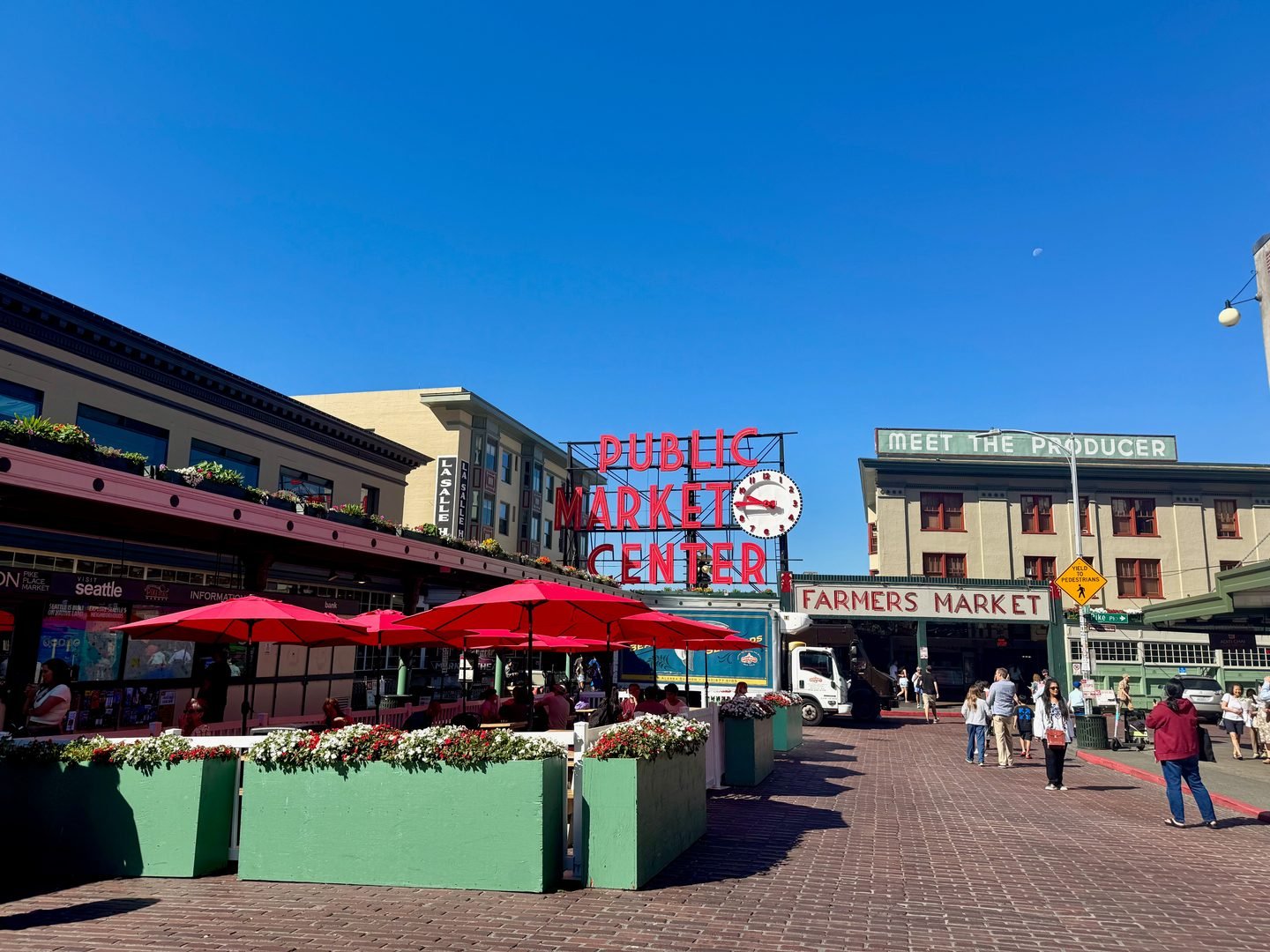
Flexibility still pays, but it pays unevenly this year. Expedia's latest Fall Travel Outlook found that across the top 10 U.S. destinations, fall lodging is running 20% higher than summer, and fall airfare is up 2%. That's the opposite of the discount shoulder season traditionally delivers. Vrbo's data tells a similar story, where average nightly rates during shoulder season are now just 5% lower than peak summer prices at its top destinations.
The deals haven't vanished, though — it just appears they've moved. Expedia flagged six U.S. destinations where fall pricing still beats summer by a wide margin: Aspen (about 45% combined savings on lodging and flights), Anchorage (about 40%), Fort Walton Beach (about 30%), San Diego (about 15%), Honolulu (about 10%) and Bozeman (about 5%). On the vacation-rental side, Vrbo found some of its steepest shoulder-season price drops in Myrtle Beach, South Carolina (-34%), Orange Beach, Alabama (-31%), Panama City Beach, Florida (-24%), Santa Rosa Beach, Florida (-16%) and Ocean City, Maryland (-12%). Meanwhile, popular cities including Nashville, Boston, Chicago and Miami are actually seeing rates rise this fall rather than fall.
The upshot: treat "shoulder season" as a research starting point rather than a guarantee. Check a specific destination's actual pricing before assuming a random fall or spring date will be cheaper. In 2026, it might not be.
By signing up, you will receive newsletters and promotional content and agree to our Terms of Use and acknowledge the data practices in our Privacy Policy. You may unsubscribe at any time.
2. You won't compete as much for coveted reservations
Whether it's that five-star dinner or a must-do tour, planning during peak travel periods means competition — and often, disappointment.
During shoulder season, demand drops. You're more likely to land dinner reservations at buzzy restaurants, snag that oceanfront room, or score cheaper upgrades. Airlines may still fly with open seats, hotel staff might have more time for personalized service, and local guides are more likely to be available.
Less demand equals less stress — and a smoother trip.
3. You won't see as many offseason closures
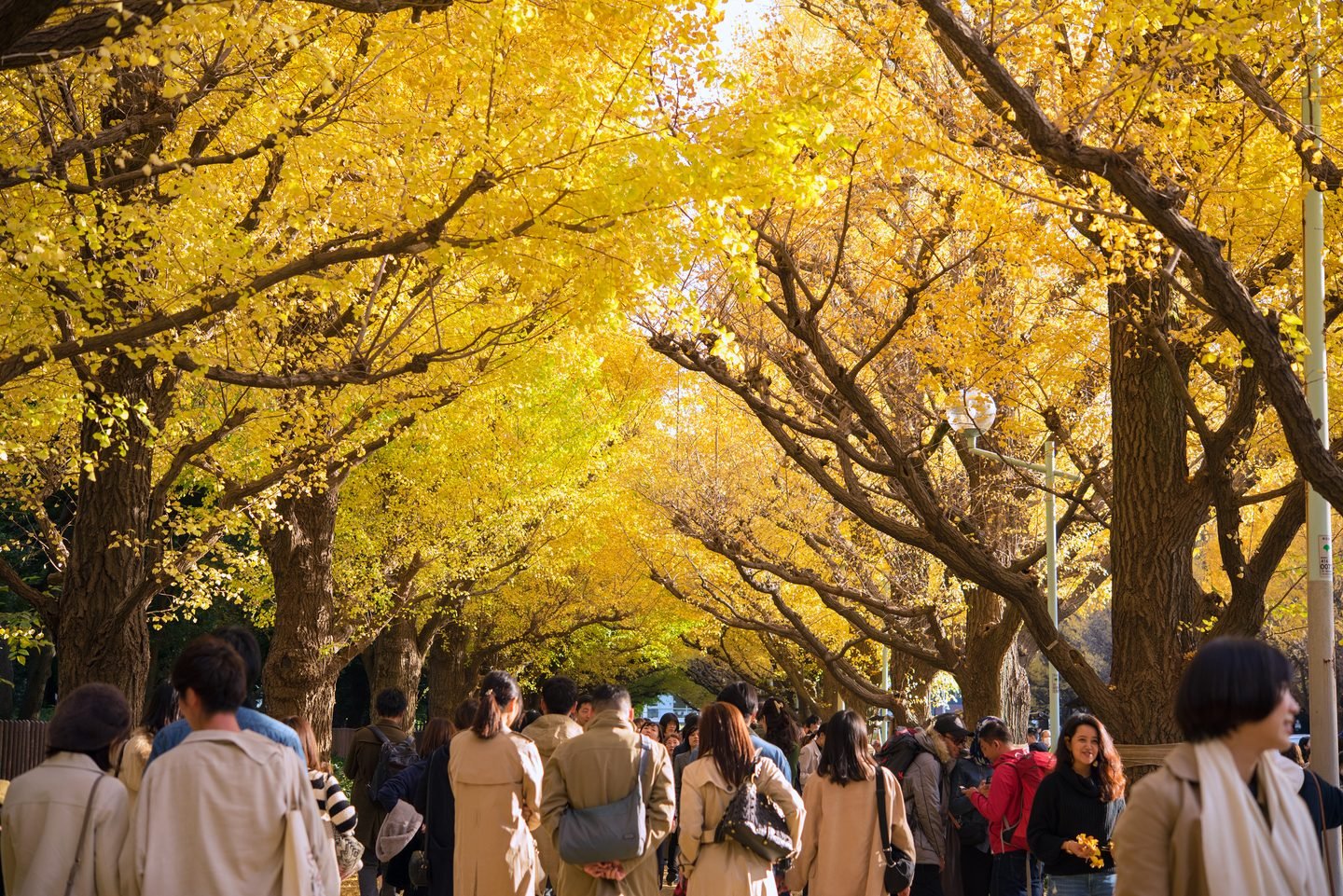
While demand is high during peak season, sometimes demand drops so low during offseason that the places you want to visit aren’t even open. Boat tour operators might board up for the winter, and charming ski town cafes could close for the summer.
Instead, consider a trip during the September shoulder season, when crowds are at only about 85% of the park’s peak but most amenities are available. Plus, you’ll benefit from mild weather.
This is especially true in places like Santorini, Greece. From September to October, the island retains its summer glow but sees a drop in tourists. Vineyards remain open for tastings, and local traditions like October’s wine barrel openings provide immersive experiences unavailable during the tourist crush. Hotels like Santo Collection offer eco-conscious luxury carved into ancient cliffs, with private plunge pools and views over Ammoudi Bay — no crowds necessary.
Similarly, Japan's tourism industry remains vibrant through fall. Tokyo blends cultural energy with tranquility once summer crowds dissipate. With U.S. visitors to Japan up nearly 29% year-over-year, fall travelers can enjoy full access to attractions, but with fewer lines and more serene city strolls.
4. Weather is generally pretty good
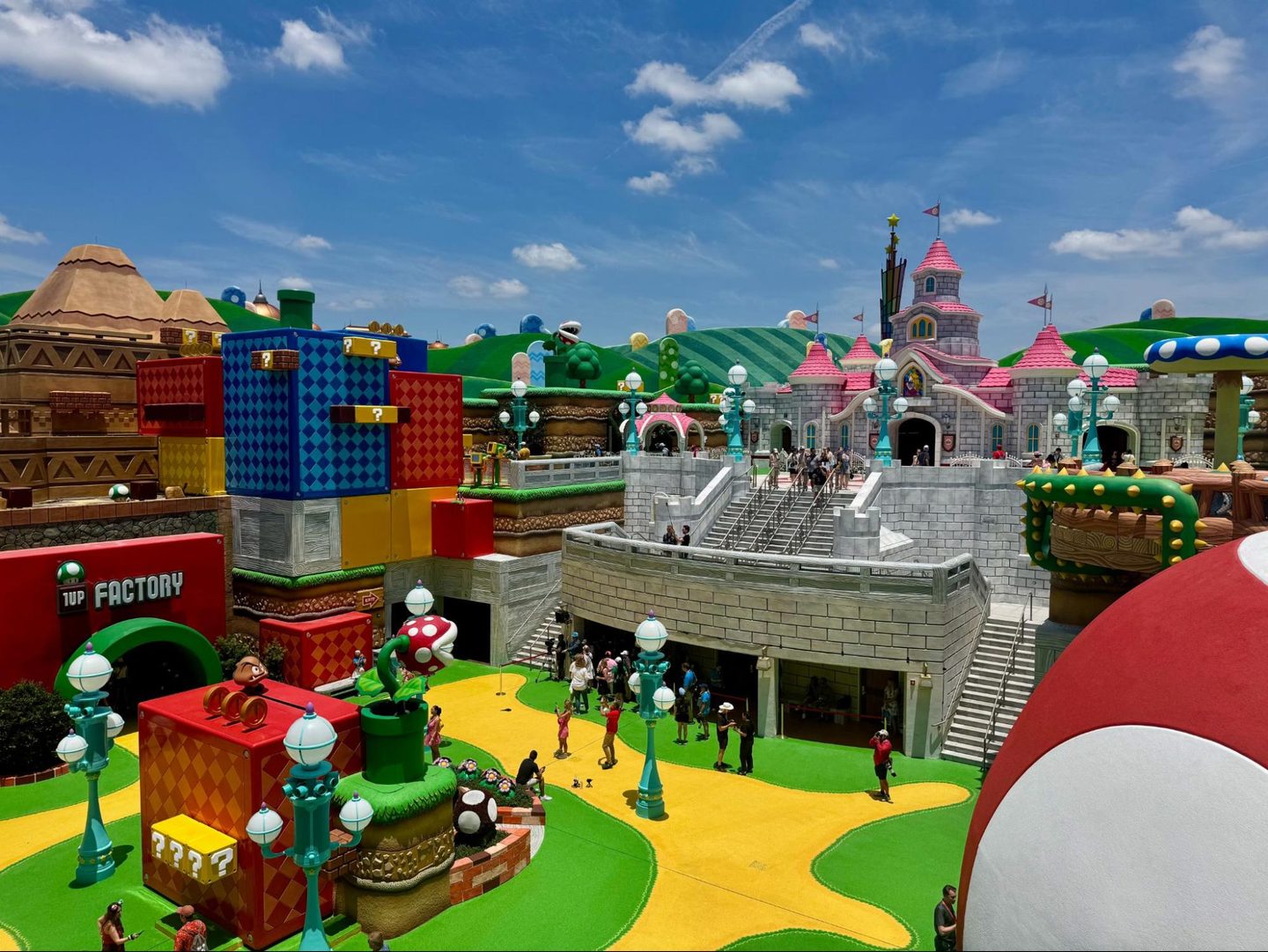
The shoulder season likely won't bring the sweltering heat or storms that come with a region's offseason. In some cases, the weather during shoulder season is actually better than peak season.
Florida's theme parks are also often humid and muggy in summer, on top of crowds of out-of-school kids. During shoulder season, you might forgo sunny summer days on the beach, but you'll typically get temperate weather instead.
Even mountainous or colder destinations benefit. Shoulder season in the Rockies means lighter gear, lower lift ticket prices, and access to late-season hikes or scenic drives framed by fall foliage.
5. You could more likely experience unique, local events

Tourist hot spots typically want year-round crowds, so they often host events, concerts and other festivities that don't occur at times when crowds would be large anyway.
Theme park food festivals are among the most common shoulder season delights. Southern California theme park Knott’s Berry Farm typically hosts its annual boysenberry festival from March to April. Disney hardly has an off-season, but May is basically the shoulder season (filling the gap between spring break and summer). And May is one of the best times to visit Disney, with special events like a Star Wars-themed festival and Pixar Fest to create buzz.
Elsewhere, cultural immersion awaits. In Santorini, the fall grape harvest gives way to intimate tastings and open-barrel events. Hawaii lights up with festivals like Waikiki Ho'olaule'a, a block party celebrating island life, and the Kauai Mokihana Festival, a weeklong tribute to hula and Hawaiian heritage.
And in Tokyo, shoulder season aligns with everything from autumn foliage in tranquil gardens to vibrant neighborhood festivals — all experienced with fewer tourists and more authenticity.