First-timers to Hawaii struggle to pick the perfect island. So how, in this Pacific archipelago of more than 130 islands and islets, do you find one with world-class beaches, pristine mountains, authentic Polynesian culture, fascinating history, incredible hiking, fantastic snorkeling, breathtaking waterfalls and foodie experiences galore — all without spending your entire vacation budget or driving hours between destinations?
Easy. Just head to Oahu, the island that offers more variety in less space than anywhere else in Hawaii. From the bustling energy of Waikiki to the laid-back surf culture of the North Shore, from ancient Hawaiian history to WWII memorials, Oahu delivers the quintessential Hawaiian experience with unmatched convenience and accessibility.
Here's why Oahu is the best island for first-time Hawaii visitors.
Why Oahu is perfect for first-timers
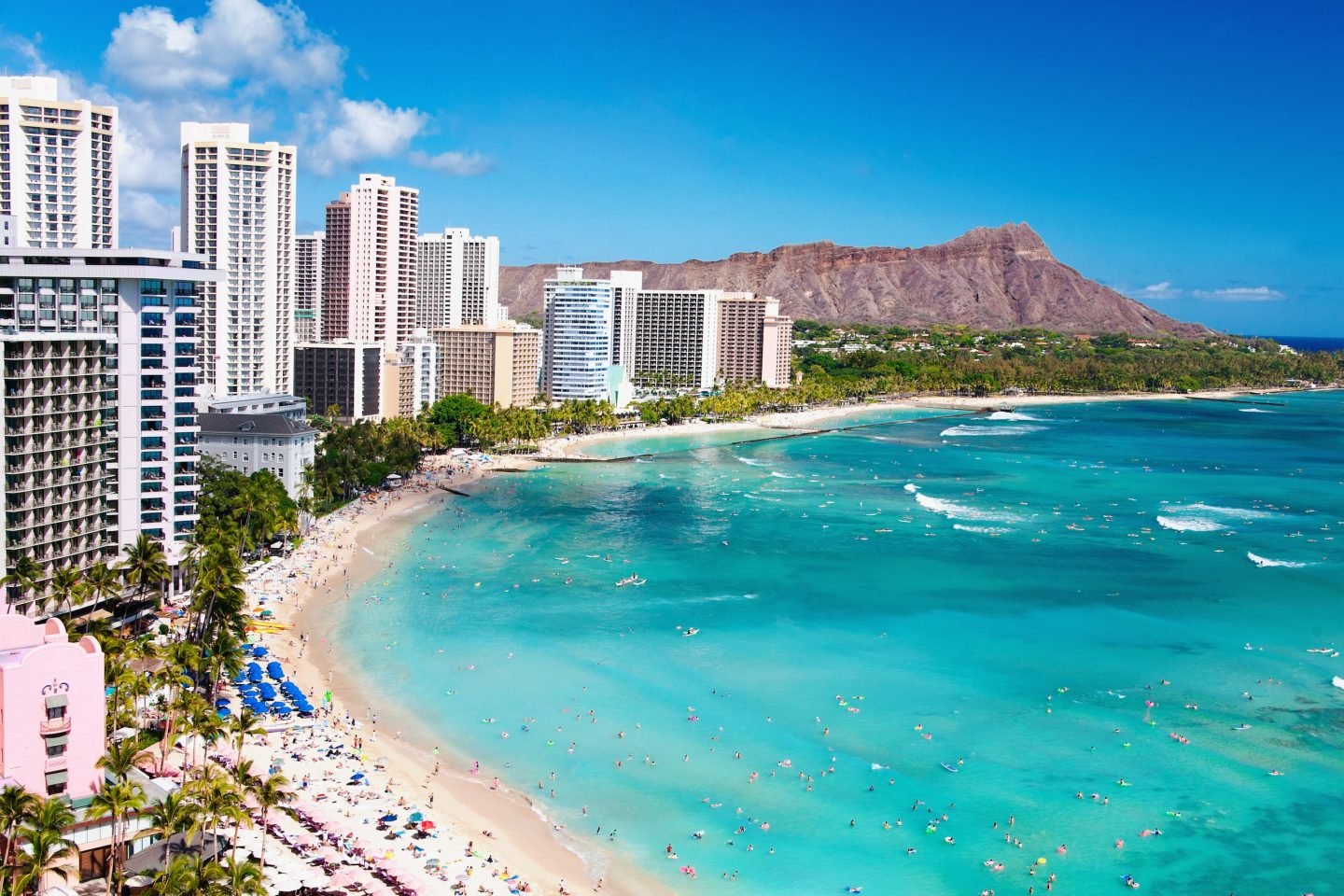
Oahu offers the most diverse Hawaiian experience without the need for constant driving. In fact, many Oahu travelers skip the rental car entirely. While other islands require hours in a rental car to see different landscapes and attractions, Oahu packs incredible variety into a manageable area.
You can start your morning with a sunrise hike up Diamond Head, spend midday shopping and beach-hopping in Waikiki and end your evening watching the North Shore sunset — all in one day.
Waikiki: Your perfect home base
Waikiki isn't just a beach — it's a complete vacation destination in itself. This two-mile stretch offers:
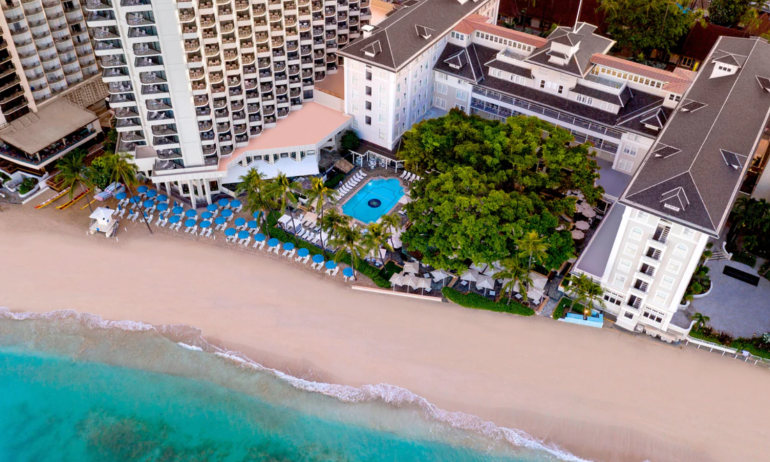
Historic hotels with character: Stay at iconic properties like the Moana Surfrider, known as the "First Lady of Waikiki," which opened in 1901 and still exudes old-world Hawaiian elegance. The beachfront veranda is perfect for afternoon tea while watching surfers ride the gentle waves. The Royal Hawaiian, "The Pink Palace of the Pacific," offers another dose of history wrapped in distinctive pink Mediterranean-Revival architecture.
Shopping for every budget: From luxury brands like Chanel, Hermès and Saint Laurent at the Royal Hawaiian Center and Wala Center to budget-friendly finds at ABC Stores and Ross Dress for Less, Waikiki caters to every shopper. Don't miss the free cookie samples at Honolulu Cookie Company — they're generous and delicious, making it a budget traveler's sweet stop.
Beach activities steps from your hotel: Unlike other islands where you drive to activities, Waikiki puts everything within walking distance. Surf lessons on gentle waves, outrigger canoe rides, stand-up paddleboarding and catamaran sails all depart right from Waikiki Beach.
Dining options everywhere: Hundreds of restaurants mean you're never more than a few steps from everything from fine dining at Duke's Waikiki to affordable plate lunches at local spots to quick spam musubi from convenience stores.
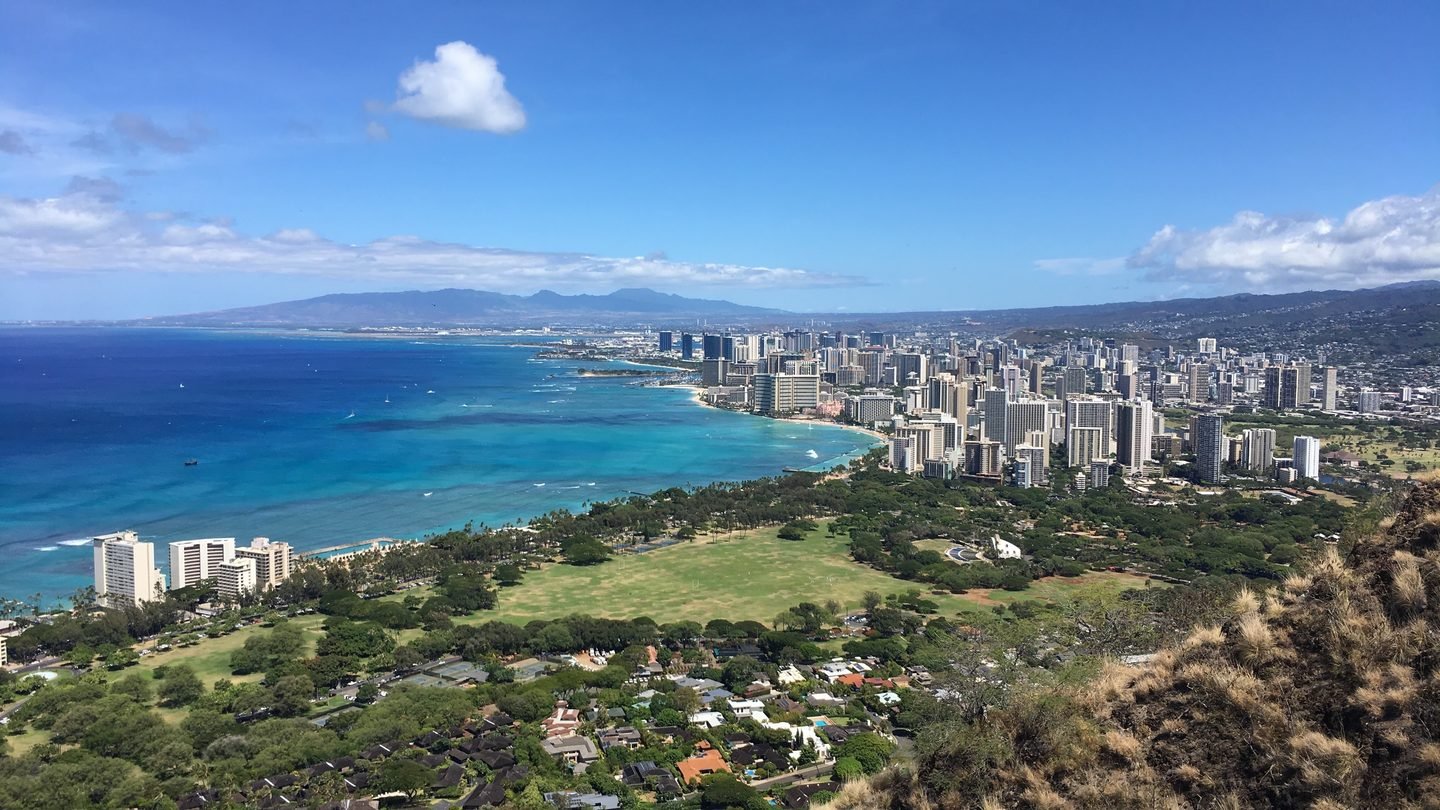
Diamond Head: The iconic hike everyone can do
Just a short drive or rideshare from Waikiki (or walk if you're ambitious!), Diamond Head offers the perfect introduction to Hawaiian hiking. This isn't an all-day commitment or a treacherous trail — it's a well-maintained 1.6-mile round-trip hike that takes most visitors 1.5 to 2 hours.
What makes Diamond Head perfect for first-timers:
Accessible but rewarding: Challenging enough to feel accomplished, but manageable enough for most fitness levels.
Incredible 360-degree views: See Waikiki, the Pacific Ocean and Oahu's coastline from the summit.
Well-maintained trail: Paved sections, handrails and tunnels make it safer than many Hawaiian hikes.
Historical significance: The crater was used as a military lookout.
Early morning magic: Arrive at sunrise to beat the crowds and heat.
Reservations are required and book up quickly, so plan ahead. The $5 per person fee (plus $10 parking) is a bargain for one of Hawaii's most iconic experiences.
North Shore: The complete opposite experience
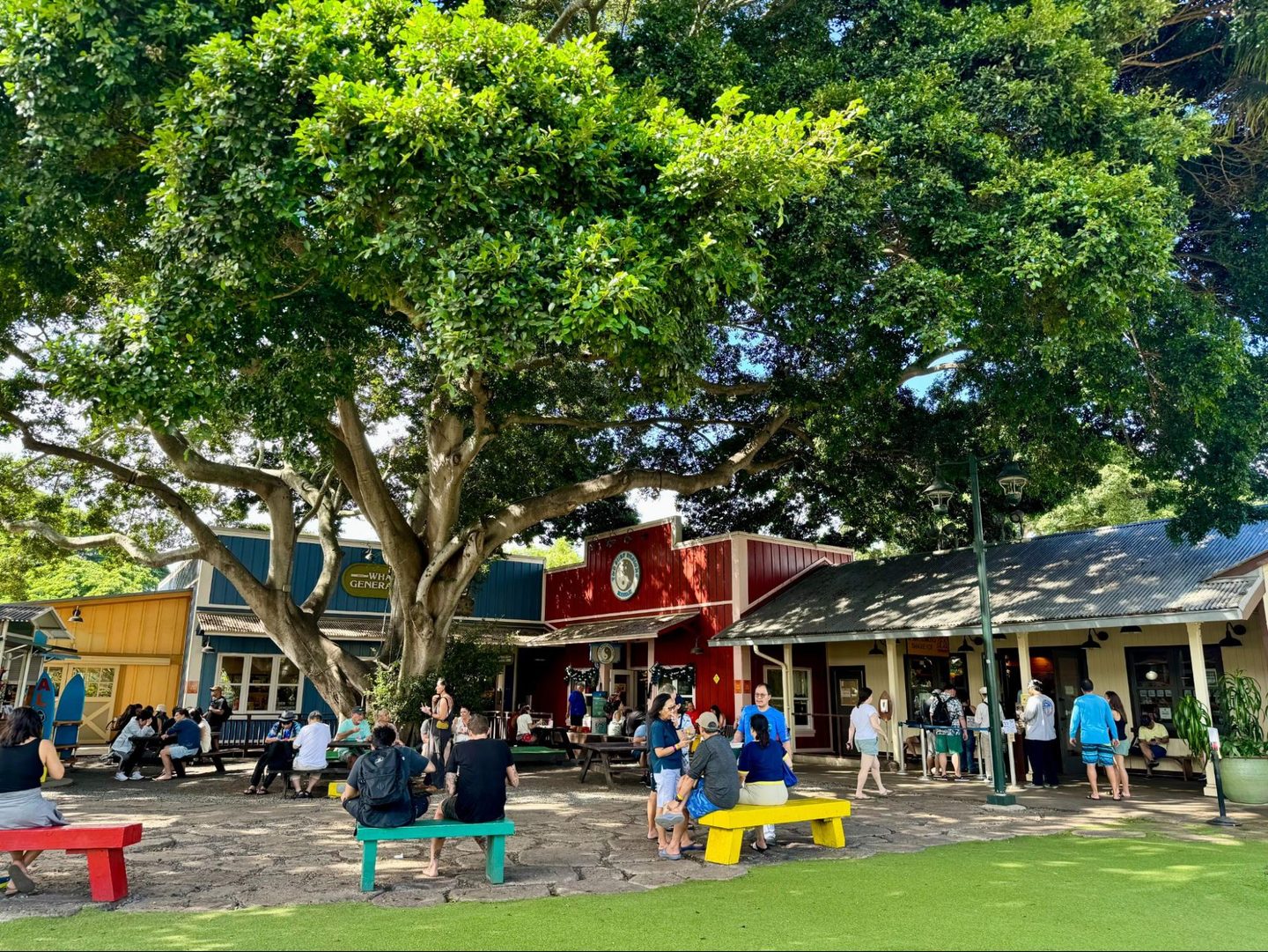
Just 45 minutes from Waikiki, the North Shore feels like a different world. This is where you trade city energy for small-town charm, crowded beaches for wide-open spaces, and shopping malls for surf shops and shrimp trucks.
World-famous surf beaches: Banzai Pipeline, Sunset Beach and Waimea Bay attract the world's best surfers in winter. In summer, these same beaches offer calm, swimmable waters perfect for families.
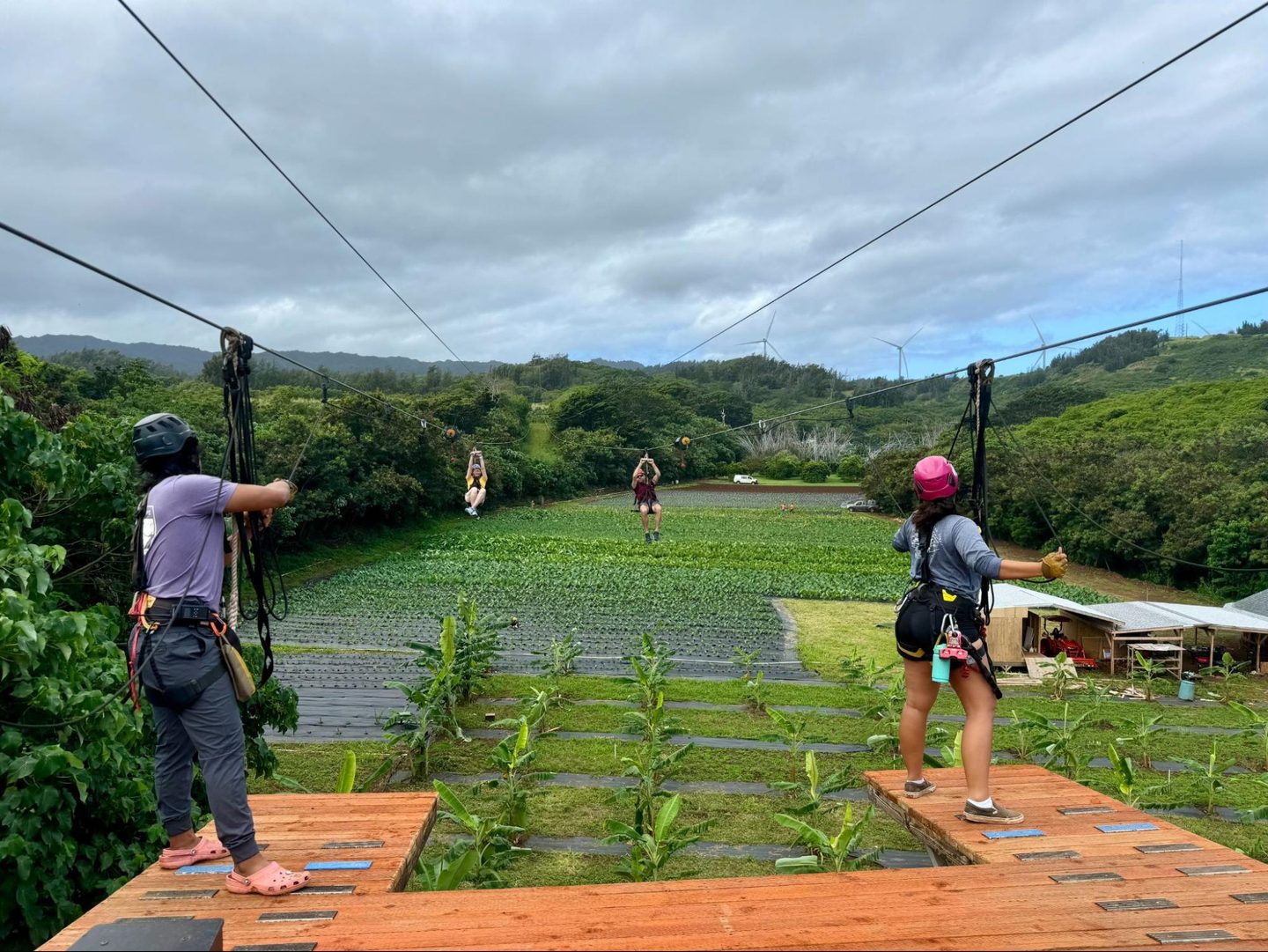
CLIMB Works adventure: Get your adrenaline fix with ziplines, aerial bridges and treetop courses that showcase Oahu's lush mountain scenery. It's the perfect activity for families and adventure-seekers.
Laid-back beach towns: Haleiwa, the North Shore's main town, offers art galleries, surf shops, shave ice stands (try Matsumoto's) and a pace of life that reminds you why you came to Hawaii.
Turtle Beach (Laniakea Beach): An easy roadside stop where Hawaiian green sea turtles come ashore to bask. You can watch these magnificent creatures from a respectful distance, often seeing multiple turtles at once.
Farm-to-table experiences: Kahuku's famous shrimp trucks, tropical fruit stands and the Kahuku Farms cafe offer fresh, affordable dining with local flavors.
Polynesian Cultural Center: Hawaiian culture, authentically presented
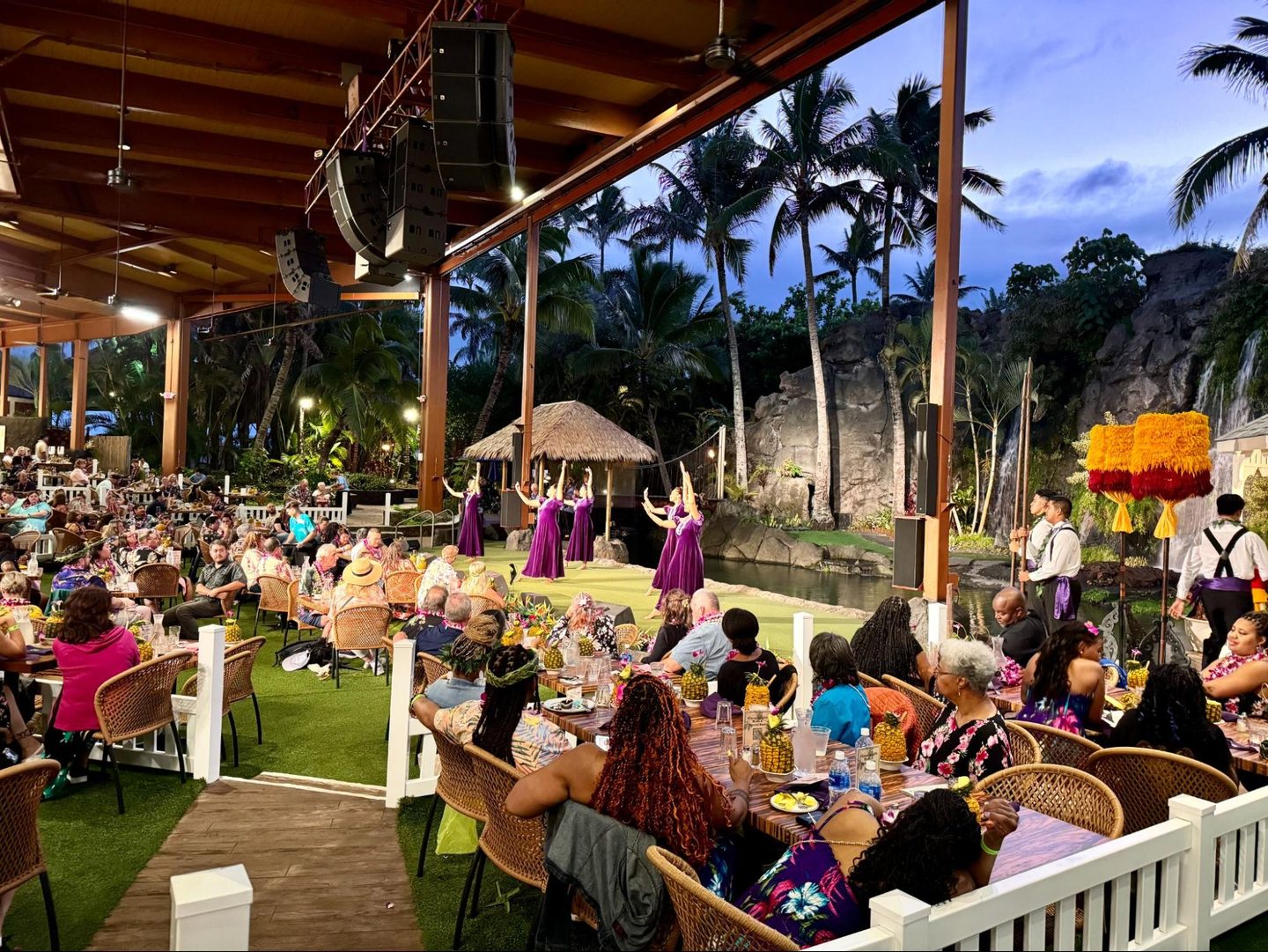
Located on the North Shore, the Polynesian Cultural Center offers an introduction to Hawaiian and broader Polynesian culture. Spread across 42 acres, the center features:
Six island villages: Experience Fiji, Aotearoa (New Zealand), Hawaii, Tahiti, Tonga and Samoa through interactive demonstrations.
Evening shows: The "HA: Breath of Life" show combines storytelling, dance and fire performances.
Cultural activities: Try your hand at traditional crafts, games and skills.
All-day experience: Unlike quick attraction stops, you can easily spend a full day here.
For first-timers wanting to understand Hawaiian culture beyond the beach resort experience, this is invaluable. Multi-attraction passes like the Go City Oahu pass often include admission, making it more affordable.
Key history on Oahu
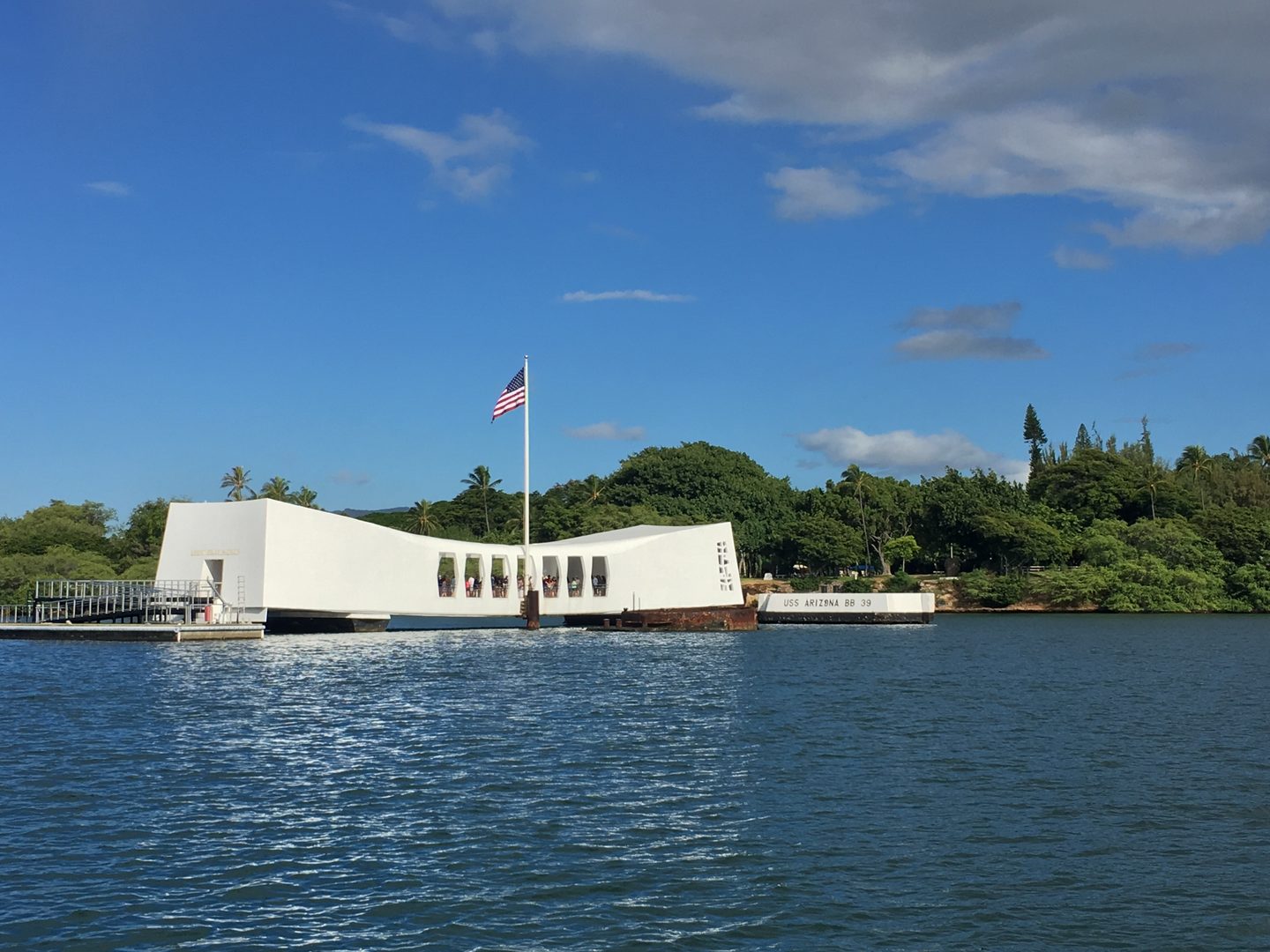
For many visitors, Pearl Harbor is a must-see. Oahu is the only Hawaiian island where you can pay respects at the site that brought America into World War II.
USS Arizona Memorial: The most visited attraction in Hawaii, this memorial sits above the sunken battleship where 1,177 sailors and Marines lost their lives. Free tickets are available but book well in advance.
Battleship Missouri: Walk the deck where Japan signed the surrender documents, ending World War II. The contrast between where the war began (Arizona) and ended (Missouri) on the same harbor is powerful.
Pearl Harbor Aviation Museum: Explore vintage aircraft and learn about the Pacific air war. Located in hangars still bearing bullet holes from the 1941 attack.
USS Bowfin Submarine Museum: Tour a WWII submarine and understand what life was like for submariners in the Pacific.
Also worth a visit is downtown Honolulu's Iolani Palace, which tells the story of Hawaii's monarchy. This is where King Kalākaua and Queen Lili'uokalani reigned before Hawaii's annexation by the United States.
Go City passes bundle these attractions, saving you money if you're visiting multiple sites.
World-class beaches (yes, better than the other islands)
Oahu is widely considered to have the best beaches in Hawaii, offering everything from the famous stretches of Waikiki to hidden gems accessible only by trail.
Waikiki Beach: Perfect for beginners, with gentle waves for learning to surf, warm shallow water and lifeguards everywhere. The iconic beachfront is lined with hotels, restaurants and beach equipment rentals.
Lanikai Beach: Consistently ranked among the world's most beautiful beaches, this Kailua-side gem features powdery white sand, turquoise water and views of the Mokulua Islands.
Hanauma Bay: A protected marine preserve offering Hawaii's best easily accessible snorkeling. See hundreds of tropical fish species, sea turtles and coral formations. Reservations required (book exactly 48 hours in advance at 7 a.m. — set an alarm as spots go fast).
Waimea Bay: Massive waves in winter, a calm swimming hole in summer, plus a popular rock jumping spot for thrill-seekers.
Sunset Beach: Watch professional surfers tackle enormous waves in winter, or enjoy swimming and bodyboarding in summer's calmer waters.
Hiking for every ability level
Beyond Diamond Head, Oahu offers diverse hiking experiences:
Manoa Falls Trail: An easy 1.6-mile round-trip through a lush rainforest to a 150-foot waterfall. Great for families and those wanting a jungle experience without extreme difficulty.
Makapuu Lighthouse Trail: A paved 2-mile trail along dramatic coastal cliffs. Wheelchair and stroller accessible with amazing ocean views and whale watching in winter.
Lanikai Pillbox Hike: Short but steep with incredible views over Lanikai Beach and the offshore islands. The old military bunkers ("pillboxes") make great photo spots.
Food scene: From fine dining to food trucks

Oahu's dining scene reflects its diverse population and tourist infrastructure:
Classic dining: Duke's Waikiki is iconic for its beachfront dining and live music. Over on the North Shore, Beach House by Roy Yamaguchi (located at The Ritz-Carlton O‘ahu, Turtle Bay) is absolutely divine, with family-style dishes created by local chef Roy Yamaguchi.
Local institutions: Rainbow Drive-In for plate lunches, Leonard's Bakery for malasadas, and Helena's Hawaiian Food for traditional Hawaiian fare.
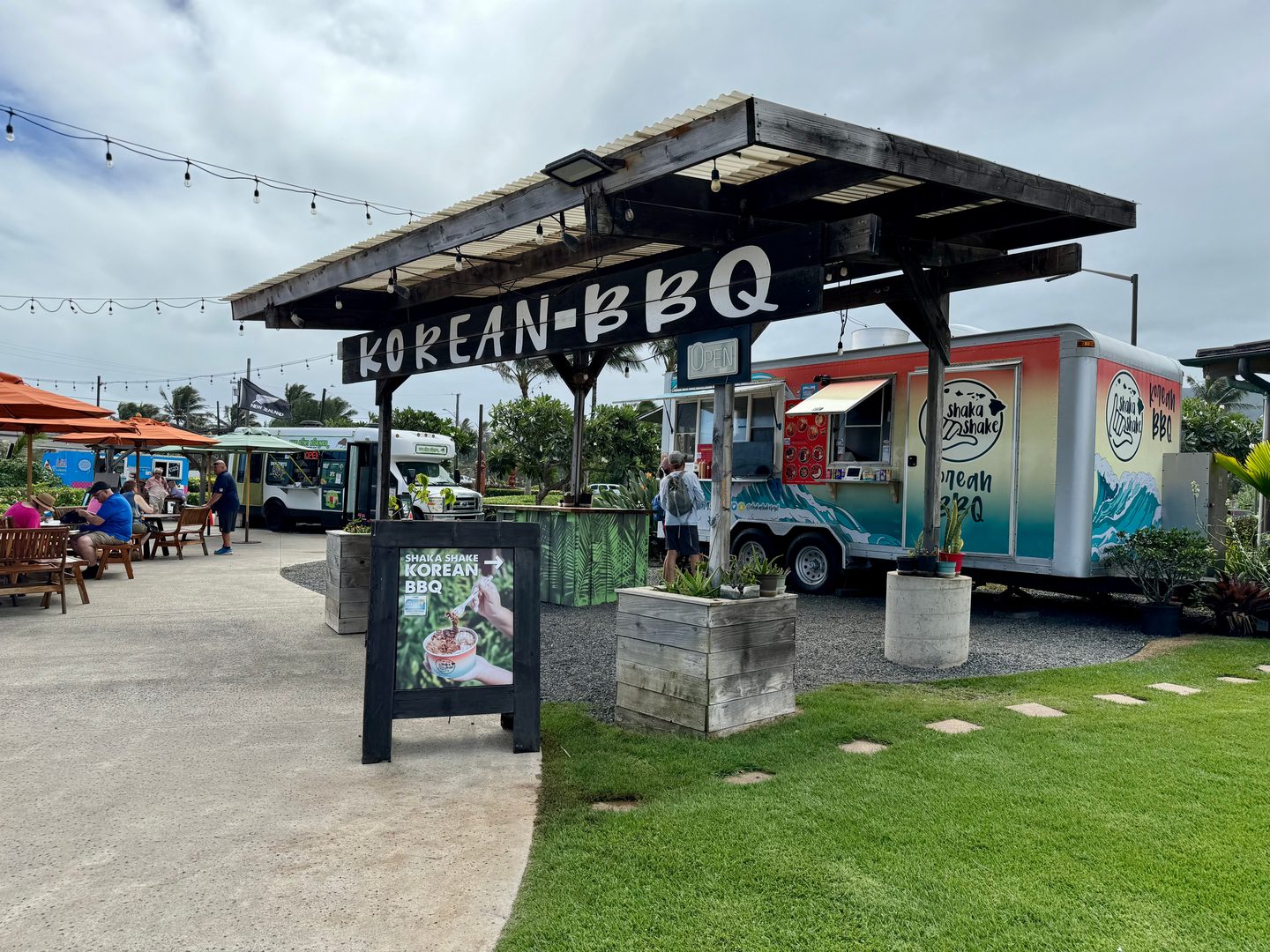
Food trucks: Giovanni's Shrimp Truck on the North Shore, Haleiwa Joe's for seafood, and countless taco, plate lunch and poke trucks around the island. For another North Shore food truck gem, head to the Hukilau Marketplace which has many options to pick from.
Budget-friendly options: ABC Stores for quick meals, spam musubi from 7-Eleven, and affordable ramen houses throughout Waikiki.
International variety: Japanese, Korean, Filipino, Thai, Vietnamese, Chinese — Oahu's ethnic diversity means authentic Asian cuisine at every price point.
Practical advantages of choosing Oahu
Most affordable Hawaiian island
Oahu is the cheapest Hawaiian island to visit. Hotel rates on Oahu average about 30% less than the statewide average. You'll find options from budget hotels under $100 per night to luxury resorts, with more mid-range choices than any other island.
Best flight connections

More airlines fly to Honolulu than any other Hawaiian airport, meaning more competition and lower fares. If you're connecting to other islands, Honolulu offers the most frequent interisland flights.
Infrastructure and services
More restaurants, more hotels, more tour operators, more rental car companies — the developed tourism infrastructure means more choices and competitive pricing. If something goes wrong, help is easier to find. And hey, Oahu even has its own Disney resort.
Activities for rainy days
With more museums, shopping, indoor attractions, and urban experiences than other islands, Oahu gives you options when weather doesn't cooperate. Other islands have fewer indoor alternatives.
Oahu drawbacks
Waikiki is very crowded and dense.
There's lots of traffic around the island, especially during rush hour. Hotel rooms on lower floors can get a lot of street noise.
Parking and resort fees combined can eat up $100 per day of your travel budget. You can save money by explicitly booking Oahu hotels without resort fees.
What about the other Hawaiian islands?
To be fair, here's what you'll miss by choosing Oahu first:
Active volcanoes: The Big Island's Hawaii Volcanoes National Park offers the chance (not guarantee) to see flowing lava. Oahu's volcanoes are all dormant.
Road to Hana: Maui's famous winding highway through tropical forests and past waterfalls is unique to that island.
Napali Coast: Kauai's dramatic sea cliffs are breathtaking and inaccessible by car, requiring boat, helicopter, or strenuous hiking.
Complete isolation: If your goal is to disconnect entirely from crowds and modern life, Kauai or the Big Island's remote areas offer more seclusion.
You can't go wrong with choosing the others. Here are some of the highlights of Hawaiia's other main islands.
» Learn more: Should I island hop in Hawaii?
Big Island for first -timers
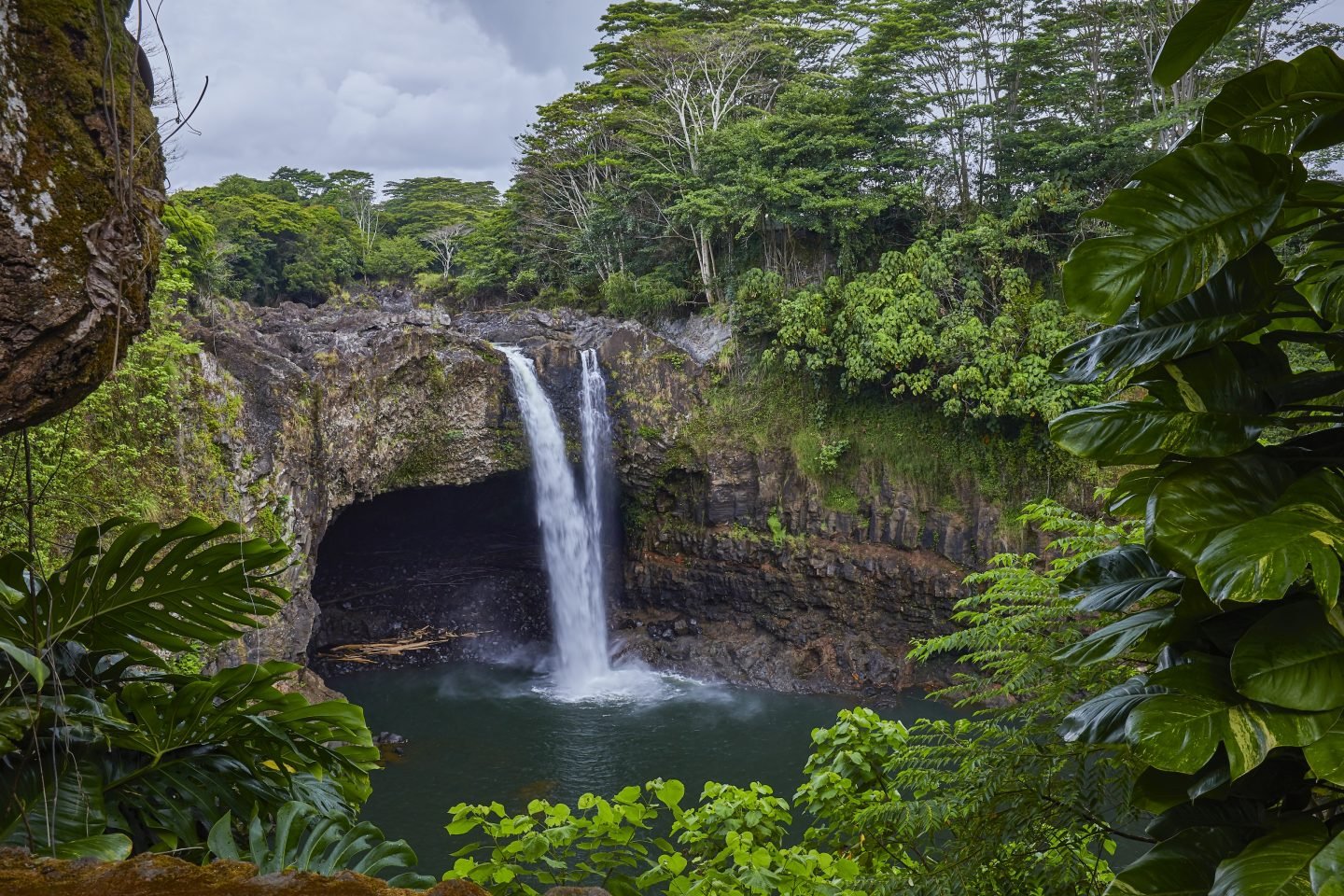
With over 4,000 square miles, Big Island (also known as Hawaii Island) has a lot to offer travelers who don't mind a lot of driving. Snow-capped mountains (yes, snow in Hawaii), stunning beaches, lava fields that make you feel like you're on the moon's surface — they're all here.
Big Island highlights
Hawaii Volcanoes National Park has more than 520 square miles of volcanic landscapes to explore, including lava tubes, steam vents, petroglyphs, rainforest trails and, if Pele, the Hawaiian goddess of volcanoes and fire, cooperates, flowing lava.
Has the only green- and black-sand beaches in Hawaii.
Offers night snorkeling with manta rays.
Mauna Kea's observatory is a must-visit for stargazers.
Light pollution is kept to a minimum on the Big Island, which helps the astronomers on Mauna Kea and makes for a surreal nighttime experience when driving around.
Big Island drawbacks
It requires a lot of driving to see it all.
Resorts on the beach can be pricey.
During dry seasons, the Kona Coast area can seem parched and arid.
Big Island tips
Fly into Kona International Airport to land on the sunny, beachy side of the island. Fly into rainy Hilo International Airport if you want to make a beeline for Hawaii Volcanoes National Park.
You will certainly want to rent a car here since the island's best offerings are spread out.
The Kona Inn Shopping Village is fun for dining and strolling, but it's not the best area to stay because it's touristy and lacks a good beach.
Maui for first -timers
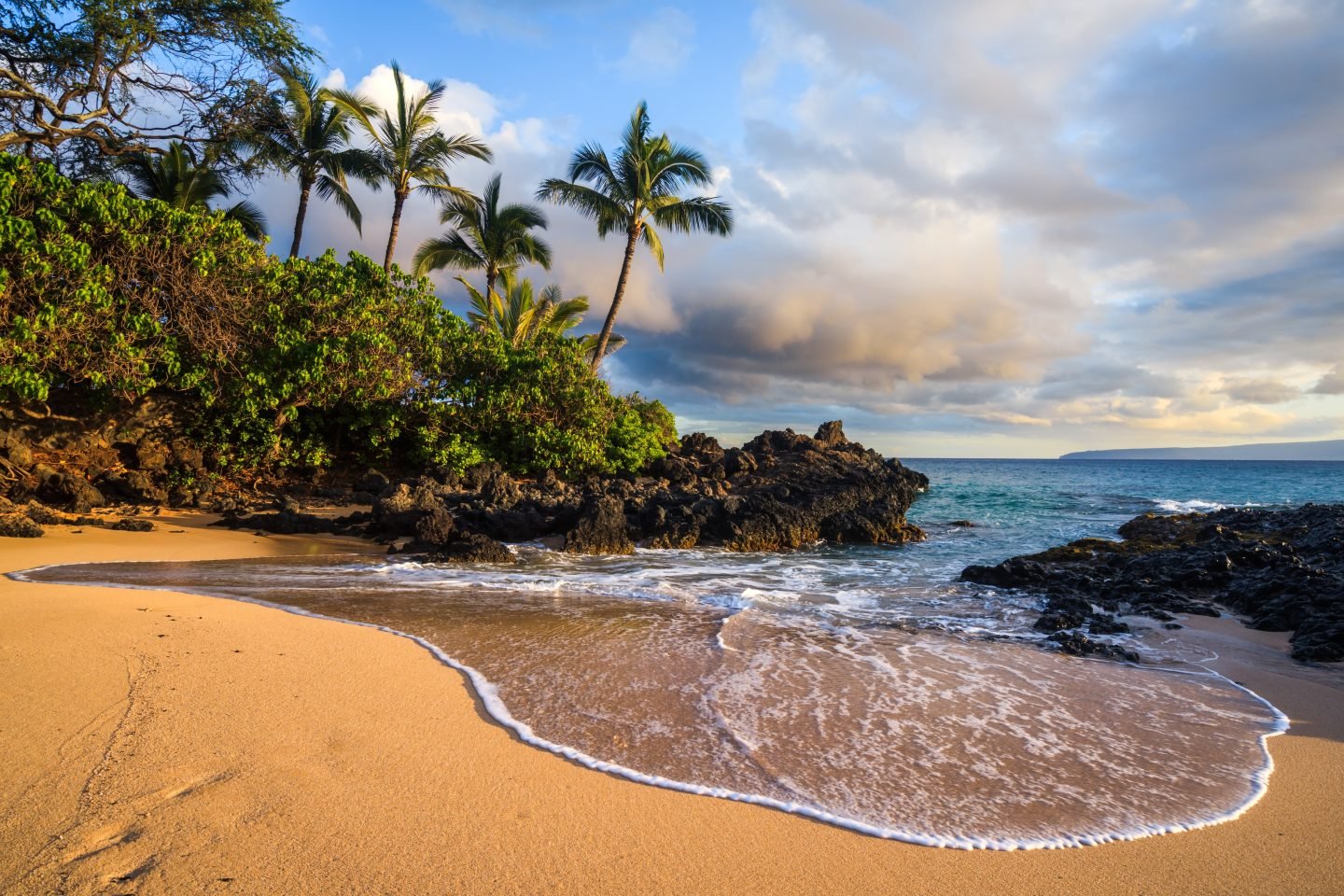
Maui is the second largest island in Hawaii and offers many beaches, hiking trails, historical sites and scenic views. It has a mix of resort towns where you can hang out at the beach, and undeveloped areas with rainforests and coastal dunes to explore. If you’re interested in biology and conservation, learn about the many plants and animals that are unique to Maui.
Maui highlights
Haleakala, a dormant volcano, offers a once-in-a-lifetime sunrise experience, plus great hikes and cycling.
The Road to Hana can be a slow drive through a tropical paradise.
Excellent whale-watching November through February — often without leaving dry land.
Black Rock in the Kaanapali area, between the Sheraton Maui and the Royal Lahaina Resort, has accessible snorkeling right off the beach.
Maui drawbacks
Resort areas can feel like one big, manicured golf course.
Activities are fewer and farther between.
Beach resorts can be pricey, especially in Wailea.
Maui tips
Maui's two main resort areas, Kaanapali and Wailea, offer some of the best accommodations for visitors who want a relaxing resort vacation on the beach with all the conveniences and amenities.
Road conditions on the Hana Highway can be tricky — or even treacherous. Consider taking a tour or renting a vehicle that can handle challenging terrain.
Rental car insurance may not cover you on some roads around Hana. Learn your rental car company's terms and credit card insurance coverage before you head out.
Mama's Fish House, a favorite destination for Maui-bound foodies, can book up three to six months in advance.
Old Lahaina has a wealth of museums and historical sites for history buffs, offering a glimpse into Maui's fascinating past.
Kauai for first -timers
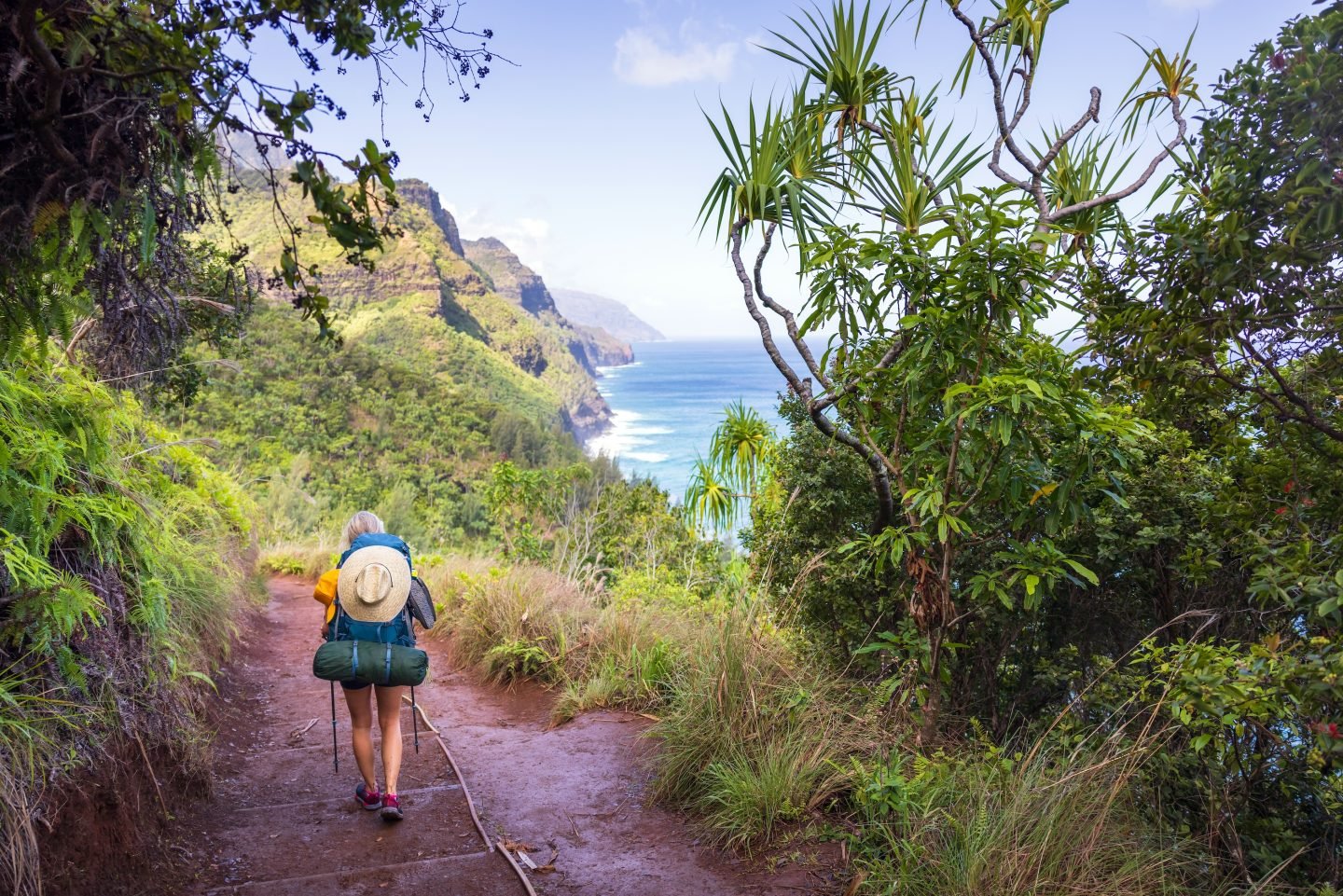
Home to just about 74,000 residents — a tiny number compared to Oahu's population of nearly 1 million — Kauai is the place for travelers looking to spend less time around humans and more around spinner dolphins, sunbathing monk seals, sea turtles, free-roaming chickens and abundant natural beauty.
Kauai highlights
Home to the breathtaking Napali Coast, which can be explored by catamaran, kayak, helicopter or hiking the 11-mile trail Kalalau Trail.
Queen's Bath, near Princeville on the island's northern side, is a stunning natural tide pool you can explore or swim in when the ocean waters are calm.
Explore Waimea Canyon, the "Grand Canyon of the Pacific," on a hike or with easy stops along a driving tour.
Kauai drawbacks
Sandy beaches, convenient for visitors, are fewer and smaller than on other islands.
Bugs and big spiders may make for unwelcome guests in hotel rooms and condos.
A limited number of restaurants in resort areas.
Kauai tips
In the winter, ocean waters turn treacherous on the island's north side. Stick with safer southern swimming spots like Poipu Beach in these colder months.
Read up on the safety of Kauai helicopter tours, as there have been several fatal crashes.
Apply early for a permit to hike the Kalalau Trail, as they sometimes sell out.
If it's your first trip to Hawaii
Other islands may specialize in certain experiences (active volcanoes, extreme seclusion, scenic drives), but Oahu delivers everything that makes Hawaii special: stunning natural beauty, rich culture, warm hospitality and that intangible aloha spirit that brings people back year after year.
Save the specialized experiences for your second Hawaii trip, after you've fallen in love with the islands on Oahu. Chances are, once you visit, you'll be planning your return trip before you even leave.
Considering island-hopping? For visits of a week or less, commit to just one island. Otherwise, you'll spend too much precious vacation time in long lines at airports, hotel check-in desks, and car rental agencies. Make it Oahu, and make it unforgettable.
How to maximize your rewards
You want a travel credit card that prioritizes what’s important to you. Here are some of the best travel credit cards of 2026:
Flexibility, point transfers and a large bonus: Chase Sapphire Preferred® Card
No annual fee: Wells Fargo Autograph® Card
Flat-rate travel rewards: Capital One Venture Rewards Credit Card
Bonus travel rewards and high-end perks: Chase Sapphire Reserve®
Luxury perks: American Express Platinum Card®
Business travelers: Ink Business Preferred® Credit Card