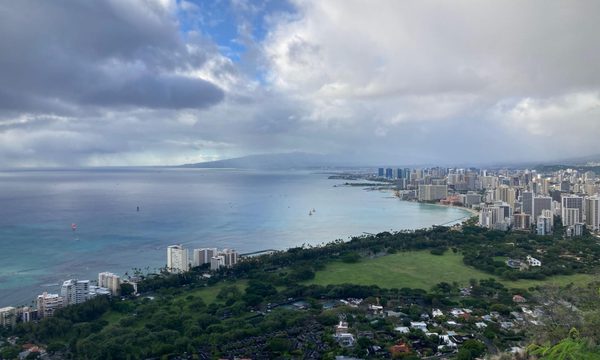
Hawaii is often on the short list of dream destinations for a relaxing beach holiday. But a potential trip to paradise doesn't happen without first asking the critical question: How much is a trip to Hawaii?
The answer varies depending on where you stay and when you travel. Hawaii welcomed 9.69 million visitors in 2024, who collectively spent $20.6 billion, demonstrating that despite rising costs, travelers continue to prioritize the islands. We've crunched the numbers to give you an idea of how much you can expect to spend so you're better prepared to budget for a vacation in Hawaii this year.
Hawaiian vacation costs vary by island
For starters, realize that costs can vary widely. It's totally possible to do Hawaii on a budget, particularly if you're primarily chowing down on spam musubi from the corner store rather than sitting down in front of a white tablecoth for fine dining.
But also realize that individual islands can vary widely in cost. In general, Oahu is the cheapest Hawaiian island to visit. Hotel rates on Oahu typically run about 30% below the statewide average, making it an attractive option for budget-conscious travelers.
Here's a breakdown of average daily hotel room rates across the four main Hawaiian islands for tourism (which are Oahu, Maui, Kauai and the Big Island):
But even within Oahu, prices can vary based on whether you're staying in Waikiki, Ko Olina or the North Shore, where Ko Olina tends to be much more expensive than Waikiki, on average. North Shore hotel prices also tend to be higher than Oahu's average, just because there are only a couple to choose from.
And what about other travel costs, like dining out and activities? Oahu wins there too, offering a wider range of budget-friendly restaurants, free activities and lower-cost attractions compared to other islands.
Understanding Hawaii's hidden costs
Before diving into trip estimates, it's important to understand the "hidden" costs that can significantly impact your Hawaii vacation budget:
Resort fees: Many hotels charge daily resort fees ranging from $25 to $50 or more.
Parking: Hotel parking can cost $45 to $70 per day at major resorts, adding hundreds of dollars to a week-long stay.
Taxes: Hawaii's hotel tax (Transient Accommodations Tax) is substantial, and vacation rentals typically face an 18% combined tax rate.
Activities: Individual attraction admission can add up quickly, though multi-attraction passes can offer savings of up to 50%.
Estimated Hawaii trip cost
Those are all important considerations, but you might hardly be an average traveler. A budget-conscious backpacker will have a very different travel style than someone on a honeymoon at a 5-star resort.
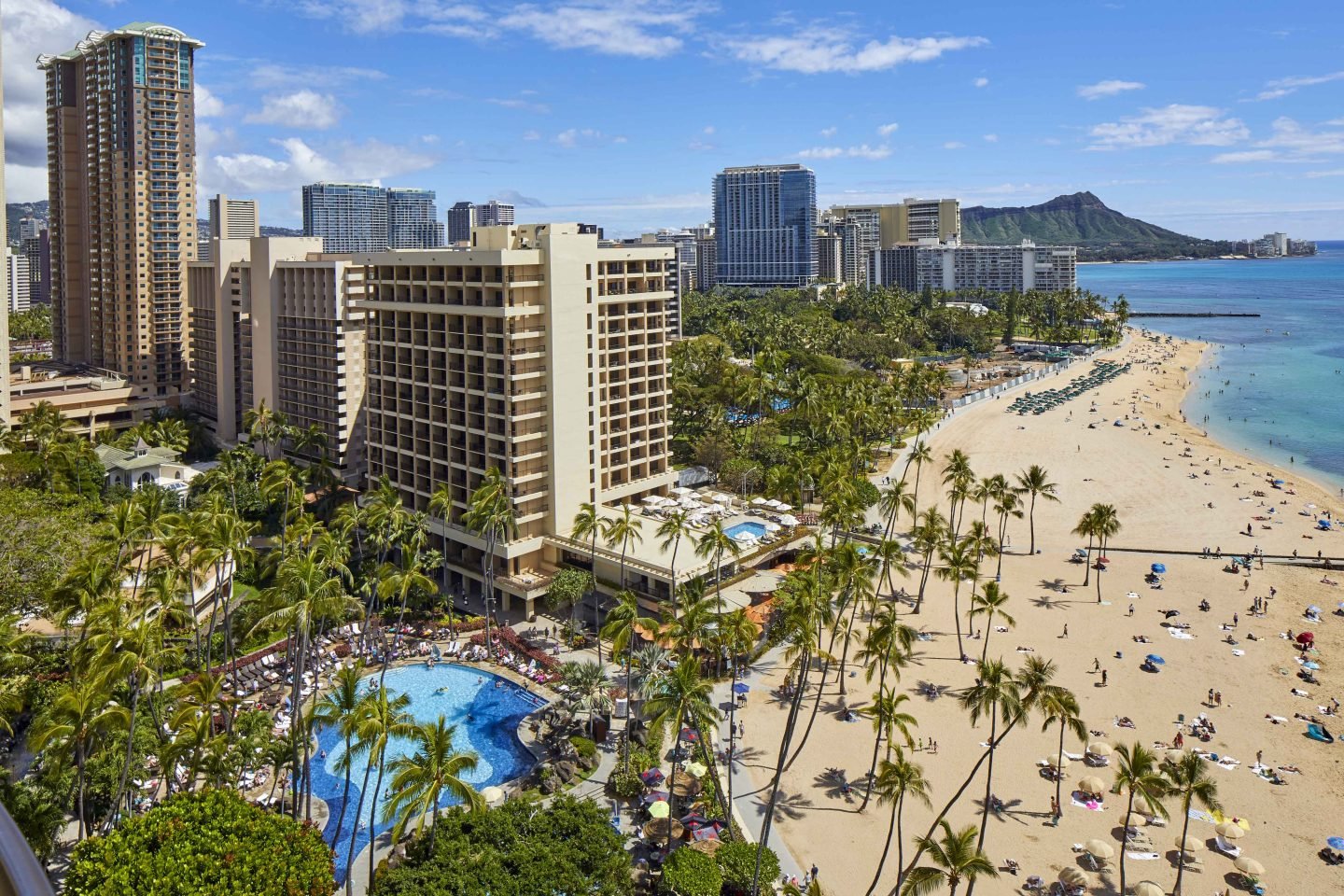
For these examples, we're looking at a family of four (two adults and two children) visiting Honolulu on the island of Oahu, the most popular and most affordable island for visitors to Hawaii. We've created estimates for both a longer summer trip and a shorter shoulder-season trip.
A 10-night trip for a family of four during the peak summer travel season.
A seven-night trip for that same family during the shoulder season.
Some logistics about these hypotheticals:
Travel to Honolulu on the island of Oahu, the most popular island for visitors to Hawaii.
Round-trip flights for four from Los Angeles.
A peak-season trip assumes a June 25, 2024, departure, while a shoulder-season trip assumes a May 8, 2024, departure.
We used three property types to assess price estimates:
A beachfront four-star resort: Hilton Hawaiian Village.
A three-star hotel: Holiday Inn Express Waikiki.
A condo: Various Waikiki units on Vrbo.com.
Totals include resort fees:
$50 per night at the four-star resort.
$29.49 per night at the three-star hotel.
All management and cleaning fees at the condo units.
Totals include parking costs of:
$68.06 per day at the four-star resort.
$45 per day at the three-star hotel.
Parking isn't included in condo totals (varies by building/unit).
Meals include nightly dinners of about $225, including drinks, taxes and tips.
At a four-star resort, meal estimates include breakfasts and lunches totaling about $100 per day.
Costs at a three-star hotel, which includes free breakfast, include only lunches totaling about $50 per day.
Tightly budgeted meals assume cutting food costs by 60% with cheap eats and/or preparing meals.
Activities for the 10-night trip include a snorkeling excursion, surfing lessons, a Pearl Harbor visit and a day at a water park. For the seven-night trip: snorkeling, the Pearl Harbor visit and a day at a water park (no surfing lessons).
Economy rental car reserved through DiscountHawaiiCarRental.com or Turo.
$5-a-day tip for housekeepers.
Based on the information outlined above, here are our estimated budgets:
10-night trip, peak summer travel season
$15,090: Four-star beachfront resort, with a 10-day rental car.
$10,447: Three-star hotel, with a 10-minute walk to the beach and a five-day rental car.
$7,781 Low-cost condo within walking distance to the beach, tightly budgeted meals and a five-day rental car.
Seven-night trip, shoulder season
$9,574: Four-star beachfront resort, with a seven-day rental car.
$6,488: Three-star hotel, with a 10-minute walk to the beach and a rental car for two days.
$4,936: Low-cost condo within walking distance to the beach, tightly budgeted meals and a two-day rental car.
Can you beat these numbers? Definitely. Here are tips on how to save on your vacation to Hawaii.
» Learn more: The best island in Hawaii for first timers
How to cut your Hawaii vacation costs
Stay on the beach or rent a car every day, but don’t do both
Does your idea of a great vacation involve hitting the open road to explore every corner of the island? Then, don’t pay premium prices for a hotel on the beach.
On the other hand, if your dream trip involves tons of time lounging on the sand and splashing in the pool, don’t pay $55 a day for a rental car plus $68 a day to park it when it’s just going to sit there.

By signing up, you will receive newsletters and promotional content and agree to our Terms of Use and acknowledge the data practices in our Privacy Policy. You may unsubscribe at any time.
The downside to this strategy is you may have to wait in a long line to get your car. So send one adult to pick up the vehicle in the morning while the rest of the crew gets ready for the day. And don’t forget to include airport transfers in your budget. Budget about $37 each way, including tip, for a taxi or rideshare between Waikiki and Honolulu airport.
» Learn more: The best times to visit Hawaii by travel style
Save on activities with multi-attraction passes
One of the best ways to control activity costs is through multi-attraction passes. On Oahu, Go City passes can save up to 50% compared to paying individual admission prices.
For example, a family visiting popular attractions like the Polynesian Cultural Center, Pearl Harbor sites, Diamond Head, and water activities could save several hundred dollars by purchasing an All-Inclusive or Explorer Pass instead of paying separate admission fees.
Consider your itinerary carefully: if you're planning to visit 3-5 major attractions, a multi-attraction pass almost always pays for itself.
Eat cheaper
If your family of four has a nice dinner at the world-famous Duke’s Waikiki, including cocktails for the adults, an appetizer and a Hula Pie dessert to share, you’ll spend about $225, including taxes and tip. Of course, the beachfront views, tiki torches and aloha spirit might be worth it. But you don’t have to spend that much every night.
Step away from the beach and meals get much cheaper. For example, the outstanding burgers at Cheeseburger in Paradise are about $20, as opposed to the $36 baked fish at Duke’s.
In addition, pizza joints, super-affordable ramen houses, authentic Hawaiian diners such as Rainbow Drive-In, chains such as Denny’s and IHOP and fast-food restaurants including McDonald’s, Burger King and Subway can bring your meal costs down.
Or swing into one of the many ABC Stores to pick up packaged salads, sandwiches, yogurt, snacks, drinks or some spam musubi (a slice of grilled Spam sandwiched between or on top of a block of rice, wrapped in nori) to fill up on the cheap.
More affordable yet, you can buy cereal, coffee, milk, sandwich meats and bread to prepare breakfasts and lunches at your hotel or condo.
» Learn more: Is island hopping in Hawaii worth it?
Consider a condo or vacation rental
You can often find a vacation rental just a few minutes from the beach for less than you'd pay for a hotel.
Many condos have kitchens, too, so you could save hundreds of dollars by making eggs or pancakes for breakfast, spaghetti for dinner and packing sandwiches for lunches while you're out and about.
» Learn more: Travelers: Save on meals with these tidbits
Travel during shoulder seasons
Timing is one of the most powerful tools for cutting Hawaii costs. The shoulder seasons of April, May, September and October typically offer:
Lower hotel rates: Often 30-50% less than peak season.
Cheaper flights: Airfare can drop significantly outside summer and winter holidays.
Fewer crowds: Shorter lines at attractions and restaurants.
Better availability: More choices for accommodations and activities.
Avoid traveling during December through March (winter peak season) and June through August (summer peak season) if possible. Holiday periods like Christmas, New Year's, and spring break command the highest prices across the board.
Pay with points and miles
The question “How much is a vacation to Hawaii?” has a much more appealing answer if you pay using airline miles, hotel points or credit card points — which can erase hundreds or even thousands of dollars from your trip cost.
For more information on how to maximize your points, be sure to check out these articles:
» Learn more: The best travel credit cards right now
How to maximize your rewards
You want a travel credit card that prioritizes what’s important to you. Here are some of the best travel credit cards of 2026:
Flexibility, point transfers and a large bonus: Chase Sapphire Preferred® Card
No annual fee: Wells Fargo Autograph® Card
Flat-rate travel rewards: Capital One Venture Rewards Credit Card
Bonus travel rewards and high-end perks: Chase Sapphire Reserve®
Luxury perks: American Express Platinum Card®
Business travelers: Ink Business Preferred® Credit Card