





Air travel costs come in two parts: the base ticket price, and the many fees that airlines add on during the booking or check-in process. These days, some airline fees can cost more than the fare itself.
This isn’t a mistake. Online travel agencies and search engines incentivize airlines to keep their base ticket prices low, so they appear higher in search results. Airlines recoup costs through fees for extra perks, like baggage, priority boarding and window seats. That $100 airfare that looks like a deal on one airline could actually be more expensive than a $150 ticket on another airline after factoring in fees.
That's especially true after all the major U.S. airlines collectively raised their checked bag fees in 2026. The typical first checked bag fee is now $45 — $10 higher than what it was before.
We analyzed two common fee categories — baggage and seat selection — across the six largest U.S. airlines, to better understand the true cost of flying on each airline.
Here are the airlines that have the best and worst fees in 2026.
» Learn more: Travel loyalty program reviews
Which airlines have the lowest fees?
NerdWallet calculated the total average additional cost per traveler when they opted to select a seat and check two bags for one-way flights booked 90 days in advance. We collected these costs for routes selected based on flight distance, including flights less than 500 miles, between 500 and 1,500 miles, and over 2,000 miles. Some airlines offer a discount when you prepay for your bags, so those savings are also included.
Here are the average combined seat selection and baggage fees among U.S. airlines, sorted by lowest to highest average fees:
Winner for lowest overall fees: Delta Air Lines
Delta set itself apart by offering the lowest average seat selection price across our study, while providing the same price for checked bags as all other airlines besides JetBlue Airways.
Southwest Airlines used to dominate this category, but its new policy of charging for bags and seat selection puts it toward the bottom of the pack.

By signing up, you will receive newsletters and promotional content and agree to our Terms of Use and acknowledge the data practices in our Privacy Policy. You may unsubscribe at any time.
Lowest baggage fees
NerdWallet looked at baggage fees for both the first and second checked bags. Baggage fees are uniform across the board, with the exception of JetBlue’s.
The first checked bag on JetBlue for economy flyers starts at $45, but it also increases based on your travel dates since the airline introduced surge pricing for baggage in 2024. On high-demand days, the first bag is $4 more and the second is $10 more. Even worse, travelers who wait to check bags within 24 hours of departure will pay another $10 per bag. Baggage fees on JetBlue can go as high as $59 for the first bag and $79 for the second bag.
United Airlines also charges $5 more per bag if passengers don’t prepay 24 hours prior to departure.
Meanwhile, American Airlines flyers have up to 2 hours before departure to get the cheaper rate. Basic economy flyers traveling within the U.S. on American will also pay an additional $5 per bag if the ticket was purchased on or after May 18, 2026.
There are ways to avoid paying checked bag fees altogether on most airlines. Many airlines offer co-branded credit cards with complimentary checked bags, which can make the annual fee worth it for travelers who check bags (or have companions with bags).
Cards with free baggage benefits
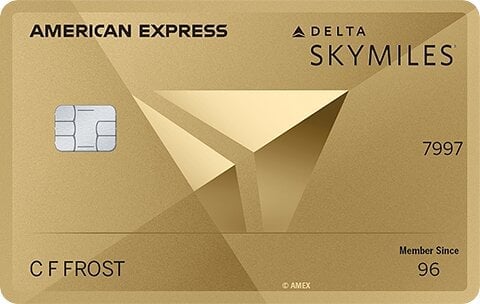
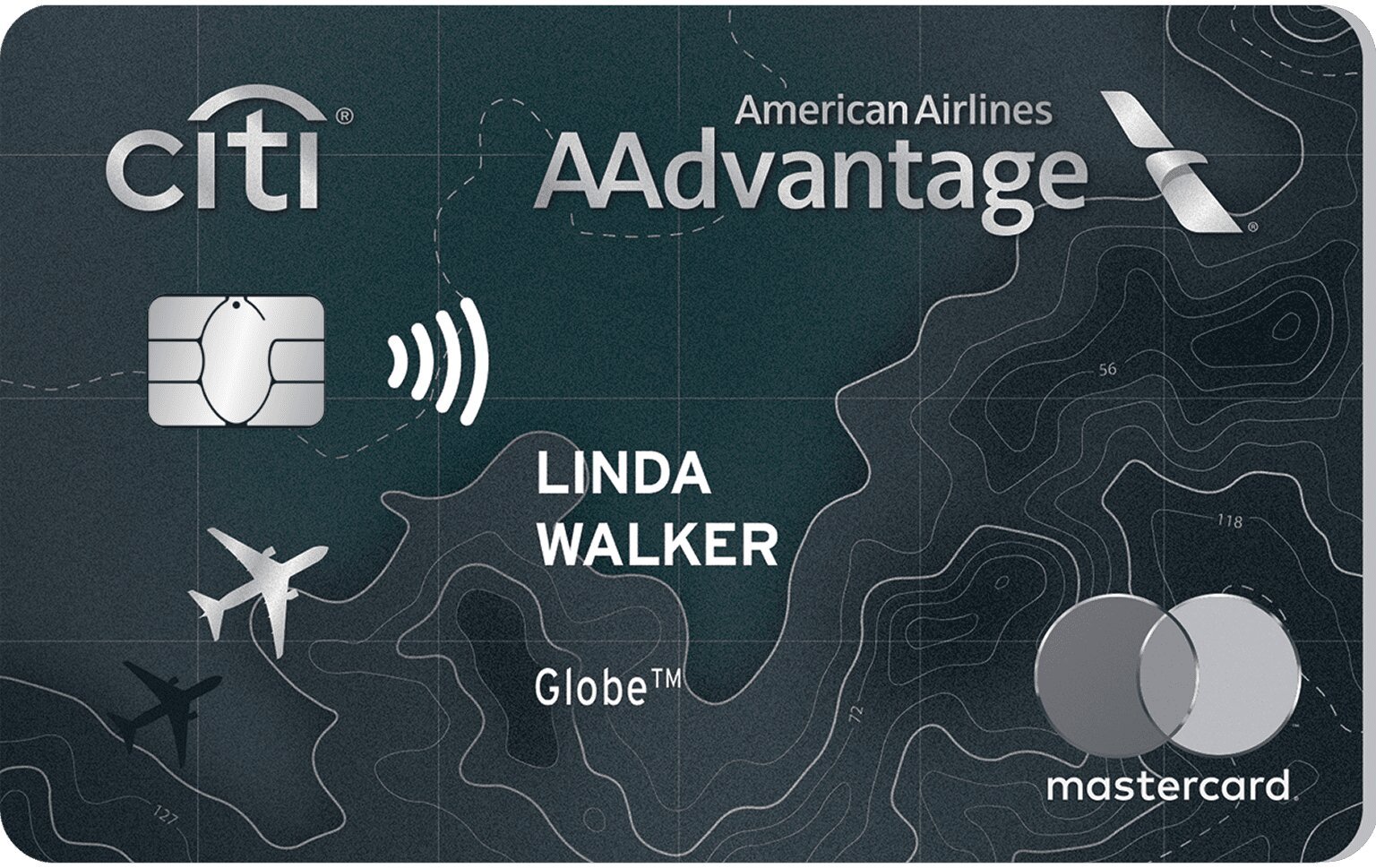
Annual fee
- $0 intro for the first year, then $150
- $350
- $99
- $95
Checked bag benefit
Still not sure?
Seat selection fees
Delta had the lowest main cabin seat selection fees in 2026, with an average price of $24.99. American and Alaska were a close second and third, while JetBlue was by far the most expensive.
Seat selection fees are usually based on flight distance and demand, with the highest seat selection fees on transcontinental flights. This is why we averaged those fees on routes of varying distance.
Note: We did not include international baggage fees in this analysis. Those fees vary by destination, airline and whether partner airlines are involved.
Similar to baggage fees, the right credit card can help offset the cost of seat selection. This is generally easiest with a card that offers a general travel credit or airline incidental credit that cover fees for seat selection and checked bags, but also in-flight food/drinks, lounge day passes, pet fees, change fees, and phone reservation fees.
Cards that offer airline credits

Still not sure?
Methodology to determine airline fees
How we picked the airlines to evaluate
Eligible airlines were required to be based in the U.S. and have a publicly available rewards search calendar with availability between 15 days and 180 days from the time of search. The airline must also be a full-service carrier ranked in the top six for airline domestic market share between May 2024 and April 2025. Full-service carriers offer multiple cabin types, and generally don’t charge extra for items like carry-ons.
Six airlines fit these criteria: Alaska Airlines, American Airlines, Delta Air Lines, JetBlue Airways, Southwest Airlines and United Airlines.
How we analyzed fees
We compared the average cost of fees across main cabin economy fares in two categories: (1) checked bag fees and (2) seat assignment fees.
How we verified our data
We independently spot-checked data collected to ensure accuracy. Information about fees was verified on the airlines’ websites.
How to maximize your rewards
You want a travel credit card that prioritizes what’s important to you. Here are some of the best travel credit cards of 2026:
Flexibility, point transfers and a large bonus: Chase Sapphire Preferred® Card
No annual fee: Wells Fargo Autograph® Card
Flat-rate travel rewards: Capital One Venture Rewards Credit Card
Bonus travel rewards and high-end perks: Chase Sapphire Reserve®
Luxury perks: American Express Platinum Card®
Business travelers: Ink Business Preferred® Credit Card