No one plans for their dream trip to fall apart, but a flight cancellation, illness, or natural disaster can derail your plans in an instant. That’s where travel insurance comes in, offering financial protection when the unexpected happens.
Whether it’s worth buying, though, depends on your trip, your budget, and what coverage you may already have. Here’s how to decide when travel insurance makes sense and when you might be fine skipping it.
What does travel insurance cover?
Travel insurance, sometimes called trip insurance, helps protect you from unexpected travel costs, like flight cancellations, lost luggage, or medical emergencies abroad. The amount of coverage you get depends on the policy.
Here's a quick summary of what's usually included in a travel insurance policy:
Accidental death insurance: Pays a benefit to your beneficiary if you die or are seriously injured in an accident during your trip.
Baggage delay and lost luggage insurance: Reimburses you for essential items or the value of your belongings if your bags are delayed, lost, or stolen.
Cancel For Any Reason insurance: Lets you cancel your trip for almost any reason and get back a percentage of your prepaid, nonrefundable costs.
Emergency evacuation insurance: Covers transportation to the nearest adequate medical facility if you’re injured or ill while traveling.
Medical insurance: Pays for doctor visits, hospital stays, or other medical expenses if you get sick or injured while on your trip.
Rental car insurance: Covers repair or replacement costs if your rental car is damaged or stolen.
Trip cancellation insurance: Reimburses you for prepaid, nonrefundable trip costs if you cancel due to a covered reason, such as illness or severe weather.
Trip delay insurance: Reimburses meals, lodging, and other expenses if your trip is delayed for a covered reason.
Trip interruption insurance: Covers the unused portion of your trip and the cost to return home early if you have to cut your trip short for a covered reason.
» Learn more: What to know before buying travel insurance
Travel insurance can cover one trip, several trips, or an entire year, and you can buy individual or family coverage. Major providers like Allianz and Travel Guard offer several plan tiers with varying coverage levels and benefits.
Most insurers offer several tiers with different coverage limits and price points, so you can match your protection to your budget and travel plans. As an example of what to expect, here's a look at some of the single-trip and annual plan benefits and coverages available from Allianz:
OneTrip Basic | OneTrip Prime | AllTrips Basic | AllTrips Premier | |
|---|---|---|---|---|
Trip cancellation | Up to $10,000. | Up to $100,000. | N/A. | $2,000 to $15,000. |
Trip interruption | Up to $10,000. | Up to $150,000. | N/A. | $2,000 to $15,000. |
Emergency medical | $10,000. | $50,000. | $20,000. | $50,000. |
Emergency medical transport | $50,000. | $500,000. | $100,000. | $500,000. |
Baggage loss/damage | $500. | $1,000. | $1,000. | $2,000. |
Baggage delay | $200. | $300. | $200. | $2,000. |
Travel delay | $300 / daily limit $150. | $800 / daily limit $200. | $600 / daily limit $200. | $1,500 / daily limit $300. |
Rental car damage/ theft | N/A. | Optional add-on. | $45,000. | $45,000. |
Travel accident | N/A. | N/A. | $25,000. | $50,000. |
Preexisting conditions | Covered if certain criteria are met. | Covered if certain criteria are met. | N/A. | Covered if certain criteria are met. |
NerdWallet recently analyzed various travel insurance policies to help you choose the plan that best aligns with your travel goals. Check out our results here: Best Travel Insurance Companies Right Now.
» Learn more: Does travel insurance cover medical expenses?
What does travel insurance NOT cover?
Every travel insurance policy has exclusions, and what’s not covered can vary widely by provider. Understanding these limits before you buy can help you avoid surprises if you need to file a claim.
Common exclusions include:
Preexisting medical conditions: Many policies exclude claims related to ongoing or chronic health conditions. Some insurers offer coverage if you buy a waiver or if you purchase your policy soon after booking your trip (often within 14 days) and meet certain health criteria.
High-risk activities: Standard plans often exclude accidents from activities like mountain climbing, scuba diving, or skydiving unless you buy an adventure sports add-on.
War and terrorism: Most policies exclude losses caused by war, military action, or acts of terrorism unless specifically stated otherwise.
Alcohol or drug use: Injuries or incidents that occur while under the influence of alcohol or drugs are typically considered self-inflicted and not covered.
Pandemics or epidemics: Many policies exclude losses due to pandemics, though some plans offer coverage for specific diseases (such as COVID-19). Be sure to check whether it's included or if you need to purchase an endorsement.
If you want the flexibility to cancel for any reason outside of your policy’s covered events, you’ll need to purchase a Cancel For Any Reason (CFAR) upgrade. This optional add-on typically reimburses between 50% and 75% of your prepaid, nonrefundable trip costs, depending on the policy.
How much does travel insurance cost?
The cost of travel insurance typically ranges from 4% to 8% of your total prepaid, nonrefundable trip costs. However, what you pay will depend on several factors, including the length of your trip, the destination, your age, and which coverages you purchase.
The easiest way to estimate your cost is to request quotes directly from travel insurance providers. You can also compare prices and coverage options side by side through marketplaces like InsureMyTrip.com or SquareMouth.


When is trip insurance worth it?
Travel insurance isn’t necessary for every trip, but it can be invaluable when your money or safety is on the line. It’s most worthwhile in situations where a single disruption could cost you thousands or leave you stranded without help.
You’ll want to consider travel insurance if:
Your trip is expensive and nonrefundable. If you’ve prepaid for flights, hotels, tours, or cruises that can’t be refunded, trip cancellation or interruption coverage can help you recover those costs if illness, injury, or other covered events force a change in plans.
You’re traveling to a remote or high-risk destination. When local hospitals are limited or natural disasters like hurricanes, earthquakes, or wildfires are possible, emergency medical and evacuation coverage can be crucial.
You have existing health concerns: Most U.S. health insurance plans – including Medicare, with some exceptions – don’t cover care abroad. Travelers with ongoing health conditions should look for a policy that includes preexisting condition coverage to avoid major out-of-pocket costs if treatment is needed while away.
You’re checking luggage or carrying valuables. Lost or delayed bags can derail a trip. Baggage coverage helps replace essentials and recover losses from stolen or damaged items.
Your plans might change unexpectedly. A CFAR upgrade offers partial reimbursement if you need to cancel for reasons not normally covered, such as personal issues or shifting schedules.
Your credit card only offers limited protection. Many travel credit cards offer limited coverage caps or exclude medical emergencies, so a standalone policy can supplement those benefits.
In short, travel insurance is worth considering whenever you’re taking a costly, complex, or remote trip, especially if you can't easily absorb the financial hit if something goes wrong.
When it may be better to skip travel insurance
Travel insurance can offer valuable protection, but it isn’t a must-have for every trip. While every situation is different, you may not need travel insurance if:
Your bookings are fully refundable. When your flights, hotels, and tours can be canceled or changed without penalty, trip cancellation or interruption coverage offers little value.
Your trip is low-cost or short. For a weekend getaway or a budget trip, the price of insurance may outweigh the risk of losing a few hundred dollars.
You’re traveling domestically with health coverage. If your existing health insurance already covers emergency care within the U.S., travel medical insurance may not be necessary.
You have overlapping coverage. If your travel credit card's trip protections offer enough coverage for your needs, you may be able to avoid paying for a travel insurance policy.
How to buy travel insurance
If you've determined that travel insurance is right for you, take time to compare your options carefully. Policies can vary widely in cost, coverage limits, and exclusions, so it’s worth doing a quick side-by-side review to make sure you’re getting the protection you need.
Here’s how you can compare travel insurance policies:
List your nonrefundable costs. Add up what you’d lose if your trip were canceled to help determine how much coverage you need.
Review coverage limits. Look closely at policy limits for medical care, trip cancellations, baggage, and evacuation to ensure they’re high enough for your trip.
Check the fine print. Pay attention to exclusions, such as preexisting medical conditions or high-risk activities, so you’re not caught off guard when filing a claim.
Compare quotes from multiple insurers. Prices can vary even for similar coverage, so shop around before buying.
You can easily purchase a policy through your travel agent, airline, cruise line, or booking site when making reservations. But while these options are convenient, coverage may be limited.
For more flexibility, consider buying directly from a travel insurance company such as Allianz, AXA, or Travel Guard. These insurers often let you customize your plan and compare multiple tiers of coverage before checking out.
Should you rely on credit card travel insurance instead?
Many travel credit cards include built-in protections for trip delays, cancellations, lost baggage, or rental car damage. These perks can offer valuable peace of mind, especially for shorter or domestic trips.
However, credit card coverage often comes with strict limits and exclusions. Review your card’s benefits guide carefully to get a sense of what's covered and whether it's enough for your needs.
If your current credit card doesn't offer much coverage, here are a few credit cards offering travel protections that could serve as an alternative to travel insurance.



Annual fee
- $95
- $795
- $895
- $95
Travel protections (not a comprehensive list)
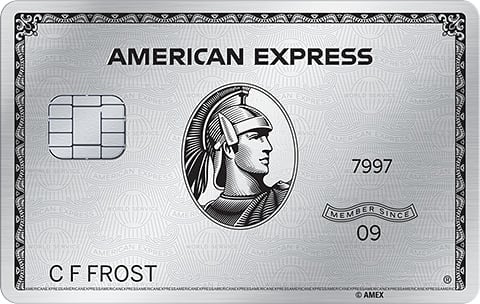
These are attractive benefits, but the coverage may not be as broad as what you would get from buying insurance. For example, American Express cards only cover round-trip travel, so if you don’t have a return flight booked yet, you might want to consider additional coverage.
Also, only the Chase Sapphire Reserve® provides emergency medical and dental coverage. The other cards don’t.
Plus, these cards can come with steep annual fees that may be more than you would pay for a travel insurance policy. So don't sign up for a card just to cover one trip unless you've compared costs.
» Learn more: The best credit cards for travel insurance benefits
Is travel insurance worth it?
Travel insurance isn’t essential for every trip, but it can be a smart investment when you’re spending a lot, traveling abroad, or visiting places where health care or transportation might be unpredictable. It helps protect your finances and your peace of mind when cancellations, medical emergencies, or other surprises threaten to derail your plans.
Insurance Benefit: Car Rental Loss & Damage Insurance
Car Rental Loss and Damage Insurance can provide coverage up to $50,000 for theft of or damage to most rental vehicles when you use your eligible Card to reserve and pay for the entire eligible vehicle rental and decline the collision damage waiver or similar option offered by the Commercial Car Rental Company. This product provides secondary coverage and does not include liability coverage. Not all vehicle types or rentals are covered. Geographic restrictions apply.
Eligibility and Benefit level varies by Card. Terms, Conditions and Limitations Apply.
Please visit americanexpress.com/benefitsguide for more details.
Underwritten by AMEX Assurance Company. Car Rental Loss or Damage Coverage is offered through American Express Travel Related Services Company, Inc.
Insurance Benefit: Baggage Insurance Plan
Baggage Insurance Plan coverage can be in effect for Eligible Persons for eligible lost, damaged, or stolen Baggage during their travel on a Common Carrier (e.g. plane, train, ship, or bus) when the entire fare for a Common Carrier Vehicle ticket for the trip (one-way or round-trip) is charged to an eligible Account. Coverage can be provided for up to $1,250 for carry-on Baggage and up to $500 for checked Baggage, in excess of coverage provided by the Common Carrier (e.g. plane, train, ship, or bus). For New York State residents, there is a $10,000 aggregate maximum limit for all Covered Persons per Covered Trip.
Eligibility and Benefit level varies by Card. Terms, Conditions and Limitations Apply.
Please visit americanexpress.com/benefitsguide for more details.
Underwritten by AMEX Assurance Company.
Insurance Benefit: Trip Delay Insurance
Up to $500 per Covered Trip that is delayed for more than 6 hours; and 2 claims per Eligible Card per 12 consecutive month period.
Eligibility and Benefit level varies by Card. Terms, Conditions and Limitations Apply.
Please visit americanexpress.com/benefitsguide for more details.
Underwritten by New Hampshire Insurance Company, an AIG Company.
Insurance Benefit: Trip Cancellation and Interruption Insurance
The maximum benefit amount for Trip Cancellation and Interruption Insurance is $10,000 per Covered Trip and $20,000 per Eligible Card per 12 consecutive month period.
Eligibility and Benefit level varies by Card. Terms, Conditions and Limitations Apply.
Please visit americanexpress.com/benefitsguide for more details.
Underwritten by New Hampshire Insurance Company, an AIG Company.
Insurance Benefit: Car Rental Loss & Damage Insurance
Car Rental Loss and Damage Insurance can provide coverage up to $75,000 for theft of or damage to most rental vehicles when you use your eligible Card to reserve and pay for the entire eligible vehicle rental and decline the collision damage waiver or similar option offered by the Commercial Car Rental Company. This product provides secondary coverage and does not include liability coverage. Not all vehicle types or rentals are covered. Geographic restrictions apply.
Eligibility and Benefit level varies by Card. Terms, Conditions and Limitations Apply.
Please visit americanexpress.com/benefitsguide for more details.
Underwritten by AMEX Assurance Company. Car Rental Loss or Damage Coverage is offered through American Express Travel Related Services Company, Inc.
Insurance Benefit: Baggage Insurance Plan
Baggage Insurance Plan coverage can be in effect for Covered Persons for eligible lost, damaged, or stolen Baggage during their travel on a Common Carrier Vehicle (e.g., plane, train, ship, or bus) when the Entire Fare for a ticket for the trip (one-way or round-trip) is charged to an Eligible Card. Coverage can be provided for up to $2,000 for checked Baggage and up to a combined maximum of $3,000 for checked and carry-on Baggage, in excess of coverage provided by the Common Carrier. The coverage is also subject to a $3,000 aggregate limit per Covered Trip. For New York State residents, there is a $2,000 per bag/suitcase limit for each Covered Person with a $10,000 aggregate maximum for all Covered Persons per Covered Trip.
Eligibility and Benefit level varies by Card. Terms, Conditions and Limitations Apply.
Please visit americanexpress.com/benefitsguide for more details.
Underwritten by AMEX Assurance Company.
How to maximize your rewards
You want a travel credit card that prioritizes what’s important to you. Here are some of the best travel credit cards of 2026:
Flexibility, point transfers and a large bonus: Chase Sapphire Preferred® Card
No annual fee: Wells Fargo Autograph® Card
Flat-rate travel rewards: Capital One Venture Rewards Credit Card
Bonus travel rewards and high-end perks: Chase Sapphire Reserve®
Luxury perks: American Express Platinum Card®
Business travelers: Ink Business Preferred® Credit Card