Getting a secured credit card is a big first step toward improving your credit. In addition to giving you payment flexibility, a secured card wisely used can get you closer to an unsecured credit card, one that doesn't require a security deposit.
But many people who are approved for a secured card end up losing it before the account is even officially open. That's because they fail to fund the card's security deposit within the required time period, and the issuer changes the status of their account from approved to rejected. The result: further damage to their credit score.
Here's how it happens and what you can do to avoid it.
» MORE: What is a secured credit card?
How an application affects your credit
When you apply for a credit card, the card issuer typically performs a credit check. That usually knocks a few points off your credit score. But the effect can be offset relatively quickly once the account is open. New accounts help your score because you have more credit available to you, which lowers your overall credit utilization ratio.
Also, when you use the new card and — we hope — make on-time payments, you're adding positive information to your credit history. Over time, that responsible card use can elevate your score, because you're demonstrating that you can be trusted.
But if you apply for a card, get approved and then fail to open the account, your credit is only taking the hit from the application. When your credit is bad to start with, even a few points can make a big difference. You're missing out on the benefits the new account could offer.
Leaving your account hanging
Here's where people run into problems.
If you apply for a secured credit card but don't provide the full security deposit within the time frame required by the issuer, then the account never opens. Only after you've supplied the deposit will the card account be in good standing, open and ready to use. If you don't fund the account before the deadline passes, the issuer will discard your application.
The length of time you have to fund your deposit depends on the issuer. Here are some of the secured credit cards the Nerds like best and how long you have to pay the deposit:
| Card | Security deposit requirements / credit line | Deadline for deposit |
|---|---|---|
| Minimum: $49, $99 or $200. Maximum: $1,000. Credit limit: Lines start at $200, and may be larger than the security deposit for some applicants. | The deposit is due 35 days from the time your application is approved, and can be paid in installments of at least $20. | |
| Minimum: $200. Maximum: $2,500. Credit limit: Equal to the security deposit. | Applicants are required to supply bank account information on the application in order to pay the deposit right away. If you don’t have a bank account, you can apply in a Citibank branch. | |
| Minimum: $500; your DFCU savings account balance is considered your security deposit. Credit limit: Equal to the balance in your DFCU savings account when you apply. | Funds must be in your savings account when you apply. | |
| Minimum: $200. Maximum: $2,500. Credit limit: Equal to the security deposit. | Deposit is withdrawn from your bank account as soon as your application is approved, usually within eight days of approval. | |
| Minimum: Normally $200. Maximum: $3,000. Credit limit: Normally equal to the security deposit. | Deposit can be paid by debit card right away, or you can send in a check or money order within 60 days of the application date. | |
| Wells Fargo Secured Visa Card | Minimum: $300. Maximum: $10,000. Credit limit: Equal to the security deposit. | Funds must be made available before your account can be approved. After the account is open, the credit line can be increased by raising your security deposit in increments of $100. |
Cards that give you more time
Looking at the table above, you can see that some cards give you a longer window to fund your deposit.
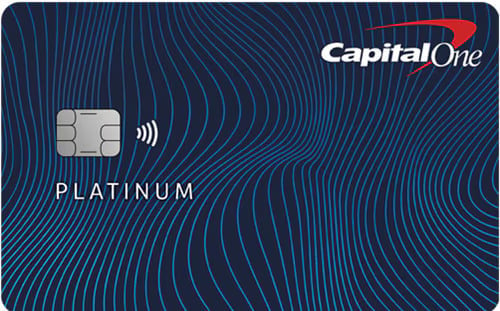
The Capital One Platinum Secured Credit Card gives approved applicants 35 days to pay their deposit in full. You can pay the deposit in installments of at least $20 via electronic funds transfer from a bank account. So if you do need to pay the deposit over several paychecks, the Capital One Platinum Secured Credit Card may be a better option than the other secured cards on our list.

The opensky® Secured Visa® Credit Card doesn't perform a credit check when you apply for a card, so the application itself doesn't ding your credit. You have a generous 60 days to fund your security deposit, but if you don't make it in that window, you can just apply again. Except for the fact that there's an annual fee of $35, it's one of the most customer-friendly secured cards we've seen.
Save for the deposit, then apply
If you're trying to improve your credit, you don't want to apply for any credit card accounts you're unlikely to fully open. Have the security deposit ready to go before you apply for a secured credit card — or be reasonably sure you'll have it before the deadline.
This page includes information about the Discover it® Secured Credit Card which is no longer available, and the offer details may be out of date.