




When you’ve got beef with a big, faceless financial company and want an option for relief beyond screaming into the void, the Consumer Financial Protection Bureau (CFPB) has traditionally taken complaints and sought a resolution on your behalf.
But last week, the CFPB — the federal watchdog created in the wake of the Great Recession — made it harder for you to lodge a complaint if you have an issue with your bank, credit card issuer, debt collector or a credit bureau.
The CFPB says it's making its complaint system more efficient
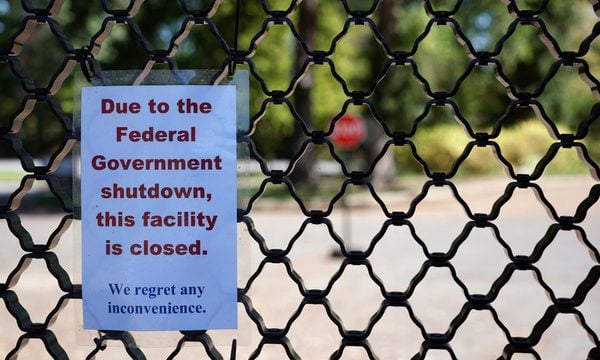
Since entering office, President Donald Trump has actively sought to dismantle the agency through defunding and downsizing efforts. In an announcement on June 26, the CFPB said it would be “correcting flaws to restore integrity and utility to the consumer complaint system.”
Meet MoneyNerd, your shortcut to smart money moves
NerdWallet's twice-weekly newsletter offers practical, no-fluff guidance to help you spend smarter, save more, and make confident money decisions. Delivered free to your inbox.
In 2019 the CFPB said it received 150,000 credit or consumer reporting complaints. In 2025, there were more than 5 million. The new changes are meant to increase effectiveness, the bureau said. But sometimes in the name of increasing effectiveness, consumers end up stuck with more red tape.
Consumers are getting monetary relief less often
Overall complaint resolution rates have remained relatively steady over time, but from 2024 to 2025 there’s been a slight decline in the percentage of consumers who have received monetary relief when their complaints are resolved: <1% in 2024 versus 0.8% in 2025.
Comparing 2019 to 2025 response data from the CFPB shows an even starker contrast: 4% of complaints resolved in monetary relief in 2019 versus 0.8% in 2025.
Critics argue the latest changes are not in consumers’ best interest and may discourage people from submitting complaints. "The Trump administration's CFPB, at the behest of the credit reporting companies, is deliberately creating barriers for people to report illegal and abusive actions by large financial companies," Diane Thompson, the deputy director and chief advocacy officer of the National Consumer Law Center.
What’s new when filing a CFPB complaint
A few of the updates are nothingburgers (for example, standardizing language in complaint closures), but others may create hurdles on the way to getting your complaint on the CFPB’s radar.
Here are the key changes to the CFPB complaint system that could affect you:
Enhanced identity checks include two-factor log-in, identity verification and proof of relationship if someone files for you. It means consumers must provide a mobile phone number and an email address for two-factor authentication in order to make a complaint.
The CFPB is filtering out complaints that aren’t valid or do not “warrant a substantive response,” but did not explain what that meant. It also said it would pursue users who “abuse” the complaint process, but did not provide further information as to what that entails.
Consumers must now dispute errors directly with credit bureaus before filing a CFPB complaint. If they don’t, their complaint may be delayed or returned, so consumers should always dispute first and keep records. In February, the CFPB began issuing intense warnings to anyone attempting to report a complaint that they must first issue a dispute with a credit reporting agency.
The rest of the changes that are less likely to affect you include a pledge to provide more educational information to consumers on resolving errors on credit reports, setting rules for language used by credit bureaus for complaint closures and reorganizing backlogged complaints.
What the complaint system changes mean for you
Overall, the changes reflect a shift toward tightening access and filtering complaints more aggressively, for the sake of the bureau’s ultimate goal: efficiency. For you, the new policies mean more hoops to jump through before your complaint enters the CFPB's system.