




Look no further than your local gas station if you want to see how the Iran war is already shifting financial conditions for U.S. consumers.
Oil prices have surged past $100 per barrel and gas prices have increased more than 32% since last month, according to data from AAA, which tracks prices at the pump.
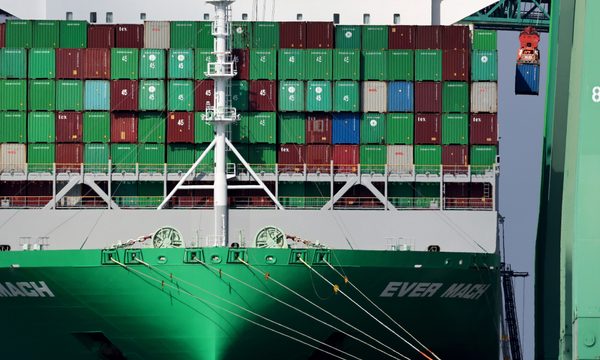
The spikes are driven by disruptions to shipping traffic through the Strait of Hormuz, pushing costs higher for consumers and businesses.
Global energy shocks can ripple into everyday expenses, squeezing consumers’ budgets and potentially fueling inflation that, up to this point, had been trending in the right direction.
We turned to our resident senior economist Elizabeth Renter to make sense of a chaotic picture of economic uncertainty and how it could affect your household’s finances.
The economy was already dealing with a lot of uncertainty before this. How much does the war with Iran actually change the outlook?
War certainly complicates the already complex economic picture. Over the past year, there have been many reasons for general economic uncertainty among consumers, business owners, and even economists and policy makers.
The ability to determine where the economy will be in the near future (and thus what decisions you should be making now) is really dependent on things being fairly predictable or at least similar to conditions we’ve experienced in the past.
The current conditions and potential outcomes are unique and subject to change pretty quickly. That was true before this conflict started, but the many reverberations of war can tangle things in new ways.
Meet MoneyNerd, your shortcut to smart money moves
NerdWallet's twice-weekly newsletter offers practical, no-fluff guidance to help you spend smarter, save more, and make confident money decisions. Delivered free to your inbox.
Energy prices are the obvious first impact — but how does that ripple out? Walk me through how a spike in oil prices eventually shows up somewhere like grocery bills.
The most obvious place consumers feel a shock to the oil supply is in prices at the pump. Many of us fill our tanks frequently, or at least see these prices rising on streetside signs on our commutes. But this also has a fairly quick impact on goods prices, including groceries.
Whether they’re transported via air or 18-wheeler, our groceries rely on fuel to make it to store shelves. And when retailer costs rise due to higher transport costs, they tend to pass this along to consumers in the form of higher prices.
Even before transport, however, many goods producers use fuel in the manufacturing process, and those costs can be passed along too. This is also true for agriculture, where farm machinery and fertilizer depend on energy prices. When costs rise at nearly every stage of production, it’s easy to see how consumer prices can be hit from several angles.
Inflation had been cooling. Can a surge in energy prices undo that progress, or are we in a different place than we were in 2021-22?
Inflation had been cooling down since its peak in mid-2022, but progress getting it to the Fed’s 2% goal was slowing even before the war began. How big of an impact the war has on inflation really boils down to how long it goes on, including the time it takes to recover full operation of oil supply chains.
The longer it lasts, the more the impact feeds into other inflationary pressures including increased government spending and inflation expectations. The more households and businesses expect to see higher inflation, the more they’ll act in anticipation of it, driving inflation upwards through demanding higher wages, setting higher prices and so on.
I don’t think the conflict will drive inflation to levels we saw in 2022 — the factors driving that bout were far different — but it could undo some of the ground we’ve gained in getting it down from that point.
We usually think about energy shocks hitting things like transportation or manufacturing. But increasingly the tech sector — especially AI and data centers — is extremely energy-intensive. Could higher energy prices from this conflict ripple into the AI economy?
Certainly, the companies behind these data centers are likely to see increased energy costs, potentially raising costs for operation and new data center construction.
These tech companies tend to be well financed, so they may be able to absorb some of the increased costs. But it could eat into profits and slow down construction, particularly if the conflict goes on long enough to affect manufacturing and the transportation of construction materials.
At what point does this stop being a numbers story and start affecting how people feel about the economy — and how they spend?
This is likely already impacting how people feel about the economy. Economic sentiment never fully recovered after the pandemic, and has been in the doldrums for over a year.
The most recent data suggests the war could take sentiment to new lows.
A big story this past year has been that consumers continue spending despite feeling bad. This can only continue so long, as financial discomfort among households can eventually spread to higher earners, too. At which point we’ll see a drawback in spending appear in the big economic indicators.
Gross domestic product (GDP) in the fourth quarter last year came in lower than expected. Do you still see growth continuing through this, and what's actually holding the economy up right now?
Growth is expected to slow this year, and I think what we saw in the fourth quarter is the beginning of that slow-down. This is driven in part by a shrinking labor force due to immigration policies, protectionist trade policy and continued economic uncertainty.
Consumer spending continues to drive the growth we’re seeing, but this spending is largely coming from households with assets — stocks and real estate have insulated some households from financial shocks.
Higher tax refunds this spring could keep consumer spending aloft and government spending tied to the war would also contribute to GDP figures, but I think economic growth over the year will be weaker.
Does this raise the recession risk, or is the more likely outcome just slower growth?
Oil shocks certainly raise the risk of recession, but they’re rarely enough to cause a recession alone. The U.S. is more insulated now from global oil shocks than ever before, since we make most of what we consume. But we’re still actors in a global market and this oil shock involves a war.
The word "stagflation" is starting to come up again. Is that a real risk here, or is it premature?
Stagflation refers to high inflation and low economic growth happening simultaneously. This isn’t generally how the mechanics of the economy works — inflation typically goes hand in hand with a hot, growing economy. I think the current conditions suggest a risk of stagflation. If this happens, it puts the Fed’s dual mandate — stable price growth and full employment — at odds. They’d be forced to pick a priority: Raise rates to tamp down inflation or lower them to stoke growth.
How does this complicate the Fed's path? If energy drives inflation back up, does that push rate cuts off the table?
The Fed is currently keeping rates in a place that they believe positions them to react quickly to either inflation (by raising rates) or a weakening labor market (by lowering them).
This neutral place is where rates are neither stimulative or restrictive. If inflation begins to rise, and there is reason to believe it will continue in that direction if left unchecked, they will raise rates.
In the meantime, I think they’ll be reluctant to cut, barring a pretty clear message from the data that inflation is cooling again and the labor market needs support.
What are you watching most closely in the next few weeks to know whether this becomes a real economic shock?
I’m looking for clarity on the potential duration of this conflict. The difference between a month or three months, for example, could be significant in terms of economic impact. I’m also keeping a close eye on consumer spending. If we see consumers at-large tighten their purse strings, the primary driver of our limited economic growth will dissipate.
For someone just trying to make sense of the headlines — what should ordinary people actually be paying attention to right now?
The best thing households can do in times of economic uncertainty is revisit their emergency fund. Whether prices rise or your hours are reduced at work, an emergency fund can make a huge difference in your resilience.
Second, address your budget. If you don’t have an ample emergency fund, consider cutting out some unnecessary expenses to create some wiggle room should unexpected expenses or higher prices arise.
If you’re watching the headlines to see where all of this is headed, pay attention to how long the conflict might last. This will be key to the extent of the impact across the economy, including household finances.
(Photo by Justin Sullivan/Getty Images News via Getty Images)