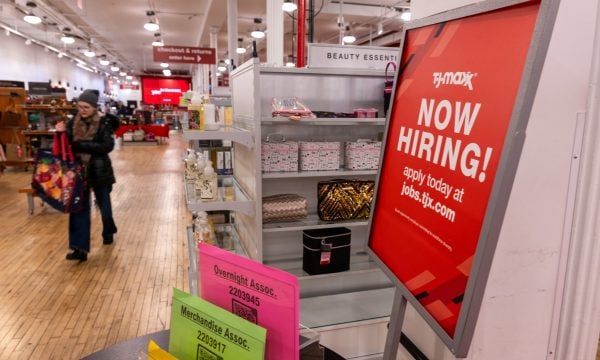








The labor market isn’t on the brink of collapse, but it’s not exactly flourishing with possibility either.
Hiring has slowed throughout the market, but layoffs are still remaining low. We’re well past the Great Resignation and workers aren’t budging from their jobs. It’s the kind of “low-hire, low-fire” environment that makes it harder to find a job or leave one you’re unhappy in.
Some findings from the latest jobs report from the Bureau of Labor Statistics released on Aug.7:
Health care continues to prop up job growth, driven in large part by growing demand from an aging population.
Federal employment is stabilizing after last year’s purge. But local government employment fell in July.
Manufacturing continues to struggle as job growth trends down.
Information services is losing jobs, continuing a correction from the hiring boom during the pandemic.
While doomers would have you believe AI will wipe out white-collar jobs, mass displacement has yet to show up in the data.
So what should workers make of these trends? I talked with Elizabeth Renter, NerdWallet senior economist, about what the latest data tells us about the current labor market and where it could be headed.
AH: How would you describe the current state of the labor market and what's the biggest change you've seen over the past year?
ER: The labor market right now is fairly lethargic. There is a lot of data on the labor market, and taken together it suggests that the economy is adding jobs at a macro level, but not many, and the growth isn’t spread broadly across industries. I think the biggest change this year is in where we expect the labor market to go next. Towards the end of last year, the unemployment rate was creeping up and job growth was becoming more muted. While these measures haven’t changed dramatically, their trajectory isn’t what it was, so the 2026 labor market is in better shape than I was anticipating.
AH: Are we in a "low-hire, low-fire" labor market right now? And how is that different for workers than a normal slowdown?
ER: Yes, we’re still in a scenario where employers aren’t doing a ton of hiring and they also aren’t laying people off. This is likely due to continued economic uncertainty and higher costs, making it difficult to plan for the future. A normal recession would be characterized by much bigger job losses — the unemployment rate would rise pretty dramatically. That said, what we have right now isn’t exactly great for workers. Those who find themselves without a job would have a hard time finding one, and those unhappy at their current workplace don’t see many other opportunities on the horizon.
Meet MoneyNerd, your shortcut to smart money moves
NerdWallet's twice-weekly newsletter offers practical, no-fluff guidance to help you spend smarter, save more, and make confident money decisions. Delivered free to your inbox.
AH: The most recent jobs report data showed a drop in hiring, and the last two months' figures were revised down by over 100,000 combined. What does that reflect?
ER: The pace at which employers are adding jobs has slowed, but I wouldn’t read too much into the single negative number for July, the most recent jobs report. This report is one of many that measure how the labor market is growing (or not), and other sources point to slow growth, not broad declines. Because this data is subject to revision twice and because three- and six-month time horizons are more telling than one, I’m comfortable saying this jobs report supports the narrative that we’re living with a slow-growing labor market.
AH: Let’s talk about resilience in the labor market: What industries are actually adding jobs right now?
ER: Transportation and warehousing, professional services — which includes things like accountants and lawyers, and temporary workers all saw gains in July. Healthcare, however, has been the primary driver of job growth for some time now.
AH: What’s behind the sustained increase in health care jobs?
ER: Job growth in healthcare is outpacing job growth in other industries primarily because of the aging population. More and more older people mean higher and higher demand for healthcare services. Also, this industry is insulated from some of the things that impact others. Economic uncertainty, affordability concerns — these things can spell less demand in certain industries as consumers cut back on spending. But healthcare is insulated from these demand-driven changes. People are unlikely to give up doctor’s visits, even when money is tight.
AH: On the flip side, which industries are the most vulnerable, and is that showing up as layoffs or just hiring freezes? Are we looking at white collar job declines, blue collar or both?
ER: Nondurable goods manufacturing and information services have both been consistently trending down. Employers in the information or “tech” industry hired too many people in the early months of the pandemic, and they’ve been correcting for that since. Layoffs haven’t risen significantly, even across industries showing weakness, so this is more likely to show up as roles not being filled when employees leave their jobs.
AH: What’s happening with government employment?
ER: We saw a significant decline in federal government employment in 2025 amid DOGE job cuts and reorganizations. Most recently, however, federal jobs have been relatively stable. The latest jobs report saw significant declines in local government jobs, though, primarily driven by education. This is likely a seasonal issue. Summer losses in local education jobs aren’t entirely unusual, and they’re often undone in the months that follow, even after seasonal adjustment.
AH: Are we seeing any industries that show both hiring and job separations?
ER: This is difficult to parse in the data that’s available, as it is a net change. Most industries gain some jobs and lose others in a given month, and the data that’s left is a sum of these changes. Industries where gains are relatively equal to losses would appear as something close to zero in the jobs report. In July, the only major industry with change less than 1% was the utilities industry.
AH: What does the slowdown in quits tell you about workers' confidence, and should job-seekers read that as a red flag or just caution?
ER: A low rate of quits is illustrative of the low rate of job opportunities. People aren’t going to quit their job if they don’t think they can find another. This is just another sign of the lackluster labor market. Workers unhappy in their current roles will have to invest more time in their job search, like those who are currently unemployed. Human connections matter more than ever right now, and a hot tip about an open role or referral from someone in your network may give you the edge in this crowded applicant pool.
(Photo by Joe Raedle/Getty Images News via Getty Images)