Every time you book a flight, two little boxes loom large on the passenger information page: redress number and Known Traveler Number (KTN).
Even if you travel often, you may not know the difference. Here's how these two numbers differ, where to find them and how to know if you need either.
The main differences between redress and KTN numbers
Not every traveler will have a redress number or a KTN. In fact, the majority of travelers won’t have either. And if you do, you’ll know, because you will have gone through a lengthy application and approval process.
A redress number is exclusively for travelers who have experienced (sometimes often or repeated) difficulty or delays during security screening, whether traveling domestically or internationally, and who have started a redress inquiry with the U.S. Department of Homeland Security to resolve a misidentification issue.
A KTN, on the other hand, is granted to travelers who have applied and paid for Global Entry or TSA PreCheck in order to enjoy expedited security screenings at airports in the U.S.
» Learn more: TSA PreCheck vs. Clear: What to know
What is a redress number?
A redress control number, more frequently known as a redress number, is an identifier given to individuals who were falsely identified as posing a threat to transportation security or public safety when flying.
If you believe you have been incorrectly added to a watchlist or run into frequent screening problems and delays at border control — often as a result of having the same name as someone on the Transportation Security Administration's (TSA) watchlist — you might open a redress case to get your name cleared.
When you start a case with the Department of Homeland Security Traveler Redress Inquiry Program (DHS TRIP), you receive a seven-digit redress number, which essentially links you with your redress case.
Most travelers don’t have, nor will ever need, a redress number.

By signing up, you will receive newsletters and promotional content and agree to our Terms of Use and acknowledge the data practices in our Privacy Policy. You may unsubscribe at any time.
» Learn more: What ‘SSSS’ on your boarding pass means
What is a Known Traveler Number?
If you’ve applied and been approved for TSA PreCheck or Global Entry, an expedited security screening program at airports across the U.S., you’ll receive a Known Traveler Number.
The nine or ten digit number is linked to your Trusted Traveler account and must be shared with airlines when booking in order to gain access to the dedicated TSA PreCheck line at security. You’ll know if you entered it correctly if there’s a TSA PreCheck logo, complete with green check mark, on your boarding pass.
Your Known Traveler Number can be found by logging into the Trusted Traveler Programs website. It’s also printed on the back of your Trusted Traveler card.
» Learn more: How to get TSA PreCheck
Do you need a redress number or Known Traveler Number?
If you’re traveling soon or in the midst of booking a flight and are wondering if you need either number, the answer is likely “no.”
KTNs are entirely optional, though are often worth the expense for frequent travelers. Plus, there's a way to get a KTN for free as part of the benefits of your travel credit card. Some credit cards offer statement credits that will reimburse you for TSA PreCheck or Global Entry application fees.
If you don’t have a KTN, don’t sweat it; you can leave that box empty when booking a reservation.
Likewise, if you’ve never experienced delays or difficulties other than the occasional pat-down or random selection for bag screening at security or ports of entry, you probably don’t need a redress number, either, and can also leave that field empty.
» Learn more: What Chase cards come with TSA PreCheck?
Where do I enter a redress number or Known Traveler Number?
If you do happen to have either number, you can add them during booking on airline websites. After you’ve selected your preferred flights, when you come to a page that prompts you to enter the details of each traveler, you’ll find boxes for both a redress number and Known Traveler Number.
Enter either if you have them (or neither if you don’t) and they'll be linked to your booking.
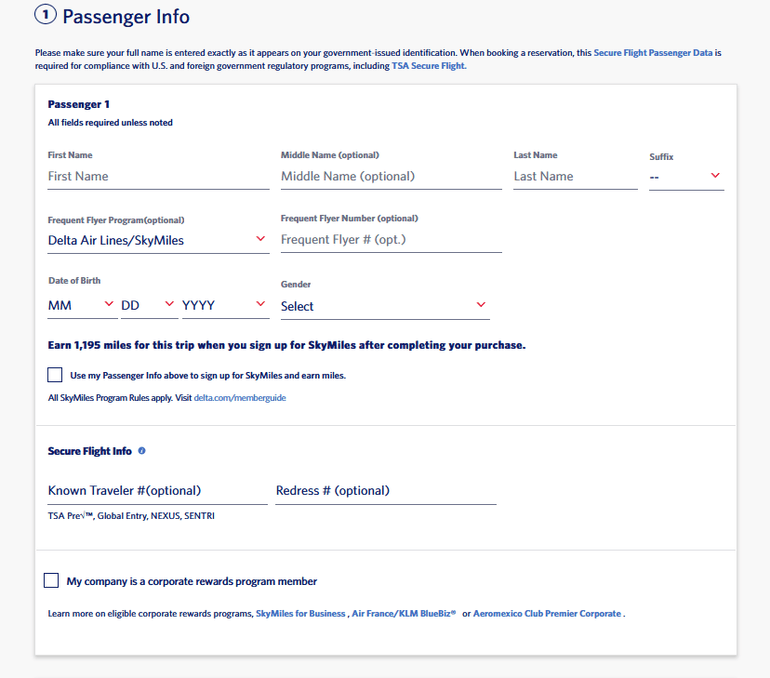
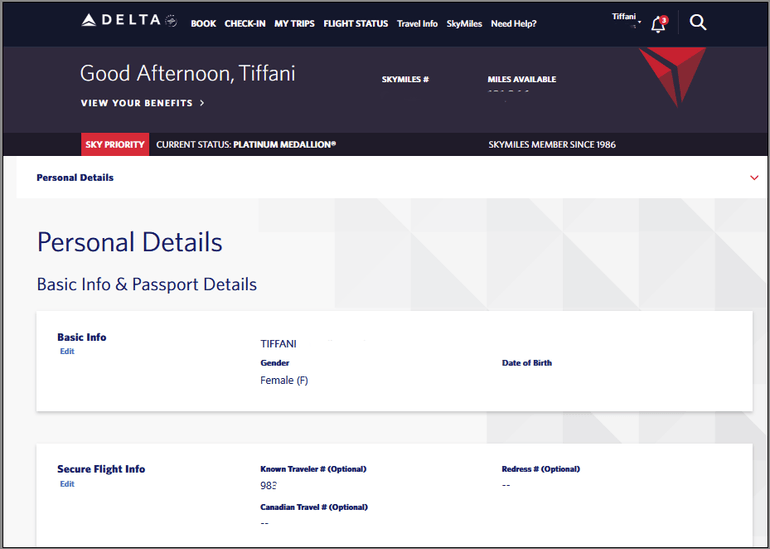
You can also add either number to your frequent flyer account so they’ll be automatically entered during every booking and you don’t have to go searching for your number each time you travel.
The process for each program may look a bit different, but log into your profile, find the page where you can update personal information and enter your number in the corresponding text box. It will be saved for future bookings.
» Learn more: How to add TSA PreCheck to your airline ticket
The bottom line
Whether you have a redress number or KTN depends entirely on you as an individual traveler. While a KTN is entirely optional and offers a way to move more quickly and easily through security, a redress number is reserved for those who regularly experience unnecessary delays or difficulties at checkpoints, often due to mistaken identity.
If you do have either, just make sure to include your number on your travel booking to help ensure a seamless and hassle-free trip through security.
How to maximize your rewards
You want a travel credit card that prioritizes what’s important to you. Here are some of the best travel credit cards of 2026:
Flexibility, point transfers and a large bonus: Chase Sapphire Preferred® Card
No annual fee: Wells Fargo Autograph® Card
Flat-rate travel rewards: Capital One Venture Rewards Credit Card
Bonus travel rewards and high-end perks: Chase Sapphire Reserve®
Luxury perks: American Express Platinum Card®
Business travelers: Ink Business Preferred® Credit Card