5 Steps to Sell Your House For Sale By Owner
Selling your own home can save money, but it takes a strategic approach to do it right.
Some or all of the mortgage lenders featured on our site are advertising partners of NerdWallet, but this does not influence our evaluations, lender star ratings or the order in which lenders are listed on the page. Our opinions are our own. Here is a list of our partners.
Updated · 4 min read

Written by
Contributing Writer 
Edited by
Contributing Editor 
Co-written by
Senior Writer/Spokesperson 

With the "for sale by owner," or FSBO, option, the homeowner manages the entire selling process from beginning to end, without the help of a real estate agent. The challenging nature of FSBO may be the reason only 5% of sellers went that route between July 2024 and June 2025, according to a report from the National Association of Realtors, or NAR.
People often list their own homes to avoid the largest closing cost for a seller: the listing agent’s commission. Companies that help people sell their homes without an agent say doing so can save thousands.
How much can you save?
It's easy to start imagining the savings, but there are some things to know before putting up that "for sale by owner" sign on your front lawn.
Real estate commissions typically run about 5% to 6% of the home's price, and they're usually split equally between the seller's agent and the buyer's agent, even with the new system of paying real estate agents that went into effect in August 2024. The buyer may ask you to pay some or all of the commission to the buyer's agent.
With some for sale by owner websites, such as houzeo.com and forsalebyowner.com, you can pay for services a la carte, such as agent showings and professional photography, but this will cut into your profits.
Mortgage loans from our partners

on NBKC
NBKC
Min. credit score
620
Min. down payment
3%

on New American Funding
New American Funding
Min. credit score
N/A
Min. down payment
0%
on GO Mortgage
GO Mortgage
Min. credit score
620
Min. down payment
3%


Mortgage loans from our partners
on NBKC
NBKC
Min. credit score
620
Min. down payment
3%
on New American Funding
New American Funding
Min. credit score
N/A
Min. down payment
0%
on GO Mortgage
GO Mortgage
Min. credit score
620
Min. down payment
3%

on Rocket Mortgage
Rocket Mortgage
Min. credit score
580
Min. down payment
3.5%
on Veterans United
Veterans United
Min. credit score
620
Min. down payment
0%


5 steps to selling your home FSBO
1. Fix up the home to selling condition
Make repairs and minor upgrades, such as replacing toilet seats and shower heads, and repainting the front door. Consider staging the home and making exterior improvements, such as siding repairs and landscaping enhancements to maximize curb appeal. Declutter to show off how much space the house has, depersonalize it so potential buyers can see themselves living in it, make sure it's clean and keep the front yard tidy and manicured.
2. Set the right price
Setting the price is one of the most important decisions you’ll make when selling your own house. Price your home too high, and it might stagnate without a buyer. Price your home too low, and you might lose potential profit.
🤓 Nerdy Tip
FSBO homes draw significantly lower median sale prices than agent-assisted homes, according to the NAR. If you can, go to open houses in the month leading up to listing your home for sale. Keep track of which homes have sold and at what price. A listing agent can provide you with a list of recently sold properties similar to your own at little or no cost without you having to hire them. This is often called a “comparative market analysis.”
Getting an appraisal to estimate your home’s fair market value can help you set a competitive listing price, but it may cost several hundred dollars. You can also use the Federal Housing Finance Agency’s house price index calculator or an online home value estimator.
Save thousands on your loan by comparing competitive refi quotes
Get personalized quotes from our marketplace of lenders and negotiate your best rate. Answer a few questions to get started. ZIP code
Won't affect your credit score
3. Promote your home online and IRL
Online exposure is key to getting your home in front of as many potential buyers as possible. Real estate pros use the multiple listing service, or MLS, a comprehensive database of homes for sale.
For a flat fee, you can use a third-party website to have a broker list your property on the MLS, but that’s where their help would end. You would have to pay the broker to help you with other tasks, such as negotiating an offer.
Other options include listing your home on public websites like Zillow. Besides simply listing your home, Zillow also offers digital tools to help you create virtual tours and interactive floor plans that can help boost your property’s visibility and appeal.
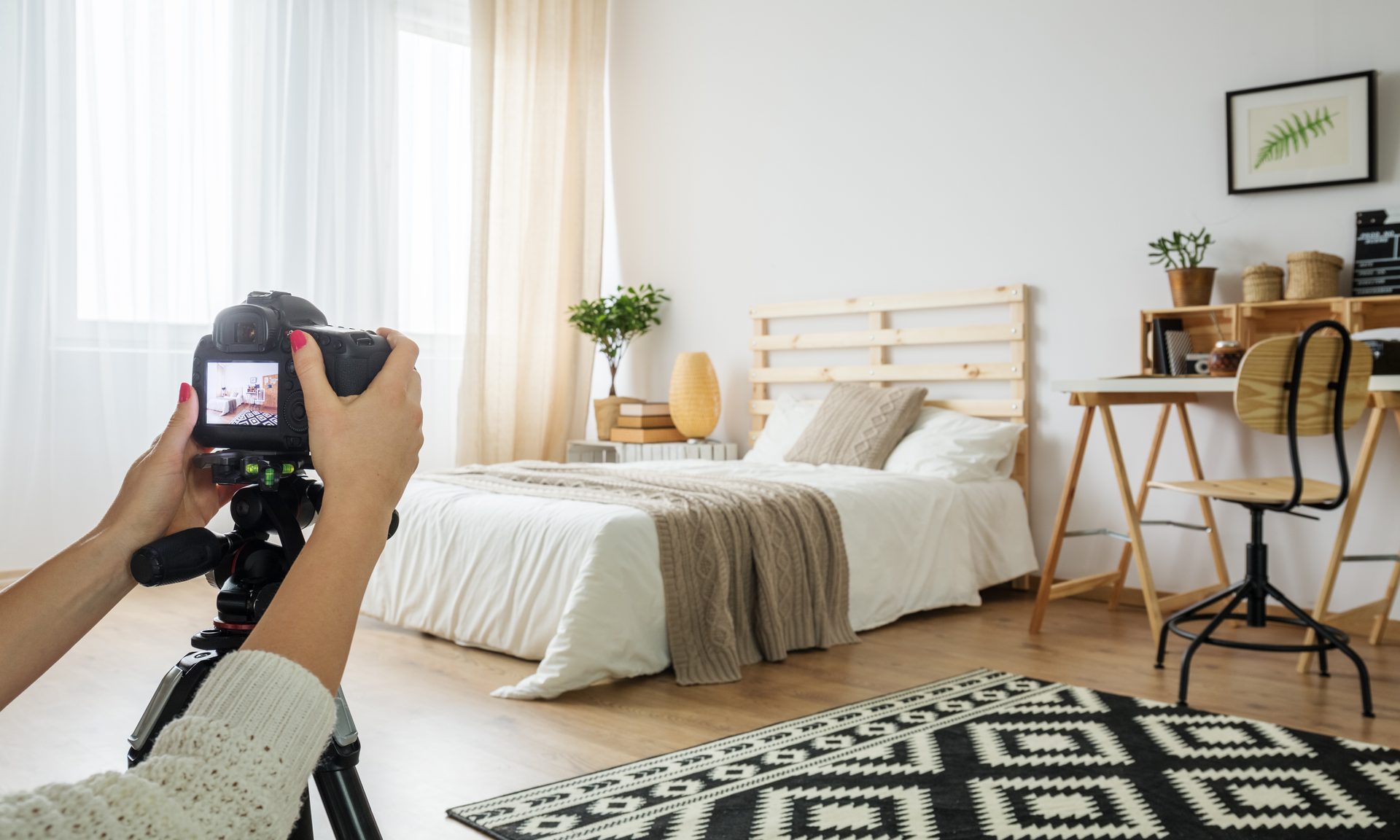
Showcase your home in online listings by hiring a professional photographer or videographer.
In addition to a digital listing, add "for sale" signs around your neighborhood directing people to your property. You can also promote your house in your local newspaper and on social media.
4. Screen buyers, review offers and negotiate terms
Since you’re selling without an agent, the responsibility for reviewing offers and negotiating with buyers falls on you. Even if you bring a real estate attorney into the mix, you’ll still be the one deciding which offers to consider and how to respond.
This means it pays to have a game plan — from vetting serious buyers to thinking through negotiation strategy before offers start rolling in.
Here are a few key points to prepare for:
- Set a buyer screening process: To narrow your pool to serious prospects, you may want to require a mortgage preapproval letter from financed buyers and proof of funds from all-cash buyers. It’s also a good idea to collect contact information for each buyer and their agent so you can easily follow up with qualified leads.
- Plan your response to buyer negotiations: Buyers may submit offers below your asking price or request concessions, such as closing cost credits or repairs. Think ahead about where you’re willing to compromise, where you’ll hold firm and the minimum terms you’re willing to accept.
- Determine how you’ll evaluate multiple offers: Choosing the best offer means weighing more than just price. You may be tempted to jump at the highest bid, but review the full picture — including buyer contingencies, requested concessions, financing strength and proposed closing timeline. In the end, the strongest offer isn’t necessarily the highest one, but the one that provides the greatest certainty.
- Watch for red flags: Pay attention to signs that a buyer may not be fully committed. For example, a buyer who refuses to provide an earnest money deposit could be a hesitation signal. Other potential warning signs: excessive contingencies, slow or inconsistent communication, or request for an unusually long closing timeline.
5. Hire an attorney and title company
In some states, a real estate attorney oversees the closing of a home sale and prepares certain documents, whether an agent is involved or not.
Even if an attorney isn’t required, it may be beneficial to hire one when selling your own home. An attorney can help you prepare the necessary paperwork, such as drafting your sales contract and legally mandated disclosure documents. If there are questions about the home’s title or boundary disputes, a lawyer can also help you resolve those issues.
Either you or your attorney will likely hire a title company to run a thorough title search of your property, which assures buyers and their lenders that your home is unequivocally yours to sell. A title company will also typically have a representative at the closing.
Qualities of a successful FSBO seller
It takes a specific skill set to sell a house without an agent.
- You need to be a strong negotiator to get a fair price for your house and hammer out details, such as closing costs, presale repairs and the commission for the buyer’s agent.
- You’ll need some marketing chops. To get your property in front of potential buyers, you’ll need to arrange open houses, advertise online and more.
- You'll need to navigate the legal complexities of selling a house, such as writing purchase agreements, setting up escrow accounts, and evaluating buyer contingencies and disclosures.
Should you sell your own home?
Selling your home without an agent is definitely doable, but it's also like taking on a part-time job: Your success will depend on how much time, talent and money you’re willing to spend on the task.
Without a listing agent, you’ll not only be responsible for managing the home selling process (including setting the price and marketing the home); you’ll also have to deal with some of the emotional and logistical challenges from which agents typically shield their clients.
- You might need to drop everything to show the house on short notice.
- You might dedicate weekends to hosting open houses.
- You’ll need to accept feedback on your home and keep a cool head during negotiations.
- You'll want to confirm whether buyers are preapproved for a mortgage. You can ask the buyer to provide a recent preapproval letter from a lender when they make an offer.
If you have the time and the desire, selling your house for sale by owner can be a worthwhile challenge — as long as you don’t take the work involved lightly.
Frequently Asked Questions
What’s the best way to sell your home yourself?
Start with a plan for how you'll manage the entire home selling process. You will be responsible for marketing, showing, staging and setting the price of your home, as well as negotiating with and vetting buyers. Using for sale by owner websites, you can pay for professional help with some of the responsibilities.
Is selling your home worth it?
It depends on what’s most important to you when selling your home. Some people choose for sale by owner to save money on the listing agent commission and have control over the entire home selling process. However, selling a home without a listing agent can be complicated and stressful, and the savings may not be worth it for some people.
Are there closing costs when selling a house by owner?
When selling your own home, you'll avoid paying the full listing agent’s commission, but you'll still have to pay the same closing costs any seller would, including title insurance and recording fees, and maybe a commission to the buyer’s agent, if one is involved. Closing costs for a seller are usually 6% to 10% of the home’s sales price.
Article sources
NerdWallet writers are subject matter authorities who use primary,
trustworthy sources to inform their work, including peer-reviewed
studies, government websites, academic research and interviews with
industry experts. All content is fact-checked for accuracy, timeliness
and relevance. You can learn more about NerdWallet's high
standards for journalism by reading our
editorial guidelines.