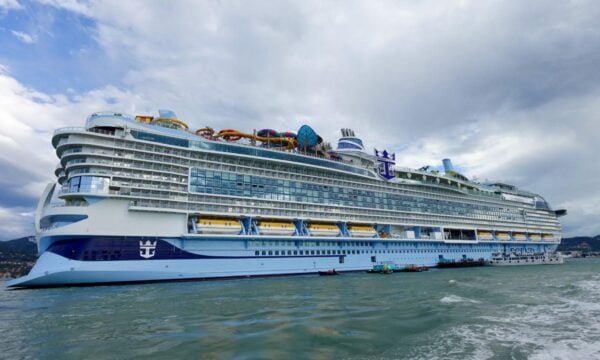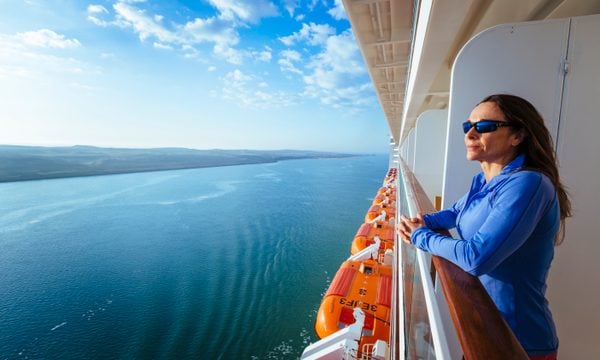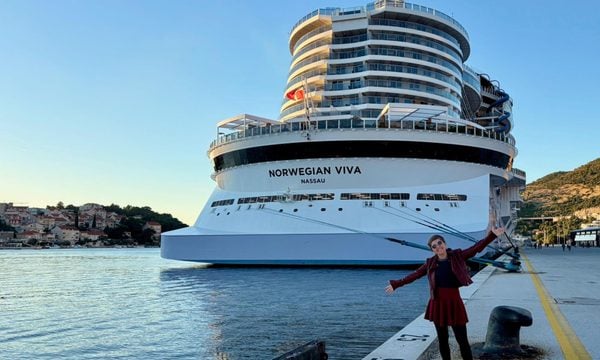







When the Grand Princess sailed into a California port in early 2020 with some of the nation’s first COVID-19 cases, the cruise industry seemed destined for rough waters. The ship became a symbol of pandemic uncertainty — a floating microcosm of fear and lockdown. Journalists, politicians and infectious disease experts referred to cruises as “petri dishes.”

By signing up, you will receive newsletters and promotional content and agree to our Terms of Use and acknowledge the data practices in our Privacy Policy. You may unsubscribe at any time.
Six years later, that reputation has completely flipped. According to a new forecast from AAA and Tourism Economics, a record 22.4 million Americans are projected to take ocean cruises in 2027 — up 3.6% from 2026, and the fifth year in a row the industry has set a new high. AAA says 2026 itself is also on pace to finish higher than originally projected.
"Cruising offers a unique type of vacation because you unpack once and visit multiple destinations with meals and entertainment included," said Stacey Barber, Vice President of AAA Travel, in a prepared statement.
Record-setting demand and spending

In 2019, 14.2 million Americans took ocean cruises. AAA's 2027 projection of 22.4 million represents a 57% increase over that pre-pandemic baseline.
And travelers are happy, too. AAA reports that more than 90% of U.S. cruise passengers rate their experience as good or very good, and 93% say they'll book another cruise.
Who’s cruising in 2027?

Ocean cruising has traditionally skewed older, but that's shifting.
The global average age of a cruise passenger has dropped to 46.7, according to a 2025 report from Cruise Lines International Association.
North American passengers track even younger, averaging 45.8. Millennials and Gen Z travelers are entering the market quickly, drawn to cruising as a lower-friction, value-packed alternative to planning a complex land-based itinerary piece by piece.
The Caribbean dominates cruise itineraries
The Caribbean, Bahamas and Bermuda region remains the undisputed leader in cruise tourism, capturing 16.27 million passengers, or roughly 44% of all global cruise traffic, according to CLIA. The Mediterranean holds the number two spot with 5.96 million passengers (accounting for 1 out of every 6 global cruisers).
U.S. travelers especially love the region. AAA's new data shows that 71% of U.S. cruisers choose it as their destination.
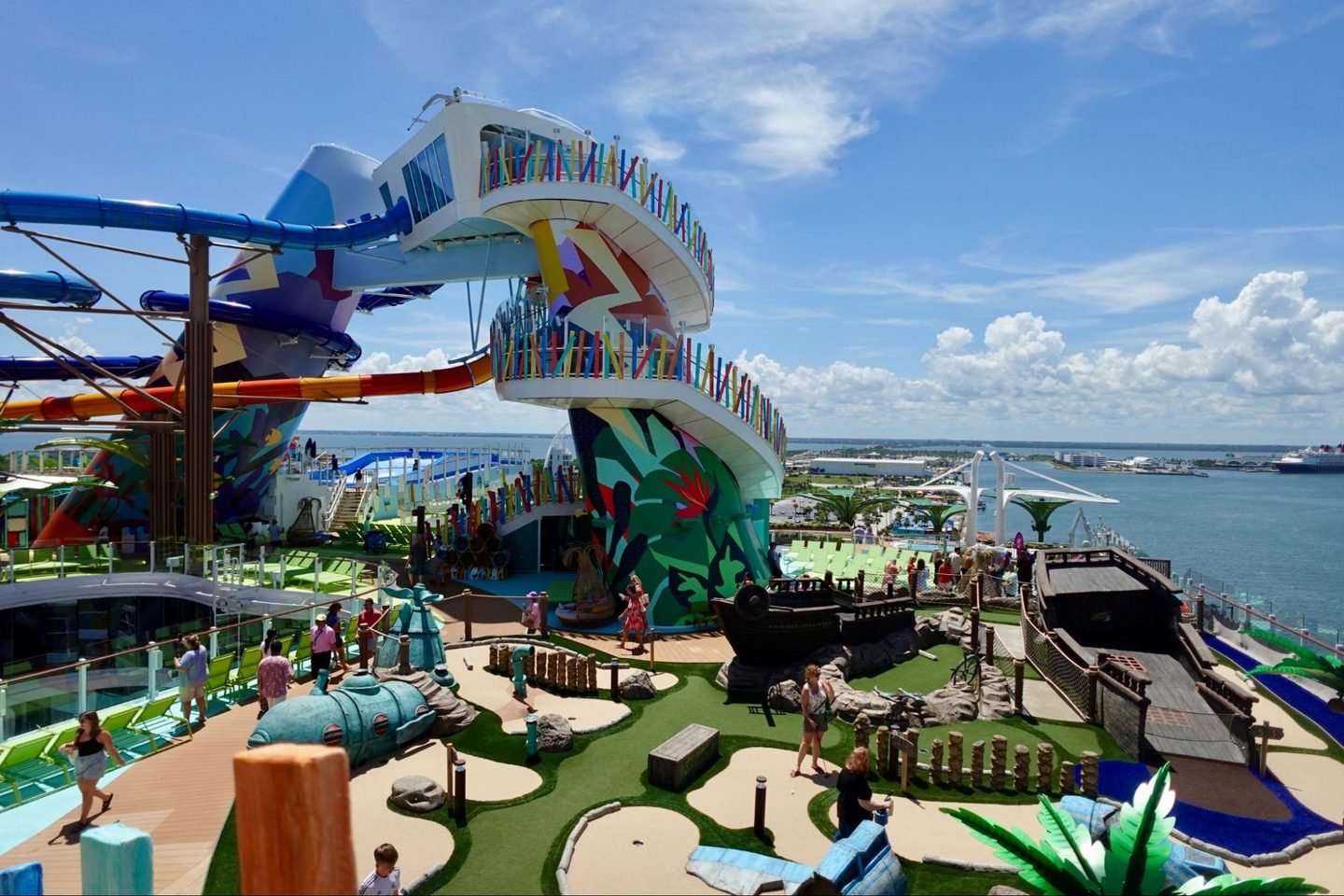
The top ships including the Royal Caribbean’s relatively new Star of the Seas and Legend of the Seas, part of the line’s new Icon-class fleet. Those ships are complete with record-breaking pools, waterparks and LNG-powered sustainability features. Norwegian Cruise Line Aqua and MSC's World America also stand out as over-the-top megaships designed with multigenerational trips in mind.
Additionally, many of these cruise lines have poured money into private islands throughout the Caribbean, offering passengers exclusivity and extra amenities, and they've deployed megaships holding at least 4,500 passengers with an expanded range of activities, entertainment and dining.
Proximity matters, too. The three busiest cruise ports in the world are all in Florida: Miami, Port Canaveral and Fort Lauderdale.
What’s next for cruising
Cruise lines are expanding their fleets at a pace not seen since before 2020, with more than $71 billion in committed capital investment to introduce 60 new ocean-going ships through 2037. Disney, for example, plans to grow from five to 13 ships by 2031, including its first Japan-based ship in 2029. Norwegian just reopened its private Bahamas island in September 2026, complete with a new waterpark.
When surveyed by CLIA regarding their primary motivation for choosing a cruise over a traditional land-based resort, travelers pointed to two overwhelming factors: the ability to visit multiple destinations on a single trip (22%) and overall value for money / "bang for the buck" (15%).
Cruises also cater to every type of traveler:
Couples enjoy built-in date-night dining and entertainment.
Families appreciate kid clubs, water parks and multi-room staterooms.
Adventure seekers are booking expedition cruises to destinations like Antarctica and the Arctic.

Meanwhile, food and entertainment are evolving fast. Celebrity chef partnerships, Broadway-level shows, and themed dining experiences — such as Spellbound by Magic Castle aboard the Star Princess by Princess Cruises — make modern ships more like floating resorts than floating buffets.
Once dismissed as floating "petri dishes," cruises have become one of the most resilient, fastest-growing sectors in travel. With AAA projecting a fifth consecutive record year in 2027 — and cruise lines still investing tens of billions of dollars in new ships — there's little sign the momentum is slowing down.
How to maximize your rewards
You want a travel credit card that prioritizes what’s important to you. Here are some of the best travel credit cards of 2026:
Flexibility, point transfers and a large bonus: Chase Sapphire Preferred® Card
No annual fee: Wells Fargo Autograph® Card
Flat-rate travel rewards: Capital One Venture Rewards Credit Card
Bonus travel rewards and high-end perks: Chase Sapphire Reserve®
Luxury perks: American Express Platinum Card®
Business travelers: Ink Business Preferred® Credit Card