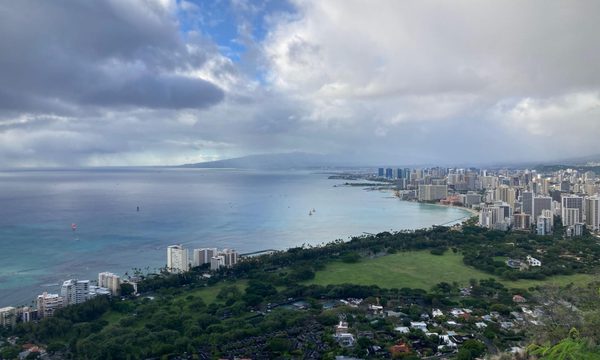
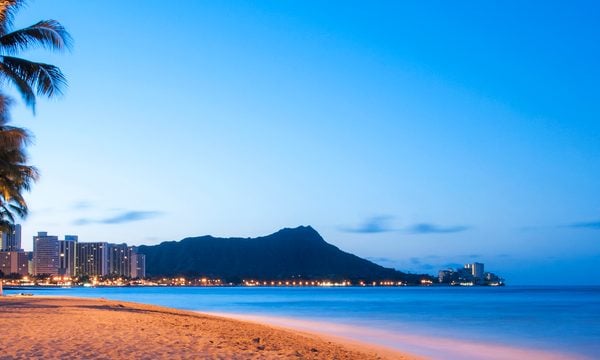
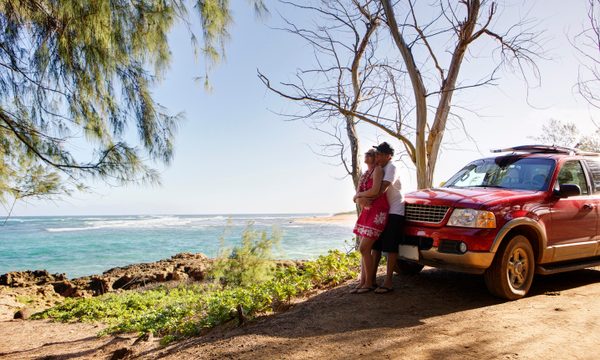
When deciding where to travel, Hawaii checks all the boxes for many tourists. The islands' lush, tropical landscape provides an escape from everyday life. It's a far-off getaway that doesn't require a passport, and there's no shortage of luxury.
Unsurprisingly, it isn't cheap. Hawaii welcomed 9.64 million visitors in 2025, and while visitor volume dropped slightly from previous years, total traveler spending reached a staggering $20.58 billion — up 5.7%. In short, people are visiting a bit less, but paying a lot more when they go.
The good news? You do not need to drop five figures to have a unforgettable trip. Here is my personal, realistic guide to visiting Hawaii on a budget.
By signing up, you will receive newsletters and promotional content and agree to our Terms of Use and acknowledge the data practices in our Privacy Policy. You may unsubscribe at any time.
The luxury trap: You don't need an over-the-top resort
Before we dive into mechanics, let's address the biggest mental trap travelers fall into: the belief that you must stay at a $1,500-a-night luxury resort to "do" Hawaii right.
Here is the reality: Hawaii itself is the star of the show. The turquoise ocean, the volcanic mountains, the trade winds and the waterfalls are naturally stunning. A $1,500-a-night infinity pool does not make a Hawaiian sunset any more beautiful than watching it with your toes in the sand at a public beach.
If you spend your entire budget on an over-the-top luxury property, you’ll end up feeling trapped in your room just to "get your money's worth." Instead, turn your attention to the mid-scale hotel market — especially properties you can book using hotel points. These hotels are clean, comfortable, and well-located, allowing you to focus your energy (and money) on exploring the island's natural beauty.
Great mid-scale point properties in Hawaii
Courtyard Oahu North Shore (Marriott Bonvoy): Located right on Oahu's legendary North Shore, this property puts you minutes from famous surf breaks, food trucks and quiet beaches. It’s modern, laid-back, and costs a fraction of the nearby The Ritz-Carlton O‘ahu, Turtle Bay (also a Marriott hotel).
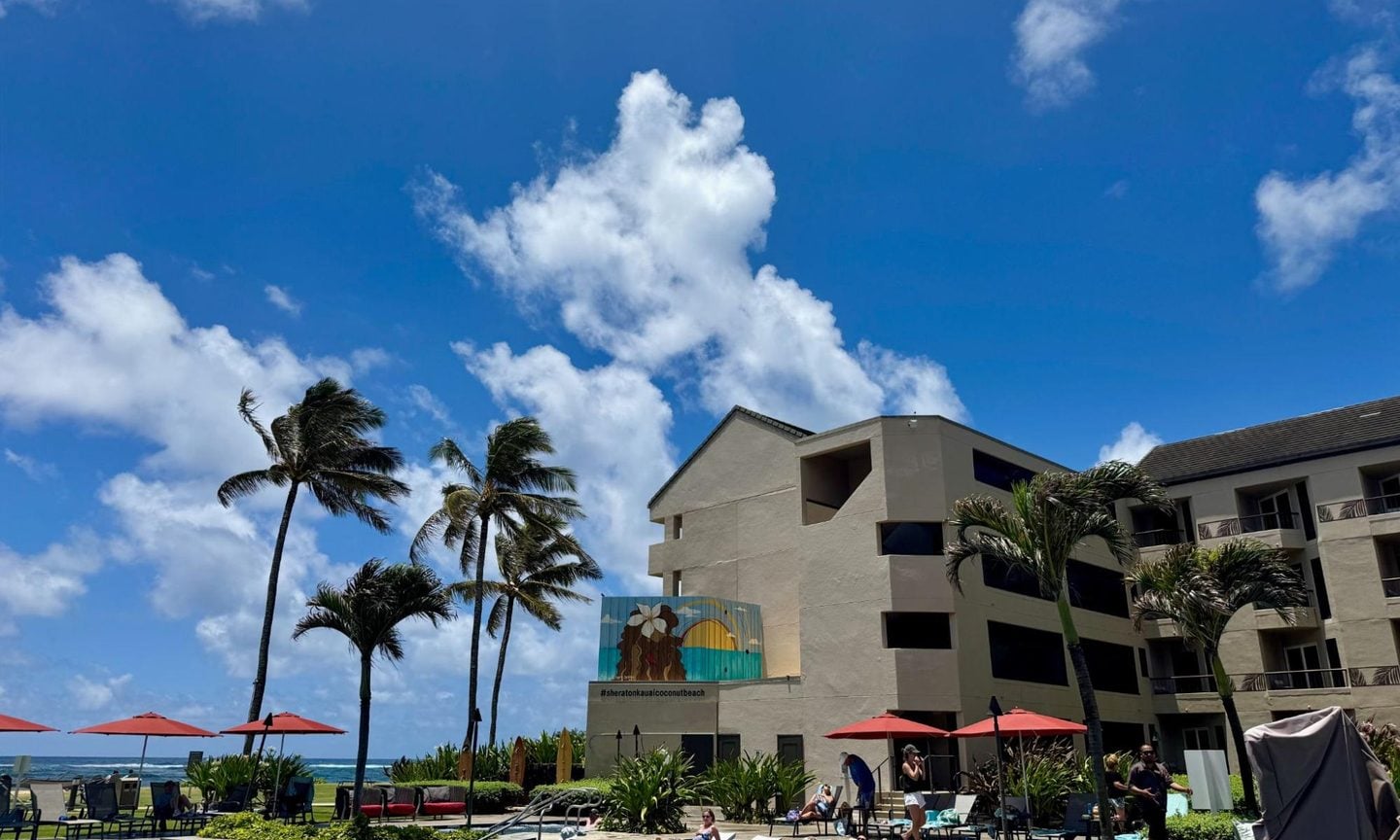
Sheraton Kauai Coconut Beach Resort (Marriott Bonvoy): Set on Kauai’s Royal Coconut Coast, this oceanfront resort offers a ocean pool, fire pits and easy central access to both the North and South shores without the eye-watering price tag of Poipu luxury resorts.
Hyatt Place Waikiki Beach (World of Hyatt): Sitting just one block from the sand, this property includes free breakfast—a massive budget-saver in pricey Waikiki—and requires modest Hyatt points per night.
Choose your island wisely (Oahu is the budget king)
There are six major islands to visit in Hawaiʻi: Kauai, Oahu, Molokaʻi, Lānaʻi, Maui and the Big Island. Of those, four (Oahu, Maui, Kauai and the Big Island) are accessible from the U.S. mainland and are generally considered the primary islands for tourism.
While Maui is famous for honeymoons and Kauai attracts rugged outdoor adventurers, Oahu is objectively the cheapest Hawaiian island to visit.
According to recent data from the Hawai‘i Tourism Authority, hotel rooms on Oahu average roughly 27% less than the state average. While the average hotel room rate across Hawaii hovers around $370 per night, Oahu averages closer to $270.
If you look at midscale and economy rooms on Oahu, the savings are even more dramatic: average rates sit around $126 per night, which is 43% less than the statewide average for the same tier of accommodation.
Save on airfare to Hawaii
1. Consider "island-hopping" connections
Direct flights from the mainland to outer islands like Maui or Kauai carry a premium. You can often save hundreds of dollars by booking a long-haul flight into Honolulu’s Daniel K. Inouye International Airport on Oahu, and then hopping on a 45-minute interisland flight on Hawaiian Airlines or Southwest.
2. Maximize the Southwest Companion Pass
If you hold a Southwest Airlines Companion Pass, Hawaii is the ultimate place to use it. The pass is essentially a buy-one-get-one deal on your Southwest flight, where you book a flight with cash or points, and you can book another at no cost aside from taxes and fees (typically just $5.60 per one-way trip).

Book lodging with points
Most of the major hotel brands have a strong presence in Hawaii, which can be handy if you have hotel points or free night certificates.
Visiting Hawaii with Marriott Bonvoy
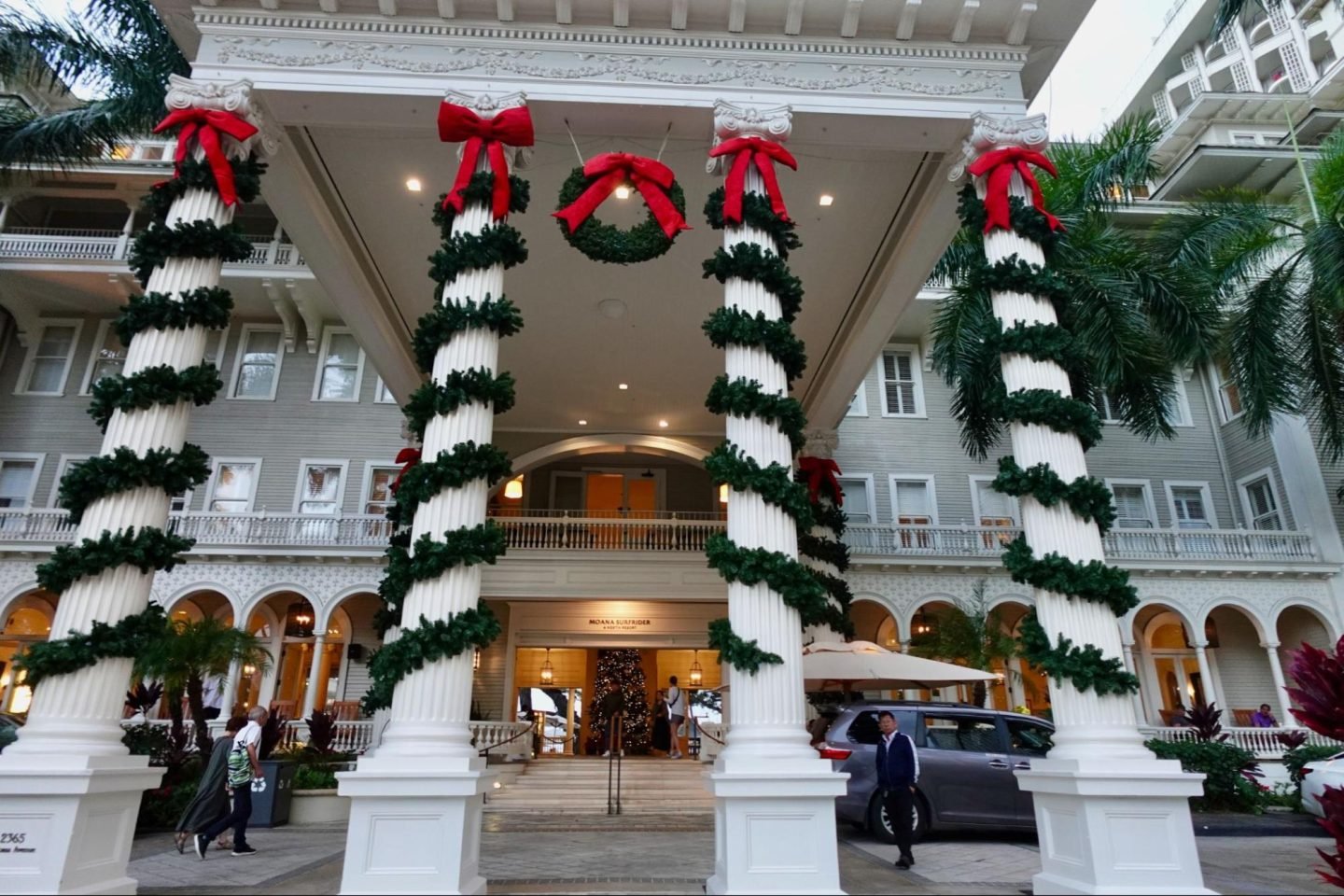
Marriott is a massive hotel brand, so it unsurprisingly has a range of hotels for every budget. But on Oahu, it stands out for some especially delightful, historic properties. That includes some of Oahu’s most famous luxury hotels, including the historic Moana Surfrider, a Westin Resort & Spa, Waikiki Beach as well as The Royal Hawaiian, a Luxury Collection Resort, Waikiki.
Given their icon status, these hotels tend to be the most expensive. To experience these memorable properties without crushing your budget, turn to Marriott Bonvoy points. Those can be earned through Marriott credit cards as well as general travel credit cards that accrue points that transfer to Marriott.
Visiting Hawaii through Hilton Honors
Hilton is an especially big player in Hawaii, and its lodging runs the gamut from affordable to opulent. If you have a Hilton free night certificate, which can be earned through certain Hilton credit cards, head to Maui. There you’ll find the Grand Wailea, a Waldorf Astoria Resort. One of Hilton’s most grandiose resorts, the Grand Wailea hosts a 2,000-foot-long pool complete with waterfalls and slides. Standard nightly room rates can easily run more than $1,500, but free night certificates can cover it.
Consider Disney's Aulani Resort
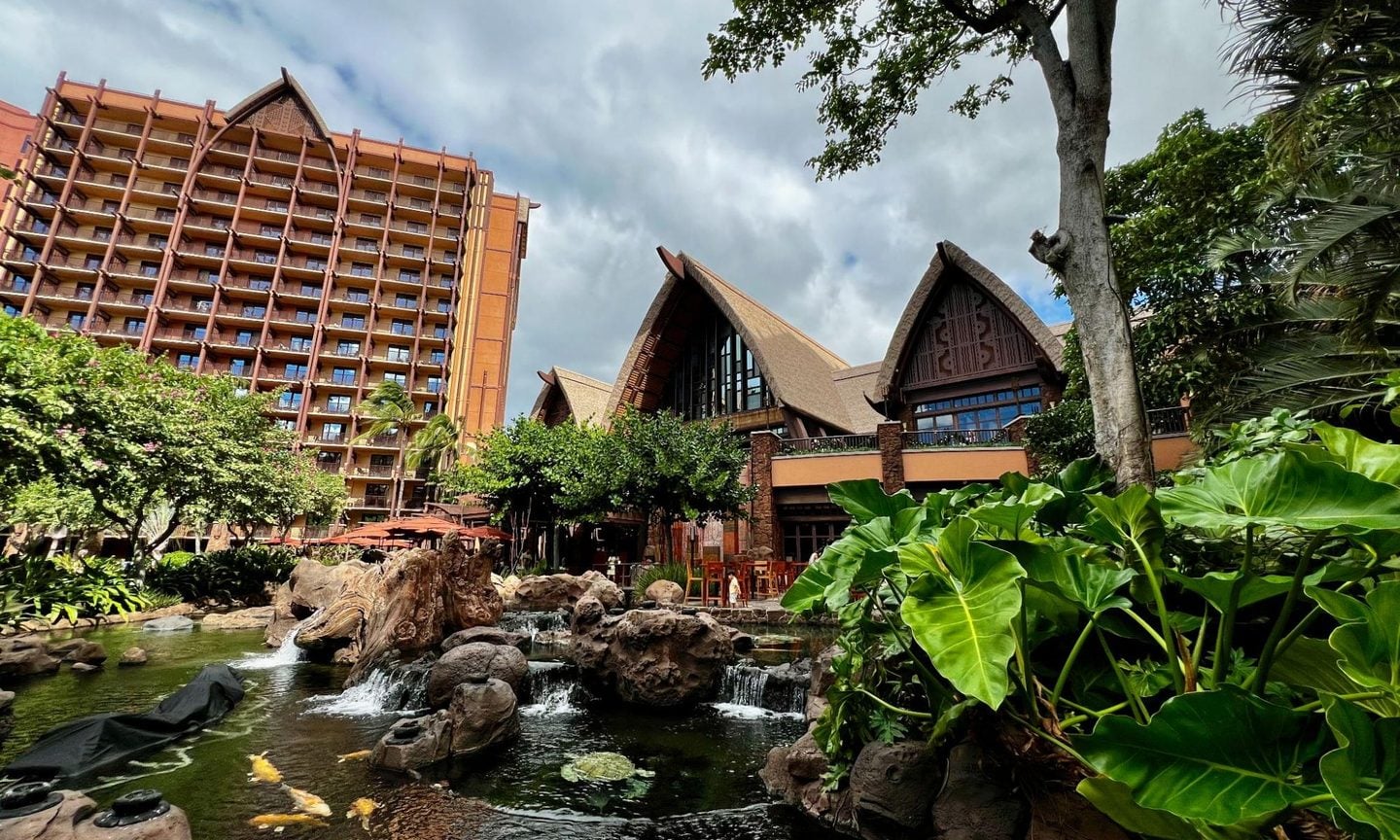
For families, Aulani, A Disney Resort & Spa in Ko Olina offers the magic of Disney combined with Hawaiian culture. While it's positioned as a luxury resort, savvy travelers can find value through Disney Vacation Club rentals, package deals, or visiting during shoulder seasons when rates are lower than peak times.
How to save on food and activities
Skip fancy dinners, and embrace poke and musubi
Dining out in Hawaii eats up travel budgets fast—especially when you are paying top dollar for mediocre food just because the restaurant has an ocean view.
Do what the locals do: head to a local grocery store or convenience spot (like Foodland or 7-Eleven) for fresh, high-quality poke, plate lunches, or hot Spam musubi. Pack it up, head to any public beach, and enjoy a 5-star, front-row ocean view dinner for under $15.
Sidestep the paid luau
As far as entertainment, you can certainly pay hundreds of dollars for your group to experience a luau. While the array of entertainment and buffet food can be worth it for some travelers, there are plenty of free ways to watch hula, hear Hawaiian music and learn about the culture. Many major malls in Hawaii, such as Waikiki’s Royal Hawaiian Center mall, offer free shows and classes in lei making, hula, ukulele, lauhala weaving and more. On the Big Island, free coffee farm tours are abundant.
Some hotels also make their entertainment available to the public. Head to Marriott’s Sheraton Maui Resort & Spa to watch the nightly lele kawa (cliff jumping).
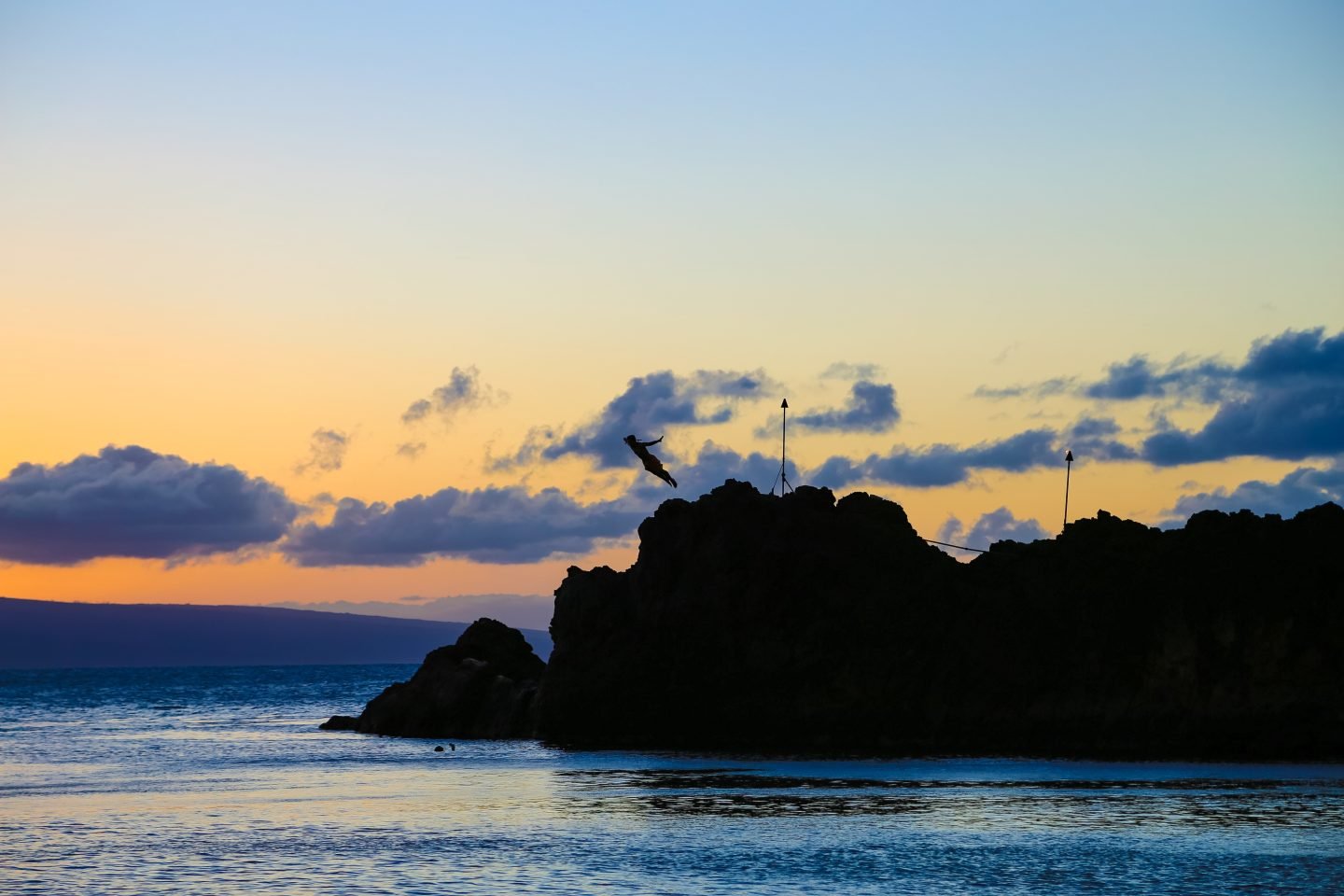
If you do want the full luau experience, look for deals through discount ticket providers or consider attending during weekdays when prices may be lower.
Use multi-attraction passes
One of the best ways to save money on Hawaii activities is through multi-attraction passes. These passes bundle popular attractions at a discounted rate compared to paying for each separately.
Go City offers several pass options for Oahu that can save travelers up to 50% on admission prices:
Explorer Pass: Choose 3, 4, or 5 attractions from over 40 options including the Polynesian Cultural Center, Pearl Harbor attractions, Diamond Head, Bishop Museum and water activities. The pass is valid for 30 days after first use.
All-Inclusive Pass: Available in 2- to 7-day options, providing unlimited access to 40+ attractions. The multi-day passes include one premium attraction and can be used on non-consecutive days within a 14-day period.
Popular attractions included in these passes:
Battleship Missouri Memorial.
Pearl Harbor Aviation Museum.
Polynesian Cultural Center.
Diamond Head State Monument.
Iolani Palace.
Waimea Valley.
Sea Life Park Hawaii.
These passes work particularly well for active travelers who want to pack multiple experiences into their trip. The savings increase with the number of attractions you visit.
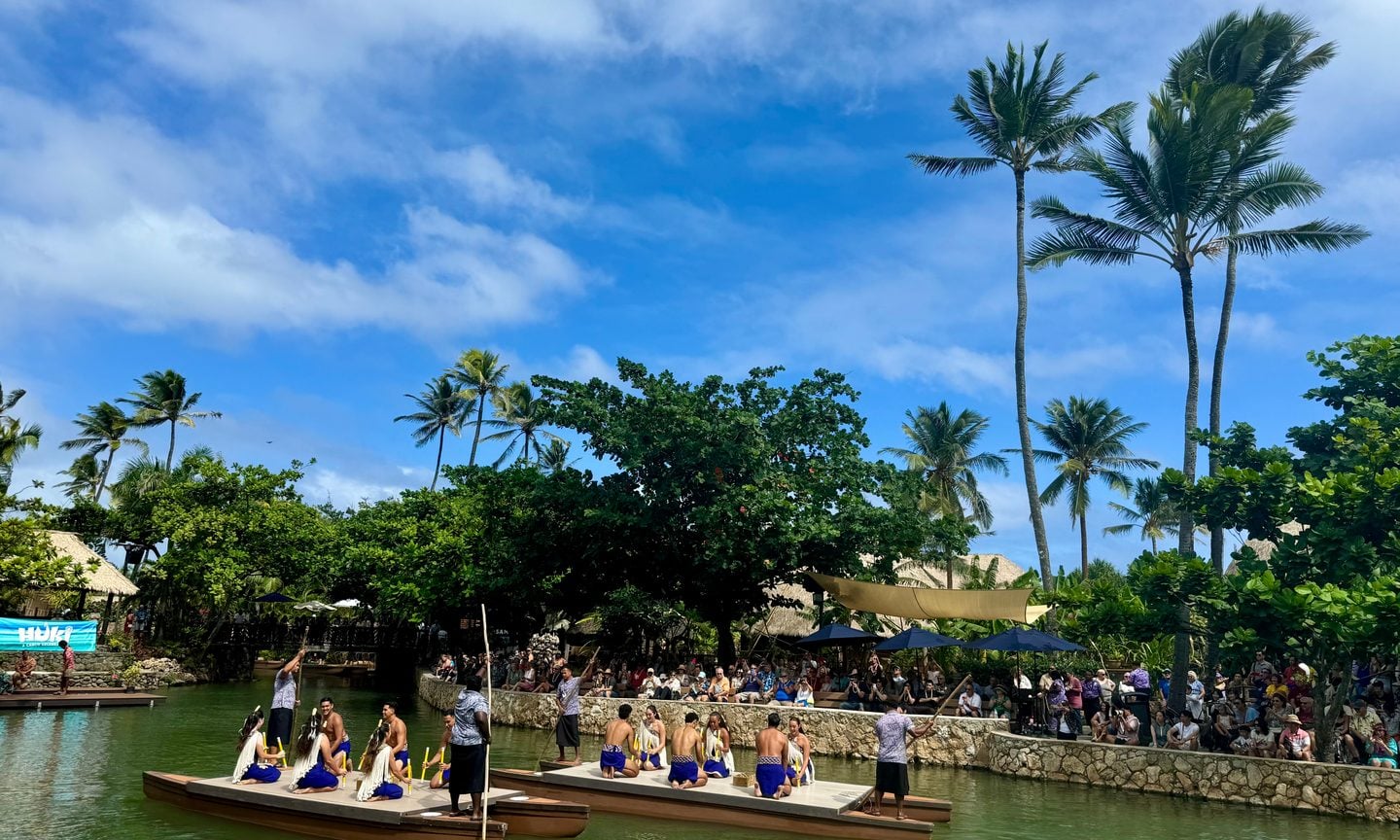
Go for the free activities
Hawaii offers countless free outdoor activities like hiking, swimming and beachcombing. Many islands have free museums and cultural centers. And depending on when you go, you may find free concerts, festivals and cultural events.
Time your visit strategically
Visit during shoulder seasons: As mentioned in our guide to the best times to visit Hawaii, the shoulder months of April, May, September and October typically offer the lowest prices on both flights and hotels.
Avoid peak holiday periods: December represents peak season demand and higher prices. If possible, avoid traveling during major holidays, school breaks, and winter months when demand drives prices up.
Hawaii's real magic doesn't live inside a velvet-roped VIP cabana or a $20 hotel cocktail. It’s in the free ocean sunsets, the public hiking trails and the warm trade winds. By choosing mid-scale point hotels, flying smart and keeping your meals casual, you can experience the best of the Aloha State without breaking the bank.
How to maximize your rewards
You want a travel credit card that prioritizes what’s important to you. Here are some of the best travel credit cards of 2026:
Flexibility, point transfers and a large bonus: Chase Sapphire Preferred® Card
No annual fee: Wells Fargo Autograph® Card
Flat-rate travel rewards: Capital One Venture Rewards Credit Card
Bonus travel rewards and high-end perks: Chase Sapphire Reserve®
Luxury perks: American Express Platinum Card®
Business travelers: Ink Business Preferred® Credit Card