




National parks are becoming more popular — and expensive — than ever. Camping has emerged as one of the fastest-growing trends, particularly among Gen Xers. And starting in 2026, nonresidents will face significantly higher entrance fees under new policies from the Department of the Interior.
So, how do you explore America’s national treasures without overspending — especially during the peak of summer demand?
We recently tackled that question on NerdWallet’s weekly travel podcast, Smart Travel, which I co-host with Meghan Coyle. Below are our best tips from the show to help you save on entrance fees, lodging, food and more during your national park adventure.
- 1. Visit on fee-free days (U.S. residents only)
- 2. Snag a free entrance pass
- 3. Opt for an annual pass (if you travel often)
- 4. Carpool to save on entrance fees
- 5. Stay inside the park during the off-season
- 6. Spend points (not money) at hotels just outside the park
- 7. Go glamping on points, too
- 8. Camp the classic way
- 9. Pack your own food
- 10. Skip pricey tours in favor of free activities
- 11. Go to national parks when the crowds don’t
- What to know about 2026 national park changes
1. Visit on fee-free days (U.S. residents only)
On select dates each year, the National Park Service waives entrance fees for U.S. residents at sites that typically charge admission, which can cost up to $35 per vehicle at the most popular parks. This fee is typically good for seven days.
Starting in 2026, these fee-free days are exclusively for U.S. residents. Nonresidents will still need to pay entrance fees on these days. But for U.S. residents, fee-free day at national parks in 2026 are:
February 16 – President's Day.
May 25 – Memorial Day.
June 14 – Flag Day/President Trump's birthday.
July 3–5 – Independence Day weekend.
August 25 – 110th Birthday of the National Park Service.
September 17 – Constitution Day.
October 27 – Theodore Roosevelt's birthday.
November 11 – Veterans Day.
By signing up, you will receive newsletters and promotional content and agree to our Terms of Use and acknowledge the data practices in our Privacy Policy. You may unsubscribe at any time.
2. Snag a free entrance pass
Beyond the official free days, there are plenty of ways to avoid paying for national park entry at all, including:
Fourth graders and their families can get a free annual pass through the Every Kid Outdoors program. Starting in 2026, these passes will be available digitally through Recreation.gov.
U.S. military members, veterans and Gold Star families are eligible for free annual or lifetime passes, now available digitally.
Visitors with permanent disabilities can qualify for a free Access Pass, which can be obtained digitally through Recreation.gov starting in 2026.
Senior citizens (defined as U.S. citizens and permanent residents ages 62 and older) can purchase deeply discounted passes at just $20 for an annual pass or $80 for a lifetime version.
Volunteers who clock 250 service hours across federal lands can earn a free annual pass too.
You can purchase passes on on Recreation.gov or on the NPS website.
By signing up, you will receive newsletters and promotional content and agree to our Terms of Use and acknowledge the data practices in our Privacy Policy. You may unsubscribe at any time.
3. Opt for an annual pass (if you travel often)
You might consider the America the Beautiful Pass, which is an annual pass that costs $80 for U.S. residents (but $250 for nonresidents starting in 2026). If you're a U.S. resident and visit three parks that charge $30 entrance fees in one year, you'd come out ahead.
4. Carpool to save on entrance fees
If you're driving in, national parks charge by car — not per person. The $35 entry fee for U.S. residents is much easier to swallow when split among five people packed into a sedan versus you driving in solo. Consider it a good incentive to carpool.
Note that nonresidents will pay significantly more starting in 2026: a $100 per person fee at 11 of the most visited parks, in addition to the standard entrance fee, unless they purchase the $250 annual pass.
5. Stay inside the park during the off-season
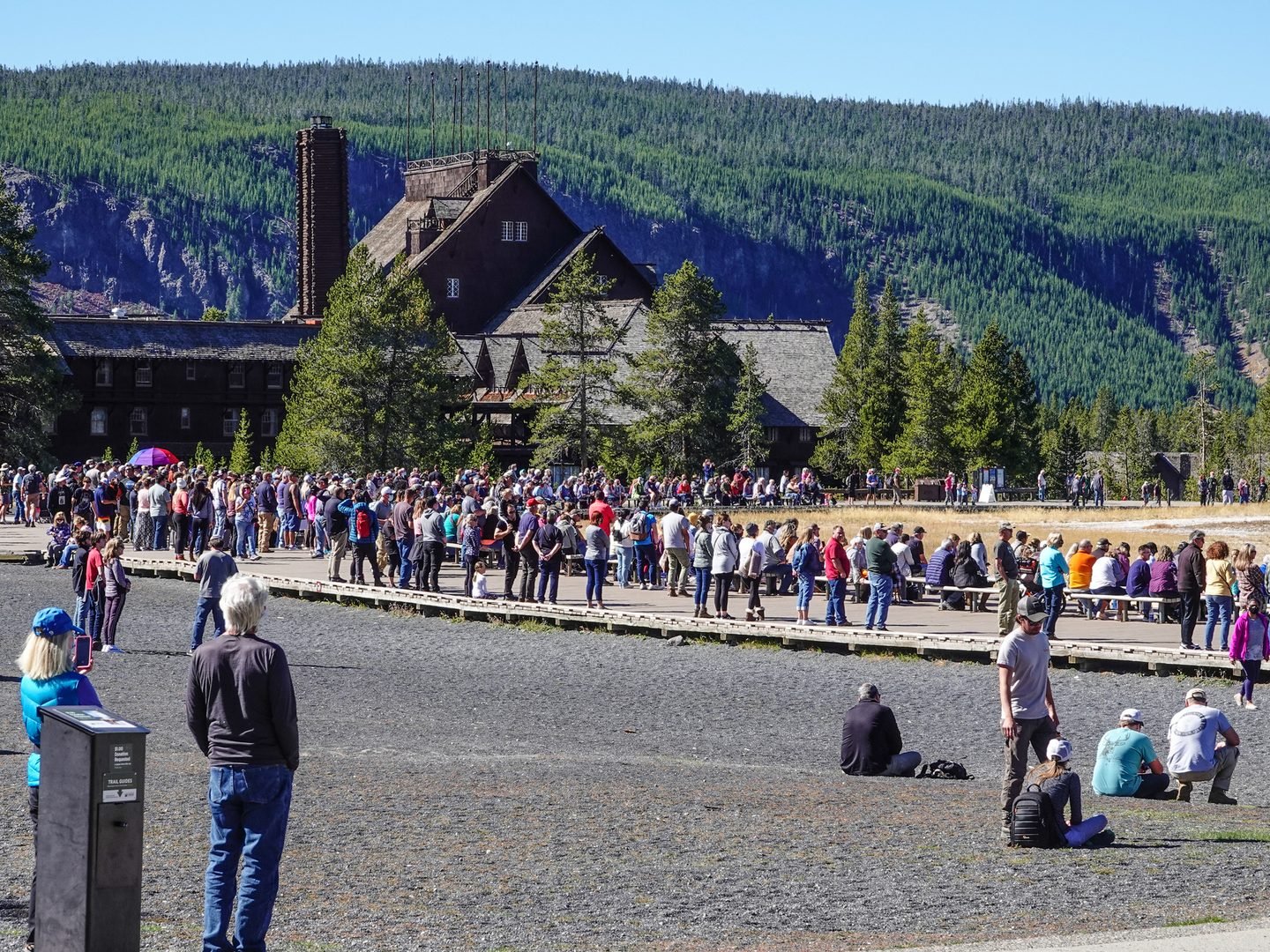
If time is money, then staying inside the park is generally your best bet. Many national parks offer lodging run by concessionaires — everything from rustic cabins to grand, historic lodges. Some of the most famous hotels inside national parks include Yellowstone National Park’s Old Faithful Inn, Glacier National Park’s Many Glacier Hotel and The Inn at Death Valley.
Stay in these types of hotels for a quick access to trailheads for sunrise hikes, and the ability to bask in the quiet that settles in after the day-trippers leave.
Prices at these hotels vary widely by season and often book up quickly. For example, at Old Faithful Inn, nightly room rates for the most basic rooms tend to sit below $300 in May, but can run higher than $500 in June and July.
One big drawback to note: Dining options can be limited inside the park.
6. Spend points (not money) at hotels just outside the park
Gateway towns just outside park boundaries tend to have big-name hotels that you can book on points earned through credit cards or hotel loyalty programs. For visiting eastern Utah national parks on points, Hyatt Place Moab is a good home base for exploring Arches and Canyonlands National Parks. During peak season, rooms start at 23,000 World of Hyatt points per night. Hyatt is one of the best Chase Ultimate Rewards® transfer partners.
For exploring Zion National Park, hotels for points and miles enthusiasts in Springdale, Utah, include the Cliffrose Springdale, Curio Collection by Hilton. It sits on the edge of the Virgin River just five minutes from Zion Canyon — and there’s a free local shuttle.
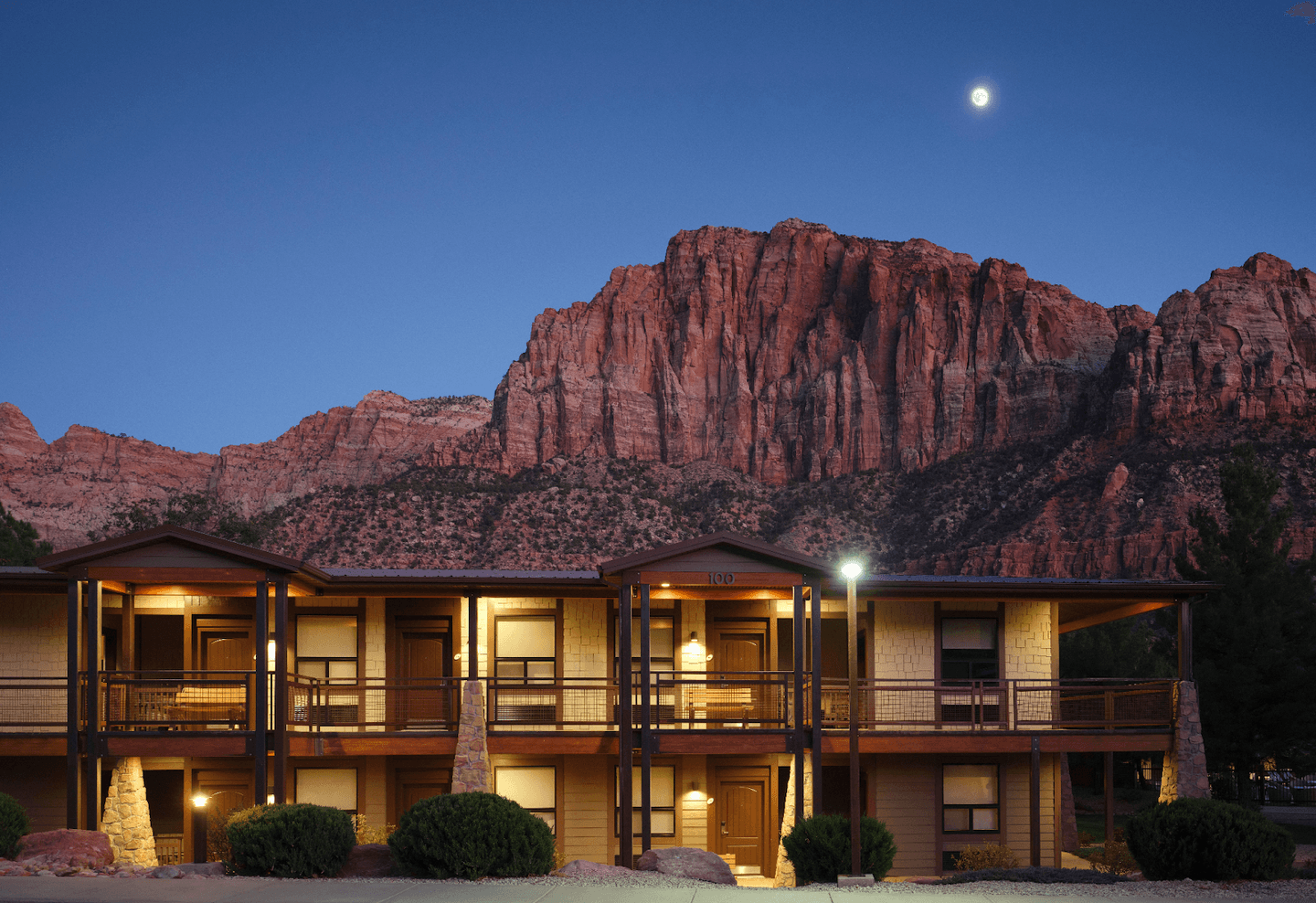
And Marriott loyalists have a new option, the Red Cliffs Lodge Zion, A Tribute Portfolio Hotel, which opened in 2024. The property is located less than a mile from the park’s entrance. Many rooms have canyon views, and you can even take in the scenery by way of one of the outdoor firepits or poolside cabanas.
Both Hilton Honors and Marriott are American Express transfer partners, and holding certain AmEx cards can give you more perks at these properties. For example, the American Express Platinum Card® offers both complimentary Hilton Honors™ Gold Status and Marriott Bonvoy Gold elite status as a cardmember benefit. Enrollment required. Terms apply.
The biggest drawback of going this route is that many require a much longer drive. For example, the Old Faithful Inn puts you steps away from the iconic geyser. Meanwhile, the closest IHG property is the Holiday Inn West Yellowstone, which is still a roughly 45-minute drive to Old Faithful.
7. Go glamping on points, too

For fresh air, scenic views and the luxury of a real mattress, glamping is becoming an increasingly popular vacation option. These Instagram-worthy, upscale camping setups — think safari-style tents with wood floors and en-suite bathrooms — have popped up near parks like Zion, Grand Canyon and Glacier.
Situated in scenic areas typically near park entrances, these properties tend to provide a greater connection to nature than a typical hotel. For example, Under Canvas has five camps across Utah and Arizona that are DarkSky-certified resorts, which means they contribute less to light pollution. That’s better for both the environment and for your ability to stargaze.
They also tend to be expensive, but it's possible to book them without cash. You can earn and redeem World of Hyatt points for stays at Under Canvas.
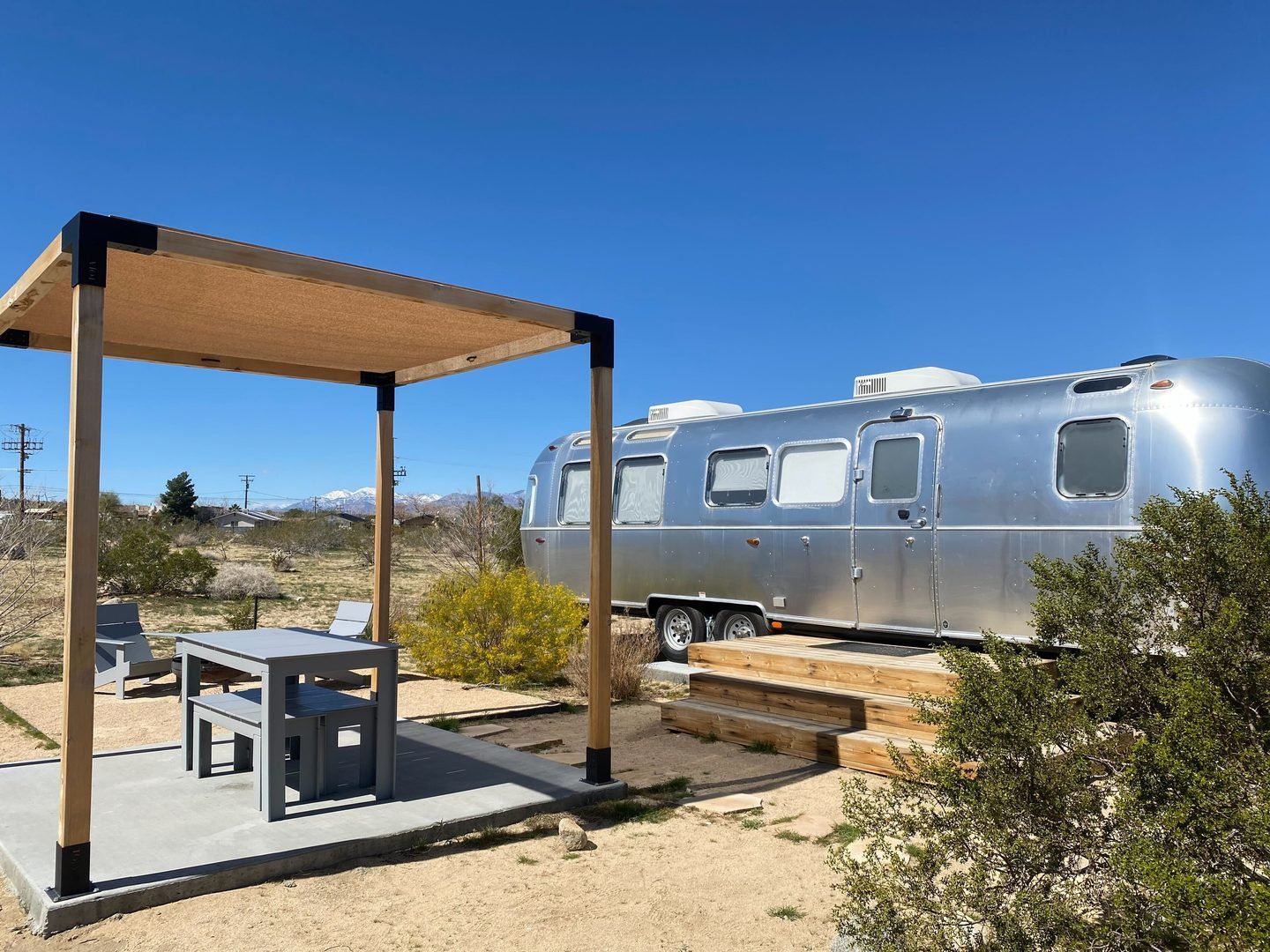
AutoCamp, another outdoor lodging brand that houses guests in decked out cabins, luxury tents and Airstreams — those iconic aluminum-plated RVs — also partners with Hilton, making AutoCamp stays bookable on Hilton. Hilton Honors members with elite status can also flex their benefits at AutoCamp locations, which offer perks like a free s’mores kit with Hilton Diamond status.
8. Camp the classic way
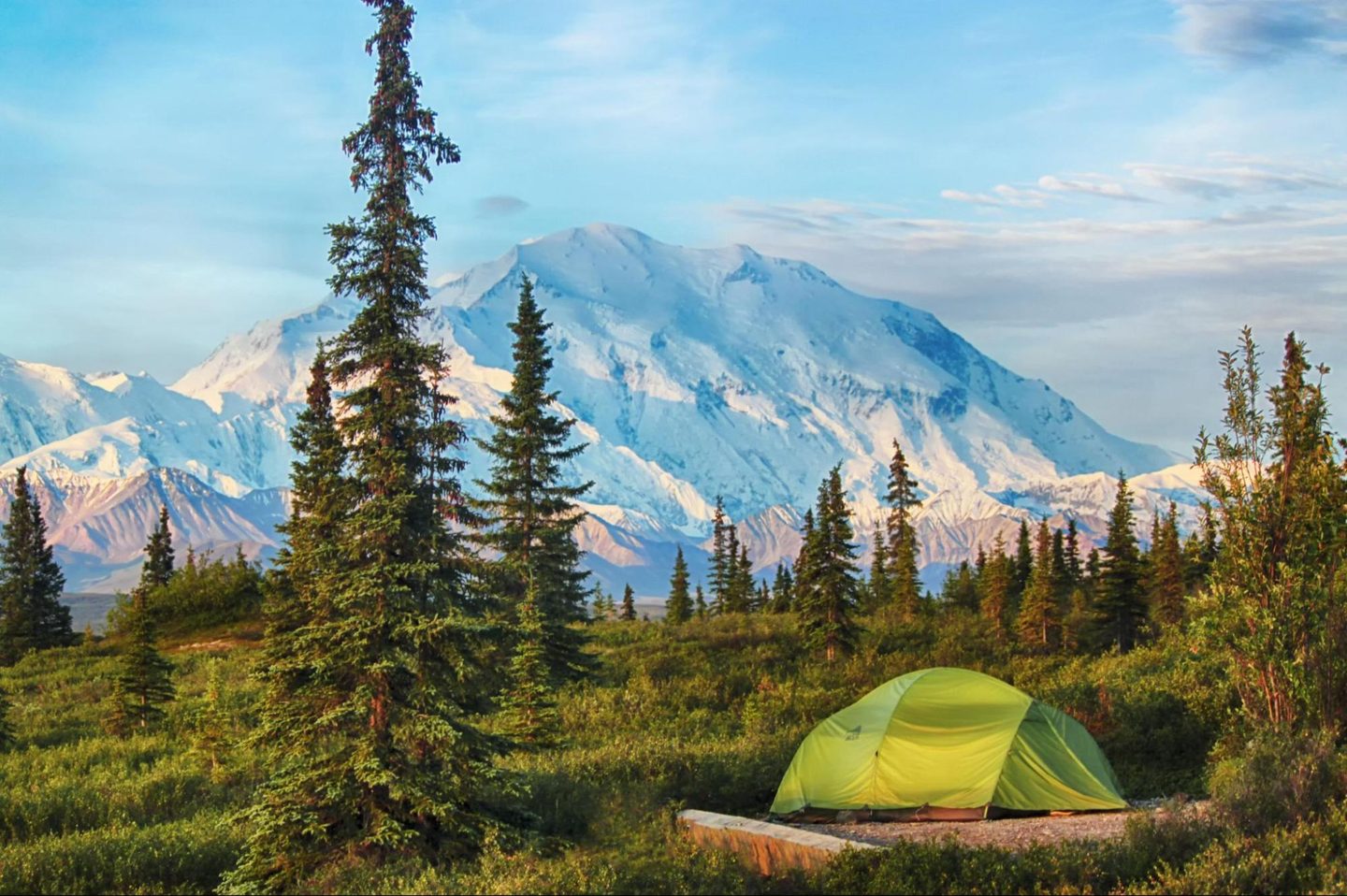
For nature lovers or budget travelers, there’s always good, old-fashioned camping. Whether you’re in a tent, trailer or fully-kitted RV, staying at a park campground puts you in the heart of nature. Most campgrounds are run by the National Park Service and can be reserved through Recreation.gov.
Just like the prices of pretty much everything else, campground fees are rising. For example, standard tent and RV fees at Mather, Desert View and North Rim Campgrounds in Grand Canyon National Park had been just $18 per night. But in spring 2025, they increased to $30 per night.
Still, this tends to be the cheapest way to stay in or near the park. Plus, you’ll have the closest proximity to trails and wildlife.
Just note that sites book up fast, so plan ahead. Also keep in mind that there are minimal amenities. Some campgrounds have showers, but not all. And of course, you’ll need to do your own prep and bring your own gear.
9. Pack your own food
National park gift shops and cafes frequently come with theme park-style markups. For example, you might pay $7.50 for a bowl of cut fruit at the Grand Canyon’s Maswik Lodge.
Trim your food costs by booking a hotel with a kitchenette and prepping your own fruit bowls — and other snacks — for the road. You can also load up on deli meat at the market to put together sandwiches for your day in the parks. It’s cheaper than buying sandwiches at the official concession stands.
10. Skip pricey tours in favor of free activities
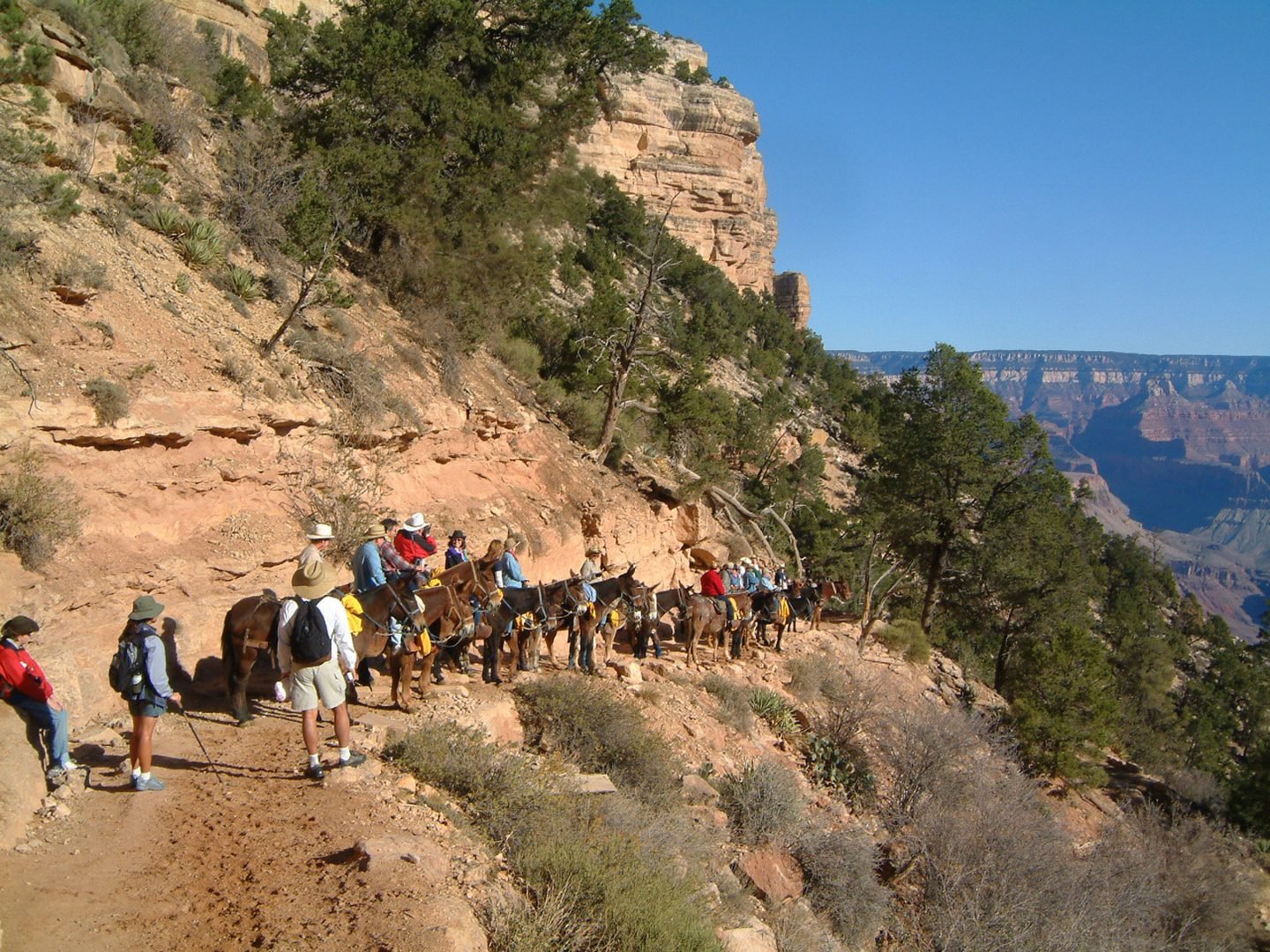
There’s no shortage of guided tours through national parks. But unless you need specialized equipment for something like a rafting tour or a mule trail ride, you can often fill your day with free activities.
Check to see if the park you're visiting offers free ranger talks, guided walks or junior ranger programs for kids. Visitor center exhibits and scenic drives cost nothing beyond your entry fee.
If you want expert guidance without the price tag of a human guide, consider picking up a guidebook. NerdWallet recommends the National Geographic Ultimate Guide to the National Parks ($30). The paperback covers all 63 U.S. national parks and includes park ranger recommendations for off-the-beaten-path sites, curated hiking trail picks, scenic drives, wildlife spotting tips, and maps of every park — plus a pull-out wall map to track your progress.
11. Go to national parks when the crowds don’t
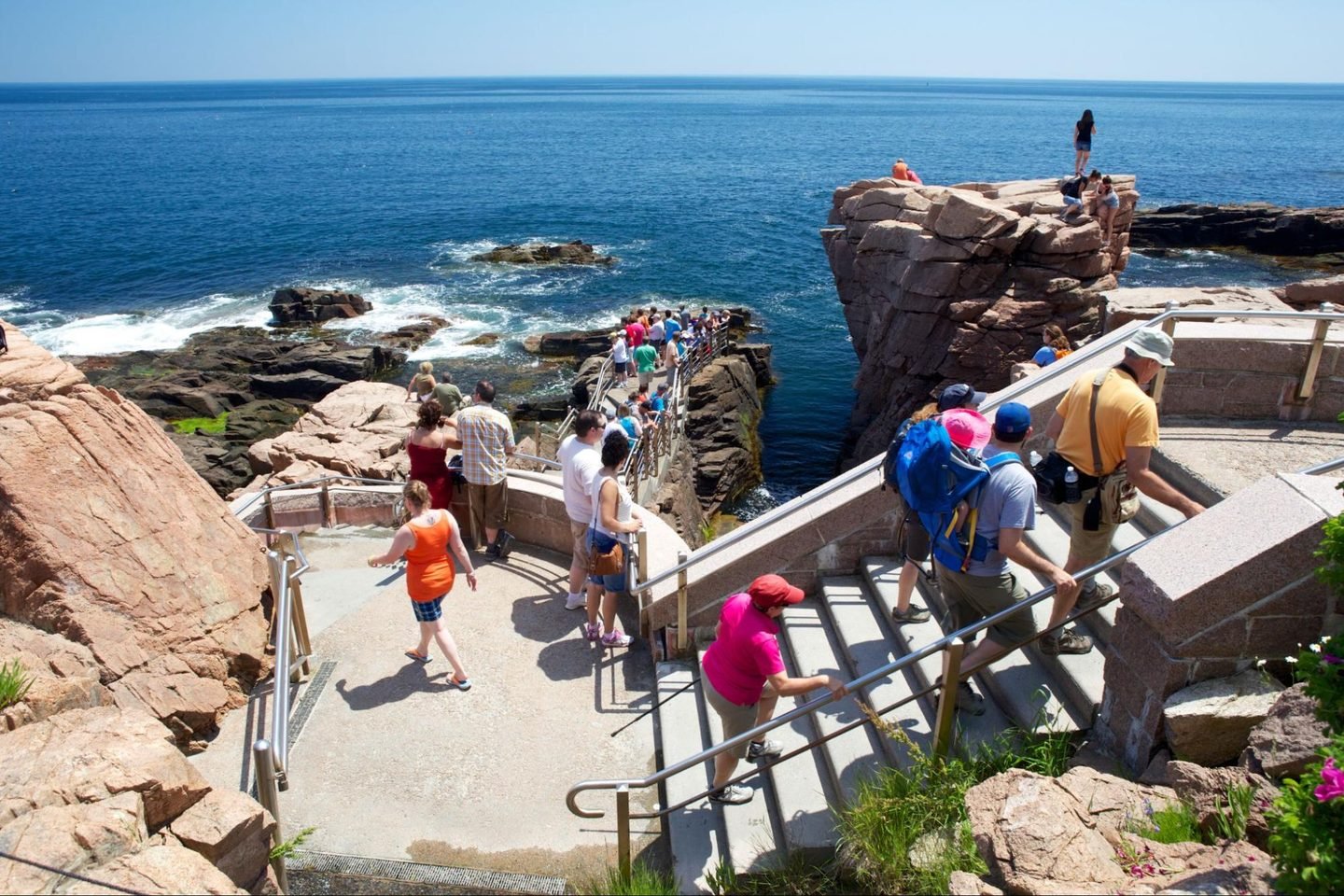
Hotels near national parks charge the highest rates during peak season when crowds are largest. If you visit during a less-crowded time, it could be much easier to lock in a lower rate.
Crowds vary by specific park, but June and July are typically the two busiest months. High crowds tend to result in higher prices for lodging, rental cars and tours. There are only a few exceptions to that rule, such as Death Valley National Park, which has its smallest crowds in June given the intense heat.
Generally speaking, aim for shoulder seasons like early spring or late fall to enjoy both good weather (many parks close in part or in full during snow) and lower prices.
What to know about 2026 national park changes
Starting Jan. 1, 2026, the National Park Service is implementing significant changes that will affect how much you pay to visit:
Digital passes: All America the Beautiful passes will be available digitally through Recreation.gov. You can purchase and use your pass instantly and store it on your mobile device.
America-first pricing: U.S. residents will continue to pay $80 for an Annual Pass, but nonresidents will now pay $250. Additionally, nonresidents without an annual pass will pay a $100 per person fee at 11 of the most visited national parks, on top of the standard entrance fee.
Expanded motorcycle access: All America the Beautiful passes will now cover two motorcycles per pass, making national park adventures more accessible for motorcycle riders and their families.
How to maximize your rewards
You want a travel credit card that prioritizes what’s important to you. Here are some of the best travel credit cards of 2026:
Flexibility, point transfers and a large bonus: Chase Sapphire Preferred® Card
No annual fee: Wells Fargo Autograph® Card
Flat-rate travel rewards: Capital One Venture Rewards Credit Card
Bonus travel rewards and high-end perks: Chase Sapphire Reserve®
Luxury perks: American Express Platinum Card®
Business travelers: Ink Business Preferred® Credit Card