




Long-running tensions between President Donald Trump and Federal Reserve Chair Jerome Powell have escalated.
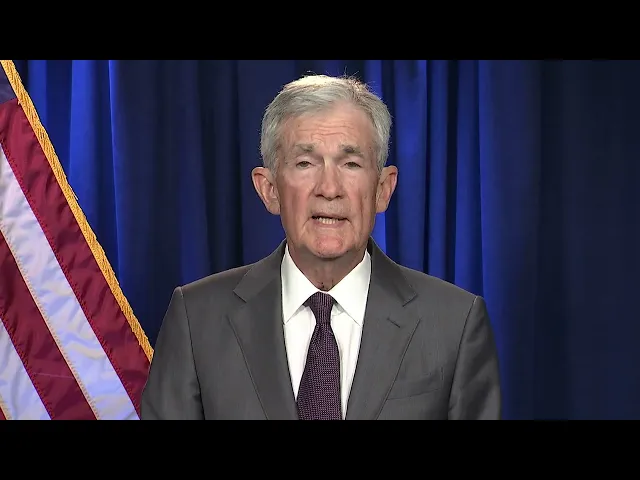
On Jan. 9, the Justice Department served the Federal Reserve with grand jury subpoenas. On Jan. 11, Powell released a video statement saying that the Justice Department threatened him with a criminal indictment tied to his congressional testimony on the ongoing multibillion dollar renovation of the Fed’s headquarters.
Monetary policy and presidential pressure collide
Since returning to office nearly one year ago, Trump has publicly pressured the Fed to make significant rate cuts. In 2025, the Fed cut rates at its last three meetings of the year for a total reduction of 75 basis points. Rates now sit at 3.50% to 3.75%, down from a recent high of 5.25 to 5.5% set in July 2023 and in place until August 2024.
Trump, who appointed Powell, has also pressured him to step down if rates are not cut more aggressively. But Powell has been firm time and again that he will continue to serve in his current role until his term ends in May 2026, and he may also remain on the Board of Governors until 2028. Trump has not announced his nominee to replace Powell.
Throughout last year, Powell, who was appointed by Trump, has made several statements referencing the independence of the Fed from the federal government without directly addressing the president’s criticism.
But in the video, Powell made his point clearer, saying the threat goes well beyond the renovation. “The threat of criminal charges is a consequence of the Federal Reserve setting interest rates based on our best assessment of what will serve the public, rather than following the preferences of the President,” he said. “This is about whether the Fed will be able to continue to set interest rates based on evidence and economic conditions — or whether instead monetary policy will be directed by political pressure or intimidation.”

When asked in an NBC News interview on Jan. 11, Trump denied his involvement with the DOJ’s subpoenas, while continuing to criticize Powell. “I don’t know anything about it, but he’s certainly not very good at the Fed, and he’s not very good at building buildings,” Trump said.
Attacks on the Fed’s independence raise alarms
The DOJ’s action was criticized by members of Congress on both sides of the aisle, the most vocal being Sen. Thom Tillis (R-NC) who issued a statement addressing the move on Jan. 11. “If there were any remaining doubt whether advisers within the Trump Administration are actively pushing to end the independence of the Federal Reserve, there should now be none,” Tillis said. “It is now the independence and credibility of the Department of Justice that are in question.”
The latter sentiment was echoed by Elizabeth Renter, senior economist at NerdWallet who pointed out that central banks that succumb to political influence tend to be ineffective in making decisions that promote economic stability.
“When politicians have greater influence over interest rates, for example, they’re historically biased to opt for faster and faster economic growth — which spins up higher and higher inflation,” Renter says. “An independent central bank is the rational parent in the room that chooses actions based on what’s good for our long term economic health.”
On Monday, a bipartisan group of former treasury secretaries and other economic officials — including every former chair of the Federal Reserve — issued a statement against the DOJ’s criminal inquiry. The statement said, “This is how monetary policy is made in emerging markets with weak institutions, with highly negative consequences for inflation and the functioning of their economies more broadly. It has no place in the United States whose greatest strength is the rule of law, which is at the foundation of our economic success.”
Fed must weigh rate cuts against inflation risks
Lower interest rates can spur growth, but risk overheating the economy — which can lead to higher inflation. With current inflation rates still above the Fed’s preferred rate of 2.0% (it was 2.7% in November, with December data due this week) the Fed has moved cautiously in lowering rates to prop up a stagnant job market — more cautiously than Trump has called for.
The Fed rate, formally known as the federal funds rate, is the interest rate that U.S. banks pay one another to borrow or loan money overnight. It also affects interest rates on everyday consumer products, such as credit cards or mortgages.
(Photo by Chip Somodevilla/Getty Images News via Getty Images)