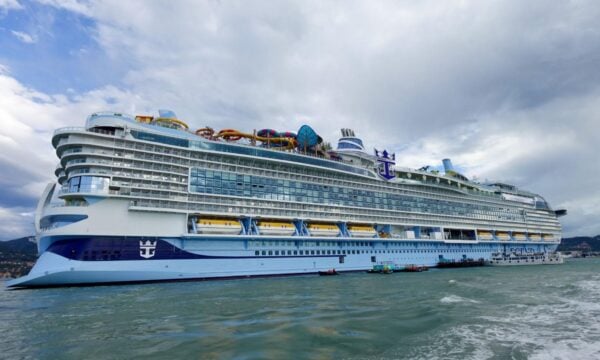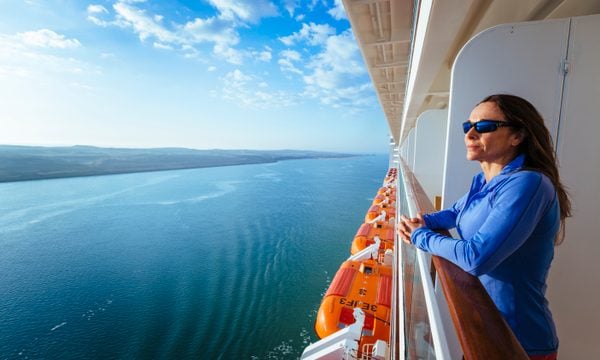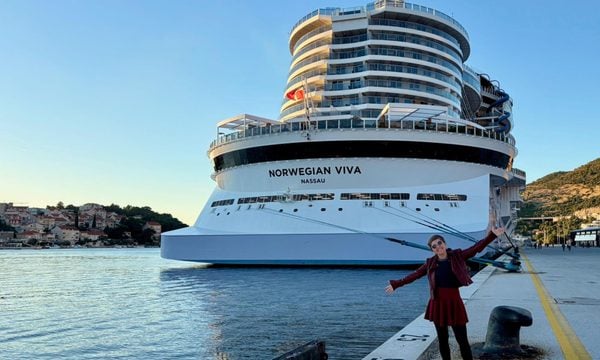

The Norwegian Viva, which offers cruises in the Mediterranean and Caribbean, features a three-level racetrack, where guests pilot electric go-karts around tight turns while enjoying open-ocean views. But the ship isn't just about thrills.
It also offers live entertainment, stylish outdoor areas and excellent dining options — like the Indulge Food Hall, which serves seven different cuisines. Compared with other Norwegian ships, the Viva, which debuted in 2023, feels more boutique and design-forward.
At nearly 1,000 feet long, it accommodates around 3,200 guests. It’s large enough to offer robust amenities and entertainment, but not so massive that it feels like a floating shopping mall.
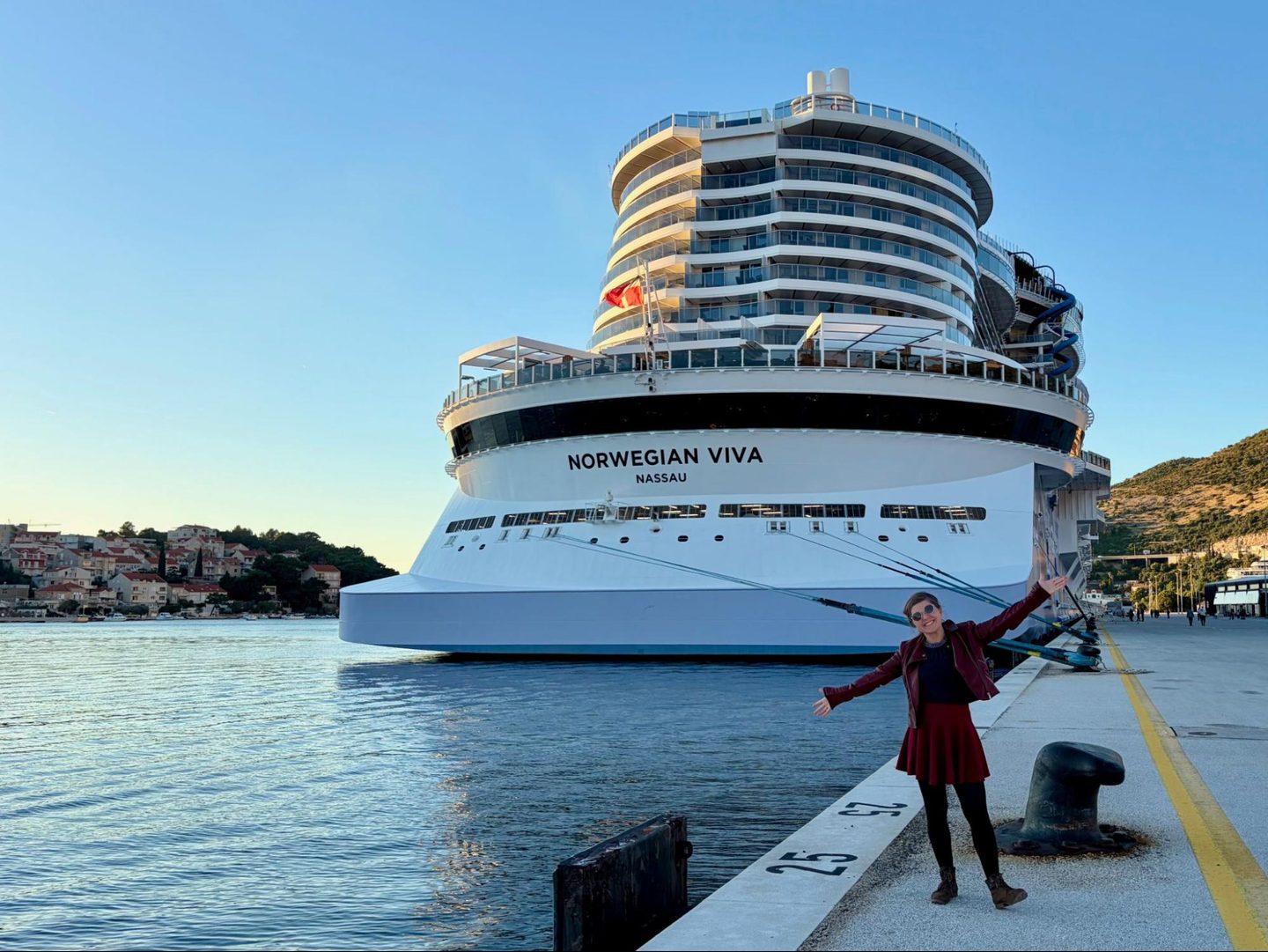
Norwegian Cruise Line invited me to sail a 10-day Mediterranean itinerary aboard the Viva in November 2025. Although the cost of the sailing was covered, the opinions here are my own.
After 10 days of stops across Greece, Italy, Croatia and Montenegro, I left impressed with how well the Viva functions as a floating hotel — offering plenty to do on sea days without overwhelming you with attractions you’ll never use.
First impressions: Racetrack is the star
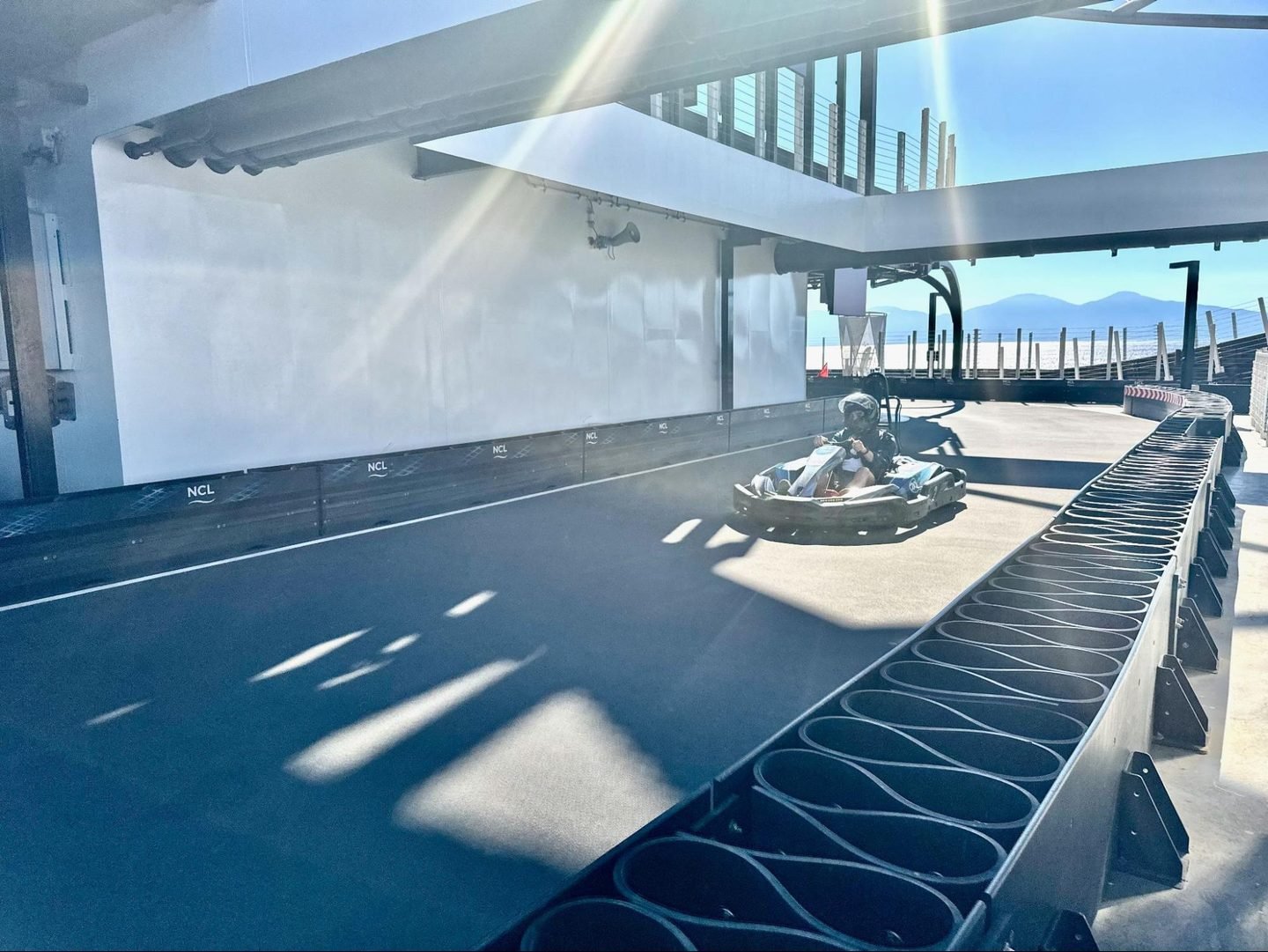
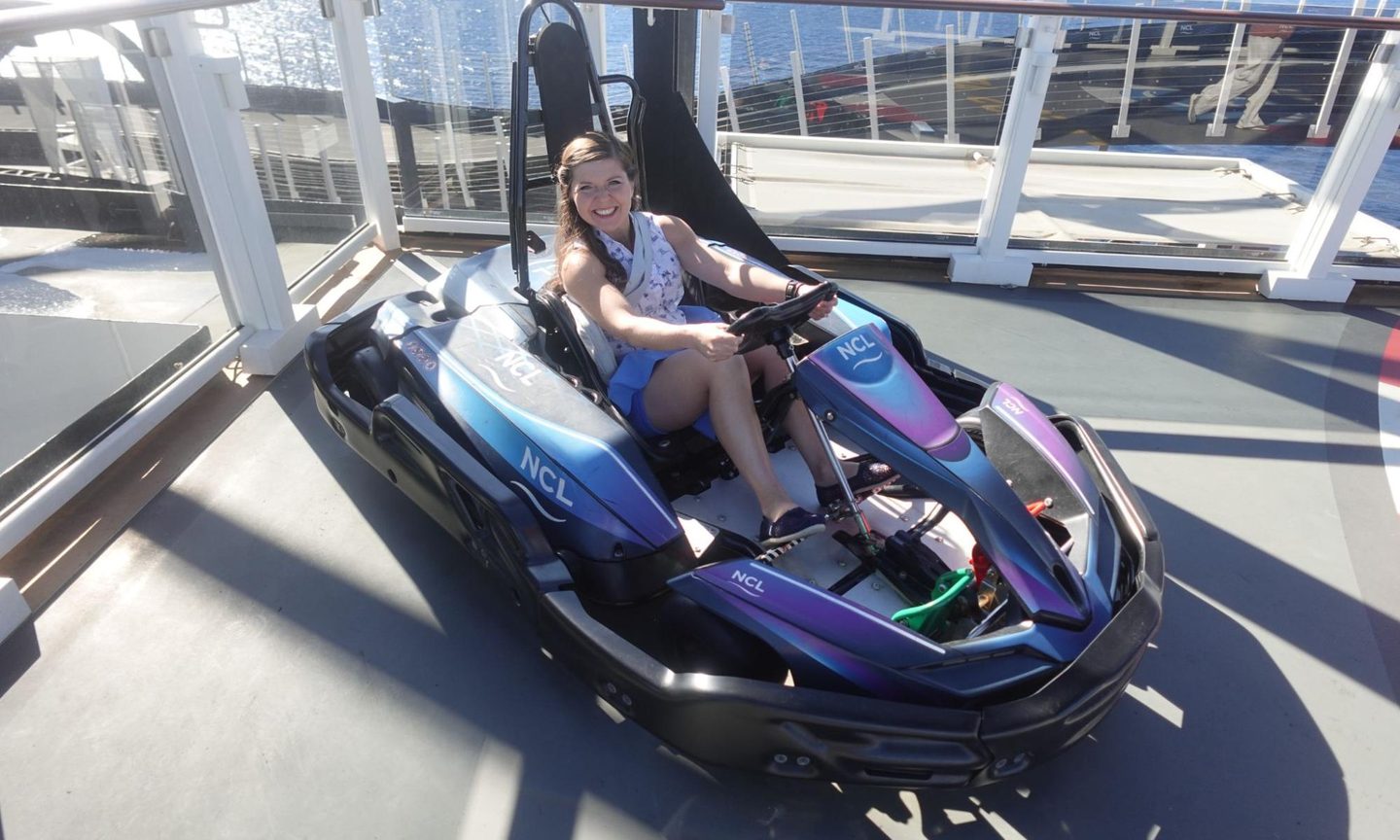
The Viva’s signature racetrack attraction had a $15 per-ride upcharge, and I went three times. It felt like a deal compared to my local go-kart track, which charges $30 per session.
Driving a go-kart while sailing past Mediterranean landscapes feels like a video game come to life. It was too chilly for the pool, so having a dry-land thrill option was ideal.
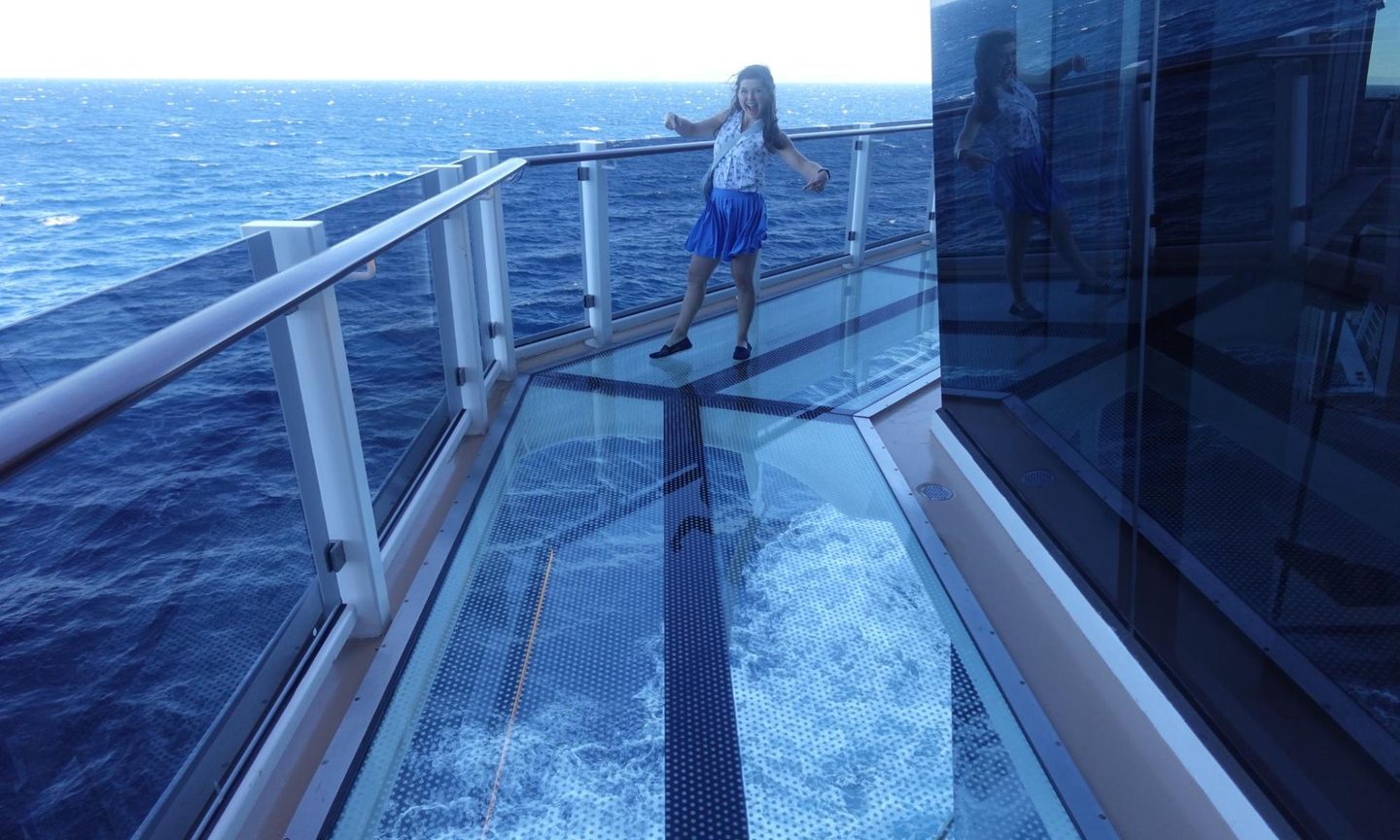
Beyond the racetrack, the ship features Ocean Boulevard, an outdoor promenade wrapping around the vessel with design elements like a clear walkway over the water. Infinity pools and hot tubs line the decks, though the number of hot tubs often fell short of demand.
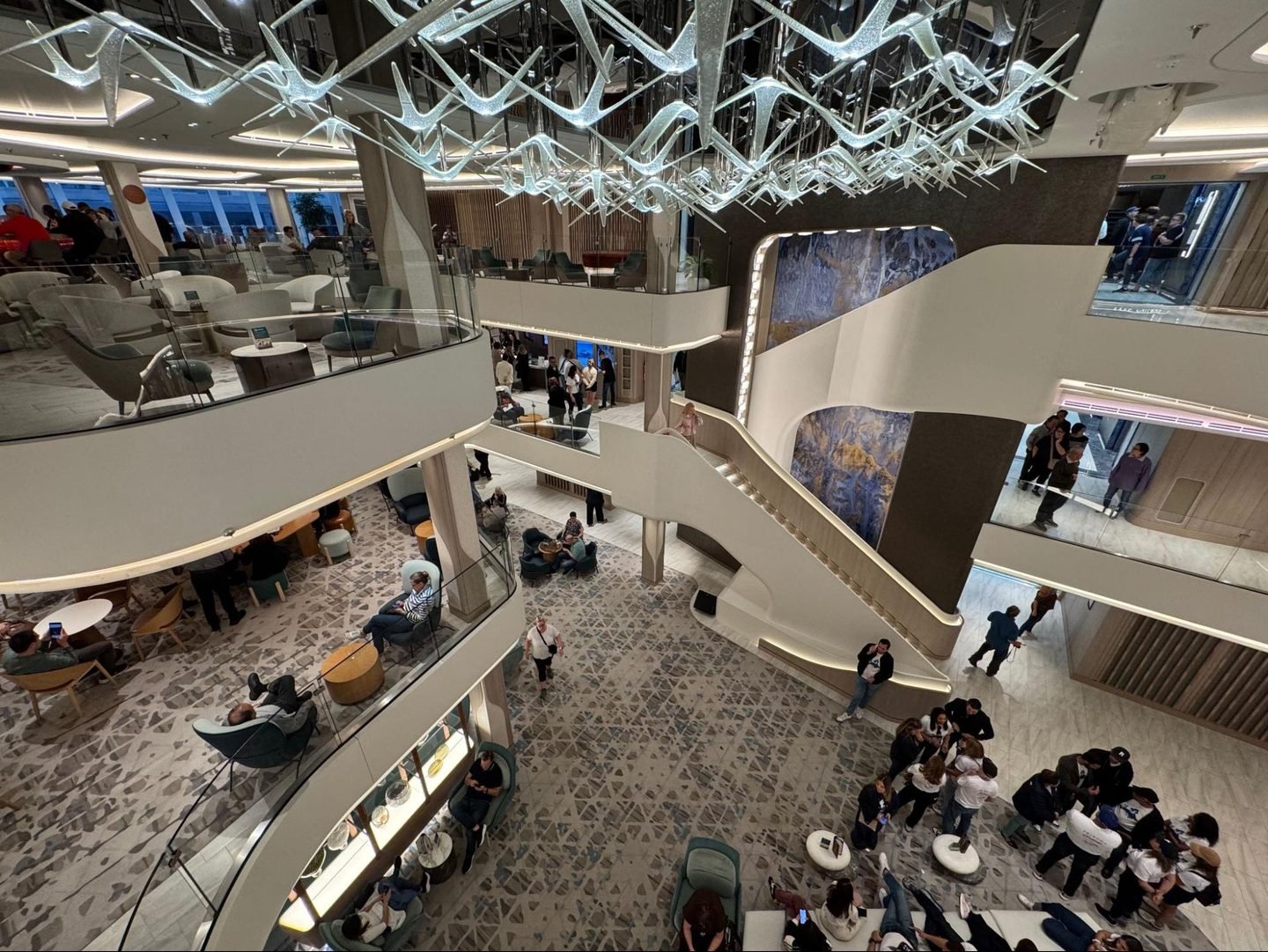
Inside, the multistory atrium hosts bars, musicians and trivia throughout the day.
By signing up, you will receive newsletters and promotional content and agree to our Terms of Use and acknowledge the data practices in our Privacy Policy. You may unsubscribe at any time.
Cabins: Thoughtfully designed spaces
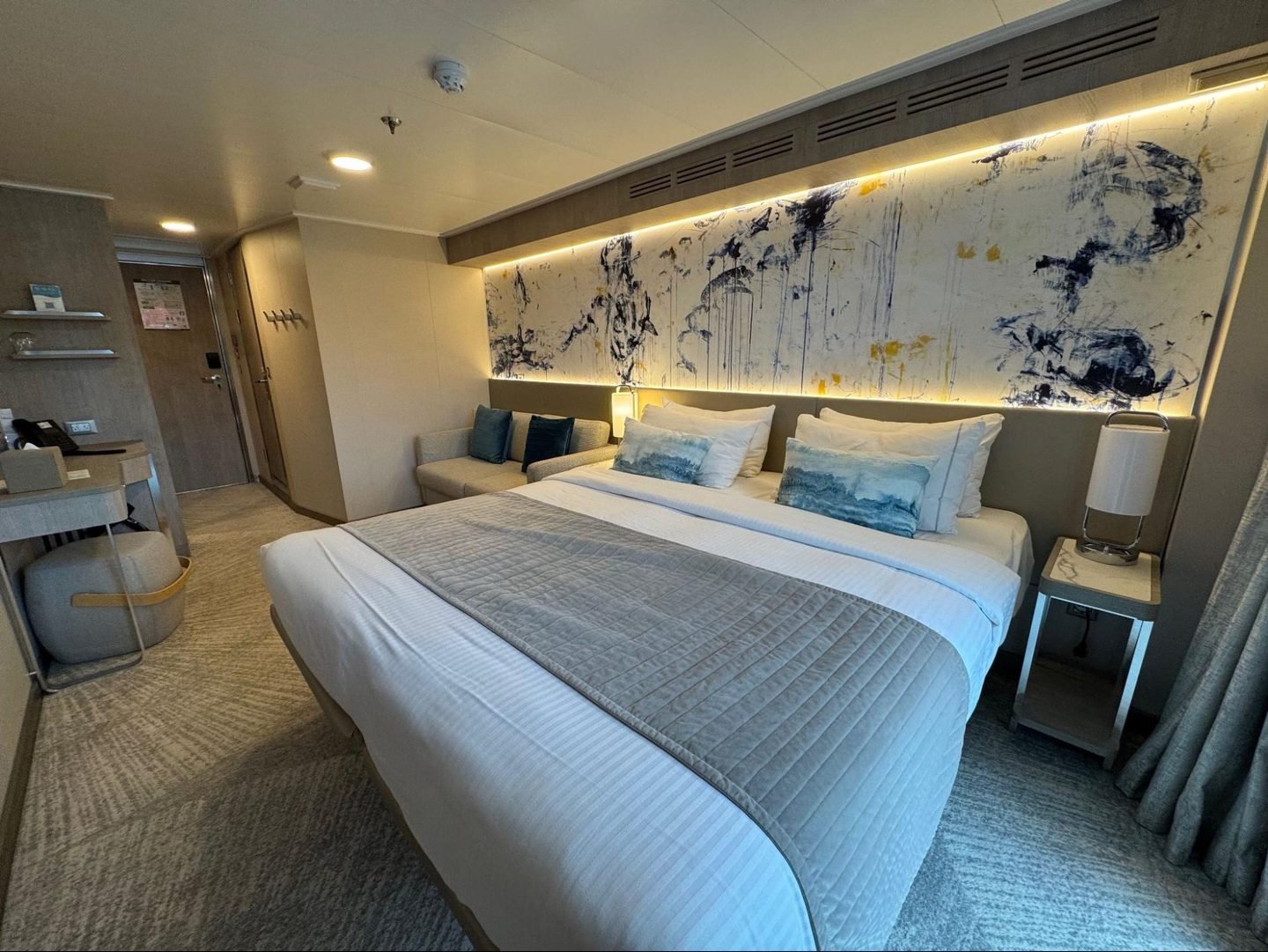
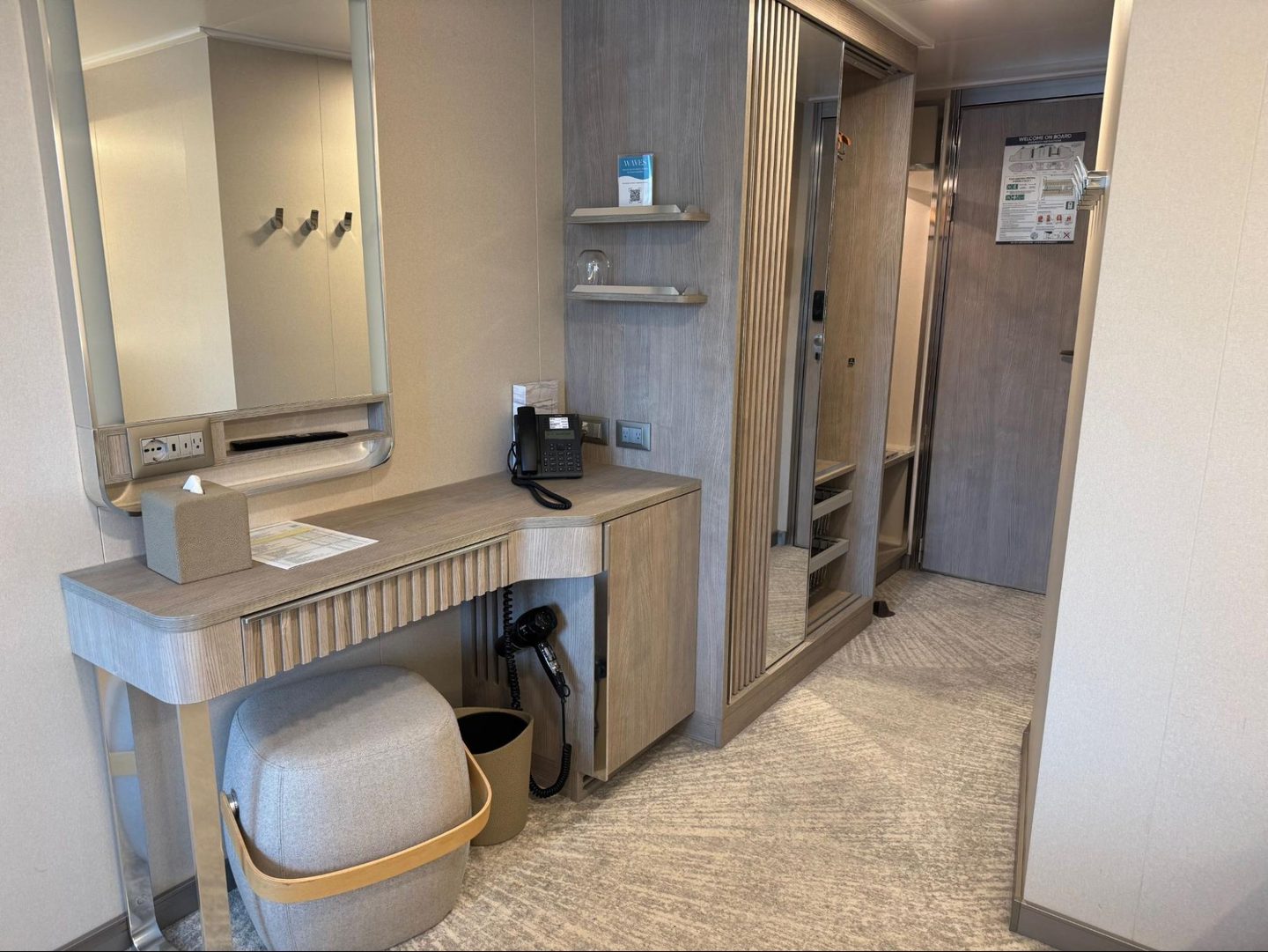
The cabins were compact, but well-designed, with smart design choices to maximize storage. I stayed in a balcony stateroom that felt surprisingly spacious for a cruise cabin. Rolling suitcases fit neatly under the bed, and there were ample shelves and drawers. The closet’s two-section layout meant my husband and I could each claim our own space.
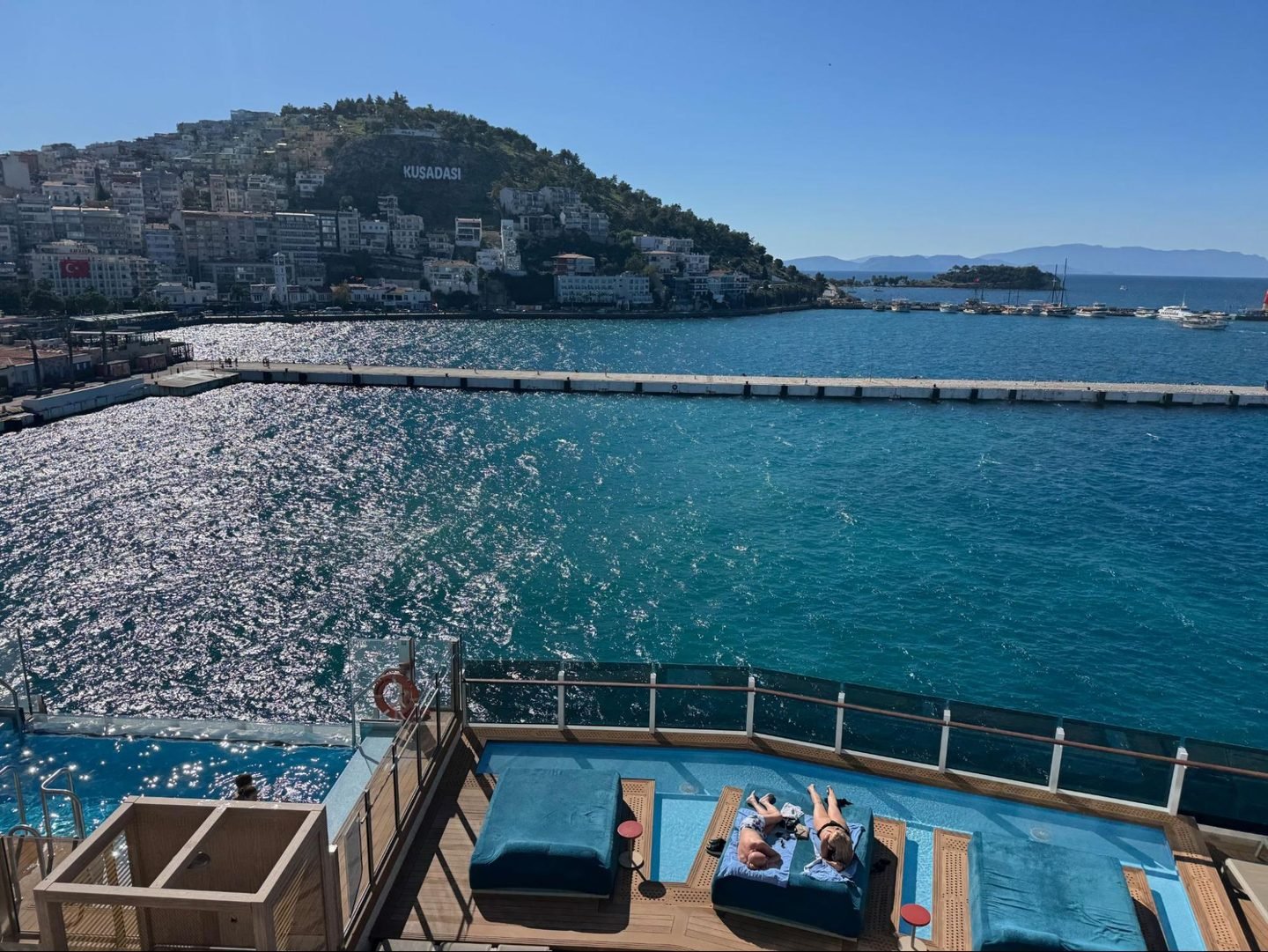
My room had a private balcony overlooking another public deck and its pools.
For the itinerary I booked, balcony rooms started at $4,000 per person when booked about four months in advance — but prices can vary widely throughout the year, and the cruise line regularly offers sales. Booking a cruise during sales or at the last-minute can get you huge discounts.
The cheapest NCL rooms you can book
If I were sailing on a tight budget, I’d book an interior room. While it was nice to step out on my balcony and check the weather every day, I found that the layout and storage of the interior rooms were almost identical to mine. Getting a room without a balcony or window typically results in savings of about 40% or more. These rooms start at between $2,000 and $3,000 for a couple on a 10-day Mediterranean sailing.
I spent so little time in my cabin that the savings would have been worth it.
Excursions in the Mediterranean
I chose this itinerary because I wanted to experience as many destinations as possible without the logistical hassle. I've traveled to Europe dozens of times, but this was my first time experiencing it via cruise.
For coastal regions like the Mediterranean, cruising is ideal. In Santorini, I hiked 20 miles from Fira to Oia in a day. I was so exhausted that I fell asleep as soon as I returned to my room — and I woke up in Mykonos the next day for yet another day of exploring.
I don't mind exploring on my own. In fact, I often prefer it; it's tough to convince a group to hike 20 miles with you. So I only opted for NCL's excursions on a couple of stops: Zadar, Croatia and Corfu, Greece.

I'd been to Zadar and the surrounding area before, but I never got a chance to see its famous Cerovac Caves. Because it would take more than an hour to get there by car (and I didn't want to risk not finding a taxi back), I booked this excursion through NCL. In Corfu, it was a similar story. I wanted to see Paleokastritsa (famous for its bright blue waters), but it would take 30 minutes by car or more than an hour by bus to get there.
Though a taxi likely would have been cheaper — both NCL excursions cost more than $100 — booking through NCL was logistically easier, as there's a guaranteed bus waiting for you at a specific start time. NCL also guarantees they'll get you back to the ship on time. For those two destinations, the peace of mind was worth it.
Dining on the Viva
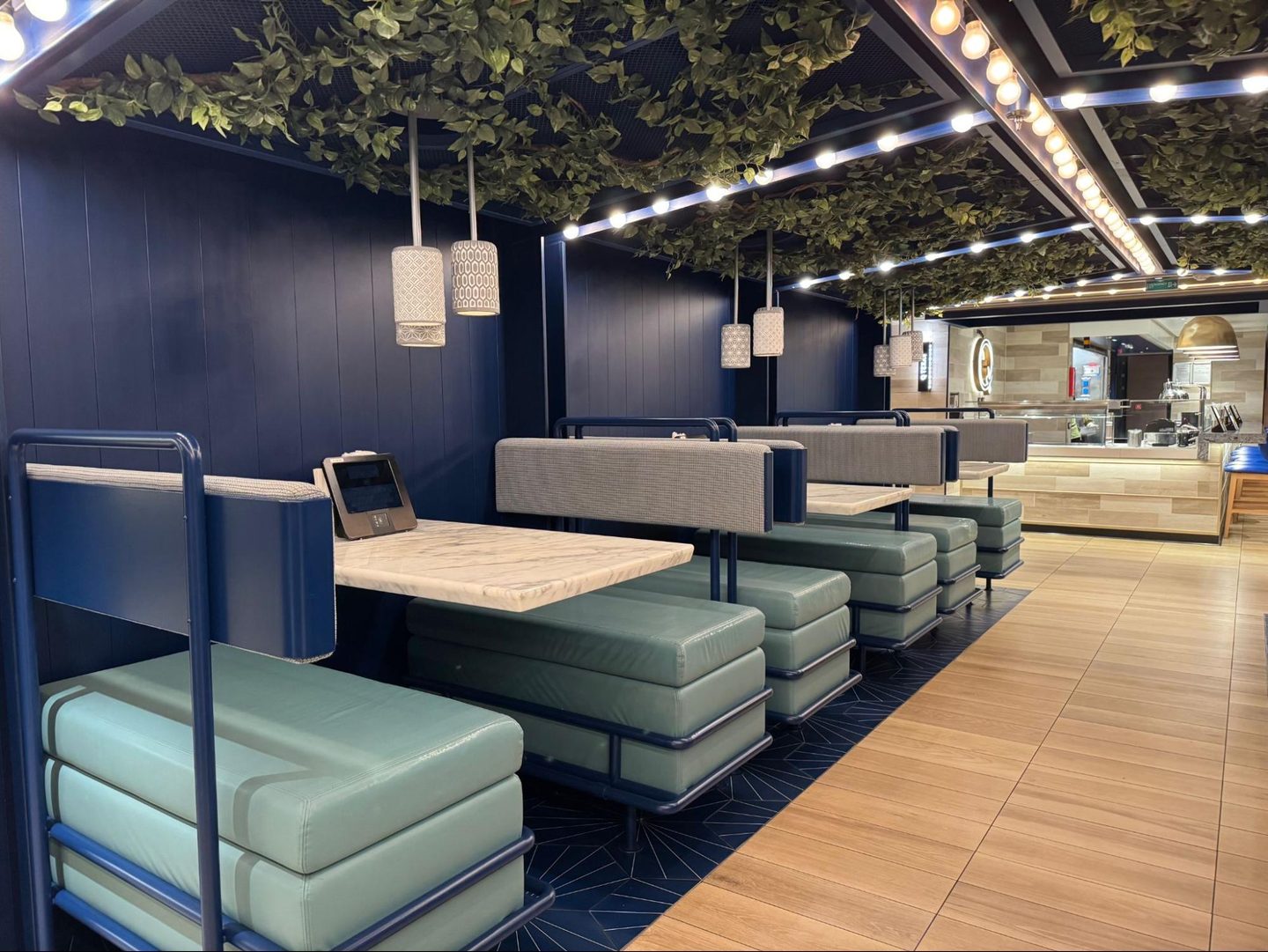
With more than a dozen dining venues, the Viva offers variety. I most often found myself at Indulge Food Hall, which provided the largest selection and most consistently high-quality food among the included options.
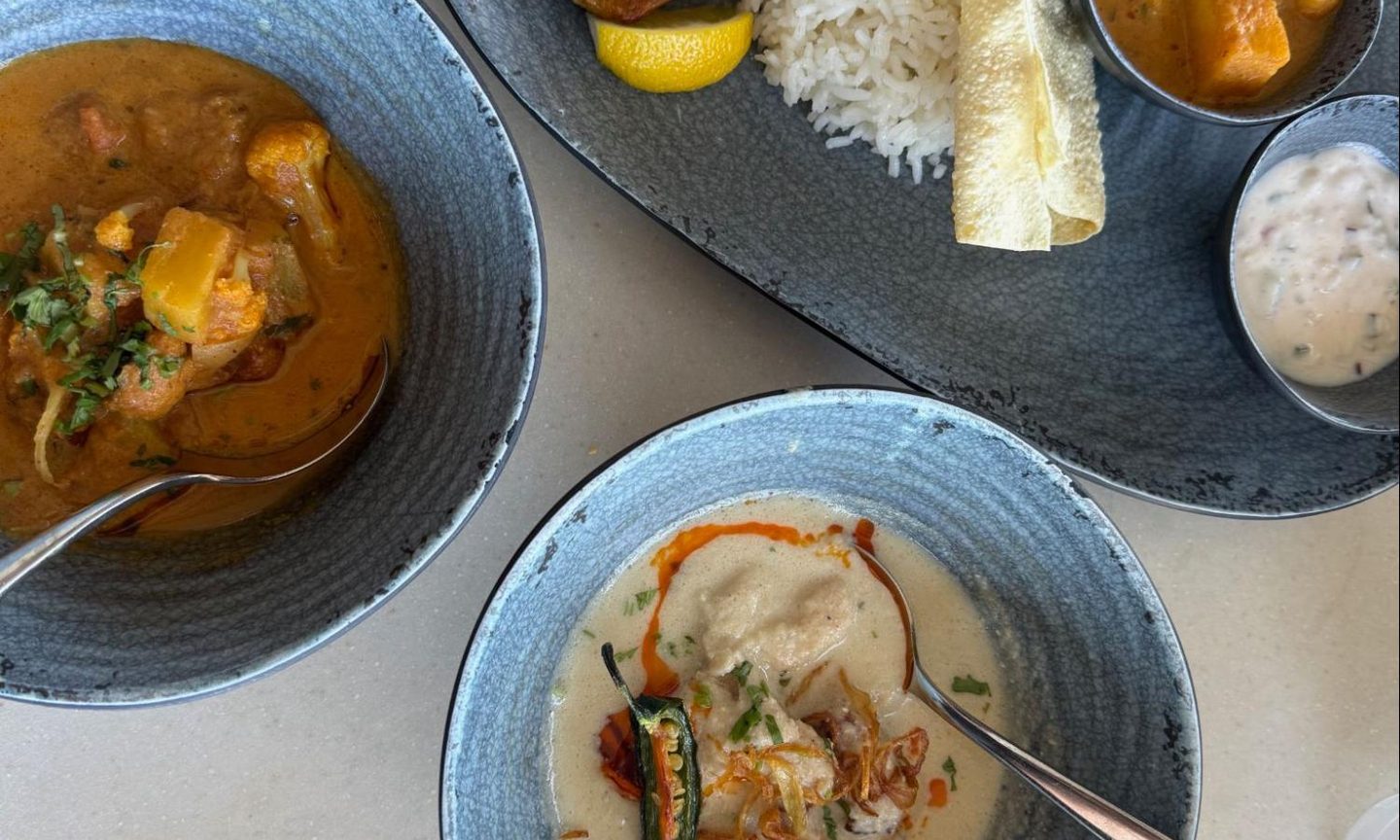
Using the tablet system, you can order small plates from any of the seven different cuisines — including barbecue, Indian, and plant-based options — and everything arrives directly to your table.
The main buffet
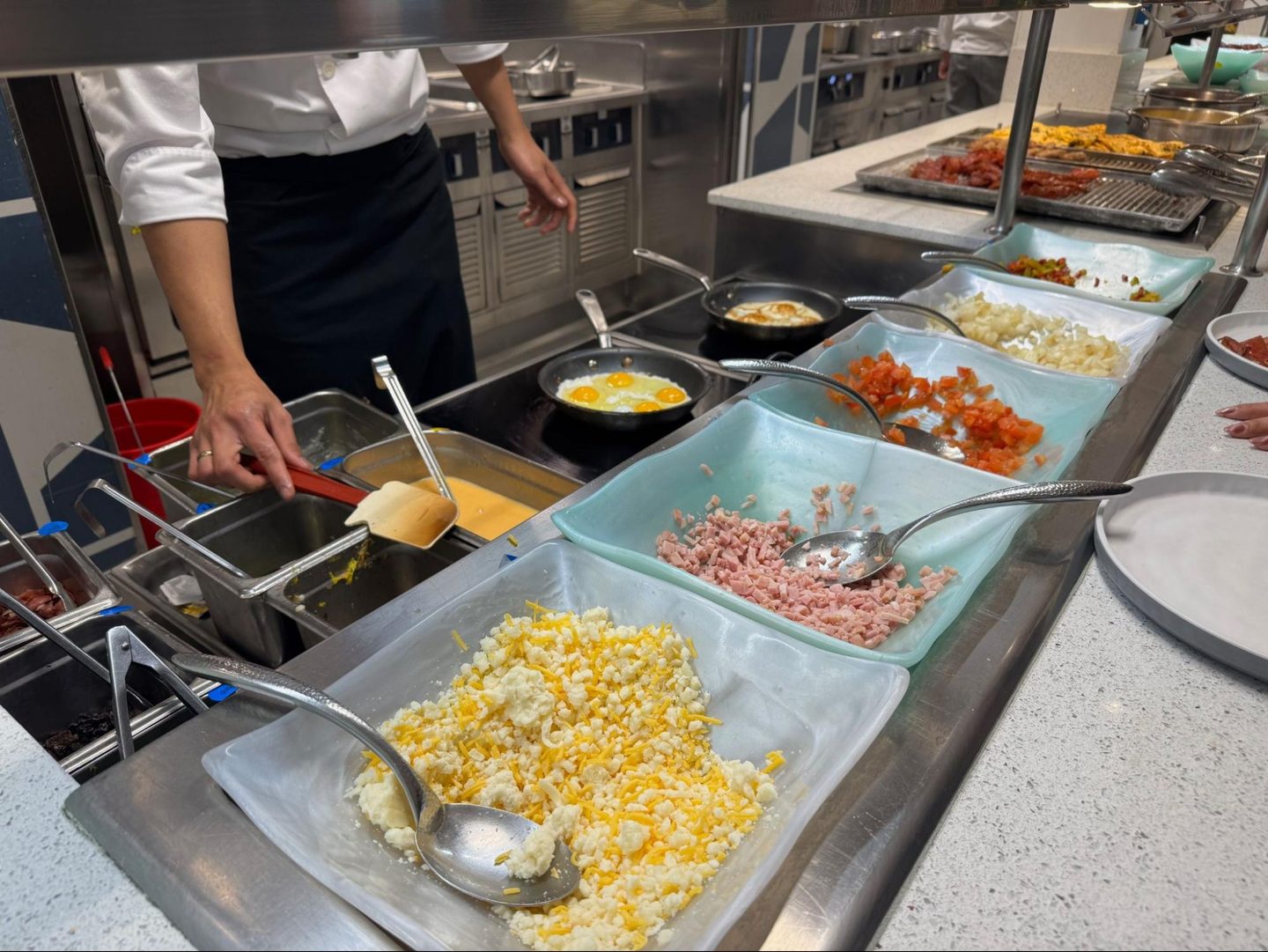
At Surfside Cafe, the main buffet, breakfast remained static throughout the 10-day cruise. While it's hard to tire of eggs, pancakes, potatoes, oatmeal and a custom omelette bar, some rotating international breakfast options would have been welcome.
Lunch and dinner, by contrast, changed daily. Alongside regulars like pizza, salad and steamed vegetables, there were new entree options each day, keeping the buffet from becoming monotonous.
Specialty dining
Because I had a More at Sea package (now part of the Free at Sea program), which bundles extras like open bar, specialty dining, and excursion credits, I had credits to try four specialty dining restaurants.
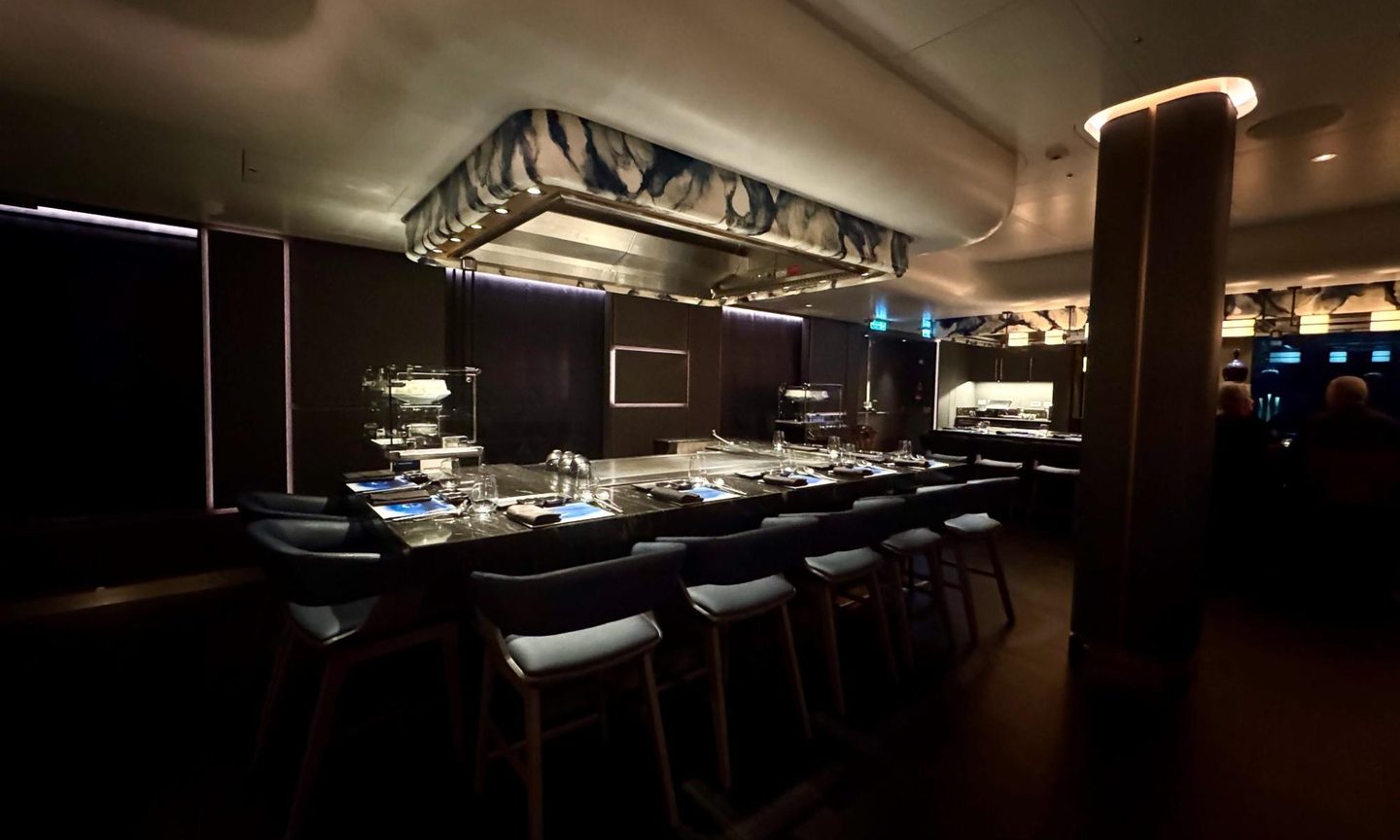
Hasuki, the teppanyaki venue, where your food is prepared on a grill in front of you, was the most entertaining, thanks to the lively chef performances.
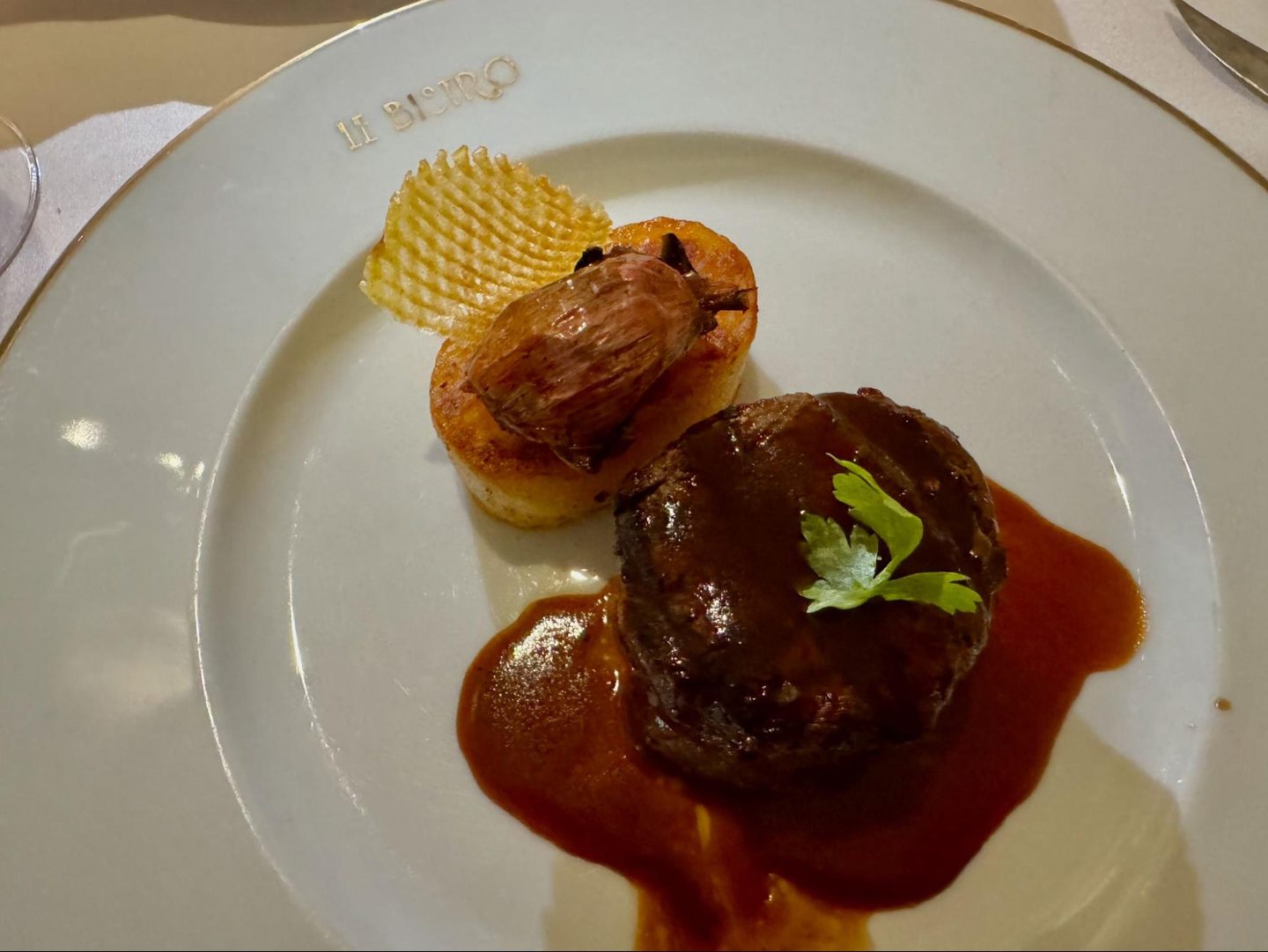
I ordered filet mignon at both Le Bistro and Cagney's. Compared to the steak I ordered another night from the complimentary main dining room, it was clear that the specialty restaurants used higher-quality cuts. At $60 extra per person, though, I'm not sure the food quality alone justified the premium.
The elegant atmosphere could be worth paying for, though. Le Bistro, Cagney’s and Palomar are quieter, more polished and more intimate than the main dining room — ideal for a special occasion. Palomar, which focuses on Mediterranean cuisine, ended up being my favorite.
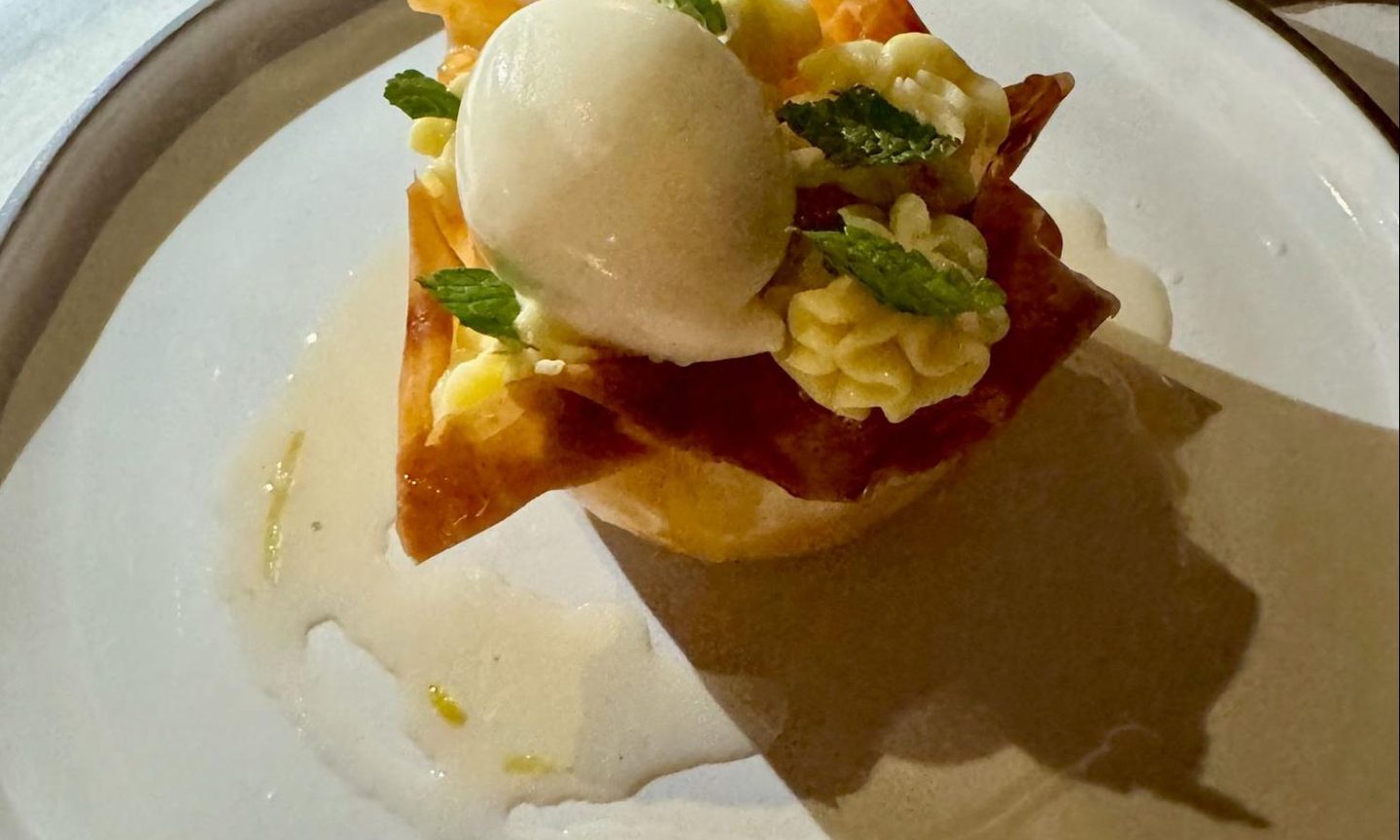
I tried the galaktoboureko for dessert (a dish of custard baked between layers of crispy phyllo dough), which was something I’d never had before sailing with NCL. I liked it so much that I sought it out again at a bakery in Greece.
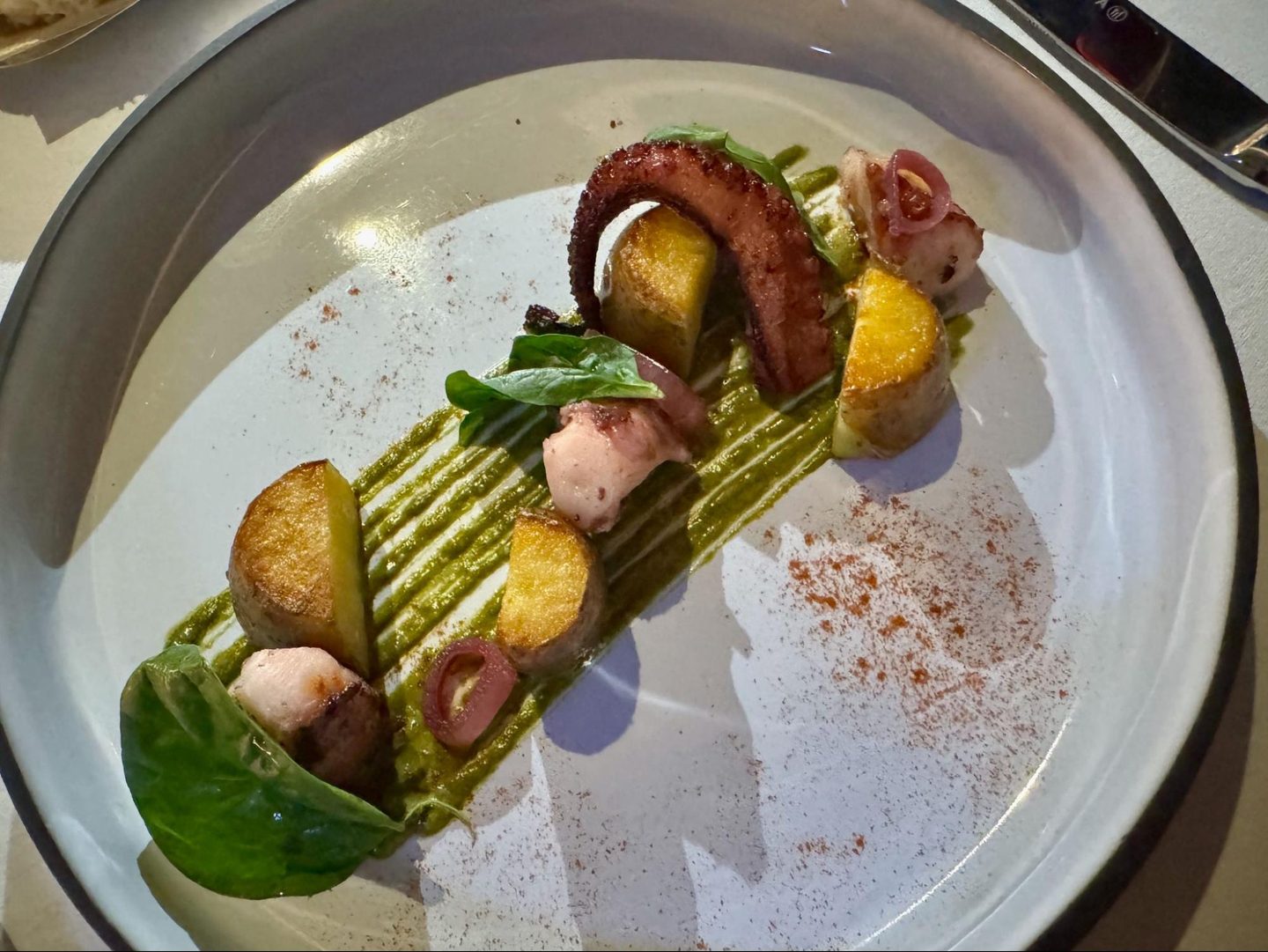
Online complaints about small portions at specialty restaurants didn't match my experience. On cruise ships where all-you-can-eat food is abundant, smaller portions help reduce waste. And if you’re still hungry, a second dinner at the buffet is always an option.
The main dining room
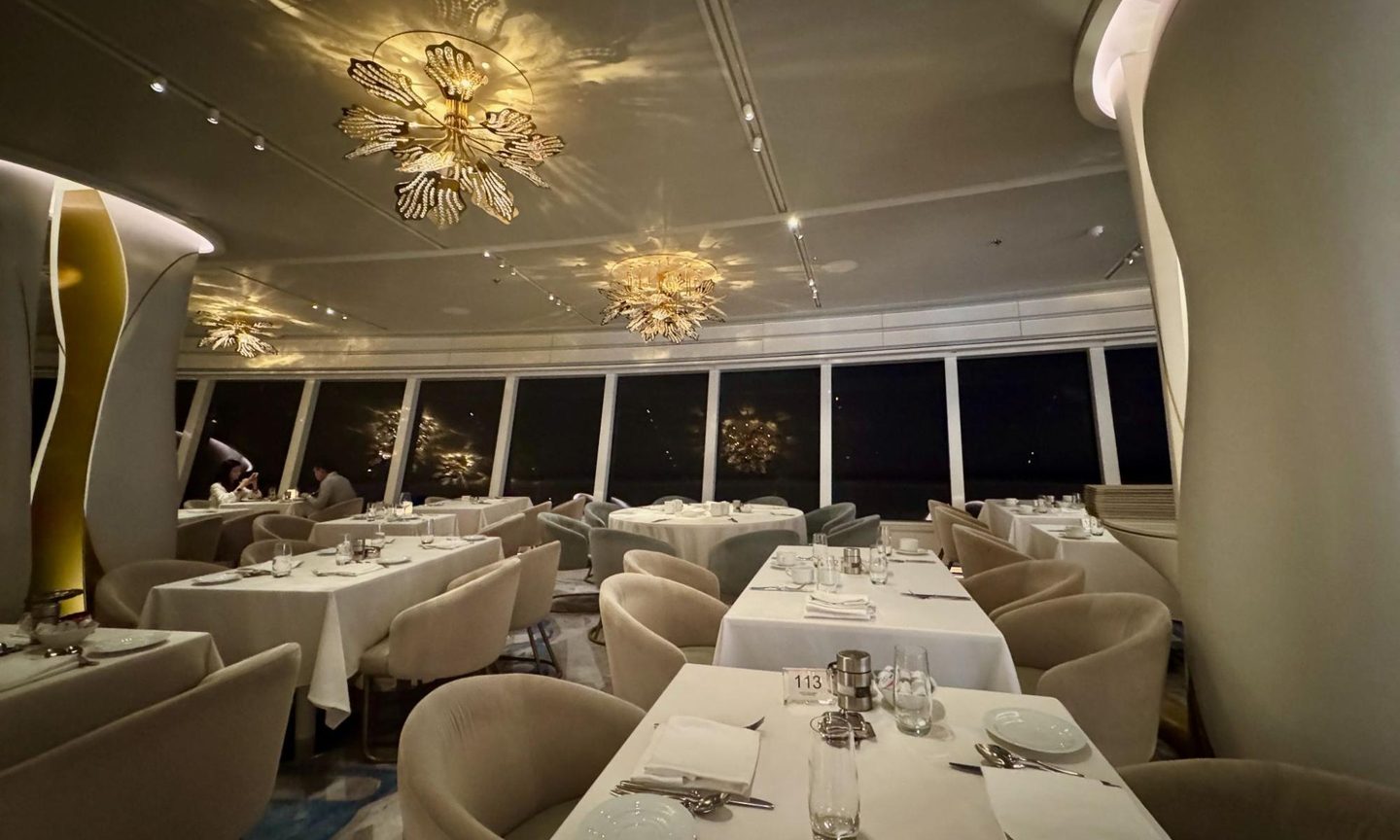
If you want to feel fancy without the upcharge for specialty dining, you have two choices: The Commodore Room and Hudson’s. The two restaurants serve similar food, but Hudson’s wins on atmosphere with its 270-degree views over the ship’s stern. That made it the better option of these two waiter-service restaurants, in my opinion.
Another waiter-service restaurant — The Local Bar & Grill — is open 24/7 and serves bar food like nachos and burgers.
Drinks onboard
Aside from basic beverages like water, tea, coffee and select juices, most drinks cost extra — which is standard across the cruise industry.
There’s a Starbucks in the atrium, plus bars ranging from poolside spots to elegant lounges to the energetic, rock-themed Syd Norman’s Pour House, which is a staple across much of NCL’s fleet.
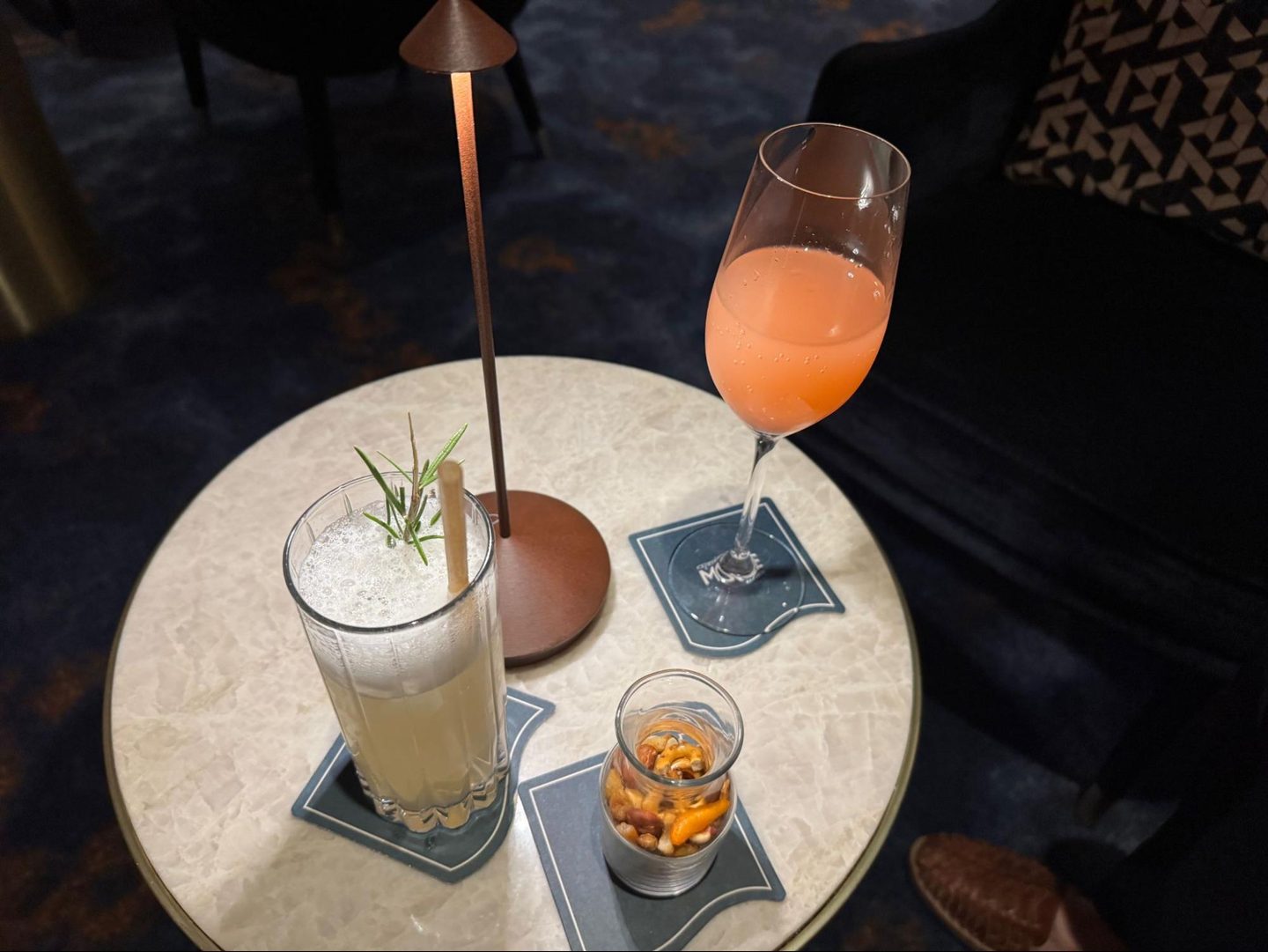
One area where NCL lags behind competitors is cocktail innovation. Some bars, like a whiskey-themed venue, leaned into their themes, and a few unique drinks appeared on menus (including a croissant mai tai!).
But in my opinion, other ships offer more memorable bar experiences. Rye & Bean on Royal Caribbean's Star of the Seas, for example, features coffee and tea cocktails, while Disney cruises offer bars themed to popular movies and rides.
Entertainment: A ‘Beetlejuice’ musical, magicians, and more
While I was onboard, "Beetlejuice: The Musical" was the crown jewel of Viva's entertainment. The lead performer was excellent, the pacing held my attention, and the slightly grown-up humor landed well. I also appreciated that it ran about 90 minutes — shorter than the Broadway version — making it easy to fit into a busy schedule of ports and onboard activities.

Beyond Beetlejuice, the Viva offered other gems like a mentalist who blended magic tricks with psychology, relying on predictable human emotions to create his illusions.
Other activities on the Viva
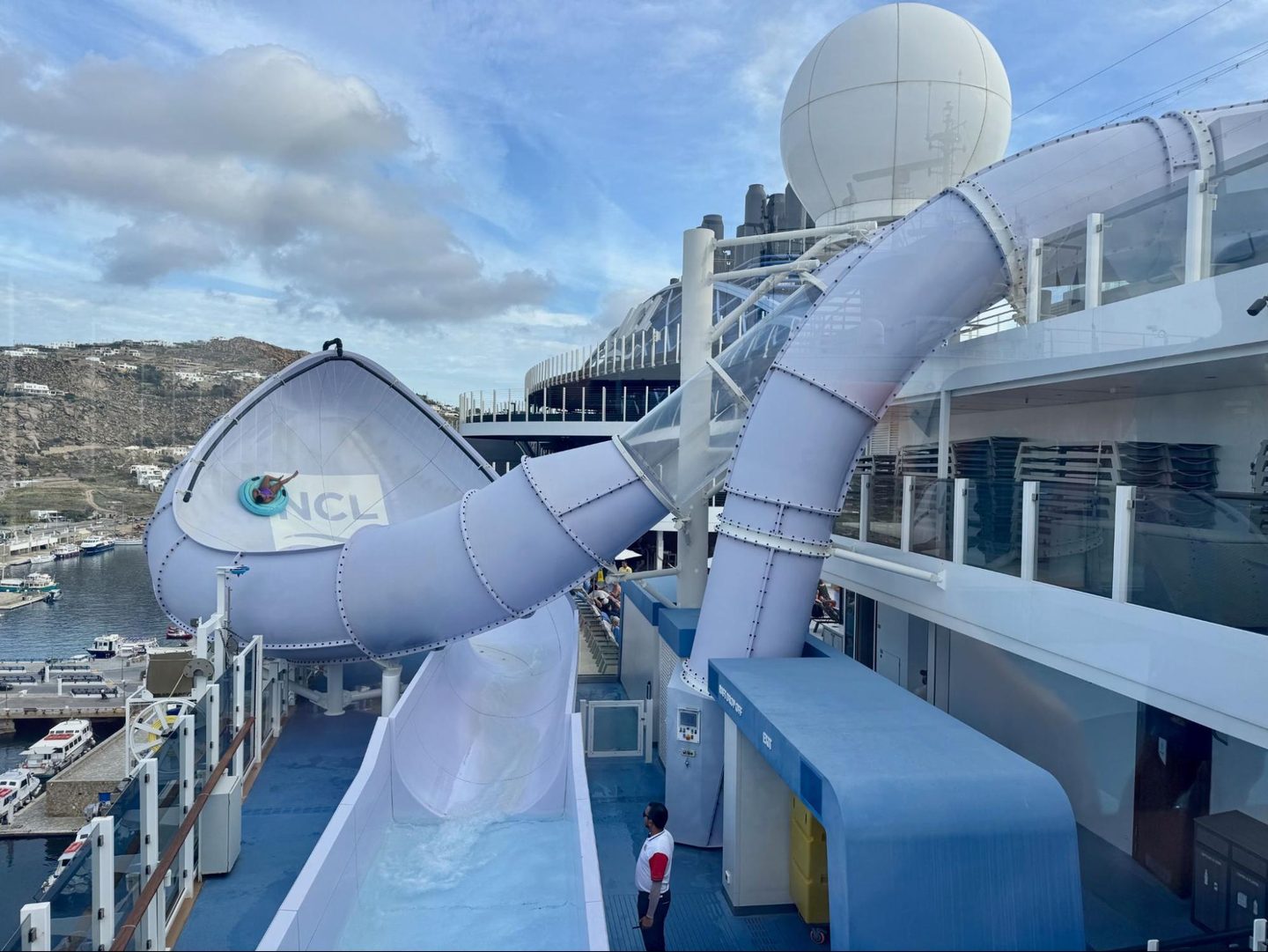
Other attractions on the Viva include a waterslide and a few dry slides. I tried the dry slides more often since it was a bit chilly for the water slide.
There’s also an area on the upper deck for complimentary activities like foosball, ping pong and a single pickleball court. Even on my sold-out sailing, I managed to snag the pickleball court a couple of times.
A few other activities, including mini golf and darts, incur a small upcharge.
Crowds
Although my sailing was sold out, the ship rarely felt crowded. The main bottleneck occurred at breakfast on heavy port days when everyone wanted to disembark early. The Viva handles this by opening seating in adjacent specialty restaurants — Palomar and Food Republic — to relieve congestion. While few passengers seemed willing to carry their plates over to these quieter spaces, I used them every day.
The ship has no shortage of quiet retreats, including the expansive Observation Lounge, which remained calm even during peak times.
Crowds were more noticeable during tenders, when small boats ferry passengers to ports where ships can't dock.
Not all ports required tenders, but it was more common in smaller cities. I never waited for morning tenders because I always rushed to catch the "early bird special" — the first tender of the day, which typically has no line since few passengers are ready that early.
Coming back from my stop in Kotor, Montenegro, however, was a different story. The tender line stretched for over an hour. While there was no risk of missing the ship (everyone else was in line, too), it was a frustrating way to spend precious vacation time.
The verdict: Good for destination-focused cruising
The Norwegian Viva excels as a home base for port-intensive itineraries. With the racetrack, solid entertainment, multiple dining venues, sports courts and mini golf, there’s plenty to do on a sea day, but not so much that you feel like you’re missing out when you’re off exploring.
For me, it was an ideal way to explore the Mediterranean coast. I wanted a cruise that took me to a new Greek island or Italian city every day, and Viva delivered.
(Top photo by Sally French)
How to maximize your rewards
You want a travel credit card that prioritizes what’s important to you. Here are some of the best travel credit cards of 2026:
Flexibility, point transfers and a large bonus: Chase Sapphire Preferred® Card
No annual fee: Wells Fargo Autograph® Card
Flat-rate travel rewards: Capital One Venture Rewards Credit Card
Bonus travel rewards and high-end perks: Chase Sapphire Reserve®
Luxury perks: American Express Platinum Card®
Business travelers: Ink Business Preferred® Credit Card