








Borrowers will cheer the news of a Fed rate cut to end 2025 when lenders respond by lowering their own rates. Savers, not so much.
The Fed opted for a 25-basis-point cut, bringing the federal funds rate down to 3.50% to 3.75%.
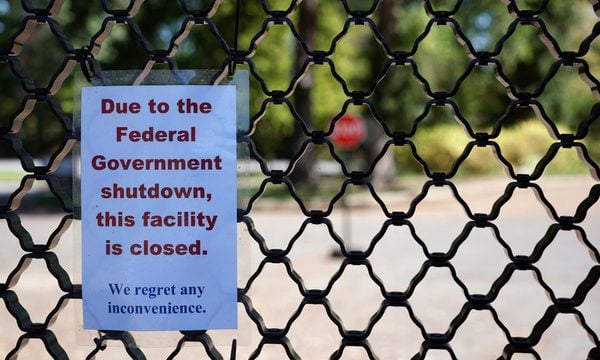
The cut, made on Dec. 10 by the Federal Open Market Committee, was widely expected. The rate decision arrives in the wake of the federal government shutdown, which halted agency data collection. Reports were postponed or skipped altogether, meaning that the Fed didn’t have a full picture of the economy when making its decision.
In this meeting — like several before it — members of the FOMC were split on the decision, as well as where rates could land moving forward. Three members dissented on the rate cut.
“The recurring dissent and particularly the fact that people are disagreeing in both directions — some wishing to hold rates as-is and others to cut more — is evidence of the difficult economic period we’re in,” says Elizabeth Renter, NerdWallet’s senior economist, adding that the Fed’s dual mandate — maximize employment while maintaining price stability — is at odds.
In a press conference following the Fed’s announcement, FOMC Chair Jerome Powell acknowledged both the challenge of the current economic condition and the disagreement over how the Fed should proceed.
Meet MoneyNerd, your shortcut to smart money moves
NerdWallet's twice-weekly newsletter offers practical, no-fluff guidance to help you spend smarter, save more, and make confident money decisions. Delivered free to your inbox.
“The situation is that our two goals are a bit in tension, right?” said Powell, adding that all FOMC members agree that inflation remains too high and that there is risk of the labor market softening too much. The disagreement, he said, lies in how best to respond.
“You've got one tool, you can't do two things at once,” said Powell.
Despite the dissent, the overall tone of the decision — and Powell’s remarks — was cautiously optimistic. Further rate cuts will be influenced heavily by incoming data, especially since missing reports have blurred the full economic picture. But Powell made a point of emphasizing the 75-basis-point reduction since September and 175-basis-point reduction since Sept. 2024.
“I think we're in a good place to, as I mentioned, to wait and see how the economy evolves,” said Powell.
What does a rate cut mean for you?
While lower interest rates will make it cheaper to borrow, another Fed rate cut in the books also means saving will be less rewarding when rates fall on products like high-yield savings accounts. To break it down, here’s what can happen when rates are cut.
Saving won’t be as fruitful. As mentioned, yields on high-yield savings accounts, CDs and interest-bearing checking accounts will come down.
Borrowing will get more affordable. The lower the federal funds rate, the lower the cost for banks to borrow from each other. In response, banks will lower interest rates on lending products like credit cards, auto loans, mortgages and personal loans.
Refinancing becomes a more attractive option. Lenders typically lower refinancing rates for borrowers with existing loans, including mortgages.
“Lower interest rates across the economy can provide a bit of relief to those who carry debt with adjustable rates or those considering financing a purchase or business expansion,” says Renter. “It also makes the decision to hire an easier one for employers, which will come as good news to people in the job market.”
One important note: A federal funds rate cut doesn’t mean lenders will immediately lower interest rates — it takes time for lenders to make adjustments.
Will there be more Fed rate cuts in 2026?
It’s likely the Fed will cut rates again in 2026, at least if the FOMC’s “dot plot” is any indication. The dot plot shows FOMC members’ anonymous predictions for future federal funds rates. The FOMC dot plot for December points to one additional quarter-point cut by the end of 2026, though divisions among members are deep.
Following Powell’s remarks, futures market CMEGroup FedWatch tool showed a higher likelihood of a pause rather than a cut at the Fed’s next meeting scheduled for Jan. 27-28.
The meeting could coincide with another potential government shutdown — the agreed-upon continuing resolution only provides funding for certain departments through Jan. 30, though economic data releases are expected to be back on track by then.
(Photo by Chip Somodevilla/Getty Images News via Getty Images)