


Most business credit cards can be easy to get — if you have good or excellent personal credit. Lots of issuers want applicants with personal credit scores above 690.
If you personal credit score is below that number, you'll have fewer choices. But options like secured business cards and corporate cards may be available.
Our editorial team has looked at more than 70 business credit cards this year. Here are six of the easiest ones to get that we've found.
 Why trust NerdWallet
250+ small-business products reviewed and rated by our team of experts.
80+ years of combined experience covering small business and personal finance.
Objective comprehensive business credit card ratings rubric (Methodology).
NerdWallet's business credit card content, including our ratings, reviews and recommendations, is overseen by a team of writers and editors who specialize in business credit cards. Their work has appeared in The Associated Press, Washington Post, MarketWatch, Nasdaq, Entrepreneur, ABC News, MSN and other national and local media outlets. Each writer and editor follows NerdWallet's strict editorial guidelines to ensure fairness and accuracy in our coverage. We independently evaluate and rate dozens of small-business credit cards, scoring them on fees, rewards rates, bonus offers and other features to help you choose the best business card for your company.
≡ Show summary
Bank of America® Business Advantage Unlimited Cash Rewards Mastercard® Secured credit card: Easiest for: Business owners with bad credit or no credit
Capital One® Spark® Classic for Business: Easiest for: Sole proprietors with fair credit
Capital on Tap Business Credit Card: Easiest for: Owners of registered businesses with fair personal credit
Brex Card: Easiest for: Startups with venture backing
Ramp Card: Easiest for: Getting a corporate card with less reserves
BILL Divvy Corporate Card: Easiest for: Sole proprietors who want a corporate card
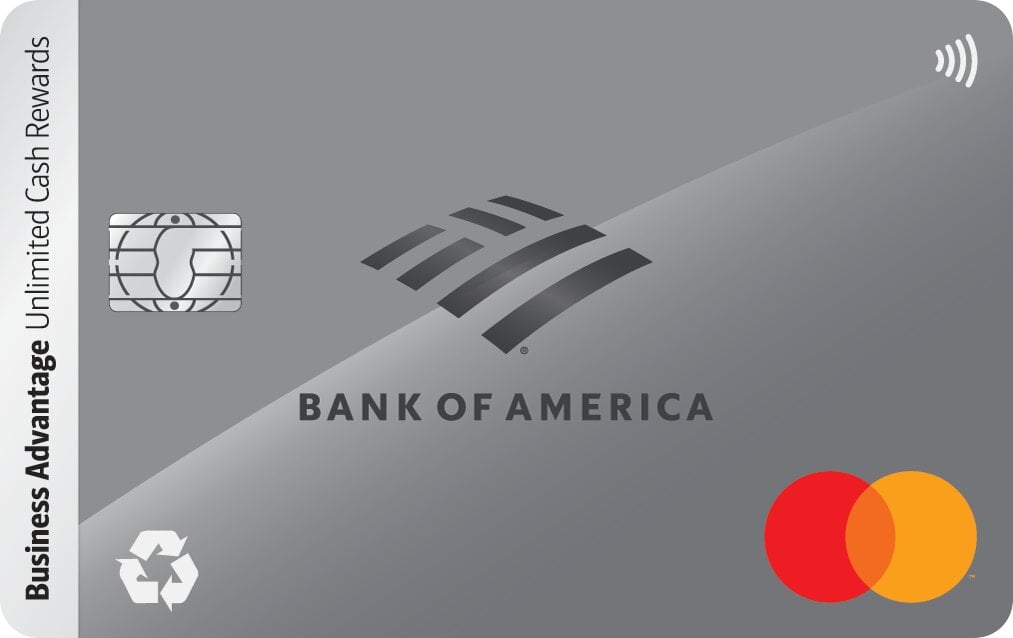
1. Bank of America® Business Advantage Unlimited Cash Rewards Mastercard® Secured credit card
Easiest for: Business owners with bad credit or no credit
NerdWallet rating: 4.4 stars
Annual fee: $0
APR: 26.99% variable APR.
Why our editorial team chose it: A secured business credit card is the easiest kind of card to get. These cards usually have no personal credit history or business financial requirements. Instead, you pay a deposit that serves as your credit limit. They're a great option for building business credit history.
Bank of America has our favorite secured business card. It earns 1.5% cash back on all purchases, with no cap on rewards. Plus, there's no annual fee. Bank of America® says it may upgrade you to an unsecured card if you qualify. This card does require a security deposit of at least $1,000.
See our pros and cons for this card
Pros
Qualify with limited/bad personal credit
Earns rewards
No annual fee
Build business credit history
Cons
Requires minimum deposit
Does not help personal credit
High APR
» MORE: View all our picks for the best secured business credit cards.
2. Capital One® Spark® Classic for Business
Easiest for: Sole proprietors with fair credit
NerdWallet rating: 3.3 stars
Annual fee: $0
APR: 29.99%
Why our editorial team chose it: Fair-credit business cards consider applicants with FICO scores between 630 and 689. Few of these cards exist. The Capital One® Spark® Classic for Business is the best of the bunch.
This card has no annual fee and earns 1% cash back on all purchases. That rate is below average. But you wouldn't get this card for its rewards. You'd want it to build business credit score and access a credit line without a security deposit. Read our review.
See our pros and cons for this card
Pros
Qualify with average credit
Earns rewards
No annual fee
No foreign transaction fees
Cons
High APR
» MORE: View other business credit cards for fair credit
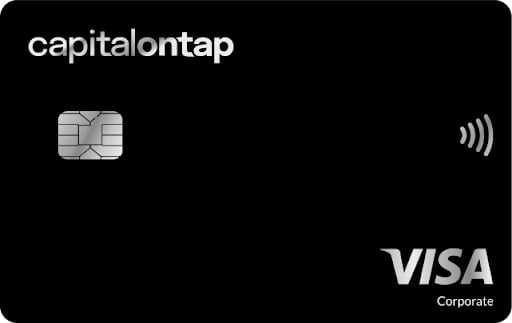
3. Capital on Tap Business Credit Card
Easiest for: Owners of registered businesses with fair personal credit
NerdWallet rating: 4.5 stars
Annual fee: $0
APR: 17.24% to 79.74%
Why our editorial team chose it: The Capital on Tap Business Credit Card issued by WebBank is available if you have fair credit. But applicants with a FICO score of 670 or higher have the best chance of approval.
Capital on Tap does a soft credit pull when you apply that won't affect your personal credit. This is a big benefit. It can let you know not only if you might get the card, but also at what terms. Capital on Tap advertises credit limits of up to $50,000. But that's based on creditworthiness. This card can have sky-high interest rates (up to 79.74%), so watch those details.
The card offers 1.5% cash back on all purchases (and 2% if you set up weekly automatic payments). It also has no annual fee.
This card is not available to sole proprietors. Those entrepreneurs should consider the Capital One® Spark® Classic for Business instead. Also, you'll need annual revenue of at least $30,000 to qualify.
See our pros and cons for this card
Pros
High rewards rate
No rewards cap
No annual fee
No foreign transaction fees
Available with fair credit
Cons
Not available to sole proprietors, charities or nonprofits
Must enroll in automatic payments
Potential for very high APR
No new cardholder bonus offer
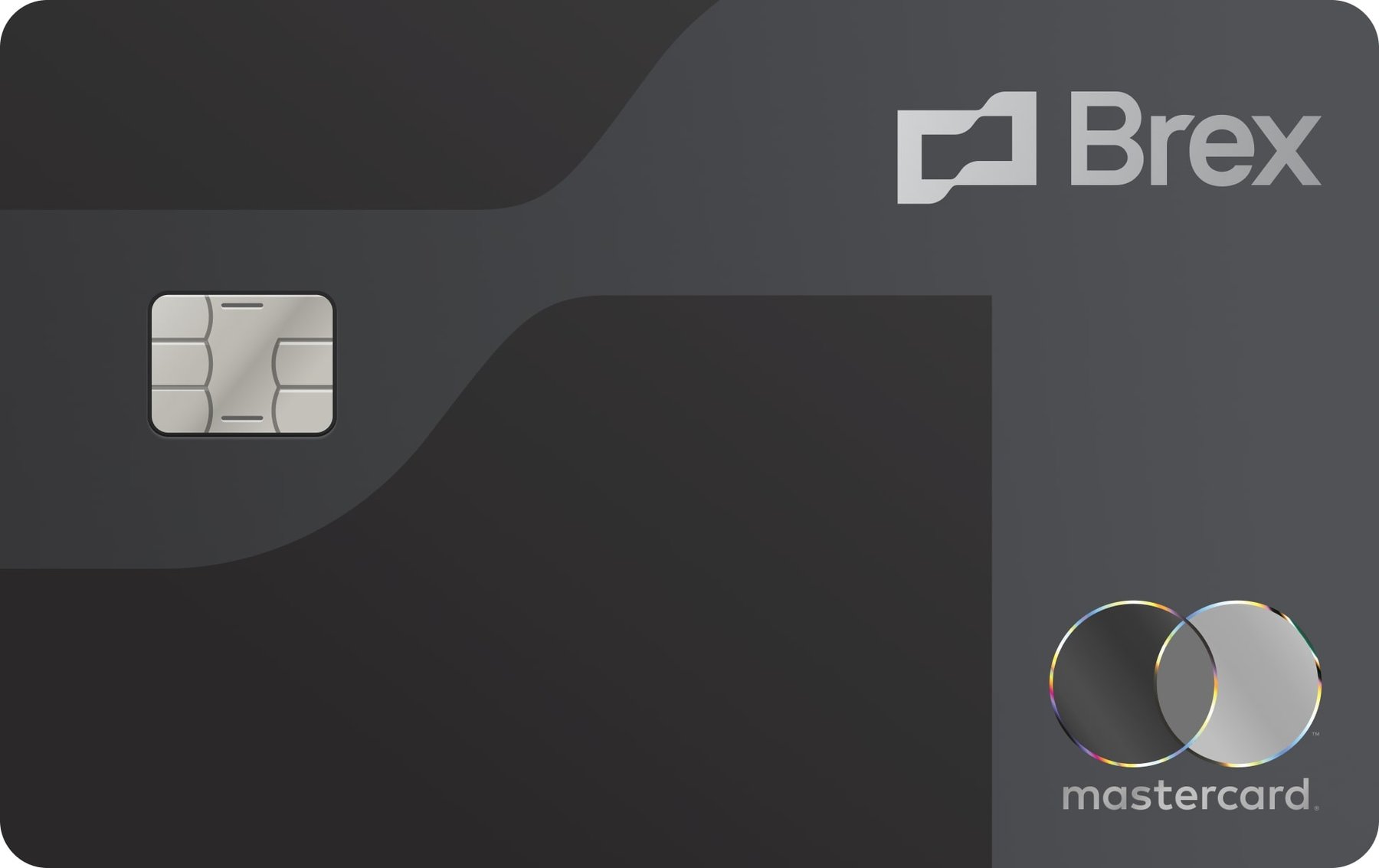
4. Brex Card
Easiest for: Startups with venture backing
NerdWallet rating: 5 stars
Annual fee: $0
APR: N/A (pay-in-full card)
Why our editorial team chose it: The Brex Card earns rewards, but that's not its main appeal. Rather, it's that this is a corporate card. That means it doesn't need a personal guarantee, nor does approval rely on personal credit.
Instead, Brex looks at cash flow and revenue to determine creditworthiness. But you’ll also typically need more than $1 million in revenue or equity investment to qualify. Sole proprietorships aren't eligible.
Brex makes it easy to start spending, too. If approved, you’ll get instant access to your virtual card number. You can also issue virtual cards for employees.
See our pros and cons for this card
Pros
No annual fee or foreign transaction fees
New cardholder bonus offer
No personal guarantee
Card-level spending controls
Cons
Complicated rewards structure
High capital requirement for approval
Daily repayment may be required
Not available to sole proprietors
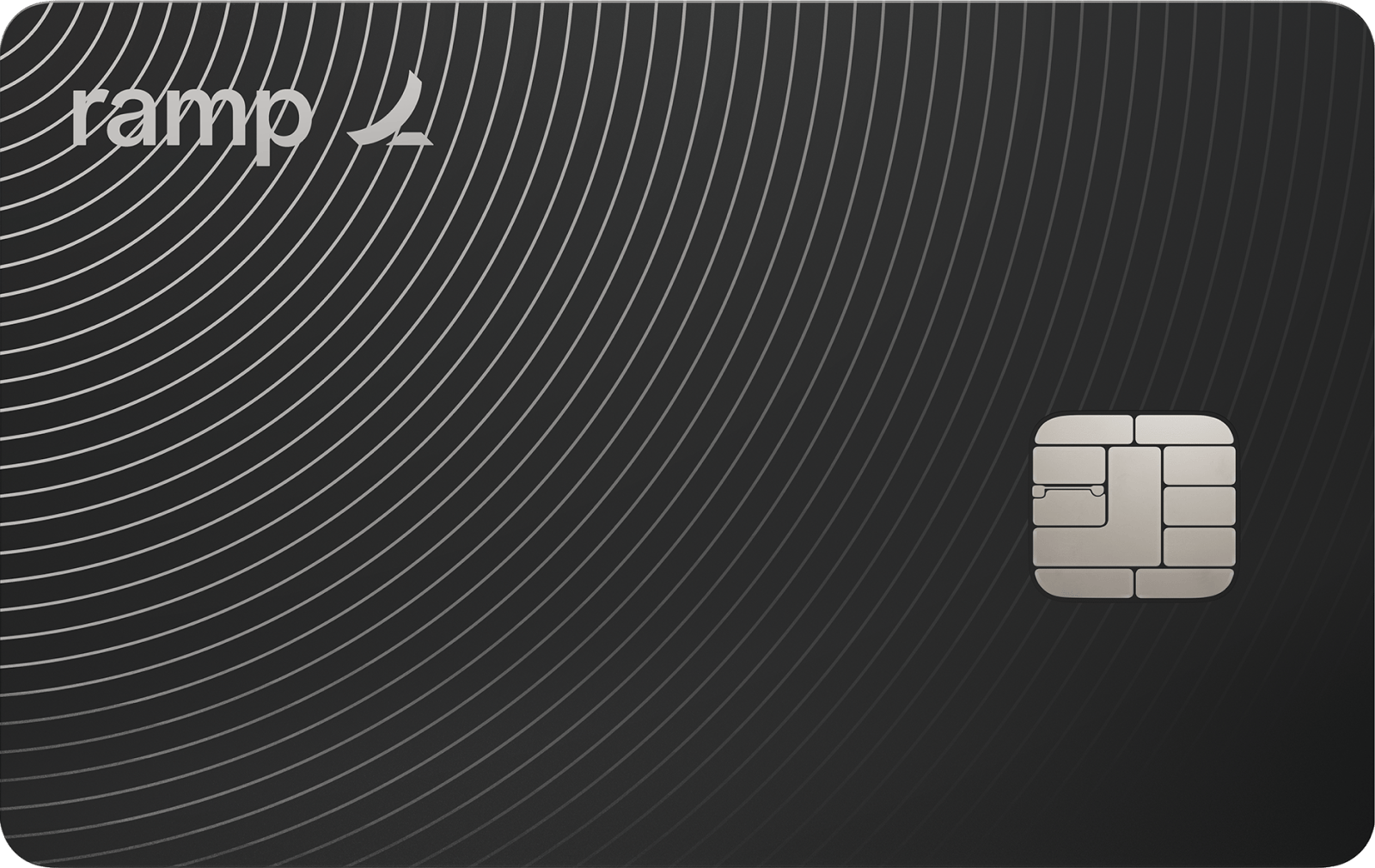
5. Ramp Card
Easiest for: Getting a corporate card with less reserves
NerdWallet rating: 4 stars
Annual fee: $0
APR: N/A (pay-in-full card)
Why our editorial team chose it: The Ramp Card is a corporate charge card available to registered businesses. You'll need at least $25,000 in a business bank account to qualify. That's not spare change, but it's less than other corporate cards like Brex.
Like most corporate cards, Ramp has no personal guarantee or credit check. You also get built-in expense management and card-level spending controls. The Ramp Card has no annual fee and offers cash back on qualified purchases. The reward rate varies by business.
See our pros and cons for this card
Pros
No annual fee or foreign transaction fees
No personal guarantee or credit check
Direct integrations with tools and card-level spending controls
Card-level spending controls
Rewards do not expire
Cons
Not available to sole proprietors
Rewards rate varies and is determined per customer
6. BILL Divvy Corporate Card
Easiest for: Sole proprietors who want a corporate card
NerdWallet rating: 4.3 stars
Annual fee: $0
APR: N/A (pay-in-full card)
Why our editorial team chose it: Unlike other corporate cards, BILL will check your personal credit. (It does a soft credit pull.) You'll need a good to very good score.
It's also rare in that sole proprietors can qualify. That's a big deal if you're looking for a business credit card without a personal guarantee.
BILL considers qualifications beyond personal credit. Its threshold for some of those — at least $20,000 in cash balances, for instance — is relatively low.
See our pros and cons for this card
Pros
No annual fee
No personal guarantee
Card-level spending controls
Available to sole proprietors
Cons
Complicated rewards structure with limits on redemption
Rewards rate varies depending on user activity
What's the easiest business credit card to get?
A secured card is the easiest business card to get. These cards usually have no personal credit history or business financial requirements. Instead, you put down cash as a security deposit. These cards can help your business credit history, but not your personal credit.
What's the easiest card for new businesses to get?
Personal credit score is the biggest factor for business credit card approvals. Time in business and revenue don't matter for most business card issuers. That means new businesses can get any card their owner is eligible for. (See our top cards for new business owners.)
Startups will need stronger financials if they're interested in corporate cards. Among those options, the Ramp Card or BILL Divvy Corporate Card have lower barriers to entry. For instance, they have smaller reserve requirements than some competitors. You also don't need to have a business account with the issuer to qualify.
What credit score do you need for a business credit card?
You need at least good personal credit to qualify for most business credit cards. That's a FICO score starting at 690. Business cards you may be able to get with good credit include:
Ink Business Unlimited® Credit Card.
U.S. Bank Triple Cash Rewards Visa® Business Card .
A few issuers want applicants with excellent personal credit. Those scores start at 720. These cards include:
Capital One Spark Cash.
Bank of America® Customized Cash Rewards credit card.
Capital One Venture X Business.
But with excellent credit, you'll likely be able to choose among the best business credit cards available.
Can you get a business credit card with bad credit?
Poor credit is typically a FICO score below 630. There are business cards for bad credit. A secured card will likely be the best option for most business owners.
You can use those cards to establish your business credit score. A secured business credit card generally won't impact your personal credit. However, card issuers may report negative activity to the personal credit bureaus.
If you have thin or poor personal credit, consider taking steps to improve it. For instance, using a secured personal credit card responsibly. This may make it easier for you to qualify for a business credit card down the line.
Can you get a business credit card right away?
Some business credit cards offer instant approval. But you often need to wait for the card to arrive before you can start using it. That typically takes seven to 10 business days.
A handful of cards, including Brex and Capital On Tap, offer instant access to a virtual card. Once approved, you can start using your virtual card right away.
The information related to the Capital One® Spark® Classic for Business has been collected by NerdWallet and has not been reviewed or provided by the issuer or provider of this product or service.
Methodology
NerdWallet's writers and editors monitor more than 70 business credit cards to select the best options without outside input from partners or other business interests. We evaluate business cards based on value and simplicity, weighing fees, sign-up bonuses and reward rates, alongside perks like interest-free periods, statement credits and elite status (for travel cards).
We consider more than 20 data points for each card we score, including detailed information about rewards, credits and fees. We gather this information from rates and fees documents, deposit account agreements, financial institution websites and company representatives.
Our editorial team regularly reviews and updates our data to ensure consistency and accuracy. We also update our scoring on an ongoing basis to reflect changing industry norms and business owner needs. For instance, in 2026, we added a small deduction for cards that don’t allow users to issue virtual cards and removed the small increase for cards with no preset spending limit.
Final star ratings range from one to five stars. A five-star score represents the best available product for the largest number of business owners. Learn how NerdWallet rates small-business credit cards.