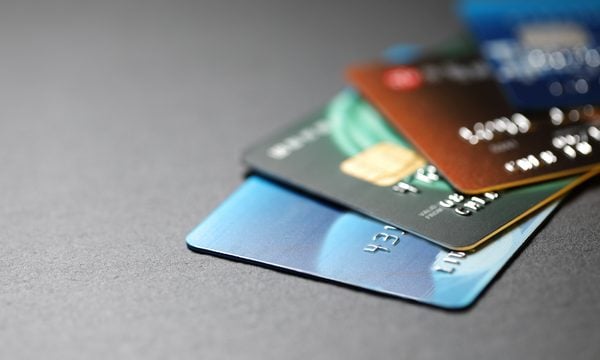
Rewards cards. Store cards. Business cards. Balance transfer cards. With such a variety of credit cards available for such a range of uses, many choose not to limit themselves to just one. In fact, the average American holds close to four credit cards, according to 2021 data from Experian.

But each new card added to your collection can make it that much harder to be on top of bills and balances. Here are ways to stay organized.
Keep a list of cards and features
Whether you use a personal finance app, a spreadsheet, a note-taking app or even a handwritten list, create a system to keep track of your credit card collection. Also include the:
Date you opened the card.
Annual fee and when it will be charged next.
Interest rate.
Payment due date.
Remaining balance, if you carry one from month to month.
Rewards program information, such as the required spending minimum for the sign-up bonus, as well as the card’s ongoing bonus categories.

Give each card a purpose
Think of your wallet of credit cards as a toolbox: You can tackle many tasks, but only if you use the right card for the job. Refer to the list above to know which card to use where. And if you have a common spending category that’s not yet covered, now you know what kind of card to shop around for next.
Rewards aren’t the only thing to consider, either. Your card may provide other perks that make it the winner for certain transactions. When Riley Adams, a certified public accountant and owner of the blog Young and the Invested, books travel, he and his wife opt to use their Costco Anywhere Visa® Card by Citi because it offers things like travel accident insurance and car rental insurance. The card earns 3% back on eligible travel purchases, but that’s not its main allure for Adams.
“The 3% cash back might not be as generous as the double or triple points you would receive from using the branded airline credit card that we have; however, the automatic travel insurance could wind up being far more valuable,” he says.
Quick tip: When it comes to card features, there’s no need to rely on memory. Leave a cheat sheet in your wallet or car, decorate your cards with different stickers, or even write the relevant spending categories onto each card in permanent marker.
Carry only the cards you use ‘in the wild’
If you use your airline card only to book flights, there’s no reason to keep it in your wallet all the time. Save that limited space for the cards you use the most in stores and stash the other cards in a safe place.
While you’re at it, assign each of the cards you carry a specific wallet card slot. After a while, you’ll be able to grab the right card without even having to look.
Security is another reason to limit the number of cards you carry. If your wallet is lost or stolen, you reduce the number of replacement cards you’ll need to request. Some cards have a card-lock function that lets you electronically “freeze” the card to new charges. For protection, you could put locks on cards you don’t use daily.
But don’t keep them unused forever. Try to make a purchase on a card at least every few months.
“If your credit card company discovers no activity, they could reduce your credit limit or close the card altogether,” says Brandon Littleton, founder and president of Form Advisory Group, a registered investment advisory firm in Nashville, Tennessee.
Quick tip: Designate one card for autopay expenses only. It can sit in your sock drawer while still covering your Netflix bill.
Simplify your ‘payment due’ dates
It’s easier to remember one or two due dates than a half-dozen. To avoid a mix-up or missed payment, try one or more of the following:
Get every card onto the same schedule. You can request specific payment due dates for your credit cards so that they all land on the same day (or on whatever schedule works for you). Some card issuers allow you to do this online; others may require a phone call.
Sign up for credit card alerts. Receive texts or emails when your bill is due, when your card was used for a purchase above a set amount or when your balance exceeds a certain amount. These alerts are especially useful if authorized users also make charges on your account.
Set up automatic payments. Connect a bank account to your card and automate the payments each month. Just make sure you have enough money in the account, as overdraft fees can be pricey.