

When you hear "gig economy," app-based services, like Uber and DoorDash, might be top of mind.
But freelancers, day laborers and temporary employees have been around forever. These days, having a side gig is kind of the norm.
People who do either short-term work for an employer (like a substitute teacher) or operate as an independent contractor (like a rideshare driver or freelancer), accounted for 27 percent of all jobs held in 2024, payroll company ADP said in a November 2025 study.
Why it’s called a gig
A gig (also called a side hustle) is generally a short-term task, project or job that a person does to make money. It’s a “gig” because you do the thing — give a ride, deliver a package, teach a lesson, walk a dog even work on a short-term contract — then move on to the next one.
Some gig workers get paid per task or assignment. Others earn an hourly rate. And many people do gig work as a main source of income.
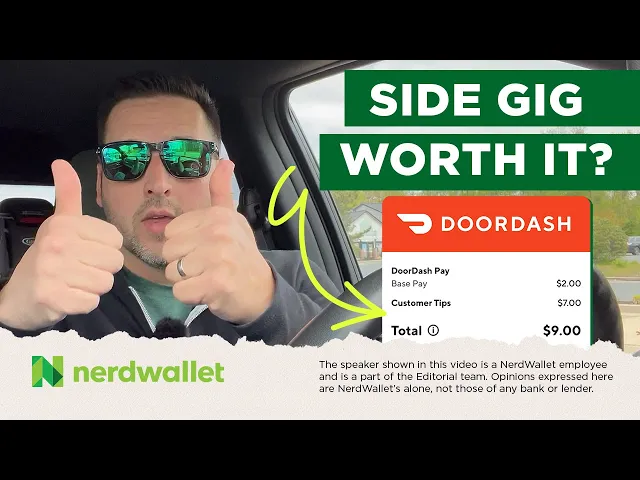
Here's a NerdWallet writer finding out what gig work is all about ⬇️

Ups and downs of gig work
Pros
Gig work can come with flexible hours, quick cash and the ability to set your own pay, depending on the job.
It can also mean extra money if you have a full-time job and want to supplement your income.
Cons
Prioritizing flexibility can result in irregular pay, no medical benefits and a more complicated tax process.
It can also cause financial stress if you don't bring in enough to pay your bills.
"Gig work is not a temporary phenomenon," the ADP study said. "It’s a permanent feature of the modern labor market. But the modest hours and persistent pay gaps suggest that it remains a supplemental, not primary, component of work for most people and employers."
That said, with the way the job market goes up and down, looking into the gig economy might not be a bad idea.
Meet MoneyNerd, your shortcut to smart money moves
NerdWallet's twice-weekly newsletter offers practical, no-fluff guidance to help you spend smarter, save more, and make confident money decisions. Delivered free to your inbox.
What to consider before becoming a gig worker
If you’re thinking about gig work, take these tips from our Nerdy side hustle tester, Tommy Tindall.
1. Research the pay
Rates can vary by location, experience and demand. Plus, the platform you get gig work through may take a cut of your earnings. Check the company’s website, reviews, and the Better Business Bureau for details.
Tommy says: "Get as hands-on as you can before you go on your first gig." It's what he did before doing DoorDash. He took the time to go through the approval process and pass a background check, then studied the Dasher app (what drivers use to accept orders) for a week or so.
"I got a good sense for when and where it was busy in my area. I even went live one day and declined a couple orders just to check the pay."
Key question: Will you make more per hour than your state's minimum wage?
2. Be aware of potential costs
Some gigs come with expenses. For example, you'll be on the hook for gas, maintenance and vehicle insurance if you do rideshare or delivery. If you're a freelance marketing professional, you'll need your own laptop and relevant software services.
Tommy says: "My primary vehicle is a gas-thirsty pickup truck. The cost of driving it to deliver burgers and tacos cut heavily into my earnings."
Key question: Is running your car into the ground worth it?
3. Budget for taxes
When you work for a company, your payroll taxes typically come out automatically. Most gig workers, on the other hand, have to do the math themselves and may have a more complex tax filing process.
Key question: Will you be disciplined enough to budget for taxes, expenses and savings on your own?
4. Manage your time
Adding a side hustle on top of a 9-5 job can be a recipe for mental and physical burnout. Make sure the money and the satisfaction are worth the extra time and effort.
Tommy says: "I tested Uber one weekend and put an extra $50 bucks in my pocket ... but I'd have given it back to be home on the couch watching baseball after what was already a long day."
He says a freelance side hustle where he can leverage his soft skills to work for clients remotely would be more ideal.
Key question What's your endgame? It could be to reach a specific financial goal, explore other forms of work, or skill up for a future career.
An alternative to a gig economy side hustle
Maybe you can keep more of the money you have instead.
Consider looking at your living expenses and finding easy ways to save. That might allow you to work fewer or better hours.
» MORE: Clever ways to save money
Article sources
- 1.ADP Research. The gig economy: A tale of two labor markets. Accessed Apr 9, 2026.