The exact details of credit score calculations remain mysterious, but there are several well-known ways to build your credit, such as making on-time debt payments and avoiding maxing out your credit card. Still, it can take a few months for positive behaviors to be reflected in your scores.
The Ava Credit Builder Card aims to take the guesswork — and long wait — out of bumping up your credit scores. For starters, unlike with most credit cards, there's no credit check when you apply, meaning you'll avoid the temporary ding to your credit that such a "hard pull" would normally cause.
In addition, the card doesn't charge interest. These features are ideal for credit newbies.
But there's a monthly fee to keep in mind. And this isn't the credit card to apply for if you want to use it like, well, a credit card. The Ava card, which is issued by Evolve Bank & Trust, puts pretty severe limits on how much you can spend and what you can spend on. The purpose isn’t making purchases. It’s building your credit and moving on with your life.
Here are five things to know about the Ava card.
1. You can use the card only for eligible subscription payments
First, a pretty big caveat to be aware of: Even though you'll get a substantial credit limit (more on that in the next section), you can typically use the Ava card only to charge up to $25 per month for participating subscription services. Ava’s website notes that you may be able to spend more than $25 “depending on your spend limit,” but it doesn’t get more specific about what would qualify you for that.
On the plus side, the list of eligible payments covers a lot of options: retail memberships like Amazon Prime and Walmart+, streaming services like Spotify, Hulu, Netflix and YouTube Premium, and even other services like cell phone and insurance providers.
2. There's no credit check or APR, and it aims to build credit quickly
Several factors influence your credit scores, including:
Payment history: If you’ve consistently paid bills on time or not.
Credit utilization: The amount of your credit limit that you use, expressed as a percentage. (The lower, the better.)
Length of credit history: Older accounts can be beneficial.
Mix of credit types: This includes credit cards and installment loans such as mortgages and auto loans.
Recent applications: Because applying for credit or a loan typically results in a hard inquiry, it can temporarily lower your credit scores to do so.
As noted, the Ava Credit Builder Card doesn't conduct a hard inquiry on your credit. Plus, it targets credit utilization and payment history. Here's how:
You’re granted a $2,500 credit limit, but as noted above, you'll face big restrictions in terms of how much of it you can use and where. While that's not ideal for your purchasing power, it means your credit utilization will remain low.
Your bill is due seven days after you use the Ava card to make that monthly subscription payment. The funds are automatically drawn from the bank account you linked to the card when you signed up. You must pay the bill in full. The Ava card doesn’t charge interest, so you can’t get into debt with it.
Ava reports to the three major credit bureaus each week, 24 hours after your autopayment is made, in an effort to further speed up credit score gains.
3. It can be paired with another Ava product
In addition to the Ava Credit Builder Card, you can use the Save & Build Credit feature to hopefully accelerate your credit-building even further. This feature functions as a “savings loan” where you put $30 a month for 12 months into your wallet on the Ava app. Ava reports each payment to the credit bureaus as an on-time loan payment. (Note that missing a payment can hurt your credit score.) After 12 months, you get all your money back.
This feature addresses two factors that go into credit scores: payment history and mix of credit.
4. You’ll pay a monthly fee
The Ava card doesn't charge interest, but it's not without its costs. Ava charges a membership fee of $8 per month if you commit to an annual plan, or $10 a month if you pay month to month. That translates to a yearly cost of $96 for the annual membership, or $120 for monthly payments.
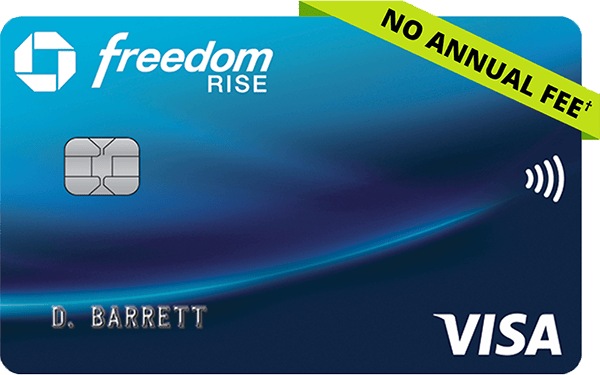
The promise of a quick credit boost might make those fees worthwhile for you, but other options, like the $0-annual-fee Chase Freedom Rise®, could be more cost-effective. The card earns an unlimited 1.5% cash back on all purchases and has a sign-up bonus: Earn a $25 statement credit after signing up for automatic payments within the first three months of opening your account.
» MORE: Best starter credit cards
5. There’s no traditional card to graduate to
If the Ava Credit Builder Card helps your credit score, you’re more likely to qualify for a wider selection of credit cards. But you can’t use the Ava card like a regular card, and there’s no other Ava-branded card to graduate to. So you’ll want to ditch that membership fee and shop around for other cards as soon as you reach your credit score goals.