The Upromise Mastercard, issued by Barclays, allows cardholders to earn rewards directly toward a 529 college savings account.
You’ll get a decent cash-back rate with the $0-annual-fee card, but only if your account is linked to an eligible 529 account. Most, even those actively saving toward a college fund, would be better off with a more lucrative cash-back card option.
Here are five things to know about the Upromise Mastercard.
1. It earns cash back on all purchases, but you’ll need a 529 account to maximize rewards
Upromise Mastercard holders can earn the following:
- 1.529% cash back when your Upromise account is linked to an eligible college savings plan.
- 1.25% cash back if your Upromise account is not linked to an eligible college savings plan.
There’s no limit to the amount of cash back that can be earned, but cardholders can redeem rewards only by transferring them to their Upromise accounts. From there, rewards can be funneled directly into a linked 529 college savings account or to another linked bank account.
While the card earns a reasonable cash-back rate, holders are required to deposit those rewards into an eligible savings account in order to get the card’s highest rewards rate of 1.529%. That's not bad, but you'll likely get better rates elsewhere — more on that later.
2. You can boost your rewards with the card’s round-up feature
Cardholders can potentially earn more than the card’s highest 1.529% earnings rate with its unique round-up feature. “Upromise Round Up” allows you to round up your purchases to the nearest dollar, depending on a $1 to $500 threshold that you set per billing cycle. Any purchase amount made beyond your set maximum will not be rounded up.
When you make a purchase that's not a whole dollar up to the threshold you set, your purchase will be rounded up and you’ll earn rewards on the total amount spent — rounding included.
For example, a $10.60 purchase would be rounded up to $11, a total of which you would earn cash back on. At the end of each billing cycle, the change you’ve rounded up is added to the rewards you earned on those rounded-up purchases, then converted into cash back (which you can then transfer into a linked account). Note that rounded amounts on your balance will not be charged any interest if you find yourself carrying a balance.
Those extra few cents you’ll earn in cash-back rewards don’t sound like much, but they can add up over time.
3. It comes with an introductory balance transfer offer
The Upromise Mastercard’s 0% introductory APR promotion for balance transfers is as competitive as what’s offered by some top cards in the market. Cardholders will get a 15-month interest-free period from the time of account opening. After that, the variable APR will be 19.74%, 24.74%, or 29.74% (as of May 2023), based on your creditworthiness.
Transfers must be made within 45 days of opening your account to be eligible for the offer.
4. The card offers a small bonus
New cardholders are eligible for the following welcome offer: $100 cash-back rewards after spending $500 on purchases in the first 90 days of opening your account. Like all other rewards earned from the card, the bonus will automatically be transferred to your Upromise account.
The $100 is not much as far as college savings go, especially considering the relatively steep spending fee. Plus, the bonus is subpar compared with what other 1.5%-earning cards typically offer.
5. You’ll earn more with other card options
If automatically putting rewards toward a college savings account is a priority for you, there are a number of no-annual-fee cash-back credit cards that offer higher rewards rates than the Upromise card, and that are far less limiting in terms of how you can redeem those rewards.
Consider, instead, the Fidelity® Rewards Visa Signature® Card. The card earns 2% cash back on every purchase when you deposit those rewards into an eligible Fidelity account, including a 529 account.
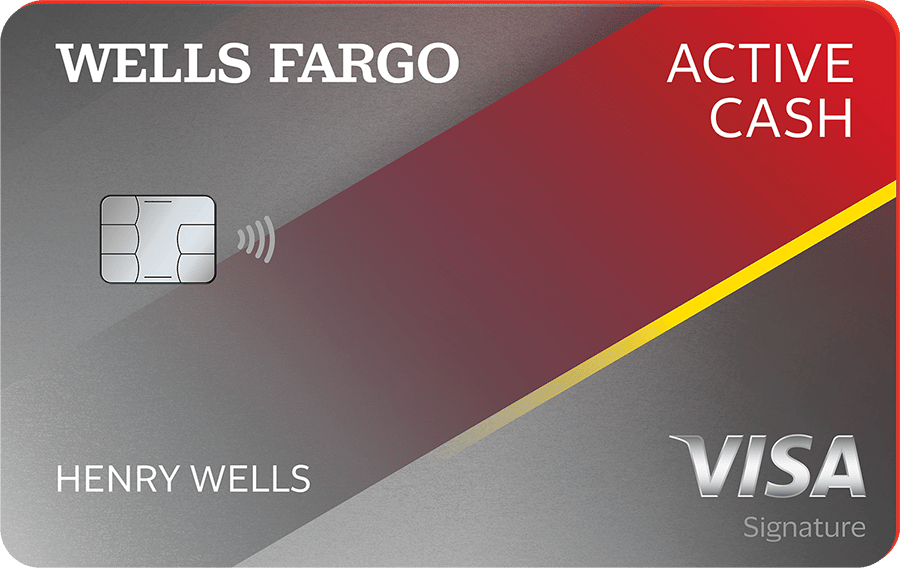
Alternatively, consider a card that isn't tied to a college savings account but that earns more lucrative rewards. The Wells Fargo Active Cash® Card, for instance, earns 2% back on all purchases. There are no restrictions on what you can do with your cash back — you can manually deposit it into any 529 account of your choice or use it whatever way works best for your needs.