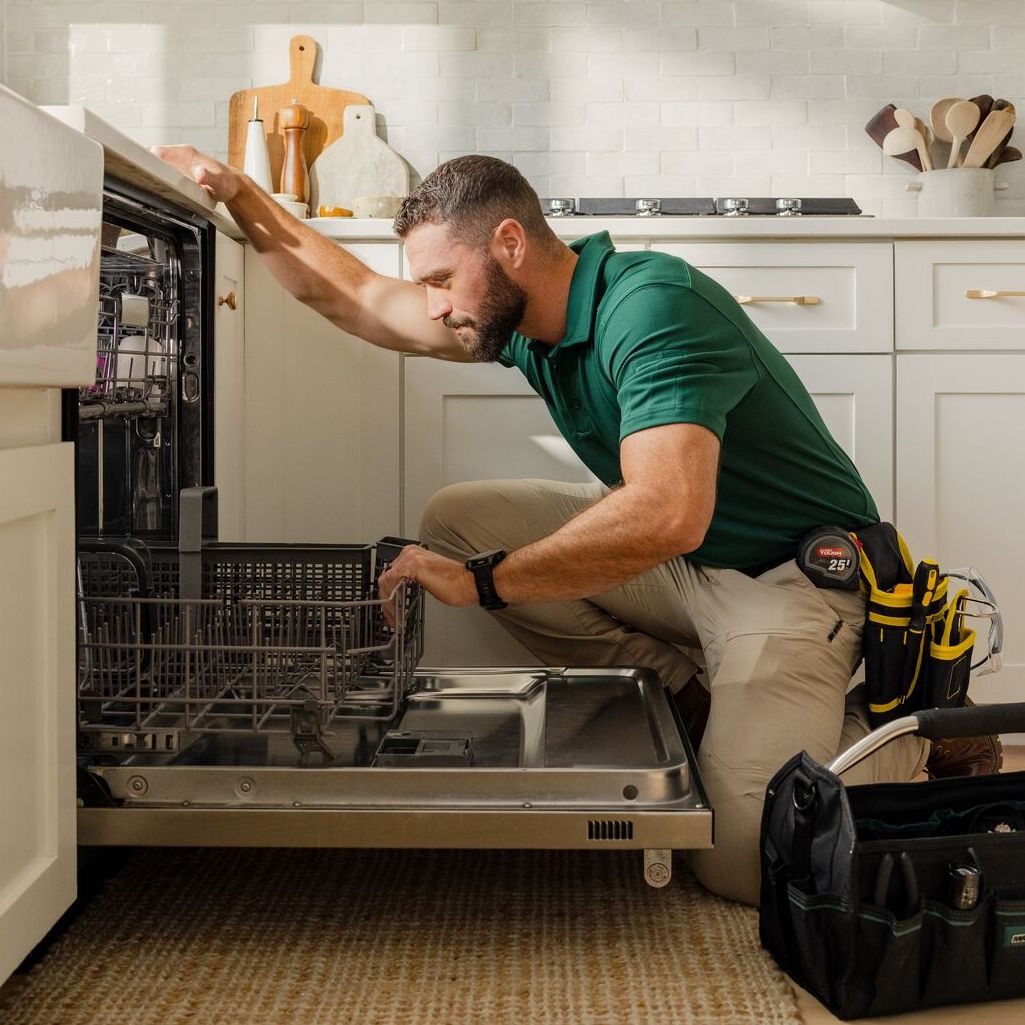






A home buyer’s warranty is a service agreement that covers some repairs on certain appliances and systems when someone buys a house. New homeowners can get them for existing houses and new construction. Who pays for the home warranty depends on the real estate contract.
» MORE: What is a home warranty?
What is a home buyer’s warranty?
When buying a house, most people rely on home inspections to tell them the condition of the house’s appliances or systems, such as the air conditioner. A thorough home inspection can point out issues such as plumbing problems or an inoperable oven — concerns that potential buyers might otherwise miss. But a home inspection doesn’t fix the problems it uncovers; that falls on whoever buys the house if repairs aren’t negotiated into the contract.
Have a home inspection coming up? It’s good to know the do’s and don’ts of a home inspection, including if you should be there with the inspector and how to use the inspection to negotiate a better price.
Some companies offer plans that are only for home buyers or sellers and include coverage that is more likely to be relevant for new homeowners or sellers who are worried about items breaking down while their houses are on the market.
Another option for homebuyers who are purchasing a home with older appliances or systems is to get a home warranty. This can help the new homeowners pay for repairs to certain items if they break down or malfunction after they purchase a house.
 | Best coverage for specific situations  |  |
Call Choice Home Warranty | Call American Home Shield | Call Select Home Warranty |
Limited-Time Deal: $75 off and 1st month of membership for free on Choice Home Warranty's website | on American Home Shield's website | Limited-Time Deal: $150 off any plan on Select Home Warranty's website |
Monthly fees About $49 and up Based on quotes without discounts collected in September 2025. | Monthly fees $20 and up Based on quotes without discounts collected in August 2025. | Monthly fees $60 and up Based on quotes collected in June 2025. |
Service fees $100 per claim | Service fees $100 or $125 per claim | Service fees $75-$100 per claim |
Plan types Comprehensive | Plan types Systems-only and comprehensive | Plan types Appliance-only, systems-only and comprehensive |
What does a home buyer’s warranty cover?
A home buyer’s warranty usually covers repairs or replacements for built-in appliances, major home systems or both. For example, some home warranty companies have plans only for kitchen appliances, sometimes including washer and dryer sets, as well as plans that only cover systems. But many companies have comprehensive plans that offer combined coverage of some or many systems and appliances.
The coverage depends on the plan you or a seller choose to purchase. The better the coverage, the more expensive the plan.
Should you get a home buyer’s warranty on a new construction? Most home warranties don’t cover repairs to appliances and systems that are under manufacturer warranties. If you’re buying a new house with items that will be covered by existing warranties, a home buyer’s warranty is unlikely to save you any money during the first year.
» LEARN MORE: What does a home warranty cover?
How much does a home buyer’s warranty cost?
The average cost of a home warranty is about $20 to around $120 per month. The price generally depends on the company, the plan, any supplementary coverage and your location.
» CHECK IT OUT: NerdWallet’s best home warranties
Who pays for a home buyer’s warranty?
Some sellers offer to pay for a home buyer’s warranty to give potential buyers peace of mind about the house’s appliances and systems. Purchasing a house with a home warranty means the new homeowners will have coverage if an included item breaks down during the first year of owning the house.
Real estate agents can also pay for a home warranty for their clients if a seller won’t pay for one.
Home buyers can purchase their own home warranties if a seller refuses to include one in the real estate contract.
» MORE: Are home warranties worth it?
4 tips for getting a home buyer’s warranty
Ask for a home warranty plan. You can ask the seller to pay for a home warranty plan if they don’t offer to buy one. They might refuse to do it, but it can be a negotiating point if the systems and appliances in the house are older.
Pay attention to the plan’s coverage. Most home warranty providers have multiple plans that include coverage for different systems and appliances. If someone else is purchasing a home warranty for you, look at the plan’s coverage to ensure it includes everything you want covered.
Shop around. If a home seller agrees to pay for a home buyer’s warranty, they might agree to pay a certain amount instead of picking a certain plan. If that’s the case, compare plans to see what coverage you can get for what the sellers are paying.
Verify if a plan can be transferred. If a seller says they’ll transfer their existing home warranty to the buyer, ask to see the plan’s coverage and the service agreement. Although many companies allow customers to transfer their home warranties, you don’t want to find out after purchasing the house that the warranty doesn’t transfer.
» LOOKING FOR HOME WARRANTIES? Check out NerdWallet’s best home warranties in California and best home warranties in Texas
What to know before buying a home warranty
Reading the coverage and exclusions information in your contract is one of the most impactful things you can do to avoid costly misunderstandings in the future. You have a right to read your contract before purchasing a plan, and it’s important to understand that home warranties:
Always have exclusions to coverage, no matter what their sales pitches say. Read your contract carefully before purchasing a plan — especially anything listed as an exclusion or limit of liability. For example, a company might cover air conditioning systems but exclude certain parts or components, such as coils. Other companies cover plumbing repairs but won’t pay to clear all plumbing stoppages or repair certain types of leaks.
Are not a type of insurance. Even though some companies call their service fees deductibles, home warranties do not work the same way as insurance policies. They differ in what they cover and how they pay for repairs or replacements. A home warranty is not a supplement for homeowners insurance.
Limit how much they pay. If the cost of a repair or replacement goes beyond a limit stated in your contract, you’ll have to pay the difference. For example, if the bill for a repair is $2,000 and the limit is $1,500, you’re required to cover $500. This is in addition to your monthly premium and service fee.
Can deny your claim for several reasons. Examples include if you had work performed on a covered item without approval or you modified the system or appliance.
May not pay enough to cover the full cost of replacing a covered item. Home warranties often depreciate the value of items as they age, so you’ll likely have to pay at least some money to replace an item, even if it’s covered by the contract.
What does it mean when a buyer asks for a home warranty?
Why would a seller offer a home warranty?
Is a home buyer’s warranty going to cover all repairs to a house?
Article sources
- 1.National Association of Realtors. Home Inspections. Accessed Apr 23, 2024.