Travel can be expensive, whether it's high gas prices during your road trip or increasing travel demand causing hotel and airline costs to rise.
But it doesn't have to be as costly as you might think. Often, people end up spend more money than they should simply by making mistakes that aren't immediately obvious at the outset. And some end up wasting time (and if time is money, then that's just as annoying).
NerdWallet's Smart Travel co-hosts, Sally French and Meghan Coyle, outlined some common money mistakes in an episode:
Knowing the common money mistakes can held you save money. But that's not all. We've also outlined 12 ways to save money on travel below:
1. Pack light
Avoiding checked bag fees isn't the only incentive to pack light. With a light suitcase or backpack, you're more agile, enabling you to navigate public transit rather than feel like you need to pay for a taxi.
So how do you pack light? Bring clothes that you can wash easily in a sink. Look for items that dry quickly, and pick clothes that you can mix and match. Default to basic items that go with pretty much any outfit, so you don't need to cram four pairs of shoes into your bag.
NerdWallet also recommends the 10-$10 Rule, which discourages packing "just-in-case" items and can free you from bringing stuff you might not actually use.
Plus, packing light means you won't be tempted to pay for souvenirs — because limited capacity in your suitcase or backpack will deter your urges.
» Learn more: 14 must-pack items we refuse to travel without

Subscribe to our free TravelNerd newsletter for inspiration, tips and money-saving strategies, delivered straight to your inbox.
By signing up, you will receive newsletters and promotional content and agree to our Terms of Use and acknowledge the data practices in our Privacy Policy. You may unsubscribe at any time.
2. Shop at local grocery stores
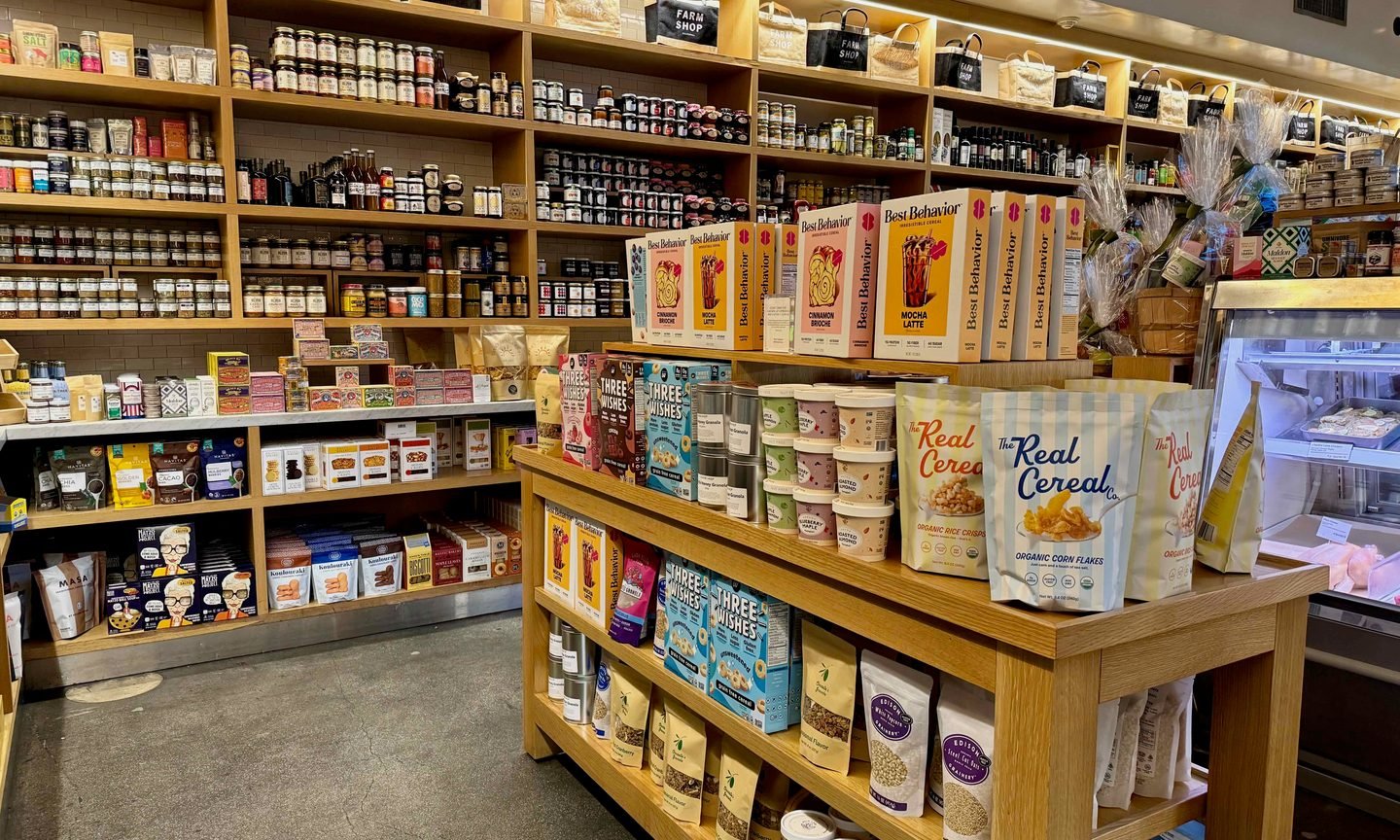
Visiting local markets can be an adventure on its own. As grocery stores embrace local items and high-quality hot foods, a trip to a local market can allow you to uncover different types of foods that you wouldn't necessarily come across at home. Often, it's cheaper than equivalent-quality food at a waiter service restaurant (and you'll avoid paying tax and tip).
Cities like Los Angeles are embracing grocery store tourism both through high-end shops that are hardly cheap, like Erewhon, to affordable, cultural markets like Mexican market Mercado González (which is just south of Los Angeles in Costa Mesa, Calif.).
Plus, having food on hand means you'll likely save money, as you'll be less tempted to buy the stale, overpriced muffin from the hotel cafe just because you were hungry.
3. Pack snacks


If you can't visit a local market, packing snacks from home is the next best thing.
Annoyingly, many protein-forward items require refrigeration, such as deli meats or greek yogurt. But on the bright side, neither requires any sort of cooking. As long as you have a mini-fridge, those items are good ones even if you don't have a full hotel kitchen (which isn't necessarily a money-saver anyway).
For something shelf-stable, prioritize protein-heavy items like jerky and protein bars, which can fill you up — without filling up too much space in your luggage. Candy, nuts and granola bars also pack well and can easily fill you up. For other treats, something like Shameless Snacks gummies are a great option (they come in a sweet and sour version too) as they’re low-calorie and surprisingly high in fiber (a real win when getting enough fiber on vacation can be tough). They’re also ideal for travel days or long flights since they don’t smell, making them the perfect in-flight treat.
Bottled water can also shape up to be a considerable expense when you're on the go. Assuming you have access to a clean water source, pack your canteen, and consider a portable water bottle that can collapse to fit in your pocket.
» Learn more: A beginner’s guide to budget travel
4. Get yourself into the airport lounge

Airport lounges offer one of the best ways to get food while traveling. Many premium travel credit cards offer lounge access as perks, generally through the Priority Pass lounge membership program. Food quality ranges by lounge, but you can usually expect light snacks like fruit, chips, cookies and coffee. The fancier lounges sometimes provide entire buffet meals.
Top cards with Priority Pass
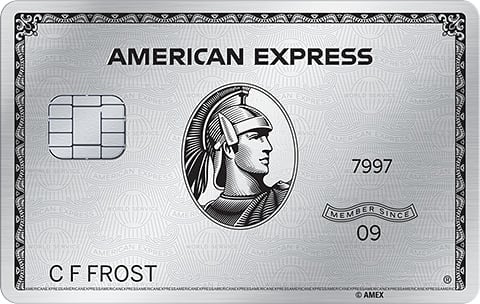
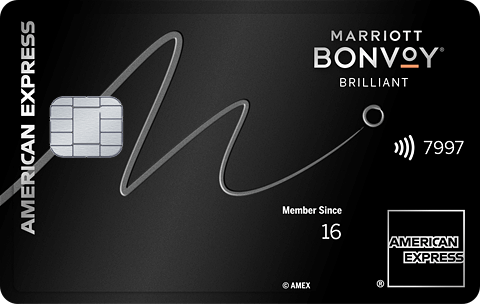
Annual fee
$895.
$650.
Priority Pass benefits
Priority Pass Select membership. Enrollment required.
Terms apply.
Priority Pass Select membership. Enrollment required.
Terms apply.
Learn more
Some of the best airport lounges in the world are run by big banks. Those include the Capital One lounges, which offer unlimited, complimentary access to cardholders of the Capital One Venture X Rewards Credit Card. There are also Chase lounges, as well as the AmEx Centurion Lounges.
Beyond food, lounges can provide Wi-Fi speeds typically faster than what's offered in the airport. In addition, some lounges offer showers, exercise rooms or massages. Get to the airport early to maximize the amenities.
5. Arrive early
Leave plenty of time to get to the airport early. If you're running late, you might hail an overpriced cab in a panic instead of taking public transportation at typically a fraction of the cost. You may also find that rideshare prices could be higher for routes to the airport at certain times. Having more time allows you to avoid the surge pricing.
Don't risk having to rebook a flight last minute because you arrived late.
» Learn more: 6 smart ways to travel cheaply
6. Get TSA PreCheck or Global Entry membership fees reimbursed
You can speed through airport crowds by applying for either TSA PreCheck or Global Entry. Both are types of Trusted Traveler programs offered by the U.S. Department of Homeland Security.
If approved, you'll be able to use expedited lanes, which typically have shorter, quicker lines because travelers aren't forced to remove their laptops, belts or jackets. According to TSA's data, 99% of TSA PreCheck passengers waited less than five minutes in March 2025.
Certain credit cards will reimburse your application fee, typically $85 for TSA PreCheck or $120 for Global Entry (though the TSA PreCheck fee has recently changed to $78).
Cards that reimburse TSA PreCheck® fees
Terms apply.
Cards that reimburse Global Entry fees
- Delta SkyMiles® Platinum American Express Card. Enrollment required.
- Delta SkyMiles® Reserve American Express Card. Enrollment required.
- Marriott Bonvoy Brilliant® American Express® Card. Enrollment required.
- American Express Platinum Card®. Enrollment required.
Terms apply.
» Learn more: How to add TSA PreCheck to your airline ticket
7. Take advantage of credit card free night certificates
Some hotel credit cards — even those with sub-$100 annual fees — offer free hotel night certificates. Assuming the value of your hotel room is more than the credit card's annual fee (which it very easily can be), it could be a smart move to get one of these cards to save some money with a free night stay.
Marriott cards with free night benefits
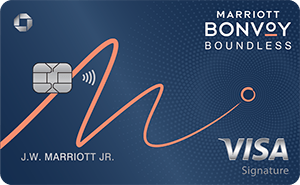
Annual fee
$95.
$250.
$650.
Free night benefit
• Free Night Award (valued up to 35,000 Marriott Bonvoy® points) every year after account anniversary.
• Free Night Award (valued up to 50,000 Marriott Bonvoy® points) after spending $15,000 in a calendar year.
• Free Night Award (valued up to 85,000 Marriott Bonvoy® points) every year after your account renewal month.
Learn more
Plus, these cards typically offer extra benefits like elite status, making your stay more enjoyable, and bonus points, which can make future stays free — or at least cheaper.
8. Book hotel rooms on points
Speaking of bonus points, it's almost always a good idea to spend your hotel points rather than save them. Booking rooms on points versus cash is certainly a smart way to avoid dipping into your cash savings for a vacation, but there are a few other benefits:
You may avoid resort fees: Resort fees (those extra charges that hotels impose to cover additional amenity usages like pools and Wi-Fi) are irritating, and they can sometimes run north of $50 per night. Thankfully, some hotel loyalty programs, including Hilton Honors and World of Hyatt, don't charge them for rooms booked on points.
You might get extra discounts: For stays booked on points, you might unlock additional discounts for staying longer. For example, you receive the lowest point-value night free for every five consecutive nights stayed at a Marriott property funded with Marriott Bonvoy points. Hilton has a similar policy where members with at least Silver Elite membership receive the fifth night free when booking on points.
9. Travel during the offseason or shoulder season
If you can travel during the offseason, that's not only a way to avoid crowds and the headaches that come with them, but you'll usually be able to get a better deal. A NerdWallet analysis of over 1,110 airfares found that airfares averaged more expensive for holiday travel than any other booking window.
Booking window | Average economy class cash airfare |
|---|---|
15 days out | $576.51. |
180 days out | $464.77. |
During the holiday season (Dec. 22-29) | $655.32. |
Airfares for flight routes during the holiday season average 41% more expensive than other flights booked roughly six months out during non-holiday seasons.
Shoulder season can be even better than off-season by providing the best of both worlds: lower prices that come with off season, but the better weather and reduced likelihood of closures that come with peak season.
10. Explore free tourist attractions

Even trips to notoriously expensive spots like San Francisco, New York City or Walt Disney World don't have to break the bank.
For example, there are tons of free and cheap things to do at Disney World. Ride around the monorail, or watch fireworks from the beach at Disney's Polynesian Village Resort. In addition, you can find free walking tours in most major cities (though tour guides typically rely on gratuity, so tip accordingly).
Prioritize the free tourist attractions over the ones that have a fee. For example, tickets to San Francisco's de Young Museum cost about $15, but you can go to one of its coolest rooms, the Hamon Observation Tower, for free panoramic views of the city.
And while there are dozens of excellent cultural institutions in St. Louis, start at the ones that have free admission, including the Saint Louis Art Museum, Saint Louis Science Center and Saint Louis Zoo. If time permits, then turn to the attractions with a fee.
» Learn more: How to find cheap activities in any city
11. Don't fall for the tourist tax
Knowing the general prices of things can help you avoid getting up charged with a so-called, unofficial "tourist tax."
For instance, look up average taxi costs before you travel so you know the ranges to expect. Consider researching typical prices for items at the market so you can haggle with confidence. Avoid overpaying on a bus fare by knowing how to purchase official tickets in advance.
12. Consider travel insurance
If you're worried about losing the value of upfront travel costs, consider purchasing travel insurance. This optional standalone insurance can be purchased separately from your airfare.
But you might not even need to pay out-of-pocket for trip insurance because many credit cards offer travel insurance as a built-in benefit to customers who pay for travel expenses such as flights or hotels on that card.
Sometimes, though, not even trip insurance will guarantee a refund. Unless you’ve purchased a Cancel For Any Reason policy, which is usually more expensive, you’re only entitled to a refund if you cancel for a covered reason.
How to save money on travel
Travel costs can add up. Your vacation might not be as cheap as that slick airfare deal may have led you to believe when you factor in other expenses. Often, vacation spending can rocket past your initial budget once you're out on the road.
Saving money on travel with these tricks can give you more freedom to spend where you need, whether that's on this trip or your next one.
To view rates and fees of The Platinum Card® from American Express, see this page.
To view rates and fees of the Marriott Bonvoy Brilliant® American Express® Card, see this page.
How to maximize your rewards
You want a travel credit card that prioritizes what’s important to you. Here are some of the best travel credit cards of 2026:
- Flexibility, point transfers and a large bonus: Chase Sapphire Preferred® Card
- No annual fee: Wells Fargo Autograph® Card
- Flat-rate travel rewards: Capital One Venture Rewards Credit Card
- Bonus travel rewards and high-end perks: Chase Sapphire Reserve®
- Luxury perks: American Express Platinum Card®
- Business travelers: Ink Business Preferred® Credit Card
Explore more on