


An EIN-only business card doesn't rely on your personal credit for approval, but you still need to give your Social Security number to apply. Card issuers use it to verify your identity, but typically don't check your credit. Instead, they base approval decisions on your company's financial performance. Common types of EIN-only business cards include corporate cards, revenue-based cards, and fuel or fleet cards.
Business credit cards available with an EIN only
Corporate cards
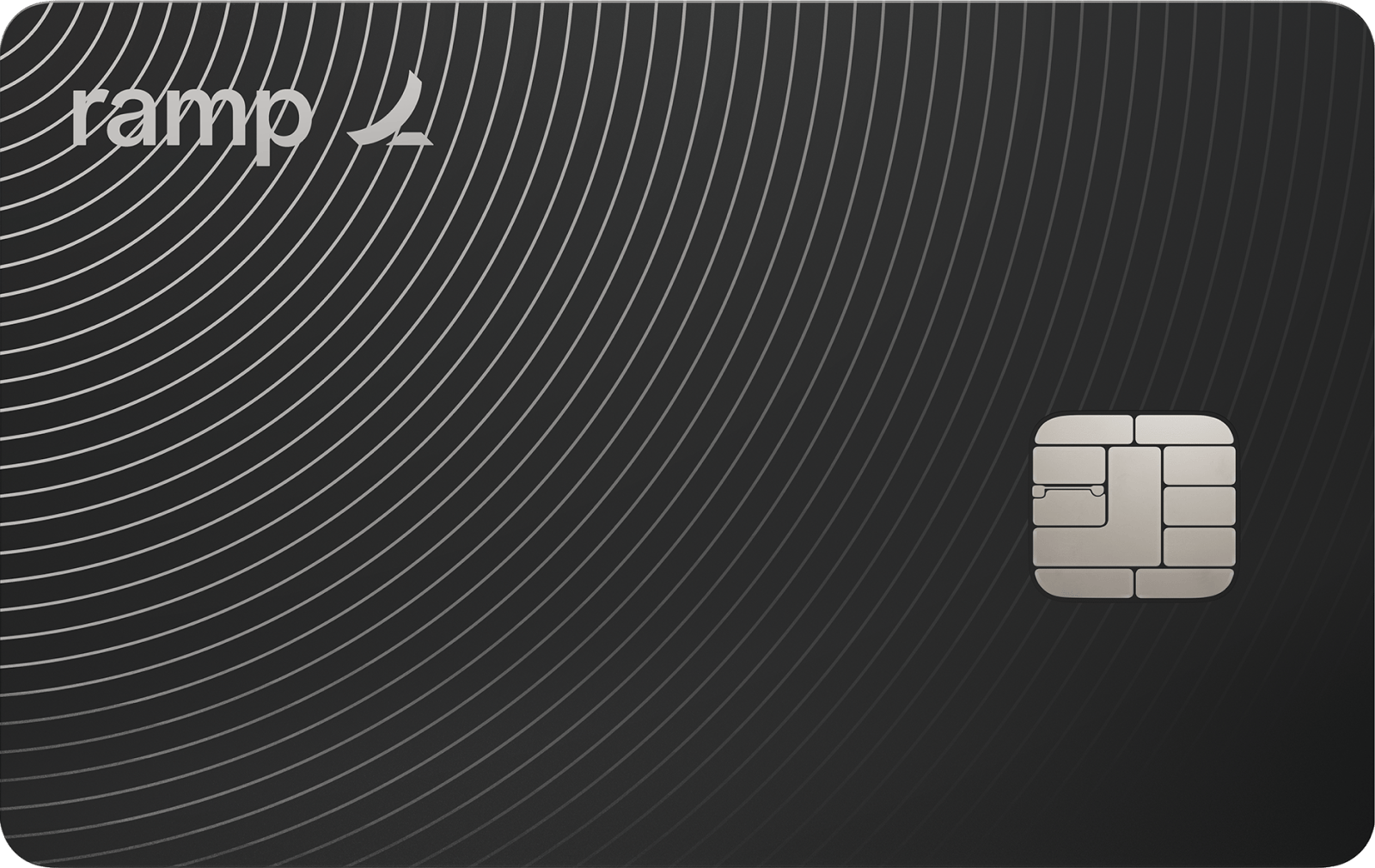
Ramp Card
This card is available to registered businesses that have at least $25,000 in a business bank account. For identity verification purposes, business owners have to provide their Social Security numbers or passport numbers, but there’s no credit check.
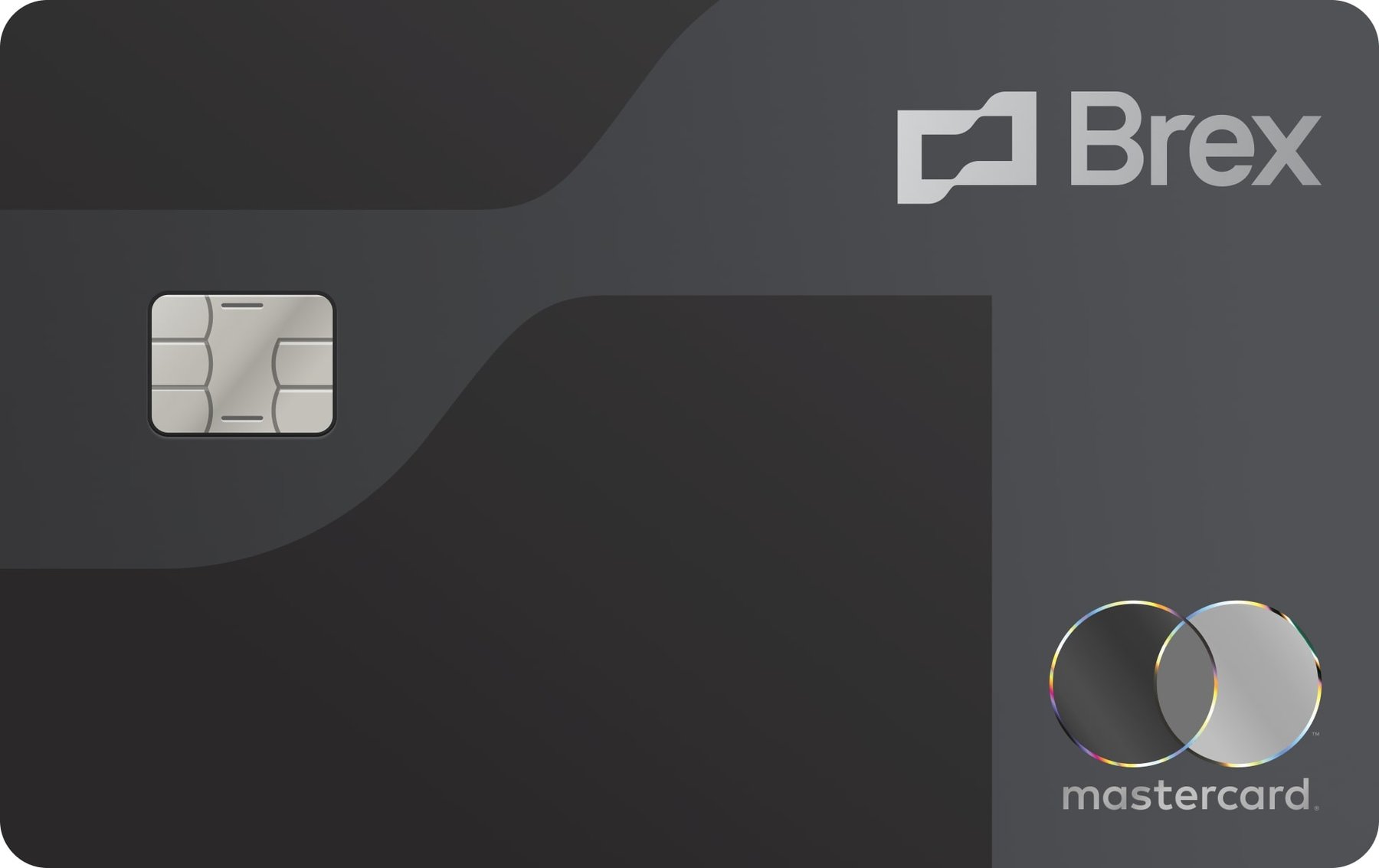
Brex Card
The Brex Card is designed for venture-backed startups. It offers standout rewards rates on travel, rideshares and restaurants. Brex doesn't require a personal guarantee or credit check.
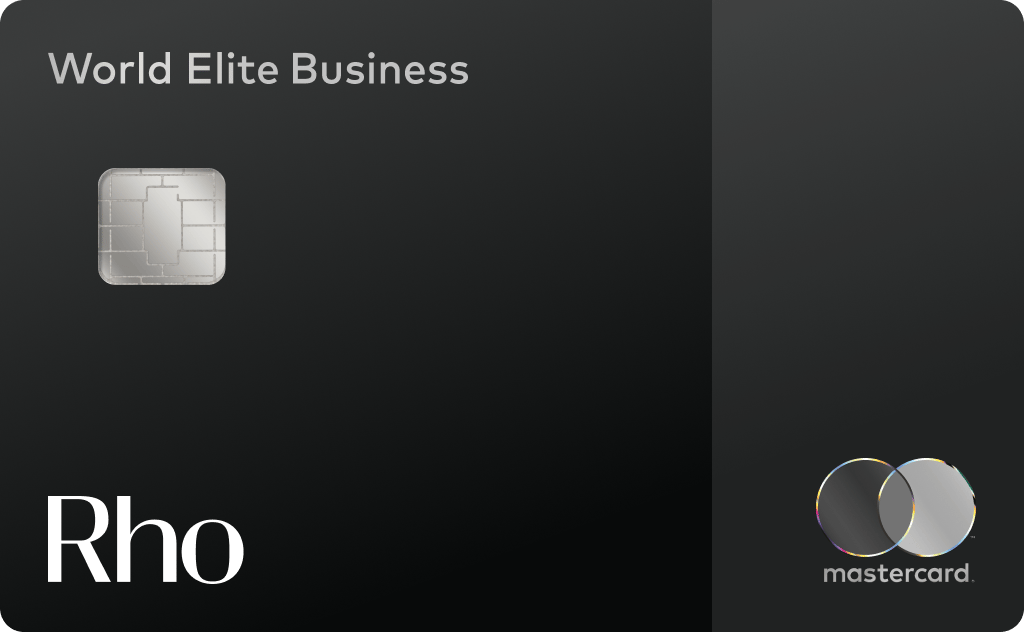
Rho Corporate Card
Rho has no minimum revenue or bank balance requirements. Instead, you'll submit 12 months of financial statements for credit limit approval. This card integrates with Rho's business cash management account, but you don't need to bank with Rho to qualify. Cardholders earn 1% cash back with monthly payments or 1.5% cash back with daily payments.
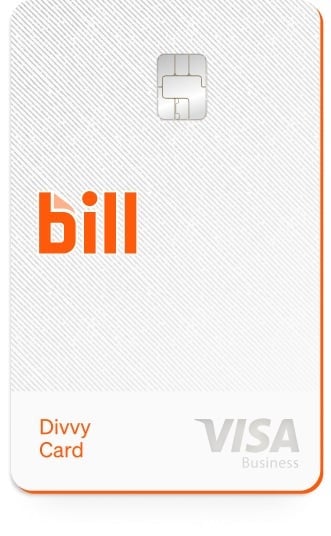
BILL Divvy Corporate Card
The BILL Divvy Corporate Card offers a wide range of credit limits — anywhere from $1,000 to $5 million — and has a minimum bank balance of $20,000. It's also available to sole proprietors (other corporate cards are not). You’ll have to provide your SSN or passport number as part of the application. BILL will check your credit, but it’s a soft credit pull. That means it will not affect your credit score.
Fuel cards
WEX FlexCard
This card lets you carry a balance, which can make it easier to manage your cash flow. You’ll get a promotional rebate of 3 cents per gallon at participating retailers for your first six months.
AtoB
These fuel cards can save you 45 cents per purchase on average, AtoB says. You can create spend controls on employee cards to limit fraud risk. AtoB also reports to Experian, helping you build business credit.
Coast
Coast may do a soft credit pull as part of its application. But the card doesn't require a personal guarantee. Coast offers rebates on gas (amounts depend on where you fill up). It also earns you 1% cash back on purchases not made at gas stations.
Payment processor credit cards
Companies with existing access to your revenue data may offer you EIN-only financing. For instance, payment processor Square invites certain users to sign up for its credit card. It bases eligibility on your payment processing history.
If you’re a sole proprietor, you have to provide your Social Security number when you sign up for Square. Other business types can use their EIN. And if you’re invited to apply for the credit card, Square says it won’t affect your personal or business credit.
Shopify also has a no-credit-check business card that some users are eligible for. Applicants have to provide a Social Security number to verify their identity. But qualification is based on your Shopify sales history, not your personal credit score.
To qualify for either of these cards, you’ll need to use the linked platform for at least a few months. You’ll also need consistent revenue.
Pros and cons of EIN-only cards
EIN-only business cards have distinct selling points. But there are also drawbacks versus other options. Here’s a general overview. (Remember, individual card details will vary.)
Pros
No personal guarantee.
Approval doesn’t depend on personal credit.
Robust expense management tools.
Potential for high spending limits.
Cons
Can’t carry a balance.
Strong business financials required for approval.
Ongoing rewards may be lacking or confusing.
Less competitive welcome bonuses (if even available).
Care more about the cons than the pros? A traditional business credit card may be a better fit. Check out our editorial team’s picks for the best options.
Alternatives to EIN-only business cards
Most business credit cards check your personal credit, and your score plays a big role in whether they approve you. So if your score keeps you from other financing options, make a plan to improve it. The stronger it is, the more options you’ll have.
Secured business credit cards: Best if you have bad or fair credit
A secured business card is a good option for business owners who want to build business credit but don't have the personal credit score or the business revenue to qualify for other options. You can’t apply with only your EIN. Secured business credit cards require an SSN or ITIN. But approval is not based on your personal credit score.
Our top choice is the Bank of America® Business Advantage Unlimited Cash Rewards Mastercard® Secured credit card. It earns unlimited 1.5% cash back on all purchases. You need to put down a security deposit (minimum of $1,000), which is equal to your credit limit. Bank of America will periodically review your secured card and may upgrade you to an unsecured card if and when you qualify. This card has no annual fee.
Business loans with EIN only: Best if you need more financing
If you need more runway than a secured card offers, look for a startup loan you can apply for with an EIN only. These loans may use personal or business assets to offset your lack of time in business. Others may come from alternative lenders with more lenient qualification requirements.
Many of these lenders will consider applicants with poor personal credit. They can fund amounts up to $1.5 million, depending on the type of financing and your available collateral. These loans can also build your business credit to help you qualify for additional financing in the future.
Who can get an EIN-only business card?
Most EIN-only options are corporate cards. Historically, you’d need millions in revenue and strong business credit to get these cards. Financial technology companies are making these more accessible.
Qualifications vary by issuer. But instead of focusing on personal credit, they’ll consider factors like:
Annual revenue and cash flow.
Business bank account balances.
Company size and type (sole proprietors typically aren’t eligible).
You may be able to get other EIN business cards based on the nature of your business. For instance, a commercial fleet operator could qualify for a fuel card. Or a company with strong sales may be eligible for a revenue-dependent credit line.
Can you apply for a business card with just an EIN?
Typically, no. Anti-money-laundering laws require card issuers to know who their customers are. So you’ll need to submit some kind of personal identification on an EIN-only business credit card application.
This could be your Social Security number, individual tax identification number or something else. For instance, Ramp lets you apply with a foreign passport and proof of address
Card issuers will use whatever you provide to verify your identity. But most won’t use this information to look at your personal credit. If they do, it will likely be a “soft pull” that won’t impact your credit score.
Trying to build credit for your EIN?
Traditional business credit cards can do that, too. And they're available to sole proprietors. Check out our favorites.
How does an EIN-only card affect your credit?
Activity on EIN-only cards typically won’t impact your personal credit. But this is true for most business credit cards. The majority only share information with consumer credit bureaus if your account is seriously delinquent. (Learn more about which business cards affect your personal credit.)
Generally, business credit cards report to commercial credit bureaus. That history leads to a separate set of business credit scores. This means you don’t need an EIN-only card to build business credit. You simply sync your EIN with your business credit card accounts. You can do this when you apply for a business card.
How to build your personal and business credit
An EIN-only card may be attractive if you have low or thin personal credit. But your personal credit score will play a role throughout the life of your business — for instance, when it’s time to apply for a business loan. Don’t let it hold you back. Here are nine steps you can take to build your personal credit.
Your company has business credit scores too. You can build this by establishing trade lines with your suppliers and using financing products that report to business credit bureaus.
Great business credit won’t cancel out bad personal credit. Improving both gives you the best shot at getting financing. Here’s how you can start building your business credit.
Business credit card methodology
NerdWallet's writers and editors monitor more than 70 business credit cards to select the best options without outside input from partners or other business interests. We evaluate business cards based on value and simplicity, weighing fees, sign-up bonuses and reward rates, alongside perks like interest-free periods, statement credits and elite status (for travel cards).
We consider more than 20 data points for each card we score, including detailed information about rewards, credits and fees. We gather this information from rates and fees documents, deposit account agreements, financial institution websites and company representatives.
Our editorial team regularly reviews and updates our data to ensure consistency and accuracy. We also update our scoring on an ongoing basis to reflect changing industry norms and business owner needs. For instance, in 2026, we added a small deduction for cards that don’t allow users to issue virtual cards and removed the small increase for cards with no preset spending limit.
Final star ratings range from one to five stars. A five-star score represents the best available product for the largest number of business owners. Learn how NerdWallet rates small-business credit cards.