







The investing information provided on this page is for educational purposes only. NerdWallet, Inc. does not offer advisory or brokerage services, nor does it recommend or advise investors to buy or sell particular stocks, securities or other investments.
Key takeaways
Prioritize savings if you don’t have an emergency fund.
Consider investing what you can if you’re eligible for a 401(k) match.
Choose saving over investing if you’ll need the cash in the near future.
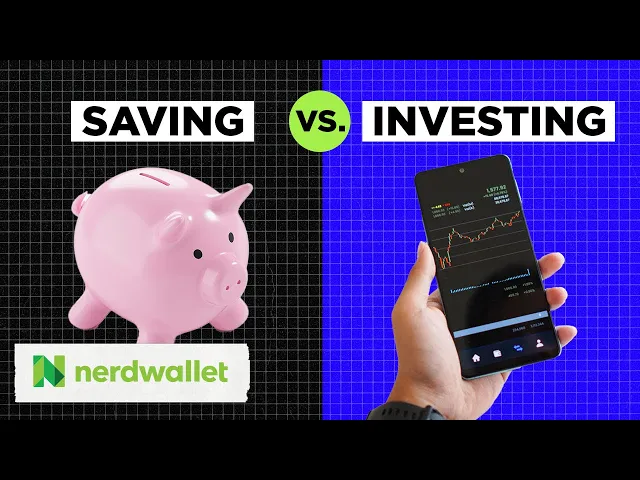
There’s a difference between saving and investing: Saving means putting away money for later use in a secure place, such as a bank account. Investing means taking some risk and buying assets that will ideally increase in value and provide you with more money than you put in, over the long term. And while saving offers a guaranteed return (that is, interest on your balance), investing includes the potential to lose money.
How do you know when to choose a savings account over an investment account, and vice versa? How do you choose a good bank account or brokerage? We have a few suggestions on how to prioritize saving and investing and how to find a good financial institution.

When to save vs. invest
Financial advisors say that having a financial cushion for emergencies should always be your first priority.
Saving is a smart first move if:
You don’t yet have emergency savings. While it’s generally considered ideal to save three to six months' worth of living expenses before investing, what’s more important is developing the consistent habit of saving. (Want more info? Read our emergency fund tips.)
You need the cash within five years. Maybe you have emergency savings and you’ve set your sights on another goal: a down payment on a house, for example. Or maybe you’re saving for an annual car insurance premium. Either way, shorter-term savings should stay in a savings account, where returns are guaranteed.
» Ready to earn interest? Check out the best places to save your money and earn interest
How to pick a good savings account
Almost every financial institution offers a savings account. Look for one that has:
FDIC insurance. This insurance protects you from money loss if your bank fails. It covers up to $250,000 per depositor, bank and ownership category (an ownership category could mean a single vs. a joint account). Although almost all banks have FDIC insurance, it's worth verifying when joining a new bank, especially if it's a neobank. Credit unions also offer federal insurance on your money, through the National Credit Union Administration.
A high annual percentage yield (APY). Many banks pay startlingly little — think 0.01% APY — on deposits. But online banks (which also offer FDIC insurance), can have rates around 4% APY.
No monthly fee. Find a savings account that’s free for you. Some banks charge no monthly fee. Others waive the monthly fee if you have a large enough balance or meet certain criteria.
» Check out where to stow your cash: Compare types of savings accounts
Whether you choose an online bank or a traditional bank that offers a nearby branch, when it comes to your savings, consider earning interest to be a top priority. And once you’ve found the right account, set up automatic transfers from your checking account so you can contribute effortlessly.
» Want more options? Check out NerdWallet's favorite high-yield online savings accounts
When to invest vs. save
Ideally, you’ll invest money for the long term — we’re talking mostly about retirement — at the same time as you’re putting money into savings. But sometimes investing has to take a back seat, with one notable exception:
You’re eligible for a 401(k) match. If your employer offers a 401(k) or other workplace retirement savings plan, it might also match a percentage of your contributions — up to, for example, 4% or 6% of your salary. This is free money, but the only way to get it is to sign up and contribute to the account.
Consider investing more money if:
You have a topped-up emergency fund — or you’re making good progress.
You’ve paid off high-interest debt.
You have long-term goals that will require a lot of cash.
Investing can offer healthy returns, but there are no guarantees. Losing money is possible, so consider your goals and risk tolerance when investing.
» Want to visualize how to prioritize your finances? Check out our complete cash flowchart
How to pick a good brokerage account
The first step to picking a good brokerage account is deciding how hands-on you want to be. Robo-advisors are often a good starting place. If you’d prefer a traditional brokerage, look for an account with low or no fees.
» Want to comparison shop? Check out NerdWallet's favorite robo-advisors
If this all seems like a lot, keep in mind that the best banks, credit unions and brokerages can make things easier. Once you’ve found the right financial institution and set up automatic transfers, your money has the potential to grow without you needing to lift a finger — and soon your emergency savings goal or retirement may not feel so far away.