




When the Canada-based BMO bank acquired Bank of the West, headquartered in the U.S., in 2021, American consumers gained access to BMO’s credit card portfolio, which includes personal and business cards.
As of this writing, BMO offers cash-back cards, travel cards, a 0% APR/balance transfer card and a secured card.
Here’s what you need to know about these cards before deciding whether to apply for one.
🤓 Nerdy Tip
At the time of publication, BMO credit cards were available to consumers in 30 states: Arizona, California, Colorado, Delaware, Florida, Georgia, Idaho, Illinois, Indiana, Iowa, Kansas, Maryland, Massachusetts, Minnesota, Missouri, Nebraska, Nevada, New Jersey, New Mexico, New York, North Dakota, Ohio, Oklahoma, Oregon, South Dakota, Texas, Utah, Washington, Wisconsin and Wyoming. For a break on interest: BMO Platinum Credit Card
If you need an extra-long reprieve from interest, your best option among the BMO cards is the Platinum Credit Card. For a $0 annual fee, cardholders get 0% APR on purchases and balance transfers for 15 months (as of this writing). There are two important caveats to these offers, though: You may lose the 0% APR benefit if you make a late payment, and the balance transfer must be completed within 90 days of account opening in order to get the 0% APR offer.
The balance transfer fee for all of BMO’s personal credit cards is $10 or 4% of the amount of the balance transfer, whichever amount is greater. BMO only allows balance transfers of credit card debt. And as is standard with most issuers, it doesn’t permit transfers between BMO accounts.
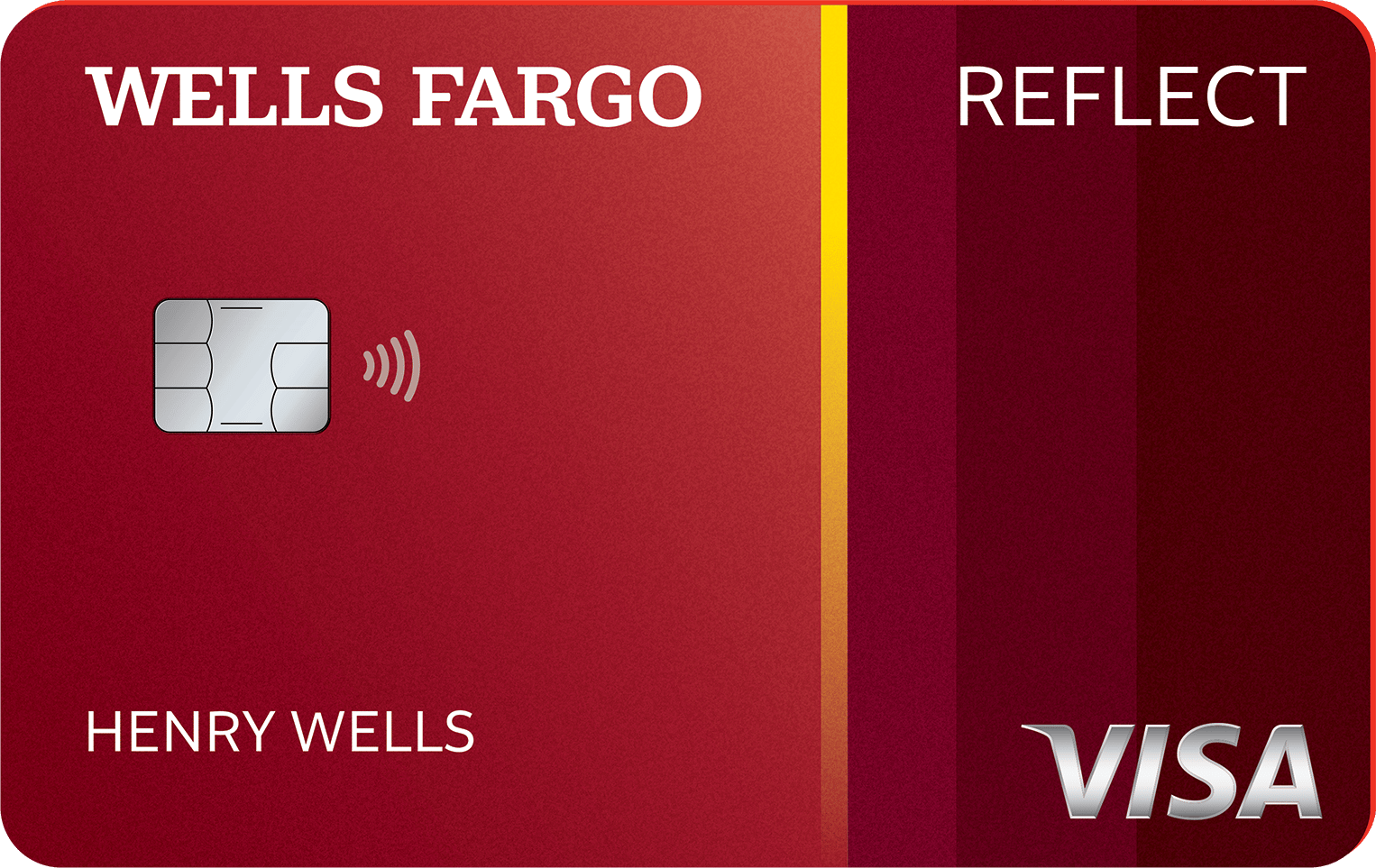
As balance transfer offers go, this is a decent one, but it's possible to find credit cards with longer interest-free promotions. The Wells Fargo Reflect® Card, for instance, offers 0% intro APR for 21 months from account opening on purchases and qualifying balance transfers, and then the ongoing APR of 17.49%, 23.99%, or 28.24% Variable APR.
🤓 Nerdy Tip
All of BMO’s publicly available personal credit cards offer cell phone protection plans. Cardholders are eligible for up to $400 in coverage except for Premium Rewards cardholders, who get up to $600 worth of coverage. To qualify for cell phone insurance, you must pay your cell phone bill with a qualifying BMO credit card. A $50 deductible is required for each claim. For building credit: BMO Boost Secured Credit Card
BMO’s lone secured card requires a $25 annual fee and a minimum $300 security deposit. Those numbers are on the higher end compared with other secured cards. The Discover it® Secured Credit Card, for example, has a $0 annual fee and a $200 minimum security deposit — and it earns rewards, which the Boost Secured card does not.
However, the Boost Secured does offer two benefits rarely found in other cards for people with bad or limited credit: cell phone insurance and rental car insurance.
BMO offers two travel credit cards in its portfolio. The cards differ in annual fees, rewards and travel benefits.
The lower-tier travel option charges a $95 annual fee and earns the following:
- 4 points per $1 spent on eligible gas, EV charging, groceries and dining, up to $2,000 in combined quarterly spending.
- 2 points per $1 spent on eligible hotels and airfare, up to $2,000 in combined quarterly spending.
- 1 point per $1 spent on all other eligible purchases.
Other benefits:
- A welcome bonus of 35,000 bonus points when you spend $5,000 within 2 months of opening your account.
- 10% bonus points on your account anniversary (10% of total purchases made in the previous year).
- No foreign transaction fees.
BMO Escape Credit Card
The BMO Escape Credit Card is the highest-end card the bank offers. It charges an annual fee of $150 and features the following:
- 4 points per $1 spent on airfare and dining.
- 3 points per $1 spent on hotels, tours, travel agencies and cruises.
- 2 points per $1 spent on rideshare services, taxis and car rentals.
- 1 point per $1 on everything else.
- Note: For each bonus category, cardholders can earn bonus rates up to $3,000 in purchases per calendar quarter, and then 1 point per $1 after that.
Other benefits:
- A welcome bonus of 45,000 bonus points when you spend $5,000 within the first 3 months of opening your account.
- Up to $240 hotel credit per year, dolled out as $20 monthly, when you spend $200 on your card at any hotel worldwide.
- TSA PreCheck, Global Entry or NEXUS statement credit of up to $100, once every four years after an application fee is charged to your card.
- Two complimentary Priority Pass lounge visits.
- No foreign transaction fees.
Both cards earn Flex Rewards points, which can be redeemed for flights, hotels, merchandise, gift cards and statement credits, among other options. Point values vary depending on the redemption; cardholders can check the redemption value at www.bmoflexrewards.com.
For cash back: BMO Cash Back Credit Card and the BMO Platinum Rewards Credit Card
Two BMO cards would be good picks as cash-back cards. One earns direct cash back as a percentage of each purchase; the other earns BMO’s proprietary currency, Flex Rewards, which can be redeemed for cash back in the form of statement credit.
BMO Cash Back Credit Card
For straightforward cash-back rewards, the aptly named BMO Cash Back Credit Card is probably the better choice. It has the higher rewards rates, and the rewards categories represent a range of everyday spending. The $0-annual-fee Cash Back card earns:
- 5% cash back on eligible streaming, cable TV and satellite services.
- 3% cash back on eligible gas and grocery purchases, up to $2,500 in combined quarterly spending (1% after that).
- 1% cash back on all other eligible purchases.
The only redemption option is a statement credit. Rewards never expire as long as the account is open and in good standing.
As of this writing, the card also comes with the following sign-up bonus: Get a $200 cash-back bonus when you spend $2,000 within 3 months of opening your account.
BMO Platinum Rewards Credit Card
The Platinum Rewards card, like its Cash Back sibling, earns rewards on gas and groceries, but the rewards rates on the Platinum Rewards card are a hair lower. It earns:
- 2 Flex Rewards points per $1 spent on eligible gas and groceries, up to $2,500 in combined spending each calendar quarter (1x on all purchases after that).
- 1 Flex Rewards point per $1 spent on all other eligible purchases.
Redemption options for the Platinum Rewards card are the same as the Premium Rewards card because both cards earn Flex Rewards.
In favor of the Platinum Rewards card, its annual fee is also $0, and it has a good welcome offer: Get 25,000 bonus points when you spend $2,000 within 3 months of opening your account. It also gives cardholders a points bonus every account anniversary equal to 10% of the total points earned in the past year. The Cash Back card doesn’t award an annual bonus.
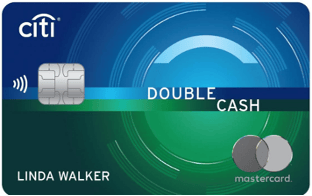
These are both decent options for cash back. But if you'd prefer a simple, high flat rate back on everything, without the need to keep track of bonus categories, you could consider a product like the Citi Double Cash® Card. It earns 2% cash back on every purchase: 1% back when you buy, 1% back when you pay it back.
The card has a $0 annual fee, and it also offers a 0% intro APR on balance transfers for 18 months, and then the ongoing APR of 17.49%-27.49% Variable APR.