Ramp and Brex are both financial technology companies that aim to help business owners track and manage company spending with software tools and financial products, including corporate credit cards.
Business owners can issue unlimited virtual and physical credit cards with both Brex and Ramp. Then, they can limit spending on those individual cards, create budgets, automatically categorize expenses and prompt users to upload receipts.
The key differences? Brex's eligibility criteria focus on venture-backed startups, enterprise companies and businesses with annual revenue in the millions. It’s best for businesses that fall into those buckets and want a linked Brex business account for banking.
Ramp serves a broader group of small businesses, but it lacks transparency around rewards and isn't built to support global businesses.
Brex acquired by Capital One
Brex was acquired by Capital One in April 2026. That leaves some uncertainty around what Brex's tools, pricing and support will look like in a year or two.
Ramp vs. Brex: Comparison at a glance
Ramp | Brex | |
|---|---|---|
Business entities that can qualify | Corporations, LLCs, limited partnerships and nonprofits. | Corporations, LLCs and limited partnerships. Nonprofits may be approved on a case-by-case basis. |
Bank balance and revenue requirements to qualify | At least $25,000 in cash. | For daily repayments: More than $1 million per year in revenue, more than 50 employees or equity investment. For monthly repayments: Accelerator or venture funding, at least $100,000 in angel investment and at least $50,000 in cash. Enterprise companies need at least $400,000 per month in revenue. |
Personal guarantee | Not required. | Not required. |
Annual fee | None. | None. |
Credit card rewards | Up to 1.5% cash back. | 7 points per dollar spent on rideshares and taxis. 4 points per dollar on travel booked through the Brex portal. 3 points per dollar on restaurants. 2 points per dollar on software. 1 point per dollar on all other purchases. Rewards rates may vary for certain customers. |
Customer support | Phone support available 24/7. But requests are typically routed to email and chat tools. Live chat available weekdays from 9 a.m. to 6 p.m. ET. | Live chat and phone support available 24/7. |
Do you have less than $50,000 cash on hand? Look at the BILL Divvy corporate card instead. That card works similarly to Ramp and Brex — it’s linked to expense management software, you’ll have to pay off your balance at the end of each statement period and it offers some rewards on your spending — but you may be able to qualify with as little as $20,000 in the bank.
Ramp card pros and cons
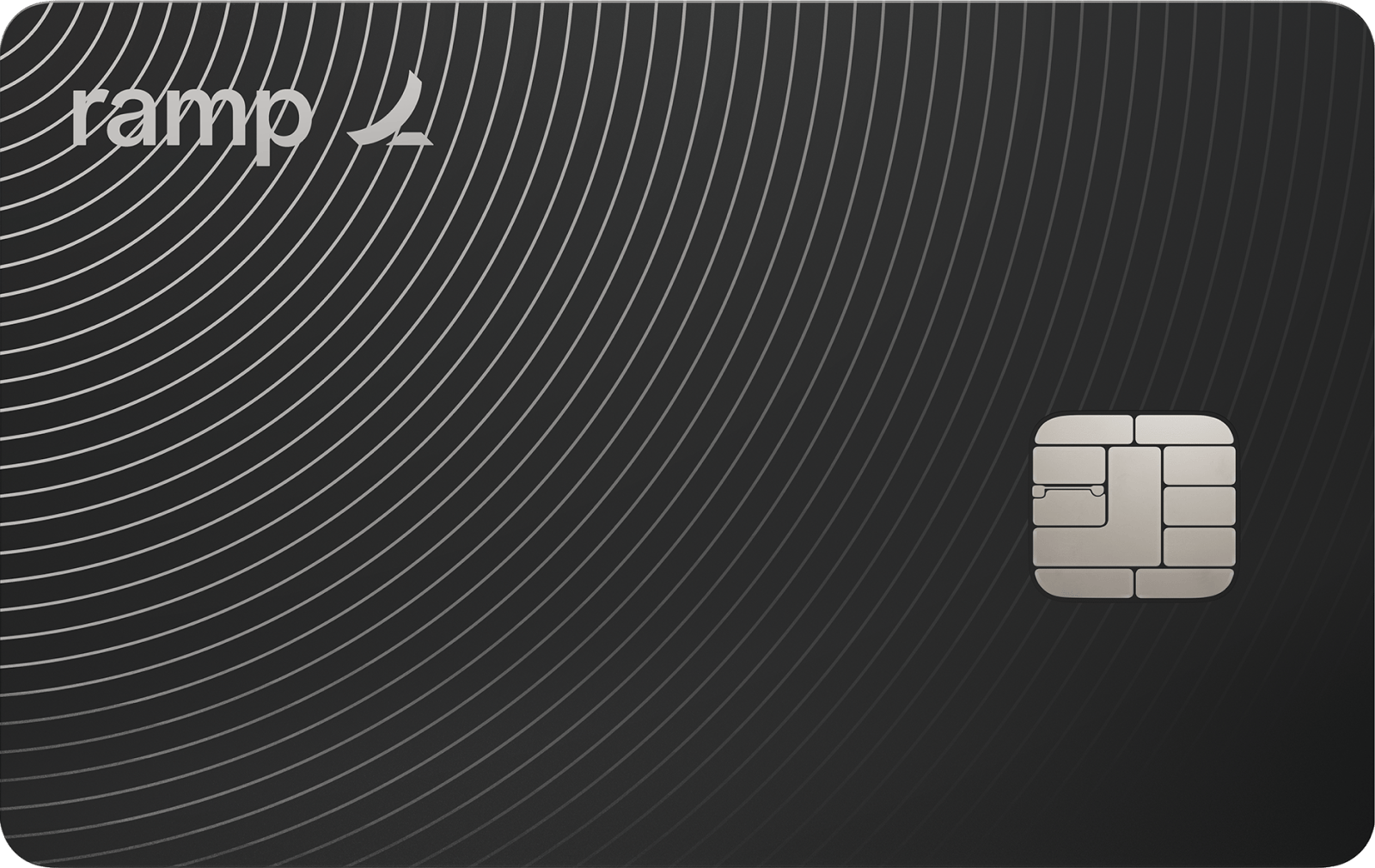
Pros
Card-level spending controls.
Automatic receipt matching and expense categorization.
Integrates with common business tools.
Cons
Reward rate varies by customer and is determined by Ramp.
Customer support relies heavily on automation.
Paid subscription required to get full suite of features, integrations.
Minimal support for global teams.
Where Ramp wins against Brex
Available to a wider variety of entrepreneurs
Ramp is available to most incorporated or registered companies, provided they have at least $25,000 in the bank. While that still leaves out a large number of business owners — the majority of entrepreneurs in the U.S. are sole proprietors — it’s much more inclusive than Brex, which requires venture or angel investment or annual revenue in the millions.
Flat-rate cash back
Flat-rate cash-back business credit cards offer two key advantages: You get money back on all your spending, regardless of whether it falls into certain bonus categories. And you don’t need to make purchases through a specific portal to maximize rewards.
Ramp's rewards structure is simpler than Brex's — but don't mistake simple for transparent. The exact reward rate varies by customer and ranges from 0% to 1.5%.
Brex card pros and cons
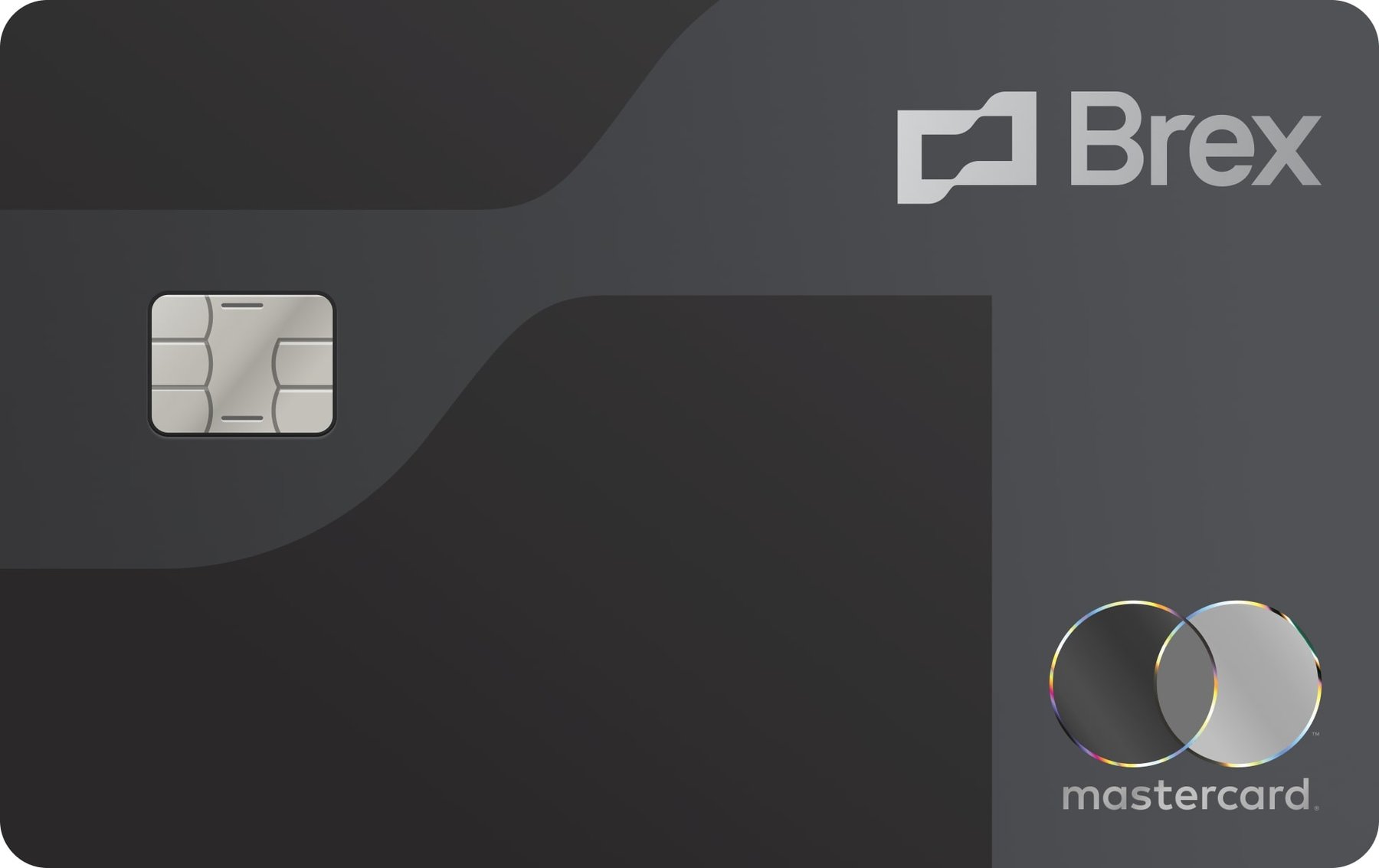
Pros
No annual fee or foreign transaction fees.
New cardholder bonus offer.
Bonus categories with high rewards rates.
Card-level spending controls
Cons
Complicated rewards structure.
High capital requirement for approval.
Daily repayment may be required.
Where Brex wins against Ramp
Support for global teams
Brex is the stronger pick for global teams. It supports multi-currency transactions natively and auto-reads receipts in any language. You do need to upgrade to unlock additional features, including locally funded accounts, VAT tracking, market-specific expense policies and card issuing in 60+ countries. Premium accounts cost $12 per user per month. Enterprise pricing is by quote only.
Ramp's global capabilities are limited by comparison. Free and Plus users can pay international vendors and reimburse in local currencies, but everything runs through a U.S. dollar account. Local currency cards and multi-country card issuing are Enterprise-only. That's fine for mostly domestic businesses, but won't cut it for teams spread across multiple countries.
Rewards on travel spending
If your business spends significant amounts on travel and hospitality expenses and you’re willing to book flights and hotels through Brex’s portal, then Brex is likely to offer much more lucrative rewards than Ramp. Its rewards rates are up there with traditional business travel credit cards — including up to 3x points on restaurants, 4x on travel portal purchases and 7x on rideshares.
Traditional business credit cards vs. Ramp and Brex
In some instances, corporate cards like Ramp and Brex won’t make sense for your business. Instead, you should consider a traditional business credit card if:
Your business is a sole proprietorship. Corporate credit cards aren’t available to sole proprietors.
Your business doesn’t meet Ramp and Brex’s minimum account balance requirements. Traditional business credit cards focus on your personal credit history — not your bank account balance — when evaluating your application for a card.
You want the option to pay off large purchases over several months. Corporate credit cards don’t let you carry a balance from one statement period to the next, and some may require you to make payments as often as every day.
Starting Small: A newsletter to get your business off the ground
Subscribe for grant opportunities, product recommendations and no-nonsense advice from the Nerds.
Ramp vs. Brex: Which one is right for your business?
Ramp is the better fit for most businesses — it's open to a wider range of companies and easier to qualify for. Brex is more selective. It's built primarily for venture-backed startups, established tech companies and life sciences firms. If your business doesn't fit that profile, Ramp is likely your path.
If you do qualify for Brex, it's worth a serious look. This is especially true if your team travels frequently. Brex offers elevated rewards on travel bookings, restaurants and rideshares that Ramp doesn't match. Its expense management platform also edges out Ramp on global functionality, with stronger multi-currency support and more robust international controls at comparable plan tiers.