Student credit cards are meant to ease new borrowers into the world of credit, allowing them to use and pay off a simple, straightforward card with a relatively low credit limit.
You typically have to be a student in order to qualify for such cards, and in fact, many issuers will verify your college enrollment.
However, there are some student credit cards that do accept nonstudent applicants. And there are alternative credit card options that can help nonstudents who are new to credit.
Trying to get approved for a card?
Create a NerdWallet account for insight on your credit score and personalized recommendations for the right card for you.

Generally, student credit cards are for students
Student credit cards are designed specifically for students, who typically lack the kind of established credit history that other traditional credit cards require. Because of this, the underwriting on student cards tends to be more lax, meaning in some cases you may be able to qualify with no credit.
However, the card's issuer will still typically require you to be enrolled in school.
For the Discover it® Student Cash Back, for instance, the issuer’s terms state that you must be a college student to be eligible for the card. Similarly, two student cards offered by Capital One — the Capital One Quicksilver Student Cash Rewards Credit Card and the Capital One Savor Student Cash Rewards Credit Card — require that applicants confirm their student status. (After graduating or losing student status, holders can keep the card and continue to earn rewards.)
However, there are some student credit cards from certain issuers that don’t verify student status. For example, when you apply for any of Bank of America®'s student credit cards, the issuer will not verify your enrollment status. Yet Bank of America® may ask for proof of income to make sure you can pay your bill, after you’ve submitted an application.
Even if you're able to verify your student status, you'll also typically face age and income requirements to get a credit card. If you're under 21 and don't have an independent income, you'll need a parent or trusted adult to co-sign for you.
Not in school but looking for a first credit card?
If you're not a student, there are still several starter credit cards that you might qualify for.
Secured credit cards
Unlike traditional credit cards, secured credit cards require an upfront refundable cash deposit that is usually equal to your credit limit. This deposit limits the risk to the issuer, which makes such cards easier to get for individuals with poor credit (FICO scores of 629 or lower).
Some of them, like the Discover it® Secured Credit Card, even earn rewards. Plus, it does not require a credit score to apply.
With responsible card use, you’ll be able to get your deposit back when you close your secured card or upgrade to a traditional "unsecured" card.
Unsecured credit-builder options
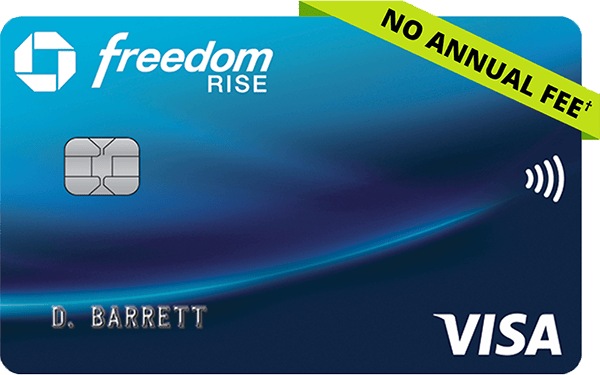
Some credit-builder cards are aimed specifically at those who are new to credit (but not for those with poor credit). One such example is the Chase Freedom Rise®. The $0-annual-fee card is an unsecured product, which means it doesn't require an upfront security deposit. It reports to the three major credit bureaus, offers an opportunity for holders to increase their credit limit, and even features a potential upgrade path to the Chase Freedom Unlimited® card for those who qualify. It also earns rewards: an unlimited 1.5% cash back on all qualifying purchases.
Cards for fair credit
Compared to those with poor or no credit, individuals with fair (aka "average") credit will typically have better card options, although it's still not a very lengthy list.
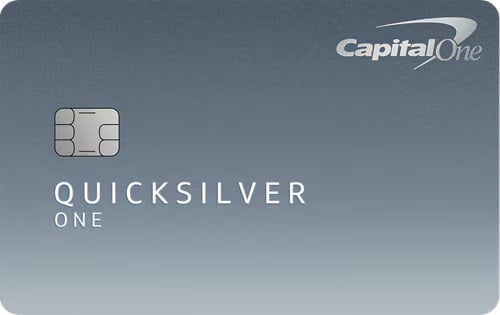
Such cards may feature annual fees and high interest rates, and they usually don't come with exceptional rewards rates, if they come with any at all.
A good example is the Capital One QuicksilverOne Cash Rewards Credit Card, which earns 1.5% cash back on all purchases (plus 5% back on hotels, vacation rentals and rental cars booked through the Capital One Travel portal) — but also charges an annual fee of $39.
Still, with responsible use, the best credit cards for fair credit can help you strengthen your credit and eventually qualify for better cards.
🤓 Nerdy Tip
Some co-branded store credit cards also have lower credit score requirements and can be good options for those with fair credit. The catch is that they tend to come with higher annual percentage rates and lower credit limits, and in some cases you may only be able to use them within a specific umbrella of store brands. Alternative credit cards
Rather than relying solely on FICO scores, some so-called alternative credit cards can use nontraditional underwriting methods to determine your eligibility, based on things like employment, bank account balances, income and more.
To become an authorized user, a primary cardholder must add you to their existing account. You’ll receive your own credit card tied to that account and will be able to make purchases with it, but the primary cardholder is the one who's liable for those charges, not you.
The major advantage of being an authorized user is that you may be able to benefit from the primary cardholder’s good credit habits, particularly if the card issuer reports authorized user activity to the three major credit bureaus.
Benefits of establishing credit early
If you can use it responsibly, getting a credit card as soon as you can is a good idea for several reasons:
- It helps build good habits. The way to establish good credit is to use borrowed money responsibly. Practicing good credit behavior such as paying your bill in full and on time each month will ultimately save you money in the form of access to lower interest rates in the long run.
- It gives you more time to establish credit. The length of your credit history is a major factor in your credit scores, so the longer you have accounts in your name, the better. Of course, simply having accounts open for a long time will not excuse bad credit behavior in other areas. But establishing good credit earlier on can help when it comes time to buy a house or finance a car in the future.
- You can get better credit cards earlier. If you're a student who maintains sound credit habits, you'll eventually have the opportunity to move on to higher-tier credit cards with better features. Those kinds of credit cards usually come with big sign-up bonuses and rich rewards that can save you money on everyday purchases.