





You could be denied a student credit card for a variety of reasons, like not having credit history or enough income. The issuer must provide a rejection notice informing you of the reason behind the decision.
But student credit cards aren't your only avenue to build credit. Student-friendly options with more flexible requirements may exist. But before finding the right one, you’ll need to understand the reason behind the rejection.
Here's what you can do if your application is denied, and some alternative options to consider.
Trying to get approved for a card?
Create a NerdWallet account for insight on your credit score and personalized recommendations for the right card for you.

Find out why you were rejected
Understanding the reason why your application was denied can help you determine whether you should eventually apply for a better-suited credit card. Read the credit card issuer’s rejection notice carefully to understand areas for improvement. If you keep getting denied a student credit card due to too many student loans, for instance, it may be a debt-to-income reason. You might have too much debt for the amount of income you bring in. It’s how lenders measure the ability to repay money borrowed.
Whether you have too much debt or not enough income, consider if you can handle getting a job while in school. In some cases, you may not have to make a change. If the rejection was due to lack of a credit history, for example, then you can apply for a card that doesn't require one.
🤓Nerdy Tip
Due to the Credit Card Act of 2009, it can be hard for people younger than 21 to get a student credit card without a parent co-signer unless they have sufficient independent income, and many issuers of student credit cards don’t allow co-signers.Be strategic in your pursuit of credit
Don’t apply for too many credit cards at once. Every time you apply for a credit card, it causes a temporary drop in credit scores. Give yourself some breathing room in between applications by waiting six months.
Improve your odds by applying for options that allow you to pre-qualify for a credit card without officially applying. Since it's not an application, it doesn't impact your credit scores. You’re submitting your personal information so that the credit card issuer can review it and present you with ideal options for your credit. Pre-qualifying for a card isn’t a guaranteed approval; it's more of a soft “yes." Once you officially apply for a card, the credit card issuer reviews your credit report to make a decision, and it does temporarily impact credit scores.
Consider alternative options to build credit
There are other ways to establish credit other than student credit cards. In recent years, more credit-building cards have become available.
Here are a few beginner-friendly options to consider that don’t require a credit history.

Discover it® Student Chrome
The $0-annual-fee Discover it® Student Chrome doesn't require a FICO credit history. If you can get approved, it offers decent rewards for a student credit card. Cardholders earn 2% cash back at gas stations and restaurants (on up to $1,000 in combined purchases each quarter) and 1% on everything else. There’s also a welcome bonus, phrased this way: INTRO OFFER: Unlimited Cashback Match for all new cardmembers. Discover will automatically match all the cash back you’ve earned at the end of your first year! There’s no minimum spending or maximum rewards. You could turn $50 cash back into $100. Or turn $100 cash back into $200. Payments are reported to all three credit bureaus (TransUnion, Equifax and Experian), which helps you build credit.
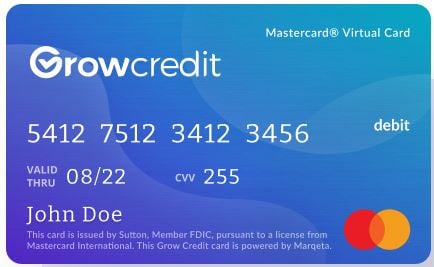
Grow Credit Mastercard (Build Secured plan)
The Grow Credit Mastercard is not a traditional credit card and doesn't require a credit history. Interest charges don’t apply because you cannot carry a balance from one month to the next.
For students with an eligible email address from an accredited college or university, the Build Secured plan may be available for $1 per month. The Build Secured plan requires a security deposit of $17, which will set your monthly spending limit for the card. With that spending limit, you can pay an eligible subscription like Netflix, Hulu, Spotify or Pandora, for example. Payments to the Build Secured plan are reported to all three major credit bureaus as a $204 line of credit — a key component in establishing a credit history.
After six months of consecutive on-time payments, you can potentially upgrade to a Grow membership plan ($3.99 per month as of April 2022), which is reported to credit bureaus as a $600 line of credit. If you stay on track with payments, this change should improve credit scores because your credit utilization ratio will decrease. It’s a key factor in your credit scores. After 12 months of on-time payments, you may get your initial $17 deposit back.
Discover it® Secured Credit Card
Secured credit cards can be a great option, but their security deposit requirement may be difficult to meet on a student budget. If you can manage to save the money or get a parent to help fund a security deposit, it’s one of the better credit-building options.
The $0-annual-fee Discover it® Secured Credit Card, for instance, requires a minimum $200 security deposit. The amount deposited determines your credit limit. With on-time payments, you’ll get that deposit back after closing the account or upgrading to a regular Discover credit card. Payments are reported to the three major credit bureaus.
The card also earns 2% cash back at gas stations and restaurants on up to $1,000 in combined purchases each quarter. All other purchases earn 1%.
Explore other options
If you can’t qualify for any of the options mentioned previously, there are other ways to establish credit. Here are a few to consider:
- Authorized user. If someone with good credit is willing to give you the opportunity to become an authorized user on their account, their on-time credit card payments could reflect well on your credit history. Authorized user status allows you to have a credit card with your name on it that is tied to someone else's credit card account.
- Rent-reporting services. Rent-reporting services can build credit, for free or for a fee, by recording rent payments on your credit reports. For some rent-reporting services, your landlord may be required to participate and verify payments.
- Experian Boost. Experian Boost builds credit by recording cell phone and utility payments on your Experian credit report. Creating an account through Experian’s website is free. To use this service, you’ll have to connect the bank accounts used to pay cell phone and utility bills.