We believe everyone should be able to make financial decisions with
confidence. While we don't cover every company or financial product on
the market, we work hard to share a wide range of offers and objective
editorial perspectives.
So how do we make money? Our partners compensate us for advertisements that
appear on our site. This compensation helps us provide tools and services -
like free credit score access and monitoring. With the exception of
mortgage, home equity and other home-lending products or services, partner
compensation is one of several factors that may affect which products we
highlight and where they appear on our site. Other factors include your
credit profile, product availability and proprietary website methodologies.
However, these factors do not influence our editors' opinions or ratings, which are based on independent research and analysis. Our partners cannot
pay us to guarantee favorable reviews. Here is a list of our partners.
Should You Open a Store Credit Card for the One-Time Discount?
The discounts can be tempting, but make sure you understand all the terms before you jump on your favorite store's credit card.
Anisha is a former personal finance writer for NerdWallet. She has worked for Silicon Valley startups as well as in the public sector and has contributed to publications including Technorati and Women Grow Business. She studied applied mathematics and economics at Brown University.
Erin is a former writer and assigning editor on the NerdWallet Content team who now heads NerdWallet's travel business. She's a credit card and travel rewards expert at NerdWallet, based in Baltimore, Maryland. She has spent nearly two decades showing readers unique ways to maximize their investments and personal finances. Prior to joining NerdWallet, Erin worked on dozens of newsletters and magazines in the areas of investing, health, business and travel with Agora Publishing. Her love of travel led to a passion for credit card and loyalty rewards to subsidize trips, and she thrives on teaching others how to harness the power of credit card rewards. When she's not helping NerdWallet readers find the best travel value, Erin is planning her next adventure for her family of four using points and miles.
Updated
How is this page expert verified?
NerdWallet's content is fact-checked for accuracy, timeliness and
relevance. It undergoes a thorough review process involving
writers and editors to ensure the information is as clear and
complete as possible.
As you did your holiday shopping in recent years, you were probably deluged with offers to save money by signing up for a store’s credit card. Sales associates often offer customers a one-time discount of 10-15% for applying. The savings can be tempting if you're making a large purchase, but are store credit cards a good idea in the long run? It depends.

Who doesn't want to be rewarded?
Create a NerdWallet account for personalized recommendations, and find the card that rewards you the most for your spending.
Unfortunately, no matter how good the discount sounds, store credit cards are usually a better deal for the issuer than they are for you. Consider:
The terms. While the average interest rate for an American credit card typically hovers around 15%, those for retail credit cards are usually upwards of 20%. Many also have a lower-than-average credit limit, and some can only be used at the store that issued them.
Your credit score. Every time you apply for a new card, your credit score takes a small hit. If you have good credit otherwise, this may not affect you much, unless you apply for several cards close together. However, your credit may be damaged in other ways. For example, because of their lower credit limits, store cards could drive up your debt-to-credit ratio.
Temptation. You may sign up for a store credit card for savings, but if it leads you to spend more than you intended — either on the day you sign up, or subsequently — is it worth it? If you can’t keep an eye on your purchases as closely with a store credit card as you can without one, you might be better off without.
As always, opening a credit card should not be done on impulse. Review all the factors carefully before deciding whether or not it’s worthwhile; don’t let your sales associate pressure you. After all, would you make any other important financial decisions in a busy check-out line?
🤓Nerdy Tip
Store credit cards will either be "open-loop" or "closed-loop." Open-loop cards function like any other credit card: You'll be able to use it anywhere the payment processor is accepted. Closed-loop cards can only be used at the store issuing you the card.
NerdWallet's ratings are determined by our editorial team. The scoring formula takes into account the type of card being reviewed (such as cash back, travel or balance transfer) and the card's rates, fees, rewards and other features.
If you’re generally financially responsible — paying your balance in full each month and spending within your means — having a credit card issued by one or two of your favorite stores may not be a bad idea. Many companies offer exclusive discounts or generous financing terms throughout the year to those holding their cards.
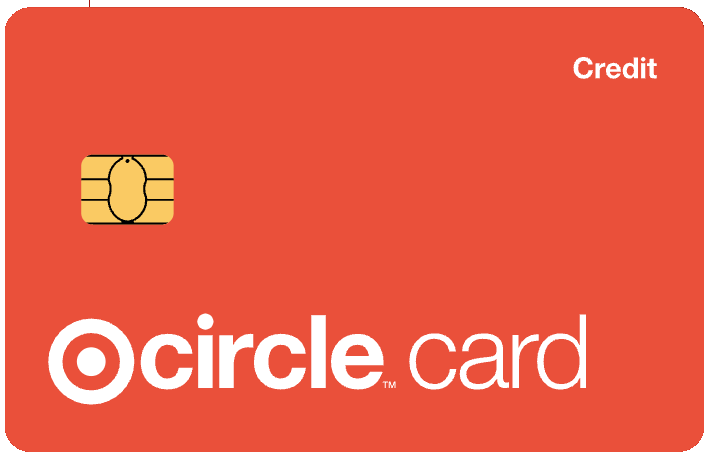
TheTarget Circle™ Credit Card, for example, offers a 5% discount on Target purchases, plus free shipping, exclusive offers and early access to promotions. If you're a frequent Target shopper, those perks give this card long-term value.

NerdWallet's ratings are determined by our editorial team. The scoring formula takes into account the type of card being reviewed (such as cash back, travel or balance transfer) and the card's rates, fees, rewards and other features.
Even a one-time discount could save you a lot of money, if you have a large purchase coming up. For people renovating a home or buying a new appliance, the MyLowe’s Rewards Credit Card could be especially useful. New cardholders get 20% off their next purchase. It's capped at $100 in savings, but that's still a good deal if you're about to make a major purchase.
Moreover, if you want to improve your credit, department store cards can be more accessible than other cards. They also add variety to the types of loans you have out, as well as raise your overall credit limit and increase the number of open accounts.
Just be sure not to sign up for cards at too many “favorite” stores. Having many credit accounts increases the risk of overspending if you use them, and the risk of identity theft if you don’t.
🤓Nerdy Tip
Many store cards offer financing options with 0% interest. If you don't have cash for a necessary purchase, this can help you avoid interest, but make sure to look at the terms. A lot of these offers feature deferred interest, so if you don't pay off the entire balance before the financing period ends, you'll be on the hook for interest on the entire purchase — not just on the remaining balance.
There’s no right or wrong answer when it comes to store credit cards. If it’s a bad idea for you to sign up for another card, making it a retail-issued card just makes it worse. But if you have good credit and can take advantage of the discounts that come with the card without going overboard, it might be useful. You may also be better off signing up for a standard rewards card, though, so evaluate all of your options before taking the plunge.
Whether you want to pay less interest or earn more rewards, the right card's out there. Just answer a few questions and we'll narrow the search for you.