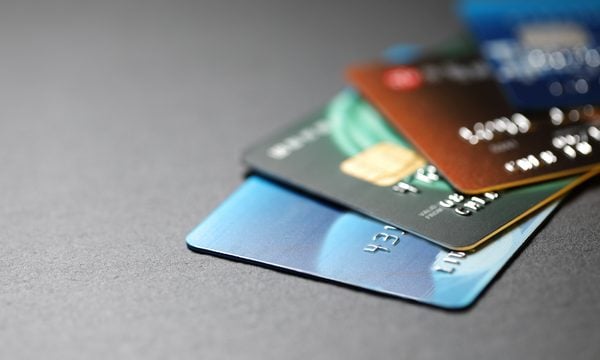





Two rewards credit cards can be better than one — as long as you're prepared for a little extra legwork to maximize those rewards. The right combination will depend on your spending habits, but in general, your options include:
A bonus category credit card: These cards earn a higher rewards rate (often 3% to 5% back) on specific kinds of purchases like food, travel, gas, groceries, etc. — but a lower rate (usually 1%) on everything else.
A flat-rate rewards card: These cards earn the same rewards rate on all purchases, regardless of category. The industry standard was once 1.5% back on everything you buy, but higher flat rates now exist.


You don't have to settle for either/or. Why not get both: a high rewards rate on the spending you do the most of, and a decent rate on anything else that doesn't fall into those categories. Here are some of our favorite pairings:
Our pairing for: Cash back
Discover it® Cash Back and Citi Double Cash® Card
Doubling up on cash-back credit cards can yield hundreds of dollars in rewards annually.
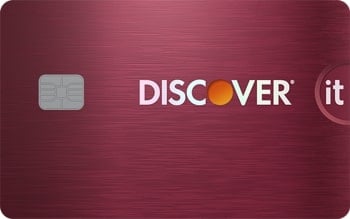
The $0-annual-fee Discover it® Cash Back offers 5% cash back on up to $1,500 in combined spending in bonus categories that rotate each quarter when you activate. (All other purchases earn 1%.) In the past, bonus categories have included things like gas stations, restaurants, grocery stores and wholesale clubs.
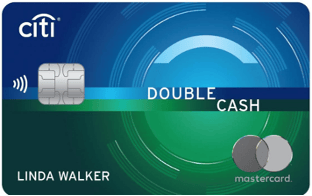
For anything that doesn't fall into a bonus category, you could use a flat-rate credit card so you don't have to settle for just 1% back on those purchases. One excellent choice among flat-rate cards is the Citi Double Cash® Card. It offers 2% cash back on purchases: 1% back when you buy, and 1% back when you pay your purchases off.
So to recap, you'd use the Discover it® Cash Back for purchases that fall under a bonus category, and you'd swipe or dip the Citi Double Cash® Card for everything else.


Our pairing for: Frequent travelers
Chase Freedom Flex® and Chase Sapphire Preferred® Card
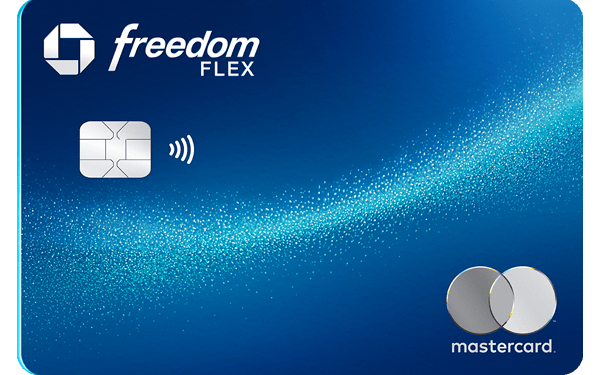
The Chase Freedom Flex® earns 5% back in rotating bonus categories throughout the year, up to the quarterly maximum of $1,500 (you must opt-in each quarter to get those earnings), and 1% back on all other non-bonus-category purchases.
The Chase Sapphire Preferred® Card ($95 annual fee) offers 5 points per dollar spent on travel booked through Chase, 3 points per dollar spent on eligible dining, select streaming services and select online grocery purchases, 2 points per dollar spent on all other travel and 1 point per dollar spent on all other purchases.
These two cards work well together because you can transfer your points — aka Chase Ultimate Rewards® — from your Chase Freedom Flex® to the Chase Sapphire Preferred® Card account and redeem them for travel through Chase's online portal, in which case they're worth more. Another option is to transfer them to one of Chase's multiple travel partners, usually at a 1:1 ratio.
Using both strategically is key. For example, use the Chase Freedom Flex® when it’s earning 5% cash back on products or services you already buy. Most of the time, using the Chase Sapphire Preferred® Card on dining and travel is ideal (unless, of course, the Chase Freedom Flex® is featuring restaurants as a 5% bonus retailer).
» MORE: What is the Chase 'trifecta'?
Our pairing for: Families
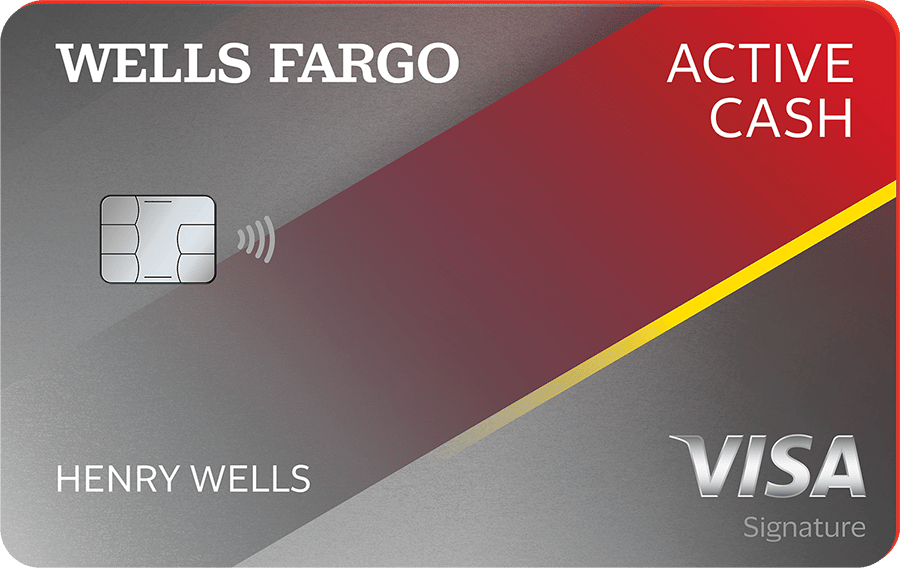
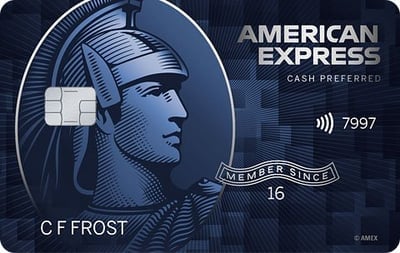
Blue Cash Preferred® Card from American Express and Wells Fargo Active Cash® Card
If you've got a lot of hungry mouths to feed, the Blue Cash Preferred® Card from American Express can be a valuable companion. It earns 6% cash back at U.S. supermarkets on up to $6,000 in spending per year, 6% back on select U.S. streaming subscriptions, 3% back on transit and U.S. gas stations, and 1% back on everything else.* Terms apply (see rates and fees). It comes with a fee, currently: $0 intro annual fee for the first year, then $95 But if you spend at least $31 a week at the supermarket, you'll make up for that cost in rewards.
Use that card for groceries, Netflix and gas, and pair it with a card like the $0-annual-fee Wells Fargo Active Cash® Card, which earns 2% cash back on all eligible purchases.
Our pairing for: Everyday purchases
Citi Strata Premier® Card and Citi Double Cash® Card
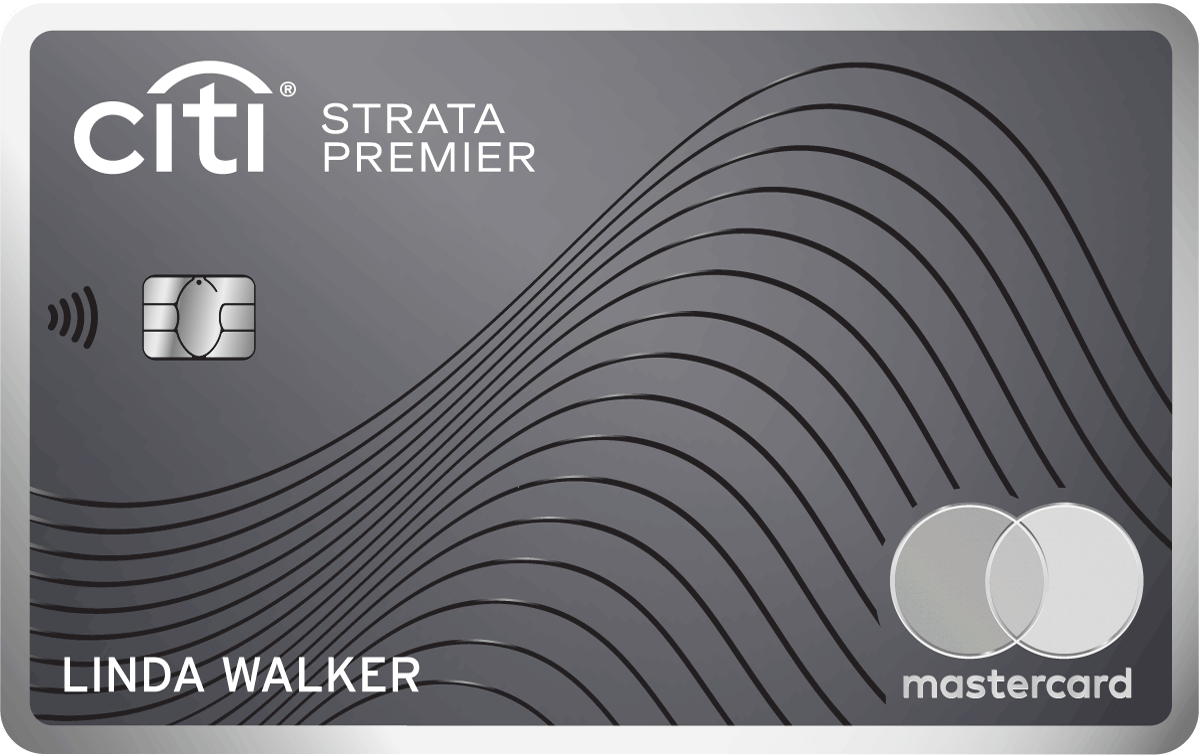
The $95-annual-fee Citi Strata Premier® Card and Citi Double Cash® Card are an excellent duo for everyday use. The Citi Strata Premier® Card earns 3 ThankYou points per dollar spent on air travel and most hotels, 3 points at supermarkets, 3 points at gas stations and 3 points at restaurants. You'll also earn a whopping 10 points per dollar on hotels, car rentals and attractions booked through Citi. Everything else earns 1 point per dollar.
The Citi Double Cash® Card can compliment just about any card, but it’s especially compatible with the Citi Strata Premier® Card since both earn rewards as ThankYou points. The Citi Double Cash® Card gets you 1% back when you buy and 1% back when you pay off your purchases. You could use this card to earn cash back on all other purchases outside of the elevated rewards categories of the Citi Strata Premier® Card. Being able to pool your points from both cards is useful if you want to make a significant redemption like travel. You can also transfer points to Citi’s travel partners to potentially get more value.
Full list of Citi transfer partners
Transfer ratios will vary depending on which card you have.
Airlines
American Airlines (1:1 or 1:0.7 ratio).
Air France/KLM (1:1 or 1:0.7 ratio).
Asia Miles (1:1 or 1:0.7 ratio).
Avianca (1:1 or 1:0.7 ratio).
Emirates (1:0.8 or 1:0.56 ratio).
Etihad (1:1 or 1:0.7 ratio).
Eva Air (1:1 or 1:0.7 ratio).
Japan Airlines (1:1 or 1:0.7 ratio).
JetBlue (1:1 or 1:0.7 ratio).
Qantas (1:1 or 1:0.7 ratio).
Qatar Airways (1:1 or 1:0.7 ratio).
Singapore Airlines (1:1 or 1:0.7 ratio).
Thai Airways (1:1 or 1:0.7 ratio).
Turkish Airlines (1:1 or 1:0.7 ratio).
Virgin Atlantic (1:1 or 1:0.7 ratio).
Hotels
Accor Live Limitless (2:1 or 2:0.7 ratio).
Choice Hotels (1:1.5 or 1:1.05 ratio).
The Leading Hotels of the World (5:1 or 5:0.7 ratio).
Preferred Hotels & Resorts (1:2 or 1:1.4 ratio).
Wyndham (1:1 or 1:0.7 ratio).
Events
Virgin Red (1:1 or 1:0.7 ratio).