

Capital One Platinum Secured Review: Great Choice for Bad Credit

The Bottom Line
4.8
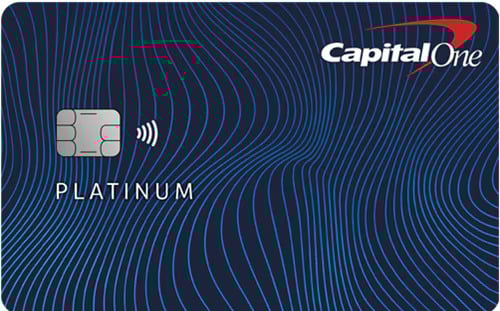
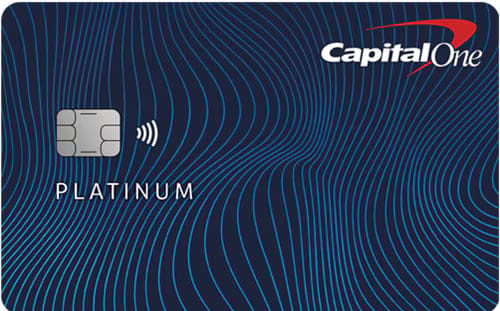
Flexible security deposit requirements and a $0 annual fee make this an excellent option for people building or rebuilding credit.
Rates, fees and offers
Rates, fees and offers
Annual fee
$0
Rewards rate
N/A
Bonus offer
None
Intro APR
N/A
Ongoing APR
APR: 28.99% Variable APR
Cash Advance APR: 28.99%, Variable
Balance transfer fee
Balance Transfer Fee applies to balances transferred at a promotional rate
Foreign transaction fee
None
More details from Capital One
More details from Capital One
- No annual or hidden fees. See if you're approved in seconds
- Building your credit? Using the Capital One Platinum Secured card responsibly could help
- Put down a refundable security deposit starting at $49 to get at least a $200 initial credit line
- You could earn back your security deposit as a statement credit when you use your card responsibly, like making payments on time
- Be automatically considered for a higher credit line in as little as 6 months with no additional deposit needed
- Enjoy peace of mind with $0 Fraud Liability so that you won't be responsible for unauthorized charges
- Monitor your credit score with CreditWise from Capital One. It's free for everyone
- Get access to your account 24 hours a day, 7 days a week with online banking to access your account from your desktop or smartphone, with Capital One's mobile app
- Top rated mobile app
Pros and Cons
Pros
No annual fee
Qualify with limited/bad credit
No foreign transaction fees
Report to three major credit bureaus
Cons
Requires minimum deposit
No rewards
High APR
Detailed Review
Pulling together the money for a security deposit can be a significant hurdle in getting a secured credit card, which is one of the best tools for building or rebuilding your credit. The Capital One Platinum Secured Credit Card makes deposits a little less daunting, and that's a big reason why it's long been one of NerdWallet's favorite secured cards.
With an annual fee of $0 (see rates and fees) and a handful of features of special interest to people working on improving their credit score, the Capital One Platinum Secured Credit Card is a solid option for building credit.
Capital One Platinum Secured Credit Card: Basics
Card type: Secured.
Annual fee: $0.
Interest rate: The ongoing APR is 28.99% Variable APR.
Deposit requirement: Qualified applicants can get a $200 credit limit with a deposit as low as $49. According to Capital One's website for this card, though, some applicants will have a required deposit of $99, while others will have to put down the full $200. You can deposit more money before your account opens to increase your credit limit up to a maximum of $1,000, the website says.
Rewards: None.
Foreign transaction fees: None.
This card is different from the similarly named Capital One Platinum Credit Card. While that card is also for building credit, it's generally designed for people with higher scores in the "fair" or "average" range. Most significantly, it does not require a security deposit. Read our review of the Capital One Platinum Credit Card here.
Compare to Other Cards


Benefits and Perks
Security deposit flexibility
Like all secured credit cards, the Capital One Platinum Secured Credit Card requires a refundable security deposit. With most secured cards, your credit limit is equal to your deposit, but the Capital One Platinum Secured Credit Card allows for a lower deposit for those who qualify. Your deposit may be $49, $99 or $200 for a starter credit line of $200, according to Capital One's website for this card. You can increase your limit up to $1,000 by making more than the minimum deposit before activating your account.
Even better, if you can’t pay your security deposit upfront, Capital One will let you pay it in installments of at least $20, as long as you provide the full amount within 35 days of approval, according to the website for this card. This is a great benefit for those on a fixed income.
Access to a higher credit line
Make your monthly payments on time, and you could get access to a higher credit limit in as little as six months without having to deposit more money. A higher credit limit gives you increased flexibility, but more important, it can help your credit by reducing your credit utilization, a key factor in your credit score. The lower your utilization, the better. If you have a $200 credit limit and a balance of $60, your credit utilization is 30%, which is about as high as you want it to go. If your credit line gets bumped up to, say, $300, your utilization drops to 20%.
Freedom from fees
Credit cards for people with bad credit or no credit are notorious for high fees. That's one of the reasons NerdWallet recommends secured credit cards for building credit: You have to put down a security deposit, but you get that money back when you close the account in good standing or upgrade to a regular unsecured card. The best secured cards charge reasonable fees. The Capital One Platinum Secured Credit Card keeps things light with an annual fee of $0 (see rates and fees). Like all Capital One cards, it doesn't charge foreign transaction fees, so you can take it with you if you're traveling abroad. According to the card's terms and conditions, it does charge late fees if you don't pay your bill by the due date. But you can avoid that simply by paying on time each month.
Upgrade potential
Capital One is one of the few major issuers offering credit cards for people in all credit score ranges. Its secured card is for people who are building credit. Its popular rewards cards, like the Capital One Venture Rewards Credit Card and the Capital One Quicksilver Cash Rewards Credit Card, are for people with good or excellent credit. But it also has excellent products for people in the middle, with fair or "average" credit. These include the Capital One Platinum Credit Card and the Capital One QuicksilverOne Cash Rewards Credit Card. As you use your card to establish a good payment history and build your credit, you may be able to upgrade your account to a credit card without a security deposit.
Drawbacks and Considerations
High APR
Like most secured cards, the Capital One Platinum Secured Credit Card charges a high interest rate. The ongoing APR is 28.99% Variable APR (see rates and fees). However, that doesn't have to affect you: Pay your balance on time and in full every month, and no interest will accrue. There's no introductory 0% APR period, but most credit cards for bad credit don’t offer one anyway, so you're not missing anything.
No rewards
The Capital One Platinum Secured Credit Card doesn't offer rewards. That shouldn't be a dealbreaker considering what you get a secured card for — building credit. With the low credit limits typical with secured cards and the simple fact that keeping a low balance is a smart move for building credit, you likely won't be doing enough spending to rack up significant rewards. Even so, there are some secured options that do earn rewards. Among them:
The Discover it® Secured Credit Card. This card pays 2% cash back on up to $1,000 spent per quarter on dining and gas, and 1% back on all other purchases. It has an annual fee of $0. There's even a bonus offer for new cardholders. However, there's a minimum security deposit of $200 without the potential flexibility of the Capital One card.
The Capital One Quicksilver Secured Cash Rewards Credit Card. This card pays 1.5% cash back on purchases and charges an annual fee of $0 (see rates and fees). It, too, has a $200 minimum deposit, although you can pay it in installments as with the Capital One Platinum Secured Credit Card.
To see more potential card options for building or rebuilding your credit, take a look at our best credit cards.
Bank account and credit check required
With the Capital One Platinum Secured Credit Card, you'll need to fund your security deposit with a bank account and Capital One could check your credit and employment history. That can present a hardship for applicants without a bank account or a credit history.
The opensky® Secured Visa® Credit Card doesn't perform a credit check when you apply, and you can pay your security deposit via a money order or Western Union if you don’t have a bank account. There is a $35 annual fee, however.
How To Decide If It's Right For You
If you’re working to build your credit, the Capital One Platinum Secured Credit Card is one of the better choices available. Its flexible security deposit requirements, low fees and upgrade potential make it a solid starter card.
No matter which card you choose, using a secured credit card responsibly can help you build your credit score. Keep it up, and you should be able to graduate to a card with lower fees and interest, greater rewards — and no security deposit at all.
No credit check, no bank account required
This card removes two major barriers for people with bad credit. It doesn't require a credit check, and you don't need a bank account. There's a $35 annual fee, though.
Looking For Something Else?
Methodology
NerdWallet reviews credit cards with an eye toward both the quantitative and qualitative features of a card. Quantitative features are those that boil down to dollars and cents, such as fees, interest rates, rewards (including earning rates and redemption values) and the cash value of benefits and perks. Qualitative factors are those that affect how easy or difficult it is for a typical cardholder to get good value from the card. They include such things as the ease of application, simplicity of the rewards structure, the likelihood of using certain features, and whether a card is well-suited to everyday use or is best reserved for specific purchases. Our star ratings serve as a general gauge of how each card compares with others in its class, but star ratings are intended to be just one consideration when a consumer is choosing a credit card. Learn how NerdWallet rates credit cards.
Frequently asked questions
What is the credit limit on the Capital One Platinum Secured card?
What is the credit limit on the Capital One Platinum Secured card?
With secured credit cards, your credit limit is typically equal to the amount of your deposit. However, with the Capital One Platinum Secured Credit Card, some applicants may be eligible for a $200 credit limit with a deposit of $49, $99 or $200, according to the issuer's website. You can increase your credit limit to up to $1,000 by depositing more than the minimum before activating your card. Pay on time each month, and you can be automatically considered for a higher credit line in as little as six months with no additional deposit.
How long does it take for a Capital One Platinum Secured card to become unsecured?
How long does it take for a Capital One Platinum Secured card to become unsecured?
Use your card to establish a good payment history and strengthen your credit, and you may be able to upgrade your account to an unsecured credit card. The amount of time this takes can vary.
Does the Capital One Platinum Secured card build your credit?
Does the Capital One Platinum Secured card build your credit?
The Capital One Platinum Secured Credit Card reports your account activity to the three major credit bureaus. Keeping balances low and making on-time payments can help build your credit, but late payments can hurt it
What credit score is needed for the Capital One Platinum Secured card?
What credit score is needed for the Capital One Platinum Secured card?
You can qualify for the Capital One Platinum Secured Credit Card with very limited or bad credit, including scores below 630. However, approval is not guaranteed. Even with secured cards, issuers will look at your income, debts and other factors.
How do I use my Capital One Platinum Secured card?
How do I use my Capital One Platinum Secured card?
To open your account, you must pay your security deposit within 35 days of being approved for the card. From there, you use your card to make purchases just like you would with any other credit card, and you pay your bill each month. Important: Your deposit is not "loaded" onto the card, and it is not used to pay for your purchases. The issuer holds the deposit in case you don't pay your bill. If you upgrade to an unsecured card or close your account in good standing, your deposit will be refunded.
About the author
Sara Rathner
Senior Writer/Spokesperson
