

Every time.
We believe everyone should be able to make financial decisions with confidence. While we don't cover every company or financial product on the market, we work hard to share a wide range of offers and objective editorial perspectives.
So how do we make money? Our partners compensate us for advertisements that appear on our site or when you click to or take an action on their website. This compensation helps us provide tools and services - like free credit score access and monitoring. With the exception of mortgage, home equity and other home-lending products or services, partner compensation is one of several factors that may affect which products we highlight and where they appear on our site. Other factors include your credit profile, product availability and proprietary website methodologies.
However, these factors do not influence our editors' opinions or ratings, which are based on independent research and analysis. Our partners cannot pay us to guarantee favorable reviews. Here is a list of our partners.
Best Credit Cards for Bad Credit of October 2026


You can get a credit card with bad credit, but it won't be one of those cards you see advertised with rich rewards or exclusive perks. It will probably be fairly basic. And that’s OK. You’re not going to be relying on this card forever. The idea is to use it to build or rebuild your credit, then move on to a better option.
Read MoreShow Less
What to look for in a credit card for bad credit
A credit card for bad credit has only one job that matters: to help you improve your credit. Don't expect a card to significantly expand your spending power. (Your credit limit will likely be low, and you may have to put down a cash security deposit equal to that limit.) And don't expect rewards or perks. (Rewards, when offered, are modest, and small credit lines effectively cap how much you can earn.) Look for a card that's accessible and that helps you build credit without too much out-of-pocket cost.
When you have bad credit, accessibility is probably the biggest hurdle — and the biggest trap. Some cards promise easy approval but charge high fees that can amount to hundreds of dollars a year. Secured credit cards offer an alternative: You provide a deposit of $200 or more, which the card company holds as collateral in case you don't pay your bill (and which can be refunded to you later on). That protects the issuer, which makes these cards easier to qualify for. There are also cards with no deposit requirement and relatively affordable annual fees, even $0 in some cases.
To help you bolster your credit, a card should report your account information to all three major credit bureaus, so positive behavior — paying on time, keeping balances low — will flow to your credit report and scores. Also helpful is free access to a credit score, so you can track your progress, and an autopay option to make sure you never miss a payment. And be thinking about next steps when your credit does improve. Upgrading to another card from the same issuer is the easiest route and ensures that your credit history is preserved. However, some cards for bad credit don’t have upgrade options. In that case, if you want to trim your wallet or get your deposit back in the case of secured cards, you’ll have to close the account.
How NerdWallet chose these credit cards for bad credit
By definition, having "bad credit" means there's an elevated risk in lending you money. Credit card companies offset that risk in different ways, including by requiring security deposits, charging annual fees and keeping credit limits low. Any card for bad credit will involve some kind of tradeoff, but that doesn't mean you have to let a card company rip you off. The cards on this page offer a path to credit building without the outrageous fees that plague the subprime credit card market. They include secured cards with manageable deposit requirements, along with no-deposit cards with reasonable annual fees. Learn more about our picks or see more about our methodology.
Expert tip: Beware the predatory 'fee harvesters'
Jae Bratton, lead credit cards writer: "People with bad credit can feel desperate to get their hands on any credit card they can qualify for, and unfortunately, some card issuers prey on exactly these consumers by offering what's known as 'fee-harvester cards.' Yes, these cards are gettable with bad credit, but you’ll pay dearly to use them in the form of application fees, high annual fees, monthly 'maintenance' fees, astronomical APRs, even fees to make a payment online. Try to avoid these cards at all costs. Even with bad credit, you can get a card that doesn’t bleed you dry.”
Our pick for: Accessibility + rewards
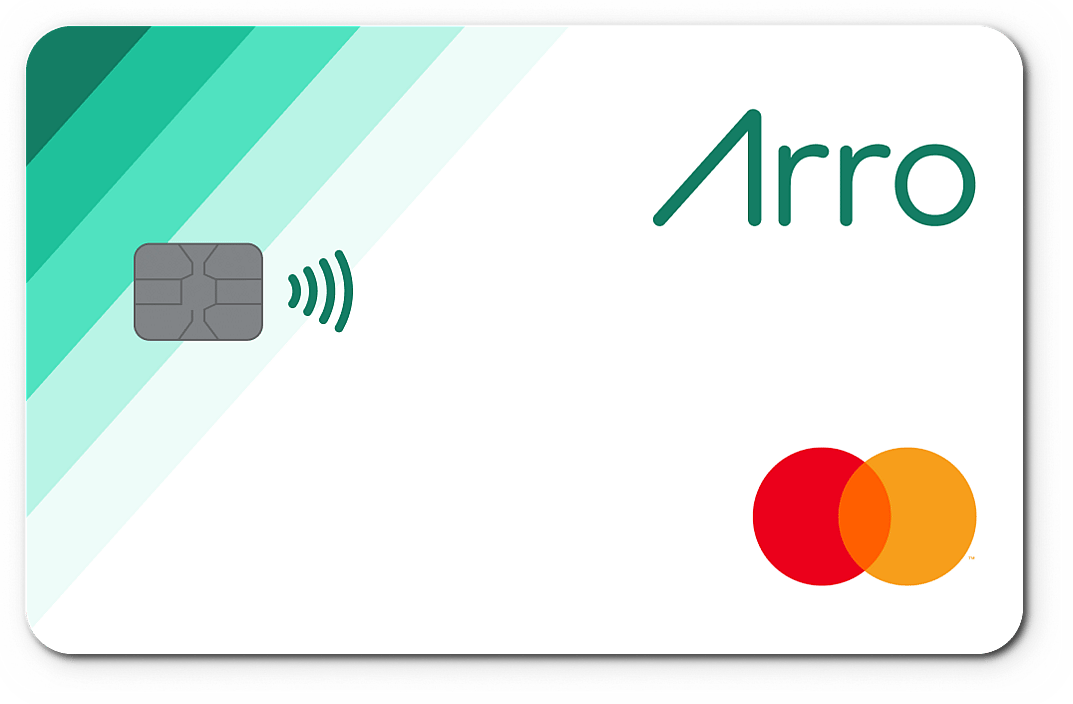
Annual feeUp to $60Minimum depositN/ARecommended credit scoreRegular APR24.99% Variable APRRewards rate1%CashbackIntro offerN/ARewards breakdown
1%Cash back on Gas.1%Cash back on Groceries.Card details
- Start with up to $300 in credit — grow to $2,500+ over time.
- Earn 1% cash back on gas & groceries and other rewards as you level up.
- Apply in 5 minutes or less with no hard credit check and no security deposit.
- Meet Artie, your AI money coach — delivering instant answers, personalized credit-building tips, and smart guidance 24/7.
- See your cash flow in real time with personalized insights designed to guide you toward smart money habits.
- Build credit with reporting to all three major credit bureaus.
- The Arro Card is issued by Community Federal Savings Bank, member FDIC, pursuant to license by Mastercard International. Privacy Policy.
NerdWallet's take
The Arro Card lowers a lot of barriers for those with bad or limited credit. Not only is there no security deposit, but there's no credit check either (even though the card reports to all three U.S. credit bureaus, which is ideal). You can "game" your way to a higher credit limit, and the card also earns modest rewards. You will, however, need to link a bank account with Arro, which is partly how the company determines your eligibility. You'll also need an Arro membership, which has a yearly fee of Up to $60.
Read full reviewProsNo hard credit check.
Comprehensive credit bureau reporting.
Rewards: 1% cash back on gas and groceries (including groceries purchased at Walmart and Target).
ConsAnnual fee: Up to $60.
No upgrade path.
Our pick for: Accessibility
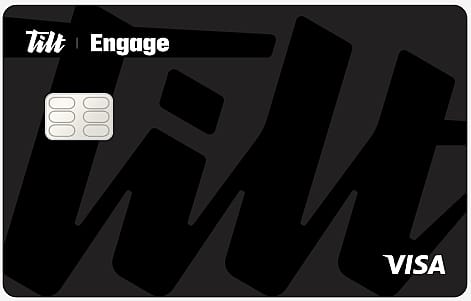
Annual fee$59Minimum depositN/ARecommended credit scoreRegular APR29.49%-34.49% VariableRewards rate1%-10%CashbackIntro offerN/ARewards breakdown
1%Cash back at select national merchants.Card details
- 1-10% cash back at select national merchants
- See if you're pre-approved instantly without impacting your credit score. Be considered for all three Tilt cards to maximize chances of approval
- No Credit Score? No problem. Credit history isn't required for approval
- Credit limit increases in as early as 4 months for qualified borrowers
- Build credit alongside hundreds of thousands of Tilt card members
- Tilt reports to all 3 major credit bureaus
- Pay with ease with a contactless card or on your phone using Apple Pay, Google Pay, or Samsung Pay
- Zero liability fraud coverage
- Card issued by WebBank
- View Rates & Fees
NerdWallet's take
The Tilt Engage isn't the most affordable card on this list, but it's among the most accessible, and it still has a lot of upside when compared with other unsecured cards for bad credit.
Read full reviewProsThe card's proprietary underwriting process means it might not rely solely on credit scores to determine eligibility and may opt to also evaluate real-time spending data like your income and expenses. It reports to all three major credit bureaus and features multiple paths to a potential credit limit increase. You can also earn modest rewards with specific merchants.
ConsThere's a $59 annual fee, which isn't outrageous but does make the card costly to keep long term, especially since there's no way to upgrade to a better card from Tilt when you're ready. Also note that in order to have factors like your real-time spending data considered, you may need to link your bank account.
Our pick for: Rewards + upgrading
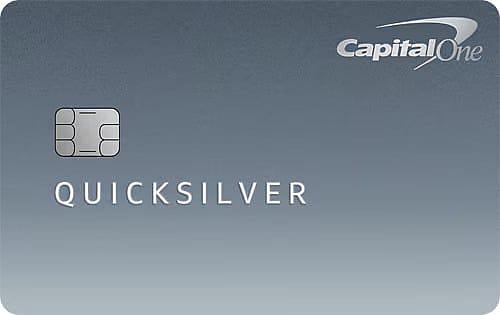 Apply Nowon Capital One's websiteon Capital One's websiteAnnual fee$0Minimum deposit$200Recommended credit scoreRegular APR29.24% Variable APRRewards rate1.5%-5%CashbackIntro offerN/A
Rewards breakdown
5%Cash back on hotels, vacation rentals and rental cars booked through Capital One Travel.1.5%Cash back on every purchase, every day.Card details
- No annual or hidden fees, and you can earn unlimited 1.5% cash back on every purchase, every day. See if you're approved in seconds
- Put down a refundable $200 security deposit to get at least a $200 initial credit line
- Building your credit? Using a card like this responsibly could help
- Enjoy peace of mind with $0 Fraud Liability so that you won't be responsible for unauthorized charges
- You could earn back your security deposit as a statement credit when you use your card responsibly, like making payments on time
- Be automatically considered for a higher credit line in as little as 6 months with no additional deposit needed
- Earn unlimited 5% cash back on hotels, vacation rentals and rental cars booked through Capital One Travel
- Monitor your credit score with CreditWise from Capital One. It's free for everyone
- Top rated mobile app
- View Rates & Fees
NerdWallet's take
The $0-annual-fee Capital One Quicksilver Secured Cash Rewards Credit Card is the rare card for bad credit that also offers solid rewards, along with several other features ideal for those with poor credit (FICO scores of 629 or lower).
Read full reviewProsYou'll earn 1.5% cash back on every purchase, which is as good as you'll find on a lot of cards for those with much higher credit scores. The card reports to all three credit bureaus, and Capital One will review your credit limit after six months to see if you're eligible for an increase. You may even eventually be able to upgrade to an unsecured card.
ConsThe $200 mininum upfront security deposit might be expensive for some.
Our pick for: No hard credit check
Annual fee$0 intro first year, $25 thereafter†Minimum deposit$100Recommended credit scoreRegular APR27.49% Variable†Rewards rateNoneIntro offerN/ACard details
- With no credit check or prior credit required, anyone can start building credit. Fund your card with a minimum security deposit of $100 and use it anywhere Visa® is accepted in the U.S. Build credit by making on-time payments and maintaining a low credit utilization ratio. Every on-time payment helps build credit history.
- If you don’t have the $100 security deposit today, consider a Credit Builder Account² starting at $25 a month⁴ . Consistent, on-time payments help you build credit and build savings to secure the secured Self Visa® Credit Card³.
- †$0 annual fee for the first year only, $25 annual fee thereafter. Variable APR of 27.49%. Offer valid for new customers only.
- *The secured Self Visa®Credit Card is issued by Lead Bank, Sunrise Banks, N.A., or First Century Bank, N.A., each Member FDIC.
- ²Credit Builder Accounts & Certificates of Deposit made/held by Lead Bank, Sunrise Banks, N.A., First Century Bank, N.A., each Member FDIC. Subject to credit approval.
- ³Qualification for the secured Self Visa® Credit Card is based on meeting eligibility requirements, including income and expense requirements and establishment of security interest. Criteria Subject to change.
- ⁴$25/mo, 24 mos, 15.92% APR; $35/mo, 24 mos, 15.69% APR; $48/mo, 24 mos, 15.51% APR; $150/mo, 24 mos, 15.82% APR. See self.inc/pricing
NerdWallet's take
The secured Self Visa® Credit Card offers those with no credit a way to establishing a credit history without some of the obstacles. It doesn't require a steep upfront security deposit or a hard credit check.
Read full reviewProsThe minimum deposit is just $100, lower than on most secured cards. There's no hard credit check, either. This card also has solid credit-building features. It reports payments to all three major credit bureaus which helps to establish a credit history. And, it's one of a few secured credit cards that offers a path to upgrade to an unsecured credit card with the same issuer once you can qualify.
ConsThere's an annual fee of $0 intro first year, $25 thereafter†. The security deposit requirement is also low, but some credit cards offer the flexibility to set your own amount.
Our pick for: No credit check and no minimum security deposit
Annual fee$0 (see terms)Minimum deposit$1Recommended credit scoreRegular APRN/ARewards rateN/AIntro offerN/ACard details
- Get credit for every swipe - Just use your card, even at the ATM, to build credit with every swipe, earn points, and more.
- Build credit not debt - Build credit using only the money in your account and enable AutoPay so you never miss a payment.
- Credit for everyone - No matter what your credit history, there are no credit checks required to apply and build credit.
- Get paid up to 2 days faster - With direct deposit get your paycheck up to 2 days faster, so you get the money you need exactly when you need it.
- Earn points on swipes - Earn up to 7x the points on card swipes at over 14,000 participating merchants, then redeem them for cash back.
NerdWallet's take
The Current Build Card card is an affordable and accessible option for those wanting to establish or mend their credit history with little risk of getting into debt trouble.
Read full reviewProsBecause this card doesn't require a credit check, it's an ideal option for those trying to build or rebuild their credit scores. There's no minimum security deposit and no APR. Plus, with an eligible payroll deposit the card earns 1 point per dollar spent on eligible dining and grocery purchases.
ConsThere's no upgrade path to another card within Current's portfolio, so when you're ready for an unsecured card, you'll have to apply for another card. You might also incur fees when using this card, including foreign transaction and ATM fees.
Our pick for: Low deposit
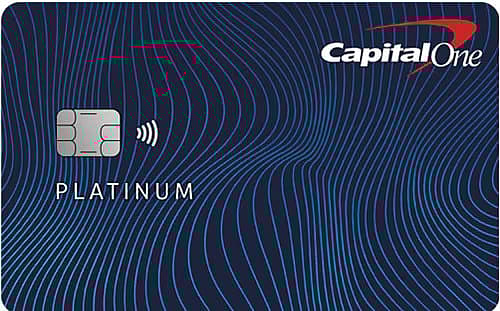 Apply Nowon Capital One's websiteon Capital One's websiteAnnual fee$0Minimum deposit$49, $99 or $200Recommended credit scoreRegular APR29.24% Variable APRRewards rateN/AIntro offerN/A
Card details
- No annual or hidden fees. See if you're approved in seconds
- Building your credit? Using the Capital One Platinum Secured card responsibly could help
- Put down a refundable security deposit starting at $49 to get at least a $200 initial credit line
- You could earn back your security deposit as a statement credit when you use your card responsibly, like making payments on time
- Be automatically considered for a higher credit line in as little as 6 months with no additional deposit needed
- Enjoy peace of mind with $0 Fraud Liability so that you won't be responsible for unauthorized charges
- Monitor your credit score with CreditWise from Capital One. It's free for everyone
- Get access to your account 24 hours a day, 7 days a week with online banking to access your account from your desktop or smartphone, with Capital One's mobile app
- Top rated mobile app
- View Rates & Fees
NerdWallet's take
If your credit is damaged but not necessarily destroyed, the Capital One Platinum Secured Credit Card is an excellent place to start rebuilding it.
Read full reviewProsMost secured cards typically require you to make a deposit equal to your credit line, and you have to come up with the whole deposit upfront. With the Capital One Platinum Secured Credit Card, however, you can get a credit limit of $200 for a deposit of $49, $99 or $200. You can also make your deposit in installments. And you can be automatically considered for a higher credit limit with no additional deposit in as little as six months.
ConsPeople with severely damaged credit, such as a bankruptcy on their credit report, might not qualify. You must have a checking or savings account.
Our pick for: No credit check + no annual fee
 Apply Nowon Capital Bank's websiteon Capital Bank's websiteAnnual fee$0Minimum deposit$300Recommended credit scoreRegular APR28.24% Variable APRRewards rate1%-10%CashbackIntro offerN/A
Card details
- No annual fee – keep more money in your pocket!
- No credit check required – 89% approval rate with zero credit risk to apply!
- Earn up to 10% cash back on everyday purchases
- Boost your credit score fast—2 out of 3 opensky® cardholders see an average increase of 47 points after 6 months
- Track your progress with free access to your FICO® score in our mobile app
- Build your credit history with reporting to all three major credit bureaus: Experian, Equifax, and TransUnion
- Seamless payments—add your card to Apple Pay, Google Pay, and Samsung Pay
- Start with as little as $300 – Secure your line with a refundable security deposit
- Fast and easy application—apply in minutes with our mobile-first experience
- Flexible payment options—pick a due date that works for you
- More time to fund—spread your security deposit over 60 days with layaway
- Join 2 million+ cardholders who have used opensky® to build better credit!
- View Rates & Fees
NerdWallet's take
Like opensky's regular card, the opensky® Plus Secured Visa® Credit Card doesn't require a credit check or a bank account. But this one also doesn't charge an annual fee — although the minimum security deposit and the interest rate are both significantly higher.
Read full reviewProsThe benefits are largely the same as with the annual-fee opensky card: The issuer doesn’t run a credit check, and you can make your deposit and pay your bills with a debit card, wire transfer, check or money order, making it an option for those without a traditional bank account. On top of that, there's no annual fee.
ConsThe minimum security deposit on this card is higher than on opensky's standard card. The APR is also considerably higher, so avoid carrying a balance. Also, your options for upgrading to an unsecured card are limited.
Our pick for: No credit check + lower deposit
 Apply Nowon Capital Bank's websiteon Capital Bank's websiteAnnual fee$35Minimum deposit$200Recommended credit scoreRegular APR23.89% Variable APRRewards rate1%-10%CashbackIntro offerN/A
Card details
- Earn up to 10% cash back on everyday purchases
- No credit check required – 89% approval rate with zero credit risk to apply!
- Boost your credit score fast—2 out of 3 opensky® cardholders see an average increase of 47 points after 6 months
- Track your progress with free access to your FICO® score in our mobile app
- Build your credit history with reporting to all three major credit bureaus: Experian, Equifax, and TransUnion
- Seamless payments—add your card to Apple Pay, Google Pay, and Samsung Pay
- Start with just $200—secure your credit line with a refundable deposit
- Fast and easy application—apply in minutes with our mobile-first experience
- Flexible payment options—pick a due date that works for you
- More time to fund—spread your security deposit over 60 days with layaway
- Join 2 million+ cardholders who have used opensky® to build better credit!
- View Rates & Fees
NerdWallet's take
The opensky® Secured Visa® Credit Card is a strong option for people struggling to build or rebuild credit, as well as for those without access to traditional banking services. Click 'apply now' to see additional terms.
Read full reviewProsUnlike most other secured cards, the opensky® Secured Visa® Credit Card doesn’t require a credit check, so even people with badly damaged credit may be able to qualify. (You’ll still need to meet income standards, however.) Also setting this card apart from other secured cards: You don’t need a bank account. You can make your deposit and pay your bill by debit card, wire transfer, check or money order.
ConsThe card charges an annual fee. Also, your options for upgrading your account to an unsecured card are limited.
Our pick for: Best unsecured option
Annual fee$0Minimum depositN/ARecommended credit scoreRegular APR35.99%Rewards rate1%CashbackIntro offerN/ARewards breakdown
1%Unlimited Cash Back on every purchase, everywhere MasterCard is accepted.Card details
- 1% Unlimited Cash Back on Every Purchase, Everywhere MasterCard is accepted.**
- No Limit on Monthly Rewards Earned
- Fast and easy application process
- Conveniently Pay Your Card Through Our Online Portal, 24/7
- Disclosure: If you are charged interest, the charge will be no less than $1.00
- Avant branded credit products are issued by WebBank.
- Eligibility for a card is not guaranteed. Your eligibility for a card depends on the information you provide in your application
- View Rates & Fees
NerdWallet's take
For an unsecured credit card for bad or limited credit, the $0-annual-fee AvantCard Credit Card boasts an impressive combination of hard-to-find features. While it can consider factors outside of your credit scores when determining your eligibility, it also reports to all three major U.S. credit bureaus, which can help those scores. It even earns rewards, which are automatically redeemed as statement credit at the close of every billing cycle. In addition, Avant will review your account regularly to see if you qualify for a higher credit limit.
Read full reviewProsA $0 annual fee.
Comprehensive credit bureau reporting.
Rewards: 1% cash back on purchases.
ConsNot available in a handful of states.
No upgrade path.
Terms may differ if you apply outside NerdWallet.
Our pick for: Building credit with subscriptions
Annual fee$0Minimum depositN/ARecommended credit scoreRegular APRNoneRewards rateNoneIntro offerN/ACard details
- Connect a bank account to apply for a Grow Credit interest-free Mastercard.
- Signing up is easy and completely free.
- Use your Grow Credit Mastercard to pay for your existing subscriptions or browse for new ones.
- Just sit back, relax and watch your credit score grow!
- Grow Credit is not taking new applications at this time.
NerdWallet's take
The Grow Credit Mastercard helps you build credit through qualifying subscriptions and bill payments you're already making. There's no hard credit check and no interest charges.
Read full reviewProsYou can use the card to pay for qualifying monthly subscriptions and/or bill payments, though your spending limit on the card will depend on your membership tier with Grow Credit. Eligible payments include streaming services like Netflix and Spotify, as well as certain wireless phone providers. Your bill must be paid in full each month, so you can't carry a balance and therefore won't pay interest. The card reports to all three major credit bureaus.
ConsThis card rates lower than other options on this page because of its limited usability. It can help you build credit, but beyond subscriptions, you can't put so much as a pack of gum on it. There are multiple membership tiers, but all of them charge a monthly fee.
Compare the Best Bad Credit Credit Cards
| Credit card | Rating | Annual fee | Minimum deposit | Rec. credit score Rec. credit score | Learn more |
|---|---|---|---|---|---|
 Arro Card Arro CardApply Nowon Arro's website on Arro's website | Best for Accessibility + rewards | Up to $60 | N/A | 300-850 (Poor - Excellent) | Apply Nowon Arro's website on Arro's website |
 Tilt Engage Tilt EngageApply Nowon Tilt's website on Tilt's website | Best for Accessibility | $59 | N/A | 300-719 (Poor - Good) | Apply Nowon Tilt's website on Tilt's website |
| Capital One Quicksilver Secured Cash Rewards Credit Card Apply Nowon Capital One's website on Capital One's website | Best for Rewards + upgrading | $0 | $200 | 300-629 (Poor) | Apply Nowon Capital One's website on Capital One's website |
 The secured Self Visa® Credit Card The secured Self Visa® Credit CardApply Nowon Self's website on Self's website | Best for No hard credit check | $0 intro first year, $25 thereafter† | $100 | 300-607 (Poor) | Apply Nowon Self's website on Self's website |
 Current Build Card Current Build CardApply Nowon Current's website on Current's website | Best for No credit check and no minimum security deposit | $0 (see terms) | $1 | 350-850 (Poor - Excellent) | Apply Nowon Current's website on Current's website |
| Capital One Platinum Secured Credit Card Apply Nowon Capital One's website on Capital One's website | Best for Low deposit | $0 | $49, $99 or $200 | 300-629 (Poor) | Apply Nowon Capital One's website on Capital One's website |
| opensky® Plus Secured Visa® Credit Card Apply Nowon Capital Bank's website on Capital Bank's website | Best for No credit check + no annual fee | $0 | $300 | 300-850 (Poor - Excellent) | Apply Nowon Capital Bank's website on Capital Bank's website |
| opensky® Secured Visa® Credit Card Apply Nowon Capital Bank's website on Capital Bank's website | Best for No credit check + lower deposit | $35 | $200 | 300-689 (Poor - Fair) | Apply Nowon Capital Bank's website on Capital Bank's website |
 AvantCard Credit Card AvantCard Credit CardApply Nowon Avant's website on Avant's website | Best for Best unsecured option | $0 | N/A | 550-719 (Poor - Good) | Apply Nowon Avant's website on Avant's website |
 Grow Credit Mastercard Grow Credit Mastercard | Best for Building credit with subscriptions | $0 | N/A | 300-850 (Poor - Excellent) |
More about our picks: Best credit cards for bad credit
Any credit card designed for people with bad credit will include elements that reduce the risk to the issuer, so you can expect that there will be tradeoffs involved in getting such a card. Some cards require a security deposit, some charge an annual fee, some will make you open a linked account. Everyone has a different level of patience for these kinds of things. Maybe putting down a $200 security deposit is no problem for you. Maybe you'd prefer to pay an annual fee to skip a credit check. Maybe rewards matter (or don't matter) to you. No single card will be objectively "best" for everyone with bad credit. But each of the cards on this page is, in our opinion, the best option for a specific kind of consumer. This page is not a ranked list ordered from best to worst; it's a roundup of all the best options.
Below, we dive a little deeper on the cards featured on this page — what makes them stand out and what kind of cardholder would benefit most from them. If you're still unsure about your decision, this additional context may help.
BEST CREDIT CARDS FOR BAD CREDIT OF OCTOBER 2026
Current Build Card: Our pick for no credit check + no minimum deposit
Secured Chime Visa® Credit Card: Our pick for no credit check + easy account management
Capital One Quicksilver Secured Cash Rewards Credit Card: Our pick for rewards + upgrading
Capital One Platinum Secured Credit Card: Our pick for low deposit
AvantCard Credit Card: Our pick for top no-deposit option
Arro Card: Our pick for no-deposit accessibility + rewards
Tilt Engage: Our pick for accessibility without a deposit
opensky® Plus Secured Visa® Credit Card: Our pick for no credit check + no annual fee
opensky® Secured Visa® Credit Card: Our pick for no credit check + lower deposit
The secured Self Visa® Credit Card: Our pick for low deposit + no hard credit check
Grow Credit Mastercard: Our pick for building credit with subscriptions
Current Build Card
Our pick for no credit check + no minimum deposit
The Current Build Card doesn't have flashy features. Instead, it quietly stacks up one strong benefit after another until suddenly it's one of the best credit-building cards available. It has an annual fee of $0 (see terms). It doesn't require a hard credit check. It's a secured card, but there's no minimum deposit, because your spending power is dictated by the balance in a linked account (which has the secondary benefit of preventing you from spending more money than you currently have available). It doesn't charge interest because you literally can't carry a balance from month to month. On top of all that, the card earns modest rewards. If there's a catch, it's the lack of an upgrade option. When you've improved your credit and are ready to move onto a more traditional card, you'll have to apply with a different issuer and possibly close your account with Current. The card also has some hidden fees baked in, but they're mostly avoidable if you use your card in a straightforward manner and pay your bill on time. Read our review of the Current Build Card.
» For a card with upgrade potential: Capital One Platinum Secured Credit Card
See more from Current
You may earn Points in connection with your everyday spending and by completing other actions that Current designates as subject to the Current Points Program. The amount of Points granted for different actions as well as the purchase requirements necessary to earn Points will vary, and is subject to Current’s sole discretion. After qualifying, please allow 3-5 business days for points to post to your Current account. Points will expire 365 days after they settle. The Current Points program is not available to Teen Account holders. See Current Points Terms and Conditions.
Secured Chime Visa® Credit Card
Our pick for: No credit check + easy account management
Offered by one of the most popular financial technology platforms, the Secured Chime Visa® Credit Card boasts an array of features that make it attractive to those looking to build or rebuild their credit. There's no annual fee, no credit check is required, and you can automate your payments so you're never late. Unlike typical secured cards, which require a deposit that locks in your credit limit at a certain amount, this one is secured by your balance in a linked account. It doesn't let you spend more than you have available, and it doesn't let you carry a balance from month to month, so it puts up pretty strong guardrails against getting into debt (as well as avoiding interest). In fact, the card does such a good job of getting in the way of the negative consequences of credit mismanagement that one could argue that it doesn't teach you how to use credit without a safety net. There's also the possibility of earning rewards, depending on what level of status you have with your Chime® Checking Account, which is required to get the card. There isn't an upgrade path, though, so when you're ready to move up to a better card, you'll have to do it somewhere else. Read our review of the Secured Chime Visa® Credit Card.
» For a card with upgrade potential: Capital One Platinum Secured Credit Card
See more from Chime®
Chime says the following:
The secured Chime Visa® Credit Card is issued by The Bancorp Bank, N.A. or Stride Bank, N.A., pursuant to a license from Visa U.S.A. Inc. and may be used everywhere Visa credit cards are accepted. Please see the back of your card for its issuing bank.
Based on a representative study conducted by Experian® in Sept 2025, the top 10% of members who made their first purchase with Credit Builder, an earlier version of Secured Chime Visa® Credit Card, between April and August 2024, observed a FICO® Score 8 increase of 71 points after approximately 8 months. Average increase of 28 points across all participants in the study. Credit score improvement not guaranteed. Paying on time may increase your score, while late payment may decrease your score. Other credit activity can impact your score. Credit score is one of many factors creditors may consider in evaluating credit applications.
On-time payment history can have a positive impact on your credit score. Late payment may negatively impact your credit score. Chime will report your activities to Transunion®, Experian®, and Equifax®. Impact on your credit may vary, as Credit scores are independently determined by credit bureaus based on a number of factors including the financial decisions you make with other financial services organizations.
Money added to the Secured Chime Visa® Credit Card will be held in a secured deposit account as collateral for your Secured Chime Visa® Credit Card, and you can spend up to this amount. You can use money deposited in your Secured Deposit Account to pay off your charges at the end of every month.
Out-of-network ATM withdrawal and OTC advance fees may apply. View The Bancorp agreement or Stride agreement for details; see back of card for issuer.
SpotMe® on Credit is an optional, no interest / no fee overdraft line of credit tied to the Secured Deposit Account available to qualifying members with an active Secured Chime Visa® Credit Card. To qualify for the SpotMe on Chime Card service, you must receive $200 or more in qualifying direct deposits to your Chime® Checking Account each month and have activated your physicalSecured Chime Visa® Credit Card or Chime Visa® Debit Card. Qualifying members will be allowed to overdraw their Secured Deposit Account up to $20, but may later be eligible for a higher limit of up to $200 or more based on Chime account history, direct deposit frequency and amount, spending activity and other risk-based factors. The SpotMe on Chime Card Limit will be displayed within the Chime mobile app and is subject to change at any time, at Chime’s or its banking partners’ discretion. Although Chime does not charge any overdraft fees for SpotMe on Chime Card, there may be out-of-network or third-party fees associated with ATM transactions and fees associated with OTC cash withdrawals. SpotMe on Chime Card won’t cover non-card transactions. SpotMe on Chime Card Terms and Conditions.
With qualifying direct deposits, earn 5% cash back as a Chime Prime member or 2% cash back as a Chime Plus member on up to $1,500 of eligible Secured Chime Visa® Credit Card purchases. See the Secured Chime Visa® Credit Card - Cash Rewards Program Addendum for limitations and details on earning cash back on your monthly selected category.
Capital One Quicksilver Secured Cash Rewards Credit Card
Our pick for: Rewards + upgrading
For building credit as quickly and efficiently as possible, a secured card from a major issuer is often the way to go, and the Capital One Quicksilver Secured Cash Rewards Credit Card is one of the best available. It earns the same 1.5% cash back as the regular Quicksilver card, and the annual fee is $0 (see rates and fees). If you're financially stressed, the biggest obstacle might be pulling together the security deposit, which determines your initial credit limit on the card. The minimum is $200. But Capital One does let you pay that in increments and gives you 35 days from card approval to fully fund it. Admittedly, $200 isn’t a ton of spending power, but if you demonstrate responsible credit habits, you could be considered for a credit limit increase, without depositing any additional money, within six months. (You also have the option of simply depositing more money, and getting a higher initial credit line, when you open the card.) As with all secured cards, you can get your deposit back if you close the account in good standing or if Capital One upgrades you to an unsecured card. Read our review of the Capital One Quicksilver Secured Cash Rewards Credit Card.
» For no minimum security deposit: Secured Chime Visa® Credit Card
Capital One Platinum Secured Credit Card
Our pick for: Low deposit
A secured credit card is one of the quickest ways to build credit, but pulling together hundreds of dollars for a security deposit can be a tall order for some people. The Capital One Platinum Secured Credit Card offers a potential solution. Depending on your credit profile, you could get a $200 credit limit with a deposit of only $49 or $99 (see rates and fees). With most other secured cards, your initial credit limit is equal to whatever deposit you put down. Capital One also gives you 35 days from card approval to fully fund the security deposit, and you can pay it in increments of at least $20. If you show good credit habits, you could be automatically considered for a higher credit limit without needed to deposit more money. As with all secured cards, the deposit is fully refundable if you close the account in good standing, or if Capital One upgrades you to an unsecured card. The main downside of this card is that it doesn't earn any rewards, unlike many competing cards (including from Capital One). But keep in mind that a secured card isn't a long-term proposition, so the rewards you'd ultimately earn would likely be small. The goal is to use it to boost your credit, then move on to better cards. Read our review of the Capital One Platinum Secured Credit Card.
» For a secured card with rewards: Capital One Quicksilver Secured Cash Rewards Credit Card
AvantCard Credit Card
Our pick for: Top no-deposit option
The AvantCard Credit Card is an ideal unsecured option for those with poor or thin credit. It doesn't require a deposit as collateral, and when evaluating your application, it can take into account factors beyond just your credit scores, such as your bank account balance. The card reports to all three major U.S. credit bureaus, which means using it responsibly — paying in full and on time each month — can help your credit. Plus, if you apply through NerdWallet and are approved, you'll get a $0-annual-fee card that also earns modest rewards: a flat 1% cash back on all purchases. On top of all that, your account is periodically reviewed to determine whether you're eligible for an increased credit limit, which might ultimately help your credit utilization ratio, a key factor in your credit scores. Still, there are two caveats to keep in mind: The card isn't available in every state, and once you've used it to improve your credit, there's no upgrade path to a better card from the company. Read our review of the AvantCard Credit Card.
» For richer rewards and better upgrade options: Discover it® Secured Credit Card
Arro Card
Our pick for: No-deposit accessibility + rewards
The strength of the Arro Card is its accessibility for those with poor, thin or no credit. It doesn't require a security deposit, and there's no credit check. Instead, the card considers other data points like your income and bank account information. (As such, you'll have to connect a bank account to apply.) The card reports to all three major U.S. credit bureaus, which is a must-have for those seeking to build or rebuild credit. It's not free to hold, though. There's technically no annual fee, but to get the card you'll need an Arro membership, which comes at a yearly cost of Up to $60 — not as pricey as some other unsecured credit cards, but also not refundable, as a security deposit would be. The good news is that you may be able to offset that cost thanks to the Arro Card's modest rewards on gas and groceries, two major line items in most household budgets. The card even offers ways to increase your credit limit over time, if you don't mind taking part in certain gamified tasks. Just note that as with many other "alternative cards," there's no upgrade path to a better product from Arro once you're ready. Read our review of the Arro Card.
» For a less expensive unsecured option for bad credit: AvantCard Credit Card
Tilt Engage
Our pick for: Accessibility without a deposit
Although we give it a middling 2.6-star rating, which is lower than what we typically require for inclusion on our roundups of the best credit cards, we also cut the Tilt Engage some slack. It offers people with bad credit the relatively rare opportunity to qualify for a credit card without having to provide a security deposit or pay outlandish fees. To be clear, the $59 annual fee is not optimal, especially for a card with a meager rewards program, but it's good in comparison with fee-harvester cards that can charge hundreds of dollars. The standout feature is an alternative underwriting process that can evaluate your eligibility using factors beyond just credit scores. Unfortunately, while Tilt does offer credit cards with no annual fee, you can't upgrade this card to one of those once your credit improves. Read our review of the Tilt Engage.
» For an option with more robust rewards: Arro Card
opensky® Plus Secured Visa® Credit Card
Our pick for: No credit check + no annual fee
The opensky® Plus Secured Visa® Credit Card works pretty much just like the non-"Plus" secured card from opensky. The key differences are that the Plus card has a $0 annual fee (as opposed to $35 for the regular card), a higher minimum deposit ($500, compared with $200 for the regular card), and a higher ongoing interest rate. No credit check is required to get the card, which removes one of the most significant obstacles for people with bad credit. Then again, the $500 deposit minimum presents a different kind of obstacle. You also don't need a bank account, making this one of the few credit cards accessible to the "unbanked"; you can fund the card or pay your bill with a money order or Western Union payment. As with the regular card, there's a lack of good upgrade options, meaning that when you've improved your credit and want to move on to a better card, you'll either have to close this account or keep it open with your $500-or-more deposit tied up indefinitely. Read our review of the opensky® Plus Secured Visa® Credit Card.
» For no annual fee plus rewards: Capital One Quicksilver Secured Cash Rewards Credit Card
opensky® Secured Visa® Credit Card
Our pick for: No credit check + lower deposit
The fact that the opensky® Secured Visa® Credit Card charges an annual fee might be a turn-off. After all, there's a fairly long list of secured cards that don't cost anything to carry (aside from the refundable deposit). But a lot of people will still want to take a look at it for two reasons. First, there's no credit check required. Anyone with bad credit or no credit who has struggled to qualify for a credit card can tell you what an obstacle the credit check can be; paying $35 a year to go around that barrier might well be worth it. Second, unlike with most credit cards, you don't need to have a traditional bank account, making this a decent option for the "unbanked." You can fund the deposit or pay your bill with a money order or Western Union payment. As for drawbacks beyond the annual fee, this card doesn't present you with good upgrade options. If you want a better card down the road, you'll probably have to move on. Read our review of the opensky® Secured Visa® Credit Card.
» For no-annual-fee version (but a higher deposit): opensky® Plus Secured Visa® Credit Card
The secured Self Visa® Credit Card
Our pick for: Low deposit + no hard credit check
The secured Self Visa® Credit Card is an interesting option for people who want to build credit but aren't a good fit for more traditional secured cards. It doesn't require a hard credit check, and the $100 minimum security deposit requirement is lower than the industry standard of $200 to $300. You also have the option of funding the deposit by making payments on a secured loan. It's more complicated than the usual secured card, there are no rewards, and there's an annual fee after the first year. But for those struggling to establish a credit history, it can be efficient and effective. Read our review of The secured Self Visa® Credit Card.
» For a traditional secured card with rewards: Discover it® Secured Credit Card
Grow Credit Mastercard
Our pick for: Building credit with subscriptions
The Grow Credit Mastercard is a less risky (but also less flexible) option for credit beginners worried about overspending or debt. It limits spending to eligible subscription services like Netflix and Spotify, and you can't carry a balance month to month, so there's no interest to worry about. As you pay your bill each month, you build credit. Depending on your eligibility, it offers three different subscription plan options that charge a monthly fee, and you may need a security deposit. Those costs can make it more expensive to hold than other credit cards for beginners. It also lacks a path to upgrade to a better credit card with the same issuer once you’ve established a credit history. Read our review of the Grow Credit Mastercard.
» For debt-proof guardrails without monthly or annual fees: Current Build Card
What to look for in a credit card for bad credit
When you have bad credit, the primary purpose of getting a credit card is not to boost your spending power. It’s to improve your credit. So when choosing a credit card for bad credit, pay attention to these factors.
Eligibility criteria
Secured or unsecured
Credit bureau reporting
Fees
Upgrade path
Security deposits: What you need to know
As noted earlier, secured credit cards require a cash deposit to open the account. Some cards have a minimum deposit of $200 or more. We acknowledge that locking up that much money in a credit card deposit can be a significant financial hurdle for people living paycheck to paycheck. But if you can swing it, we believe that a secured card is the best option for most people with bad credit.
Most notably, the security deposit is completely refundable if you close your card account in good standing or upgrade to an unsecured card. Some issuers even pay interest on your security deposit. The deposit reduces the risk to the card issuer, which is what makes it possible to issue cards to people with bad credit. By contrast, unsecured cards for bad credit often deal with risk by charging high fees that can’t be recouped. Further, those fees might represent just as much of an out-of-pocket cost for a new cardholder as a security deposit.
Some secured credit cards do not have a minimum deposit amount. Your account is instead secured by the balance you have in a linked account, such as a checking or savings account. And some cards have flexible deposit requirements. The Capital One Platinum Secured Credit Card, for example, allows you to pay your security deposit in installments, and some applicants may qualify for a $200 credit limit with just a $49 or $99 security deposit (see rates and fees).
Using a credit card to improve your credit
Credit scores are essentially a measure of how likely a person is to repay money they’ve borrowed. The higher a person’s score, the greater the likelihood that they will repay what they owe. Improving your credit involves demonstrating that you can handle credit responsibly — and using a credit card is one of the best ways to do that.
Pay your credit card bill on time
Don’t max out your credit card
Keep old credit card accounts open
Keep new credit applications to a minimum
Track your progress
Next steps: After your credit has improved
Once your credit has improved, you’ll probably start thinking about what to do with the credit card you got when you had bad credit. Here are some options:
Upgrade to another card from the same issuer
When you upgrade to another card by way of a product change, you can preserve the credit history you built up with the previous card. If the upgrade involves moving from a secured card to an unsecured card, you can get your deposit back, too. Keep in mind, though, that the sign-up bonuses that come with many rewards credit cards, some of which are worth hundreds of dollars, are not available to customers who upgrade. The only way to get a sign-up bonus is to apply for a card outright and meet the spending requirements.
Keep the card open and apply for a new card elsewhere
If your card’s issuer doesn’t have attractive upgrade options, you might still want to keep the card open, even if you apply for a better card somewhere else. Doing so keeps the credit limit on that card, which can lower your overall credit utilization. And credit scoring formulas like lengthy, active credit histories; if you cancel the card, that lowers the average age of your open accounts.
Close the card and apply elsewhere
Yes, we just discussed why it makes sense to keep your old card account open. But sometimes closing the account is the right move. If your old card is a secured card, you’ll continue to have money locked up in a security deposit. If the card charges fees, you’ll continue paying those. Say you have a credit card with a $49 annual fee and a $12.50 monthly fee, a not-uncommon fee structure for an unsecured card for bad credit. That would mean it costs nearly $200 a year to use the card. If the card has a small credit limit and few perks, it may make sense to close the account and save yourself a ton of money in the long run.
Ask our credit card experts
 Kenley Young
Kenley YoungWHAT'S A COMMON MISCONCEPTION ABOUT CREDIT CARDS AND BAD CREDIT?
There's an idea out there that credit cards for bad credit are all very expensive ... but they don't have to be. Any credit card can be expensive if you carry a balance, of course, because then you have to pay interest. But just because you have bad credit doesn't mean you're stuck paying outlandish fees. There are plenty of new options. Predatory "fee harvesters" aren't your only choice.

Kenley Young
Managing Editor
 Melissa Lambarena
Melissa LambarenaWHAT'S A COMMON MISCONCEPTION ABOUT CREDIT CARDS AND BAD CREDIT?
You don’t need to maintain a balance on a credit card at all times to build credit, but you do need to keep it open and active to stay on track with that goal. You can accomplish this by using the card to pay for a monthly recurring expense that can be paid off in full every month to avoid interest charges.

Melissa Lambarena
Senior Writer & Content Strategist
 Sara Rathner
Sara RathnerWHAT'S A COMMON MISCONCEPTION ABOUT CREDIT CARDS AND BAD CREDIT?
There's no such thing as a joint credit score. It's always yours and yours alone, so you can’t depend on anyone else to build your credit for you. (However, if you have a joint loan with your spouse, late payments can affect both of your scores.)

Sara Rathner
Senior Writer/Spokesperson
 Paul Soucy
Paul SoucyWHAT'S A COMMON MISCONCEPTION ABOUT CREDIT CARDS AND BAD CREDIT?
Building credit with a credit card isn’t complicated. Get a card, use the card, keep your balance relatively low, pay the bill on time and in full, and be patient. Don’t overthink it.

Paul Soucy
Director of Content
WHAT'S A COMMON MISCONCEPTION ABOUT CREDIT CARDS AND BAD CREDIT?
There's an idea out there that credit cards for bad credit are all very expensive ... but they don't have to be. Any credit card can be expensive if you carry a balance, of course, because then you have to pay interest. But just because you have bad credit doesn't mean you're stuck paying outlandish fees. There are plenty of new options. Predatory "fee harvesters" aren't your only choice.
Kenley Young
Managing Editor
WHAT'S A COMMON MISCONCEPTION ABOUT CREDIT CARDS AND BAD CREDIT?
You don’t need to maintain a balance on a credit card at all times to build credit, but you do need to keep it open and active to stay on track with that goal. You can accomplish this by using the card to pay for a monthly recurring expense that can be paid off in full every month to avoid interest charges.
Melissa Lambarena
Senior Writer & Content Strategist
WHAT'S A COMMON MISCONCEPTION ABOUT CREDIT CARDS AND BAD CREDIT?
There's no such thing as a joint credit score. It's always yours and yours alone, so you can’t depend on anyone else to build your credit for you. (However, if you have a joint loan with your spouse, late payments can affect both of your scores.)
Sara Rathner
Senior Writer/Spokesperson
WHAT'S A COMMON MISCONCEPTION ABOUT CREDIT CARDS AND BAD CREDIT?
Building credit with a credit card isn’t complicated. Get a card, use the card, keep your balance relatively low, pay the bill on time and in full, and be patient. Don’t overthink it.
Paul Soucy
Director of Content
Frequently asked questions
What does "bad credit" mean in terms of credit cards?
Bad credit is generally defined as a credit score below 630 on a scale of 300 to 850. Credit scores measure how safe or risky it is to lend to someone. The higher the risk, the lower the score. If you’ve made mistakes with credit — missing multiple payments, maxing out accounts, having bills turned over to collection agencies, your score can drop into the bad-credit range. Also, if you’re new to credit, you might not have a credit score at all, which in many ways is functionally equivalent to bad credit — you’re considered a higher risk because you haven’t yet demonstrated your ability to handle borrowed money.
Can I get a credit card if I have bad credit?
Multiple credit card issuers have cards specifically designed for people with bad credit. (They’re often advertised as ideal for “rebuilding” credit.) These are generally “starter cards” — they don’t offer much in the way of rewards or perks, they charge high interest rates, and some of them come with steep fees. NerdWallet generally recommends secured credit cards to people with bad credit. Secured cards require you to put down a cash deposit that the card issuer holds as collateral in case you don’t pay your bill. You get that money back when you close your account in good standing or upgrade to a regular card.
What should I look for in a credit card for bad credit?
When looking for a credit card for bad credit, be realistic. You’re not going to find one with rich rewards or lavish perks. You’ll most likely have a high interest rate (although if you pay your bill in full every month, you won’t be charged interest). And your credit limit will likely be small; secured cards usually give you a credit line equal to your deposit. Beyond that, look at:
Fees. Look for annual fees of less than $60, and avoid cards that charge maintenance fees, application fees or processing fees. Many good secured cards don’t charge an annual fee at all.
Reporting to credit bureaus. Presumably, you want to use your card to build credit so you can qualify for better cards or loans down the road. But using your card can improve your credit only if your payments are reported to the credit bureaus, the companies that compile the credit reports that form the basis of credit scores. Look for a card that says it reports to all three major credit bureaus (Equifax, Experian and TransUnion).
Upgrade options. Ideally, after you’ve improved your credit, you could upgrade your account to a better card. That allows you to keep the account open — which is good for your credit score — while getting your deposit back. Many issuers of cards for bad credit have outstanding upgrade options. Others focus only on people with lower scores and might not have much to offer. The lack of an upgrade option shouldn't be a dealbreaker, but a clear upgrade path is a point in favor of some cards.
What do I need to apply for a credit card for bad credit?
You generally need to be at least 18 years old and have a Social Security number to be considered for a credit card. You’ll need to show that you have income, and in most cases (but not all), you must have a bank account. While “bad credit” by itself is obviously not a disqualifier when it comes to cards for bad credit, some issuers might still deny your application if your credit report shows serious problems such as a bankruptcy, a civil judgment or liens against you. Read more about qualifying for a card for bad credit.
How we choose the best credit cards
Our team of credit card experts has developed a rigorous methodology to determine how much value a card delivers and how it stacks up against its competitors.
400+
Cards reviewed

400+
Cards reviewed
NerdWallet’s experts have reviewed more than 400 cards, from the most popular options at the biggest banks to store cards to niche cards from startups and small issuers.
8
Categories scored

8
Categories scored
Credit cards are so diverse that properly rating them with a single formula is impossible. We’ve built eight rubrics, plus variations, so we can score each card on what matters.
50+
Data points analyzed

50+
Data points analyzed
Our ratings consider not just a card’s rates, fees, rewards and perks, but also how easy or hard it is to get that card, manage it and enjoy its advertised benefits.
Star rating categories
What you want out of, say, a cash back credit card is fundamentally different from what you’re looking for in a balance transfer card or a card for building credit. That’s why we have different scoring models that put weight on different features.
Cash back cards
General travel cards
Balance transfer cards
Branded airline cards
Branded hotel cards
Credit builder cards
College student cards
Small business cards
Cash back cards
Our formula looks at how much cash back you could expect to earn from typical household spending. We consider rewards rates and categories, bonus offers and the cash value of other benefits, as well as any annual fee. The rating is also influenced by the complexity of the rewards structure.
General travel cards
We consider how many points you could expect to earn from typical household spending, along with per-point values and redemption options. We add in the cash value of bonus offers and other benefits, subtract annual fees and other costs, and take into account the complexity of the rewards structure.

Balance transfer cards
Our balance transfer rubric calculates how much money a card could save you with a low or 0% interest rate. Primary factors include the length and structure of the introductory APR period and the balance transfer fee. We also consider long-term value, such as whether the card offers rewards.

Branded airline cards
We calculate how many miles you could expect to earn from typical household spending and what those miles are worth based on our valuations. We add in the cash value of bonus offers and perks such as free checked bags and lounge access, and we subtract annual fees and other costs.

Branded hotel cards
We calculate how many points you could expect to earn from typical household spending and what those points are worth based on our valuations. We add in the cash value of bonus offers and perks such as free nights and automatic elite status, and we subtract annual fees and other costs

Credit builder cards
Our rubric focuses on accessibility (such as whether a credit check is required), out-of-pocket costs (such as annual fees or minimum security deposits), credit-building features (such as bureau reporting and access to a free credit score) and upgrade options when you’re ready to move on.

College student cards
Our formula calculates the rewards you could expect to earn on spending typical for a college student and takes into account the cash value of bonus offers and other benefits. Accessibility to students without established credit is a key consideration, as is the effort required to manage the card.

Small business cards
Our star ratings criteria for small business credit cards are similar to those for consumer cards, although they account for potentially higher spending levels and higher credit limits, as well as rewards structures and bonus categories tailored specifically to entrepreneurs and business operators.

NerdWallet's Credit Cards team selects the best credit cards for bad credit based on overall value, as evidenced by star ratings, as well as suitability for specific kinds of consumers. Factors in our evaluation include annual and other fees, deposit requirements for secured cards (both the minimum and maximum allowed), interest rates, whether a card offers an option to upgrade to an unsecured account, the availability of free credit scores and other credit education and tools, reporting to credit bureaus, and other noteworthy features such as a rewards program or the ability to qualify without a credit check. Because different consumers can have markedly different needs, preferences and spending habits, we recognize that there is rarely a single credit card that is "best" for everyone. That's why this page includes a variety of options to suit an array of circumstances. Also, a single card is eligible to be chosen as among the "best" in multiple categories.
Our star ratings provide a quick way to compare credit cards. We assess the features of a card, score those features according to how they compare with other options on the market, and assign the card a rating of 1 to 5 stars based on those features. In general, a card that rates 4.5 stars will be a better value for more people than a card that rates 4.0 stars. However, the 4.0 card might be better than the 4.5 card for an individual consumer depending on that person’s circumstances. Further, ratings are only comparable within categories. If you're looking for rewards, for example, a 3.5-star cash back card will be of greater value than a 5.0-star balance transfer card or a 4.5-star credit-builder card. Star ratings are an important consideration in which cards appear on our "best" pages, but they are not the sole determining factor. Learn how NerdWallet rates credit cards.
